How Drought and Extreme Heat Affect Your Garden (and What You Can Do)
There was a time when most gardeners could count on a fairly predictable growing season. Summers were hot, certainly, but a stretch of ninety-degree days still felt unusual. Today, many gardeners find themselves facing weeks of relentless heat, little meaningful rainfall, and watering restrictions just when their gardens need moisture the most.
It’s tempting to blame every struggling tomato or wilted cucumber on the weather, but drought and extreme heat don’t simply make plants thirsty. They affect nearly every part of the garden. Soil dries out faster, beneficial organisms become less active, flowers fail to produce fruit, vegetables stop growing, and pests often become more difficult to manage.
The good news is that a resilient garden isn’t built during a drought. It’s built long before one arrives. Understanding how drought and extreme heat affect your garden helps you make decisions that keep plants healthier even during difficult summers.
Why Heat and Drought Stress Plants
Plants rely on water for far more than staying upright. Water carries nutrients from the soil into roots, moves those nutrients throughout the plant, helps regulate temperature, and supports every stage of growth. During periods of drought, that entire system begins to slow down.
When moisture becomes scarce, plants conserve what little water they have by closing tiny openings on their leaves called stomata. This helps reduce water loss but also limits the plant’s ability to take in carbon dioxide, slowing photosynthesis and reducing growth.
In other words, the plant shifts from growing to surviving. That’s a sensible strategy for the plant, but it often means fewer vegetables, slower growth, and smaller harvests for the gardener.
The Effects of Extreme Heat Go Beyond Dry Soil
Many vegetables grow best within a fairly comfortable temperature range. Once temperatures climb into the mid-90s for extended periods, many plants begin experiencing heat stress even if they’re receiving enough water.
During a severe heatwave, you may notice:
- Flowers dropping before producing fruit (especially on tomatoes, peppers, and beans)
- Lettuce, spinach, and other leafy greens bolting (going to seed) quickly
- Cucumbers becoming bitter and squash producing mostly male flowers
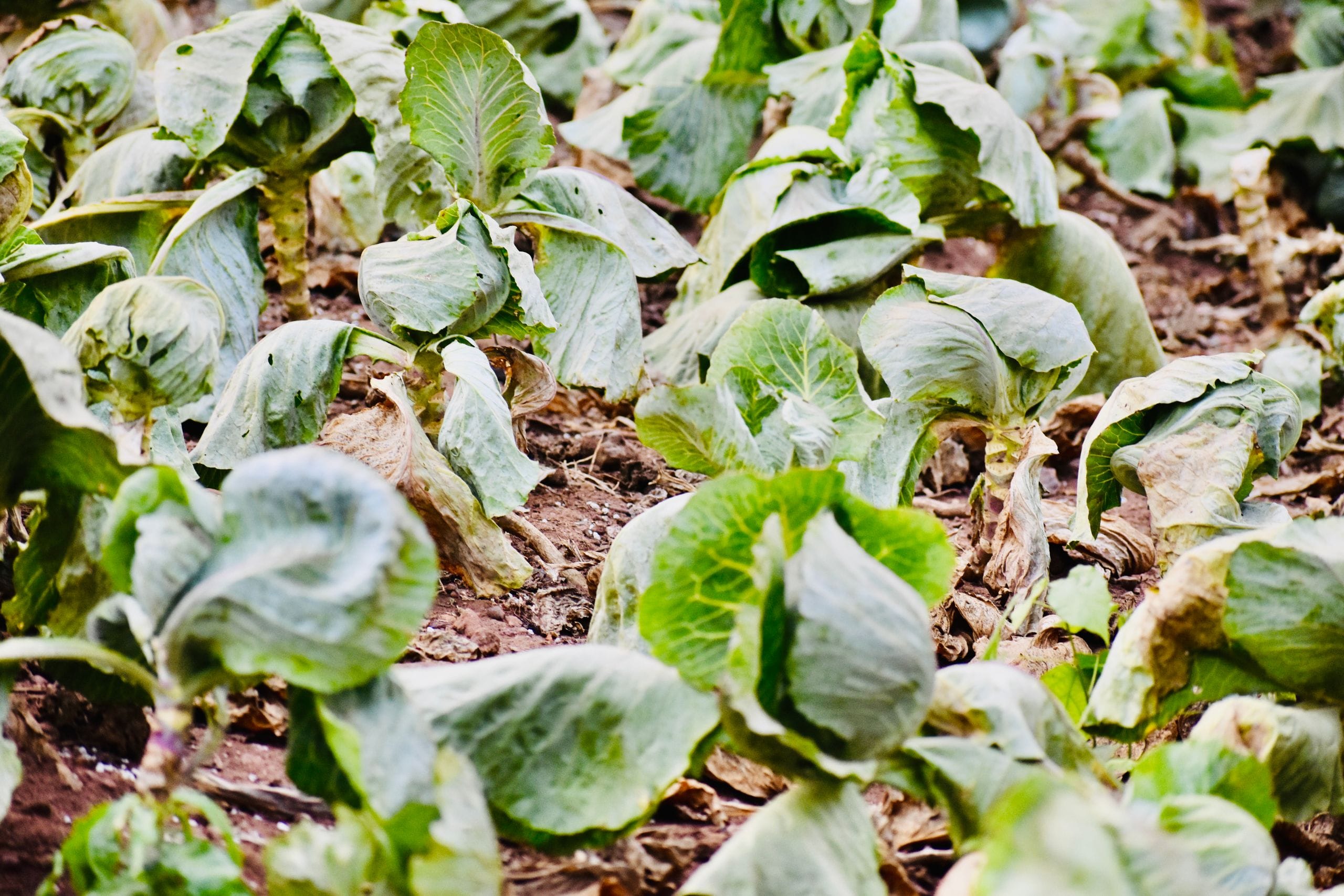
- Leaves curling or appearing scorched along the edges
- An increase in blossom-end rot in tomatoes and peppers
- Sudden pest explosions, as destructive insects like spider mites and thrips thrive in dry, dusty, stagnant heat
Sometimes gardeners assume they need more fertilizer when plants stop producing. During extreme heat, fertilizer is rarely the answer. Forcing a stressed plant to process a burst of nutrients is like asking a runner to eat a heavy meal in the middle of a marathon. A stressed plant needs relief, not additional work.
Your Soil Matters More Than Your Hose
One of the biggest misconceptions in gardening is that drought problems are solved simply by watering more often. Sometimes they are. More often, they’re solved by improving the soil.
Healthy soil acts like a reservoir. Organic matter allows it to absorb rainfall when it comes and store that moisture where plant roots can access it for days afterward. Poor soil sheds water quickly or allows it to drain away before plants can benefit.
That’s why gardeners who invest time in compost, mulch, and soil health often find they water less than those relying on bare, depleted soil. It’s another reminder that good gardening starts below ground.
Signs Your Garden Is Heat Stressed
Not every wilted plant is in danger. Many plants naturally droop during the hottest part of the afternoon to minimize their surface area exposure to the sun, recovering as temperatures cool in the evening.
Persistent, dangerous stress looks different. Watch for:
- Wilting that continues into the next morning (this is your clearest sign of true water distress)
- Dry, brittle leaf edges or yellowing lower leaves
- Fruits that remain unusually small or split open
- Cracked, hardened soil crusts
- Slowed overall growth despite regular watering
The earlier you recognize these signs, the easier they are to correct.
Water Smarter, Not Harder
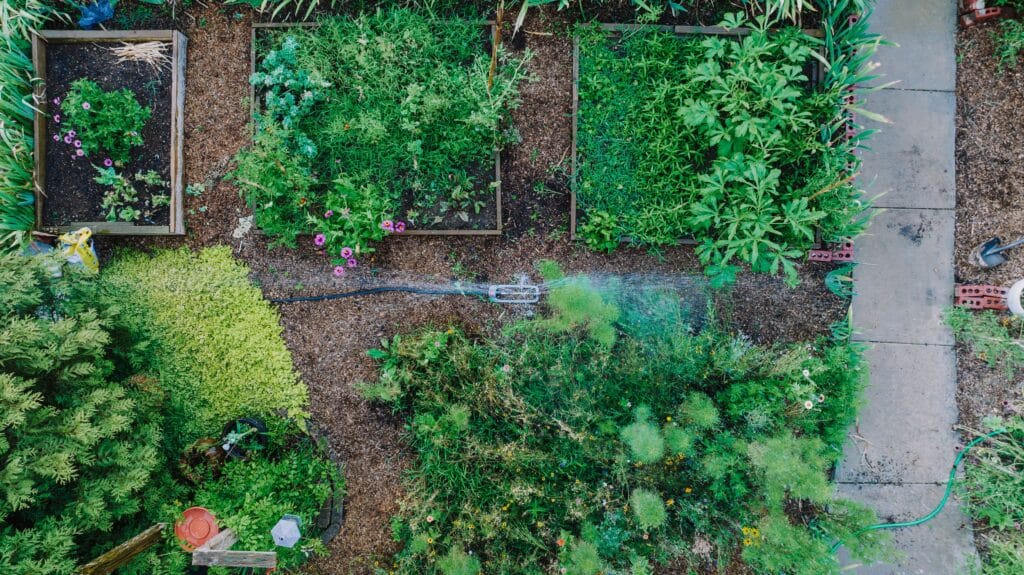
During hot weather, how you water becomes just as important as how much you water. Frequent, shallow watering encourages shallow roots, leaving plants even more vulnerable when dry weather continues. Deep roots are an investment that pays dividends all summer long.
A few good habits make an enormous difference:
- Water deeply rather than lightly. Water less frequently but thoroughly to encourage roots to grow downward toward deeper moisture reserves.
- Water early in the morning. This gives plants a chance to hydrate before the midday heat hits and prevents water from evaporating before it reaches the soil. Avoid watering during the heat of the day, and avoid overhead watering in the late evening, which can leave damp foliage vulnerable to fungal diseases.
- Deliver water directly to the root zone. Instead of spraying from above, snake a drip irrigation hose or soaker hose beneath your mulch. For heavy-feeding plants like tomatoes, you can bury an unglazed clay pot (called an olla) beside the plant and fill it with water. The clay slowly releases moisture exactly where the roots need it. If you don’t have an olla, even a repurposed plastic bottle with a few small pinholes buried beside the plant can accomplish much the same thing while giving something headed for the recycling bin one more useful job.
Mulch Becomes Your Garden’s Best Friend
If there were one simple habit that could help nearly every garden survive drought more successfully, it would be mulching. A layer of two to four inches of organic mulch acts like a protective blanket over your soil. It reduces evaporation, keeps soil temperatures cooler, suppresses weeds competing for water, and feeds the soil as it breaks down.
Leaves, straw, shredded bark, compost, pine needles, and untreated grass clippings all make excellent mulch depending on your garden. Just be sure to keep the mulch a couple of inches away from the actual stems of your plants to prevent moisture-induced rot.
Nature rarely leaves soil bare. There’s probably a lesson in that.
Emergency Triage: Deploying Temporary Shade
When the forecast calls for extended strings of triple-digit or high-nineties temperatures, even the best watering routine might not stop flowers from dropping. This is when you can step in with temporary environmental controls.
Installing a 30% to 40% shade cloth over your most sensitive crops—like peppers, tomatoes, and tender greens—can lower the temperature around the plants by several crucial degrees. Suspend the cloth a few feet above the plants using stakes or hoops so air can still circulate. This simple shield mimics the relief of afternoon cloud cover, protecting leaves from sunburn and helping the plant hold onto its blossoms.
Don’t Forget the Soil Life
Extreme heat affects more than plants. The bacteria, fungi, earthworms, and countless microscopic organisms living beneath your feet also struggle when soil becomes excessively hot and dry.
These organisms are responsible for recycling nutrients, building soil structure, and supporting healthy root systems. When they slow down, plants lose many of the natural partnerships that help them thrive.
Healthy soil biology is another reason compost and mulch provide benefits far beyond appearance. You’re not simply protecting plants; you’re protecting the entire ecosystem that keeps the garden productive.
Sometimes Less Is More
One mistake many gardeners make during a heat wave is trying to force the garden to keep producing at maximum capacity. Heavy fertilizing, excessive pruning, or frequent soil cultivation can place additional stress on already struggling plants.
Sometimes the wisest approach is simply to help the garden endure until conditions improve.
Stewardship isn’t about forcing nature to cooperate. It’s about understanding when to help and when to get out of the way.
Planning for Future Summers
If your garden struggles every summer, don’t view it as a failure. View it as information.
Notice which specific varieties handled the heat best. Observe where afternoon shade naturally falls on your property. You may discover that the best place for your tomatoes isn’t where you’ve always planted them. A bed that receives a little relief from the late afternoon sun can sometimes produce for weeks longer than one exposed to relentless heat all day.
Add more compost during the off-season. Keep expanding your mulch layers. Consider installing rain barrels where local regulations allow, and plant windbreaks if hot, drying winds are common in your region.
Every season teaches something to gardeners willing to pay attention. The goal isn’t to build a garden that never faces adversity. The goal is to build one that recovers from it.
Final Thoughts
Drought and extreme heat are becoming familiar challenges for gardeners across much of the country. While we can’t change the forecast, we can change how prepared our gardens are to face it.
Healthy soil, consistent mulching, deep watering delivery, targeted shade, and careful observation won’t eliminate every problem, but together they create a garden that’s far more resilient than one dependent on constant, panicked intervention.
A capable gardener isn’t the one with perfect weather. It’s the one who understands that resilience is built one season, one habit, and one handful of compost at a time.
FAQ
Why are my tomato flowers dropping in the heat?
Once daytime temperatures remain in the mid-90s for an extended period, tomatoes often begin dropping blossoms before they can set fruit. Peppers and beans can do the same. This happens because high temperatures interfere with pollination, not because the plants are thirsty. Watering consistently is still important, but it won’t solve blossom drop on its own. During prolonged heat waves, a 30% to 40% shade cloth can help reduce plant stress and improve fruit set.
Should I fertilize my garden more during a drought?
Usually not. During drought and extreme heat, plants shift their energy from growing to surviving. Applying fertilizer encourages new growth that requires even more water and nutrients, adding stress instead of helping. It’s usually better to wait until temperatures moderate and plants begin actively growing again.
How do I know if my plant is actually in trouble, or just afternoon wilting?
Many plants naturally wilt during the hottest part of the afternoon to reduce water loss. If they recover by evening or the following morning, they’re usually coping normally. Wilting that continues into the next morning is a much stronger sign that the plant is under genuine water stress and needs attention.
What’s the best time of day to water during a heatwave?
Early morning is the best time to water during a heatwave. It allows moisture to soak into the soil before temperatures climb and reduces water lost to evaporation. It also gives foliage time to dry quickly, lowering the risk of fungal diseases.
How much shade cloth do I need for heat-stressed plants?
For most vegetable gardens, a shade cloth rated at 30% to 40% provides plenty of protection without blocking too much sunlight. Suspend it a few feet above the plants instead of laying it directly on the foliage so air can circulate freely underneath.
Can vegetables recover after drought and extreme heat?
Yes, many vegetables can recover after drought and extreme heat if temperatures cool and they receive consistent care. Continue watering deeply, maintain a layer of mulch to help retain soil moisture, and avoid heavy fertilizing until the plants begin actively growing again. Even if some blossoms or leaves are lost, healthy plants often resume producing once conditions improve.
Join the Porch Sitters
A house becomes a home through the small things we choose to learn, make, repair, grow, and pass along. Those skills don’t disappear overnight, and they won’t return overnight either. They come back one season, once project, and one meal at a time.
That’s what the Porch Sitters are all about.
Each edition of The Front Porch brings practical homesteading skills, seasonal guidance, thoughtful encouragement, and new resources to help you build a more capable household. No clutter. No chasing every trend. Just timeless knowledge that still has a place in modern life.
If that sounds like the kind of home you’re building, we’d be glad to save you a seat.
Rediscover the skills that turn a house into a home.