What Is Compost?: A Beginner’s Guide to Nature’s Best Soil Builder
If you’re new to gardening, homesteading, or growing your own food, you’ve probably heard experienced gardeners talk about compost as if it’s some kind of magic ingredient.
They call it “black gold.”
They swear by it.
And they seem to put it on everything.
But what exactly is compost, and why is it such an important part of life on a homestead?
The answer is surprisingly simple.
What Is Compost?
In short:
compost is decomposed organic matter.
In plain English, it’s what you get when natural materials like vegetable scraps, leaves, grass clippings, coffee grounds, and other plant-based materials break down over time.
Nature has been making compost long before humans ever planted their first garden.
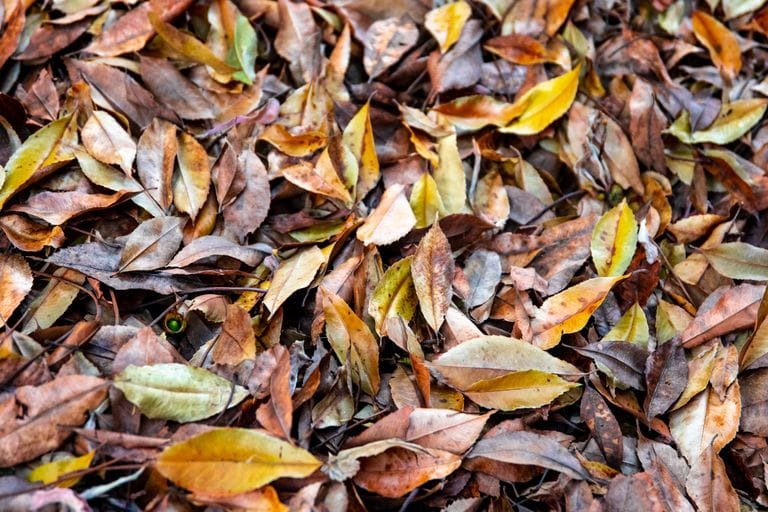
Think about a forest floor.
Leaves fall from trees every year.
Plants die back.
Branches drop.
Over time, all of that organic material breaks down and becomes rich, dark soil that feeds the next generation of plants.
Composting simply allows us to speed up and manage that natural process.
Instead of sending organic materials to a landfill, we create conditions that allow beneficial bacteria, fungi, insects, and other organisms to break those materials down into a nutrient-rich soil amendment.
The finished product is compost.
What Compost Is Not
One of the biggest misconceptions among beginners is that compost is the same thing as fertilizer.
The Golden Rule of Soil
▪ Fertilizers primarily feed the plant
▪ Compost primarily feeds the soil
Think of fertilizer as a vitamin supplement.
Compost is more like a balanced diet combined with regular exercise.
Both can have a place in gardening, but compost works from the ground up by improving the overall health of the soil ecosystem.
Healthy soil then helps support healthy plants.
Why Healthy Soil Matters
Most of us grow up thinking dirt is just dirt.
I know I did.
What many people don’t realize is that healthy soil is a living ecosystem filled with billions of microorganisms.
Bacteria, fungi, earthworms, and countless other organisms all play a role in breaking down organic matter and making nutrients available to plants.
Poor soil can be compacted, low in nutrients, unable to hold moisture, or lacking the biological activity plants depend on to thrive.
Adding compost helps improve many of these foundational issues and is often one of the best first steps toward building healthier soil.
How Compost Improves Different Types of Soil
In Clay Soil:
Compost helps separate tightly packed soil particles, creating tiny spaces that allow roots to access air and water more easily.
In Sandy Soil:
Compost acts like a sponge, helping the soil retain moisture and nutrients that might otherwise wash away too quickly.
No matter what type of soil you’re working with, compost can help improve its structure over time.
Benefits of Compost on the Homestead
Whether you’re growing tomatoes in a raised bed, maintaining a flower garden, or producing food for your family, compost offers several proven benefits.
Helps Soil Hold Moisture
Compost improves the soil’s ability to retain water.
This can reduce how often you need to irrigate and help plants tolerate short periods of dry weather.
For homesteaders trying to reduce water use, this can be a significant advantage.
Supports Beneficial Soil Life
Healthy soil depends on a thriving community of bacteria, fungi, earthworms, and other organisms.
Compost helps feed and support this microscopic workforce, encouraging the biological activity that contributes to long-term soil health.
Slowly Releases Nutrients
Unlike many synthetic fertilizers that provide nutrients quickly, compost releases nutrients gradually as it continues to break down.
This slower release can help support steady plant growth throughout the growing season.
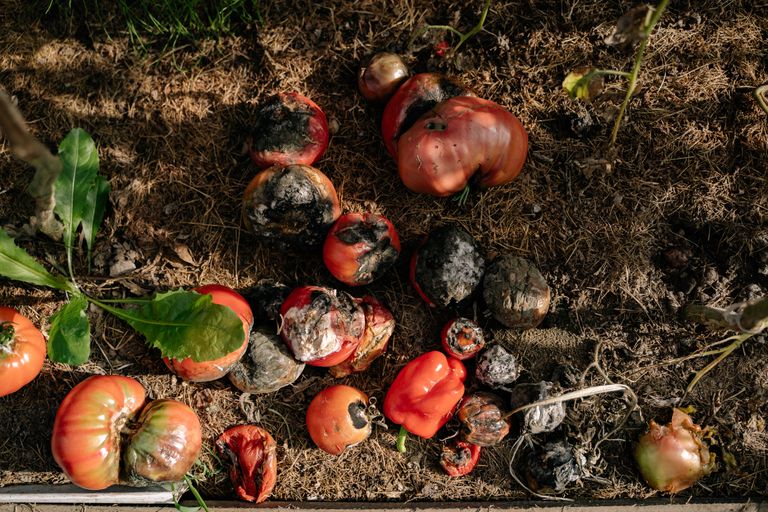
Reduces Waste
One of the most practical reasons to compost is simple:
it turns waste into a resource.
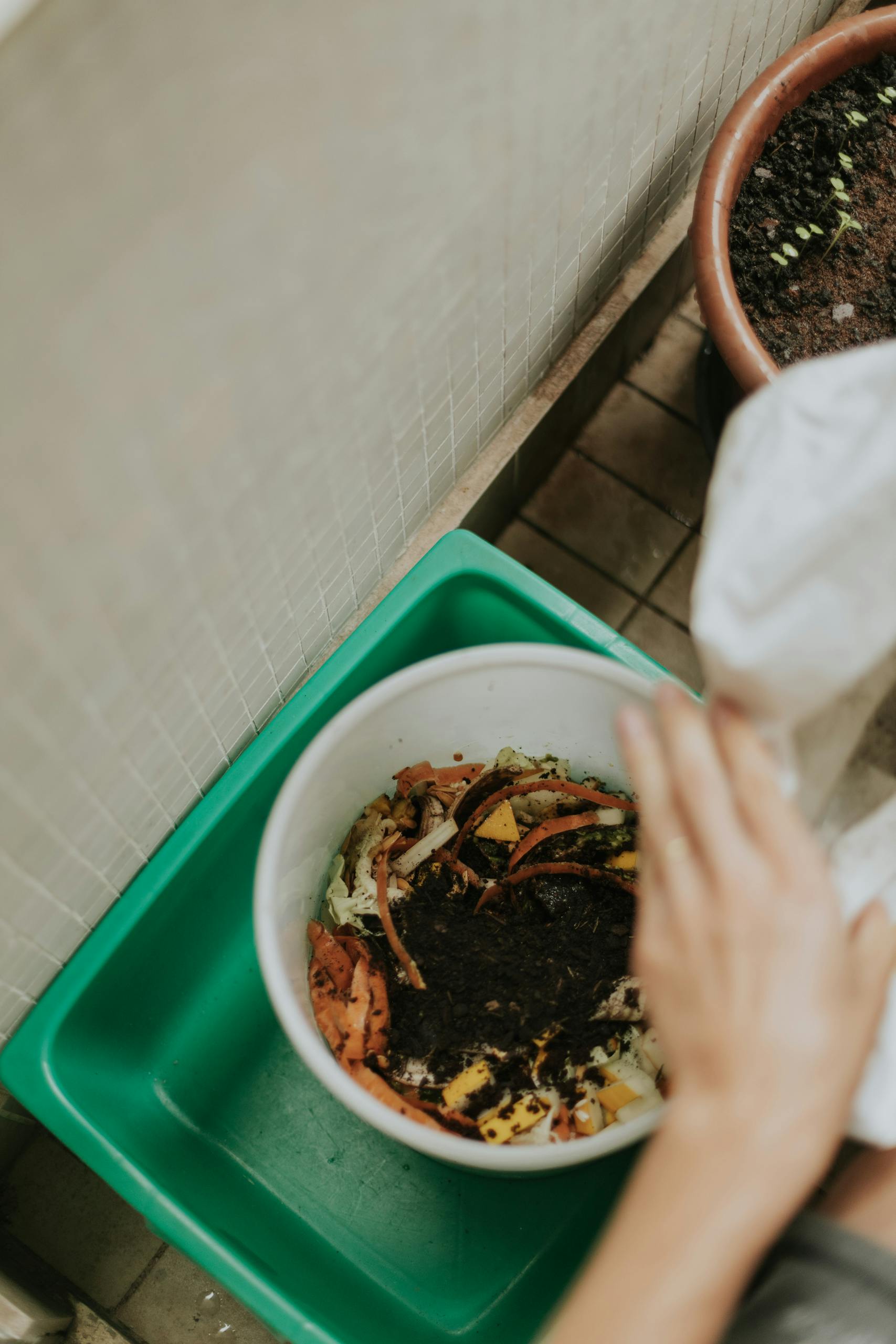
Instead of throwing away vegetable peels, coffee grounds, eggshells, leaves, and grass clippings, those materials can be transformed into something useful for your garden.
Supports Homestead Self-Sufficiency
For generations, homesteaders understood a simple truth:
very little on the property should go to waste.
Leaves became mulch.
Kitchen scraps fed livestock or compost piles.
Garden waste was returned to the soil.
Composting continues that tradition by turning materials that many people throw away into something that helps grow next year’s food.
It’s a practical skill that reduces waste, improves soil, and helps you make the most of the resources you already have.
What Can (and Can’t) Be Composted?
Getting started is easier than most beginners expect.
The key is understanding which materials belong in your compost pile and which ones are best left out.
What to Compost
- Fruit and vegetable scraps
- Coffee grounds and paper filters
- Crushed eggshells
- Fallen leaves
- Grass clippings
- Plant trimmings
- Shredded paper
- Plain cardboard
What to Avoid
- Meat, bones, and fish scraps (can attract pests)
- Dairy products (can create odors and attract pests)
- Cooking oils and grease (can interfere with airflow)
- Diseased plants (may spread plant diseases)
- Dog and cat waste (can contain harmful pathogens)
- Weeds that have gone to seed (can spread unwanted weeds throughout your garden)
When in doubt, remember this simple rule:
if it came from a plant and isn’t diseased, it can usually be composted.
Does Every Homestead Need Compost?
Technically, no.
Plants can grow without compost, and people have successfully grown crops using commercial fertilizers for many years.
However, compost remains one of the most affordable, sustainable, and effective ways to improve soil health over the long term.
For homesteaders focused on reducing waste, building healthier soil, and becoming more self-sufficient, compost is one of the most valuable tools available.
Join the Community
Want practical homesteading tips, beginner-friendly guides, and old-fashioned skills that still matter today? Join the Waste Not Want Not Community and get new articles, helpful resources, and homestead inspiration delivered straight to your inbox.
The Bottom Line
Compost isn’t magic.
It’s something even better:
nature’s recycling system at work.
By turning everyday organic materials into a valuable soil amendment, compost helps improve soil structure, support beneficial organisms, increase moisture retention, and create better growing conditions for plants.
If you’re just beginning your composting journey, don’t worry about creating the perfect pile on day one.
The most important thing to remember is that composting is simply helping nature do what it has always done:
turn yesterday’s waste into tomorrow’s growth.
And on a homestead, that’s a lesson worth learning.