7 Common Composting Mistakes Beginners Make (And How to Fix Them)
Composting mistakes happen to almost every beginner, but one of the biggest myths about composting is that it’s difficult.
In reality, composting is one of the most forgiving skills a homesteader can learn. Nature has been breaking down organic matter for millions of years without our help.
That said, a handful of common mistakes can slow the process, create unpleasant odors, attract pests, or leave you wondering why your compost pile seems stuck—especially during the heat of summer.
The good news? Every one of these problems has a simple, straightforward solution.
If your compost pile isn’t behaving the way you expected, chances are you’re making one of these seven beginner mistakes.
Quick Answer: Why Isn’t My Compost Working?
Most composting problems can be traced back to one of four issues:
- Too many greens (high nitrogen, leads to odors)
- Too many browns (high carbon, slows decomposition)
- Too much moisture (soggy, blocks air)
- Too little airflow (anaerobic, stagnant)
Fixing these basic imbalances solves the majority of composting problems without requiring expensive equipment, commercial starters, or specialized tools.
Quick Reference: Compost Troubleshooting Cheat Sheet
| Problem | Likely Cause | Quick Fix |
|---|---|---|
| Bad smell / Rotting odor | Too many greens, animal products, or excess moisture | Remove problem materials, add dry browns, and turn the pile |
| Slimy, matted texture | Excess nitrogen, heavy grass clippings, or lack of air | Mix in dry leaves or shredded cardboard; turn thoroughly |
| Dry and inactive | Lack of moisture or strong summer heat evaporation | Add water gradually, mix in fresh greens, and cap with browns |
| Slow or stalled decomposition | Too many browns, large materials, or lack of nitrogen | Add green scraps, chop materials smaller, and turn the pile |
| Pests or flies visiting pile | Exposed food scraps or prohibited materials | Use the “capping” method (cover scraps with a layer of browns) |
The Good News: We’ve All Done It
My first compost pile managed to suffer from several of these mistakes at the same time.
I dumped kitchen scraps into the pile every day, barely added any dry materials, and assumed nature would handle the rest. Within a few weeks, the pile was soggy, smelly, and attracting every curious creature in the neighborhood.
At the time, I thought composting was far more complicated than people claimed.
The truth was much simpler.
The pile didn’t need expensive additives or a fancy compost tumbler. It simply needed a better balance of browns, greens, moisture, and airflow. Most beginner composting problems are solved just as easily.
Mistake #1: Forgetting the Browns
This is by far the most common beginner mistake.
Many people toss fruit peels, vegetable scraps, coffee grounds, and grass clippings into their pile without adding enough carbon-rich materials to balance them out.
The Result
- Strong, unpleasant odors
- Slimy, wet textures
- Poor airflow and stalled decomposition
The Fix
For every bucket of kitchen scraps, add two to three loose buckets of brown materials such as:
- Dry leaves
- Shredded cardboard or newsprint
- Paper egg cartons
- Untreated sawdust
- Dry straw
A Quick Tip on Ratios: Remember that “2 to 3 buckets” refers to loose volume, not weight. Dry leaves and shredded cardboard are light and airy compared to dense, wet kitchen scraps!
Always finish off your pile addition by capping it with a generous layer of dry browns. This creates a physical barrier that keeps fruit flies, gnats, and summer pests away from fresh food scraps.
Mistake #2: Letting the Pile Become Too Dry
Some beginners assume compost should stay dry to avoid odors, while others are caught off guard by full summer sun and high temperatures that evaporate moisture in a single afternoon.
Microorganisms require moisture to survive and perform their work. Without it, the biological process grinds to a halt.
Signs Your Pile Is Too Dry
- Little or no decomposition happening
- Dry, dusty materials
- No noticeable internal heat
- Materials remaining unchanged for months
The Fix
Your compost should feel like a wrung-out sponge—damp to the touch, but not dripping when squeezed.
If the pile feels dry:
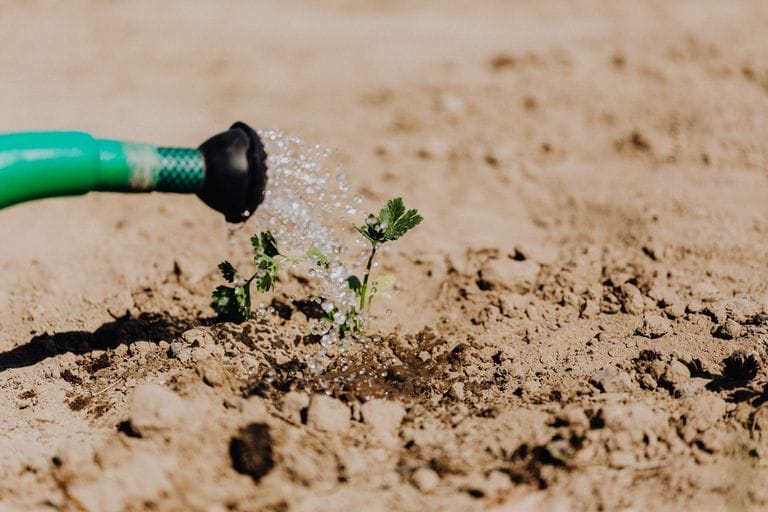
- Add water gradually with a hose while turning the pile.
- Mix in fresh, nitrogen-rich green materials.
- Keep the top layer covered with dry leaves or straw to shade the pile and lock in moisture during peak summer heat.
Mistake #3: Making the Pile Too Wet
The opposite problem is equally common during periods of heavy summer rain or when adding large quantities of high-moisture kitchen scraps.
When water fills all the air spaces inside the pile, oxygen is displaced, causing beneficial aerobic microbes to die off and anaerobic (odor-producing) bacteria to take over.
Signs Your Pile Is Too Wet
- Rotten, sour odors
- Slimy, matted material
- Standing water at the base of the pile
The Fix
Mix in absorbent, dry brown materials like shredded cardboard, dry leaves, or straw, then turn the pile thoroughly to restore airflow.
Watch Out for Summer Grass Clippings: Avoid dumping thick layers of fresh, wet lawn clippings directly onto the pile. Dense layers of fresh grass quickly mat together, block oxygen, and turn slimy overnight. Always scatter grass clippings thinly and mix them well with dry leaves or straw.
If heavy rainstorms are in the forecast, consider covering an open compost pile with a tarp or lid until the weather passes.
Mistake #4: Adding the Wrong Materials
Not everything organic belongs in a backyard compost pile. Some materials attract unwanted pests, create severe odors, or introduce harmful pathogens.
Avoid Adding
- Meat, Dairy, Cooking Oils, and Greasy Foods: These decompose very slowly in standard backyard setups, create foul odors, and attract raccoons, rodents, opossums, and stray animals.
- Dog and Cat Waste: Carnivore and omnivore waste can contain parasites and pathogens that survive standard backyard composting temperatures.
- Diseased Plants and Weeds Gone to Seed: Unless your pile consistently reaches high, sustained temperatures of 135°F to 160°F, seed heads and plant pathogens can survive and re-infect your garden later.
Homestead Tip: The Power of Herbivore Manure
While dog and cat waste should stay out of the compost pile, manure from healthy, plant-eating livestock—such as chickens, rabbits, goats, alpacas, sheep, and horses—is considered composting gold! Many homesteaders intentionally add aged manure to fuel microbial activity, speed up decomposition, and enrich the finished product. Crushed eggshells are another excellent addition that returns vital calcium to your garden soil.
Mistake #5: Leaving Materials Too Large
A whole pumpkin or intact melon rind will eventually compost, but it can take many months (or even years) to break down completely.
Large items have a low surface-area-to-volume ratio, making it difficult for microbes to colonize and break them down efficiently.
The Fix
Break down larger materials whenever you can:
- Shred cardboard, paper products, and egg cartons.
- Chop tough garden debris, stalks, and thick vine trimmings.
- Crush eggshells before tossing them in.
- Roughly chop large fruit and vegetable scraps into smaller chunks.
You don’t need perfection—just reducing the size slightly speeds up decomposition considerably.
Mistake #6: Expecting Finished Compost Too Quickly
Many beginners start composting with the expectation of rich, dark soil in just a few weeks, becoming discouraged when their pile still looks like raw kitchen scraps two months later.
Composting speed depends heavily on ambient temperature, moisture levels, particle size, carbon-to-nitrogen ratios, and how frequently the pile is turned.
The Fix
Adjust your expectations based on your method:
- Hot Composting: A carefully managed, frequently turned hot pile can produce finished compost in 2 to 3 months.
- Cold Composting: A simple “add-as-you-go” cold pile typically takes 6 months to a year (or longer) to fully mature.
Neither approach is wrong. Nature works on its own schedule, and both methods yield excellent finished compost for your soil.
Mistake #7: Obsessing Over Perfection
This may be the most important mistake of all.
Many beginners become overwhelmed by exact numerical carbon-to-nitrogen ratios, complex temperature charts, expensive compost thermometers, and conflicting advice online. They worry so much about making a mistake that they hesitate to start at all.
The Fix
Remember what compost really is: a controlled pile of organic matter that nature is already trying to break down.
As long as you:
- Maintain a loose mix of browns and greens,
- Keep the pile moderately damp, and
- Avoid problem materials,
…you’re already giving your compost pile most of what it needs to succeed. Composting is learned through practical observation and small tweaks over time, not rigid perfection.
Final Thoughts
Every experienced composter has made these exact mistakes—often several at once.
The difference is simply staying with it long enough to observe what the pile needs. Compost is remarkably forgiving, and almost any issue can be reversed with a quick turn, a splash of water, or a few extra handfuls of dry materials.
Start simple, pay attention to what your pile is telling you, and make small adjustments as you go. Before long, you’ll be turning household waste into rich, crumbly gold for your garden and homestead.
What’s Next?
Wondering when you’ll finally be able to harvest and use your compost?
Read Next: How Long Does Compost Take? Understanding the Composting Timeline →
In our next guide, we break down what affects decomposition speed, how long different methods take in practice, and the unmistakable signs that your compost is fully finished and safe to spread on your garden beds.
Join the Porch Sitters
A house becomes a home through the small things we choose to learn, make, repair, grow, and pass along. Those skills don’t disappear overnight, and they won’t return overnight either. They come back one season, once project, and one meal at a time.
That’s what the Porch Sitters are all about.
Each edition of The Front Porch brings practical homesteading skills, seasonal guidance, thoughtful encouragement, and new resources to help you build a more capable household. No clutter. No chasing every trend. Just timeless knowledge that still has a place in modern life.
If that sounds like the kind of home you’re building, we’d be glad to save you a seat.
Rediscover the skills that turn a house into a home.