Why Organic Matter Is the Foundation of Healthy Soil
Walk through a healthy forest, and you’ll notice something interesting.
No one is fertilizing the trees. No one is hauling away every fallen leaf or broken twig. Year after year, nature quietly returns organic material to the soil, where it slowly breaks down and becomes part of the next season’s growth. Healthy gardens work much the same way.
Many beginners spend their first gardening season focused entirely on what they can add to the soil—a bag of fertilizer, a bottle of plant food, or another product promising bigger harvests. While nutrients certainly matter, they’re only part of the story. The real foundation of healthy soil is organic matter.
Organic matter improves nearly every aspect of the soil beneath your feet. It helps sandy soil hold water, loosens heavy clay, feeds beneficial organisms, stores nutrients, and creates the porous structure plants need to develop strong, deep root systems. If healthy soil is the goal, organic matter isn’t just helpful—it’s essential.
What Is Organic Matter?
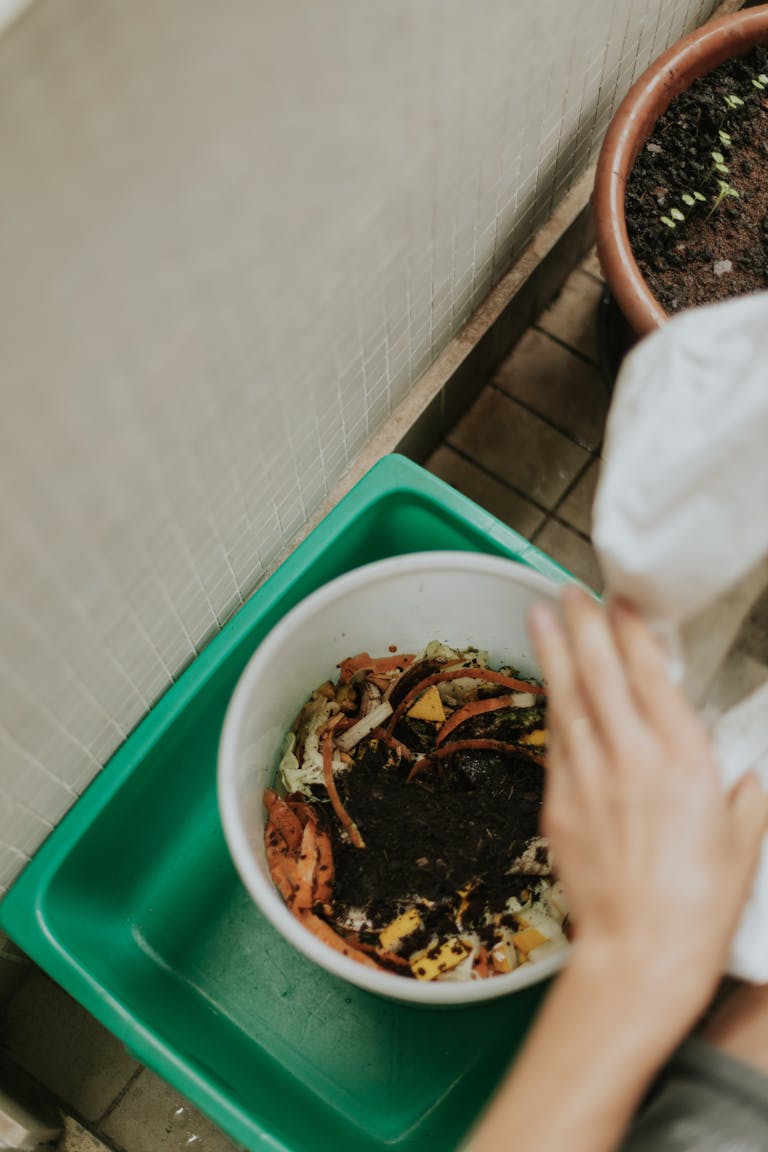
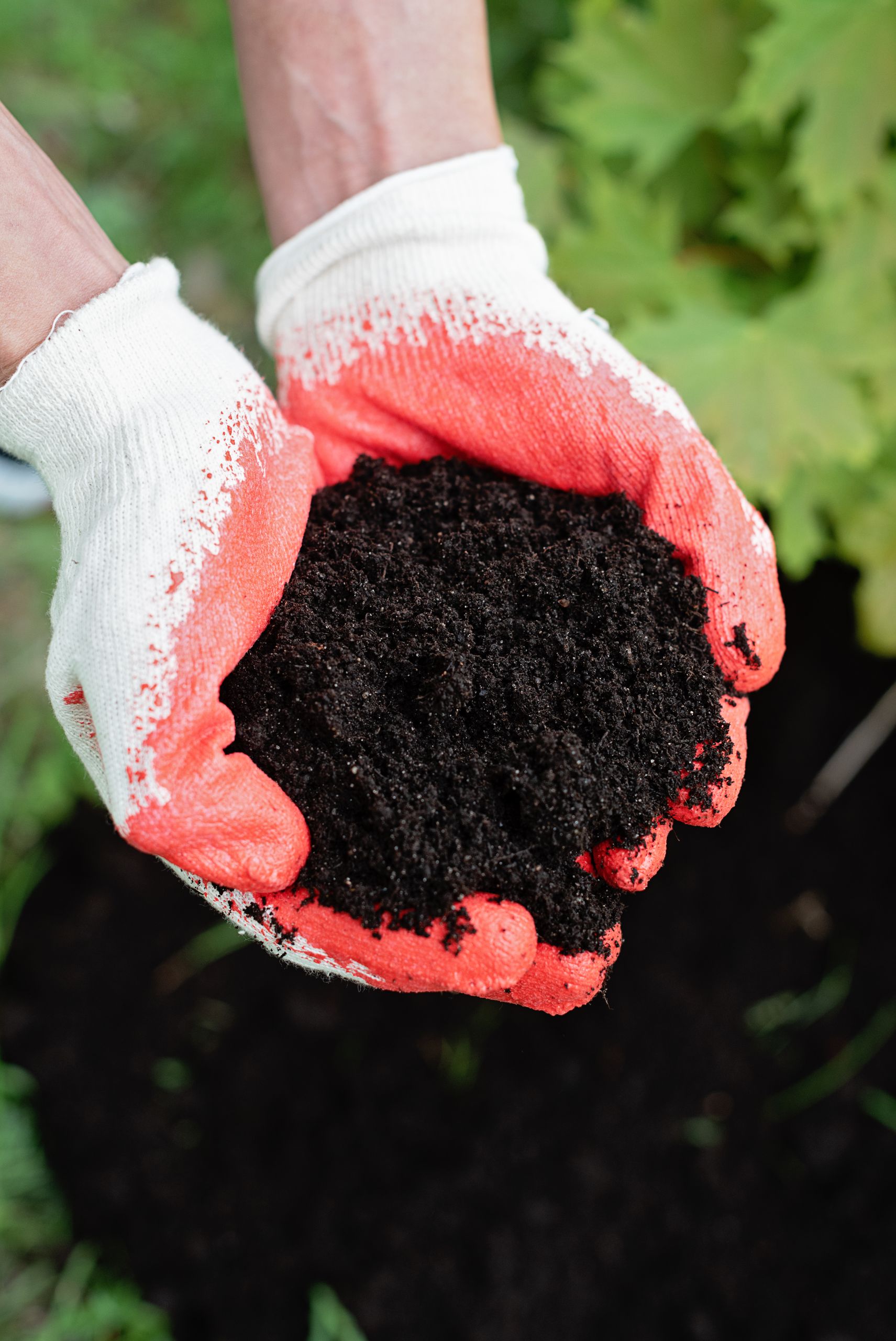
Organic matter is simply material that once came from living things and is now in various stages of decomposition. It includes everyday backyard materials like finished compost, fallen leaves, grass clippings, aged manure, straw, decaying roots, and cover crops.
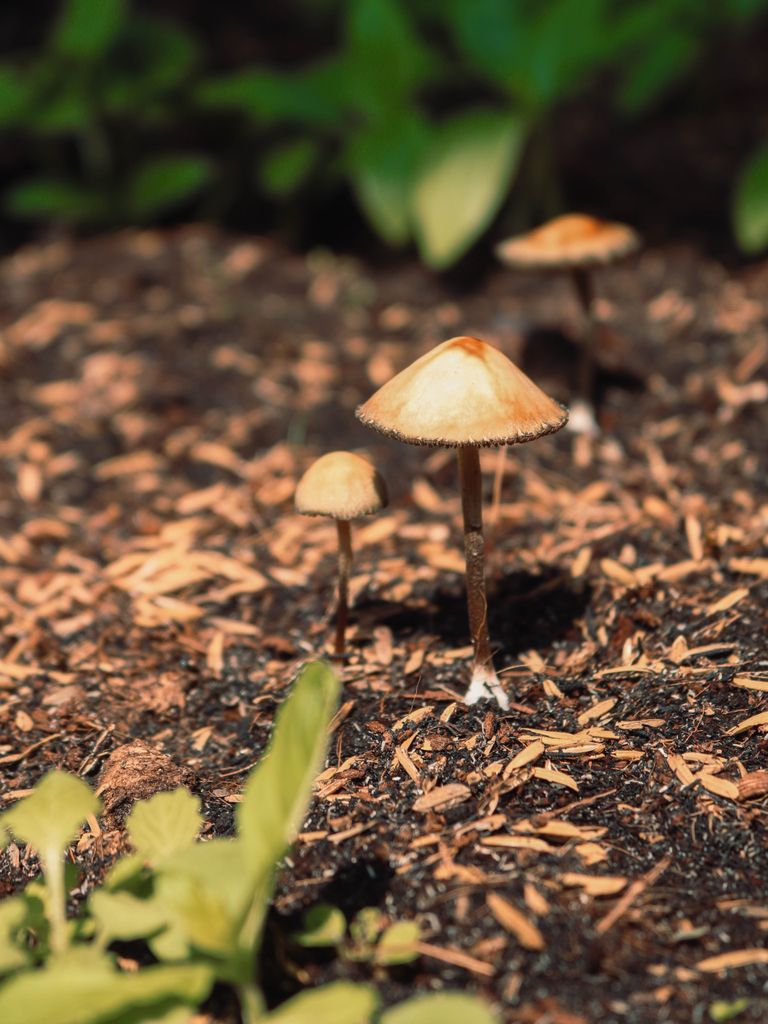
Over time, bacteria, fungi, earthworms, and insects break these materials down into smaller and smaller pieces. Eventually, much of it becomes a stable form of organic matter known as humus.
Humus isn’t a fertilizer. It’s something even more valuable: it becomes a permanent part of the soil itself, improving how that soil functions year after year.
There is an important distinction to make here: fertilizer feeds plants, but organic matter builds the soil that supports healthier plants for years to come.
Improving Soil Structure From the Inside Out
One of the biggest benefits of organic matter is something you can’t always see. It fundamentally changes the physical structure of the soil. Loose, crumbly soil allows water to soak in, air to circulate, and roots to grow freely. Compacted soil does the exact opposite—water runs off the surface, roots struggle to spread, and beneficial organisms find fewer places to live.
Organic matter acts almost like a natural conditioner:
- In sandy soil: It acts as a binding agent, holding loose particles together so water and nutrients don’t instantly wash away.
- In clay soil: It wedges itself between tightly packed particles, creating microscopic channels that improve drainage and reduce compaction.
Different soils have completely opposite problems, but organic matter improves both.
Feeding the Underground Workforce
Healthy soil isn’t just dirt; it’s one of the busiest ecosystems on Earth. In fact, a single teaspoon of healthy soil contains billions of microorganisms—far more living organisms than there are people on the planet.
These organisms perform jobs we could never replicate by hand. They break down dead plant material, recycle locked-up nutrients, build soil structure, and help create a healthier growing environment. Some even form symbiotic partnerships with plant roots, helping crops absorb water and nutrients more efficiently.
Organic matter provides both the food and the habitat for this massive underground workforce. Without it, soil biology slows dramatically, and the entire system becomes less productive. One of the quickest ways to build healthier soil is simply to feed the organisms already living there.
The Ultimate Water Sponge
Gardeners often think watering solves dry soil. Sometimes it does, but often the real problem is that the soil simply lacks the capacity to hold onto the moisture you give it.
Organic matter acts like a massive sponge. Research from the Natural Resources Conservation Service (NRCS) has shown that each 1% increase in soil organic matter can allow the top foot of soil to hold approximately 20,000 additional gallons of water per acre, though the exact amount varies depending on soil type.
By absorbing moisture during rainy periods and gradually releasing it back to plant roots as the ground dries, organic matter gives your garden:
- Less frequent watering
- Better drought resilience
- Reduced surface runoff and erosion
- More consistent soil moisture, helping prevent problems like fruit cracking and blossom end rot
During periods of extreme summer heat, gardens rich in organic matter routinely outlast and outperform soils that have been neglected. Good soil doesn’t eliminate drought, but it helps gardens weather difficult conditions far more successfully.
Storing Nutrients Naturally
Plants need nutrients like nitrogen, phosphorus, and potassium to grow, but nutrients alone aren’t enough. Without organic matter, many nutrients wash right past the root zone with heavy rain or irrigation before plants have a chance to use them.
Organic matter acts as a natural storage system. It holds onto many essential nutrients instead of allowing them to wash away, keeping them available in the root zone where plant roots can access them over time. This doesn’t eliminate the need for occasional soil testing or specific amendments, but it does make better use of the nutrients already present.
That’s stewardship in practice—using what you already have before reaching for a commercial bottle.
Building Soil Takes Time
One of the hardest lessons for new gardeners is that healthy soil isn’t created in a weekend. It’s built a little at a time.
Each season you top your beds with compost. Each fall you shred your leaves instead of bagging them for the curb. Each crop that returns its roots to the earth contributes to the next harvest.
None of those individual actions seem dramatic on their own, but together they completely transform a garden.
There’s a temptation today to believe every problem has a quick-fix product sitting on a store shelf. Gardening has a way of reminding us that some things simply can’t be rushed. Soil is one of them.
Simple Ways to Add Organic Matter
Fortunately, improving soil doesn’t have to be expensive. Some of the best sources of organic matter are already sitting in your yard or kitchen. You can build healthier soil by:
- Top-dressing beds with finished compost each spring and fall.
- Using shredded leaves or straw as a protective surface mulch.
- Leaving healthy plant roots in the ground to decay naturally after harvest.
- Growing cover crops like clover or peas during the off-season.
- Using untreated grass clippings as a free mulch layer.
A helpful tip: Fresh wood chips, sawdust, and other high-carbon materials make excellent mulch when left on the soil surface. Avoid mixing large amounts directly into garden beds before they’ve had time to decompose. As soil microbes break down fresh carbon, they temporarily use available nitrogen, leaving less for nearby plant roots. Keeping these materials on top as mulch allows them to protect the soil while they gradually break down naturally.
Notice that most of these materials would otherwise be thrown away. Nature doesn’t recognize “yard waste.” It recognizes future soil.
Join the Porch Sitter
A house becomes a home through the small things we choose to learn, make, repair, grow, and pass along. Those skills don’t disappear overnight, and they won’t return overnight either. They come back one season, one project, and one meal at a time.
That’s what the Porch Sitters are all about.
Each edition of The Front Porch brings practical homesteading skills, seasonal guidance, thoughtful encouragement, and new resources to help you build a more capable household. No unnecessary clutter. No chasing every trend. Just timeless knowledge that still has a place in modern life.
If that sounds like the kind of home you’re building, we’d be glad to save you a seat.
Rediscover the skills that turn a house into a home.
A Long-Term Investment
Every year you improve your soil, next year’s gardening becomes a little easier. Plants become more resilient against pests and disease, water lasts longer in the heat, weeds become easier to pull from loose, healthy soil, and harvests become more dependable.
None of that happens because organic matter is magical. It happens because healthy soil is finally functioning the way nature designed it to.
Long before you harvest your first tomato or pull your first carrot from the ground, the real work has already begun beneath the surface. That’s where wise gardeners spend their attention, because when you care for the soil first, the soil spends the rest of the season caring for your garden.