
Before You Throw It Away: 9 Questions to Determine Whether Something Still Has Value
One of the biggest challenges of living a more resourceful life isn’t learning how to save things. It’s learning how to evaluate them.
Most of us have experienced both extremes.
On one side is a throwaway culture that encourages us to replace things at the first sign of inconvenience.
On the other side is the temptation to keep absolutely everything “just in case.”
Neither approach reflects good stewardship.
At Waste Not Want Not Homestead, we believe stewardship isn’t about saving everything. It’s about recognizing value.
Sometimes stewardship means repairing an item.
Sometimes it means repurposing it.
Sometimes it means donating it.
And sometimes, stewardship means letting it go.
The challenge is knowing the difference.
The next time you’re standing over a trash can, donation box, or cluttered shelf trying to decide what to do with something, pause and walk through these nine questions first.
You may discover that the item still has value—or you may gain the confidence to release it without a shred of guilt.
The Quick Stewardship Check
Before throwing something away, ask yourself:
1. Function: Is it still serving its original purpose?
2. Resilience: Can it be repaired reasonably?
3. Creativity: Could it serve a different purpose?
4. Generosity: Could someone else use it?
5. Inventory: Do I already own duplicates?
6. Recency: Have I used it in the last year?
7. Honesty: Am I keeping it because it’s useful or because I feel guilty?
8. Season: Does it support the household I have today?
9. Clarity: If I didn’t already own it, would I acquire it again?
Coming Soon: The Stewardship Decision Worksheet
Print the worksheet, walk through these nine questions, and quickly determine whether an item should be kept, improved, repurposed, donated, sold, recycled, or released.
Let’s look at each question more closely.
Is It Still Serving Its Original Purpose?
Start with the simplest question.
Is the item still doing the job it was intended to do?
A chair that still provides comfortable seating, a shovel that still digs effectively, or a glass jar that still seals properly doesn’t need to look brand new to be valuable.
Sometimes we discard items simply because they show signs of age.
Previous generations often viewed wear differently.
A scratched table still held family meals.
A faded tool still performed useful work.
A patched jacket still kept someone warm.
The question isn’t:
“Does it look new?”
The question is:
“Does it still safely perform the work?”
Can It Be Repaired Reasonably?
Not every broken item deserves to be saved.
But many do.
Before tossing something into the trash, ask:
• Is the repair straightforward?
• Are replacement parts affordable?
• Will the repair significantly extend its useful life?
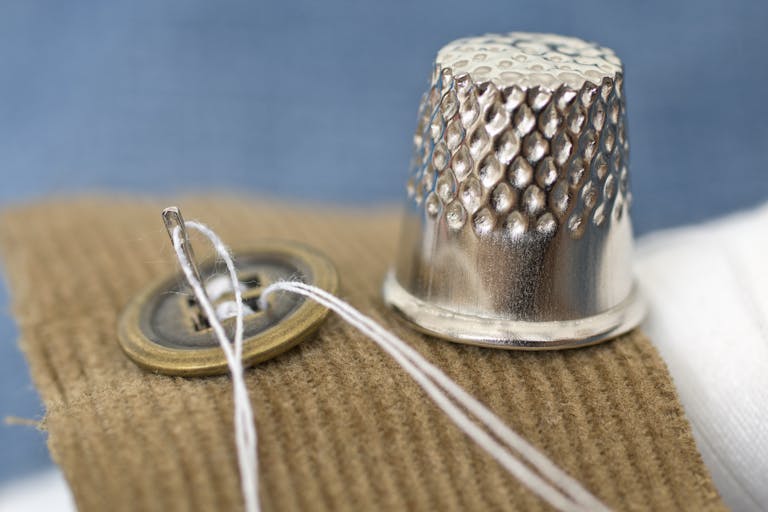
A missing button.
A loose wooden handle.
A dull blade.
A cracked rubber seal.
These are often simple fixes.
Many items reach the landfill not because they’re beyond repair, but because repair has become an unfamiliar habit.
Stewardship encourages us to explore repair before replacement.
Could It Serve a Different Purpose?
One hallmark of a resourceful household is the ability to see possibilities.
A glass jar may no longer be needed in the pantry but could organize hardware in the workshop.
A worn bath towel may no longer belong in the linen closet but could become a shop rag.
A cracked bucket may no longer hold water but could organize tools or collect weeds.
This doesn’t mean inventing unrealistic uses for every item.
It simply means asking whether its useful life is truly over—or whether it simply needs a different job.
Could Someone Else Use It?
An item that no longer serves your household may still provide tremendous value to someone else.
Before discarding a functional item, consider:
• Local donation centers
• Thrift ministries
• Community swap groups
• Friends and family
• Neighborhood “Buy Nothing” groups
Stewardship isn’t limited to our own homes.
Sometimes the most responsible choice is putting a useful item back into circulation.
Do I Already Own Duplicates?
This question is one of the fastest ways to uncover hidden clutter.
Most households contain duplicates of:
• Tape measures
• Flashlights
• Kitchen gadgets
• Storage containers
• Hand tools
Backups can be useful.
When duplicates sit unused year after year, they stop serving the household and begin consuming valuable space instead.
Stewardship requires periodic inventory checks.
Have I Used It in the Last Year?
This isn’t a strict rule.
It’s a conversation starter.
Some items naturally go unused for long periods:
• Holiday decorations
• Emergency supplies
• Seasonal equipment
• Specialty tools
But many other items quietly occupy shelves, closets, and storage bins without contributing anything to the household.
If you haven’t used an item in over a year and can’t identify a clear future purpose for it, ownership may have become an illusion of value.
That doesn’t automatically mean it needs to go.
It does mean the item deserves a more honest evaluation.
Am I Keeping It Because It’s Useful or Because I Feel Guilty?
This is often the most uncomfortable question on the list.
We frequently keep things because:
• They were expensive.
• They were gifts.
• We feel wasteful getting rid of them.
• We think we should use them someday.
But guilt is not a storage system.
Keeping an item that serves no purpose doesn’t recover the money spent on it.
It simply requires you to continue paying for it with storage space, cleaning time, and mental energy.
Stewardship is rooted in usefulness—not obligation.
Does It Support the Household I Have Today?
Many people hold onto items that supported a previous season of life.
A hobby they no longer pursue.
A project they’ve abandoned.
A lifestyle they’ve outgrown.
There’s nothing wrong with changing seasons.
The question is whether the item supports the household you are actively building today.
Not the household you had five years ago.
Not the household you might have someday.
The household you are living in right now.
If I Didn’t Already Own It, Would I Acquire It Again?
This is often the deciding question.
Imagine the item disappeared tomorrow.
Would you spend time, money, or effort replacing it?
If the answer is yes, it probably still holds value.
If the answer is no, that tells you something important.
Sometimes ownership itself creates an illusion of value.
This question helps strip that illusion away.
Cutting Through the Clutter Confusion
The Hidden Emotional Trap | The Stewardship Truth | The Direct Action
“But I paid good money for this years ago.” | Keeping it won’t recover the money already spent. | Release it. Let the sunk cost go.
“I might need this someday.” | Future usefulness requires a realistic purpose, not vague possibility. | Repurpose or Release. Identify a clear use within the next week or let it go.
“It was a gift.” | The value of a gift is found in the love behind it, not permanent storage. | Donate it. Allow it to serve someone who can use it.
Stewardship Is Not the Same Thing as Saving Everything
One of the biggest misconceptions about low-waste living is that you must keep everything.
You don’t.
In fact, unmanaged clutter quickly becomes its own form of waste.
Items that consume space, attention, cleaning time, and organization without providing value create friction within a household.
Good stewardship asks:
“Does this item still have value?”
It does not ask:
“Can I invent any possible reason to keep this?”
Those are two very different mindsets.
The goal is not accumulation.
The goal is wise management of resources.
The Three Possible Outcomes
After working through the nine questions, most items will fall into one of three categories.
Keep It
The item is functional, useful, and actively serves the household.
Improve It
The item still has value but needs maintenance, repair, cleaning, or repurposing.
Release It
The item no longer serves your household and should be donated, sold, recycled, or responsibly discarded.
Not every item deserves saving.
Not every item deserves replacing.
Most simply deserve an honest evaluation.
The Hidden Benefit of Letting Go
When we intentionally release things that no longer serve us, we create room for the things that do.
Room in our closets.
Room in our schedules.
Room in our budgets.
Room in our attention.
Stewardship isn’t measured by how much stuff we can fit under our roofs.
It’s measured by how wisely we manage what we’ve been given.
Sometimes the most responsible choice is preserving a resource.
Sometimes it’s passing it along.
And sometimes it’s recognizing that its useful life has naturally come to an end.
The wisdom lies in knowing the difference.
Join the Community
Want practical homesteading tips, beginner-friendly guides, and old-fashioned skills that still matter today? Join the Waste Not Want Not Community and get new articles, helpful resources, and homestead inspiration delivered straight to your inbox.
Where to Go Next
If you’re working to build a more resourceful, intentional household, continue the journey with these guides:
Understanding Stewardship
• Why Our Grandparents Wasted So Little
• The Stewardship Test: 7 Questions to Ask Before Buying Anything
Applying Stewardship at Home
• The Waste Not, Want Not Home Audit
• The 10 Things Our Grandparents Never Threw Away (And Why They Were Right)
Making the Most of What You Have
• Old-Fashioned Skills Every Modern Homemaker Should Know
• The Lost Art of Maintaining What You Own
Because stewardship isn’t about holding onto everything.
It’s about recognizing value—and acting accordingly.