Why Our Grandparents Wasted So Little
There was a time when throwing something away wasn’t the first option—it was the last.
Previous generations lived with a simple understanding: if you had something that still worked, you used it.
If it broke, you repaired it.
If it could serve another purpose, you found one.
Not because it was trendy or environmentally conscious, but because resources were valuable, money was hard-earned, and waste was something most families simply couldn’t afford.
Necessity taught people to stretch what they had as far as possible:
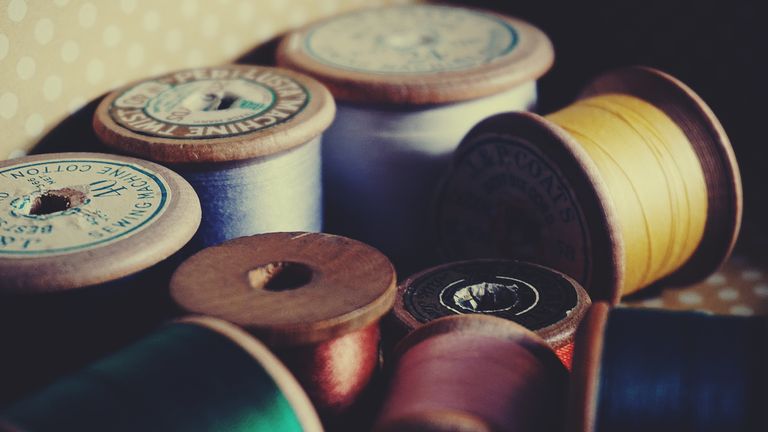
• A worn shirt became cleaning rags
• Glass jars became storage containers
• Scraps from the kitchen became soup stock, animal feed, or compost
• Furniture was repaired instead of replaced
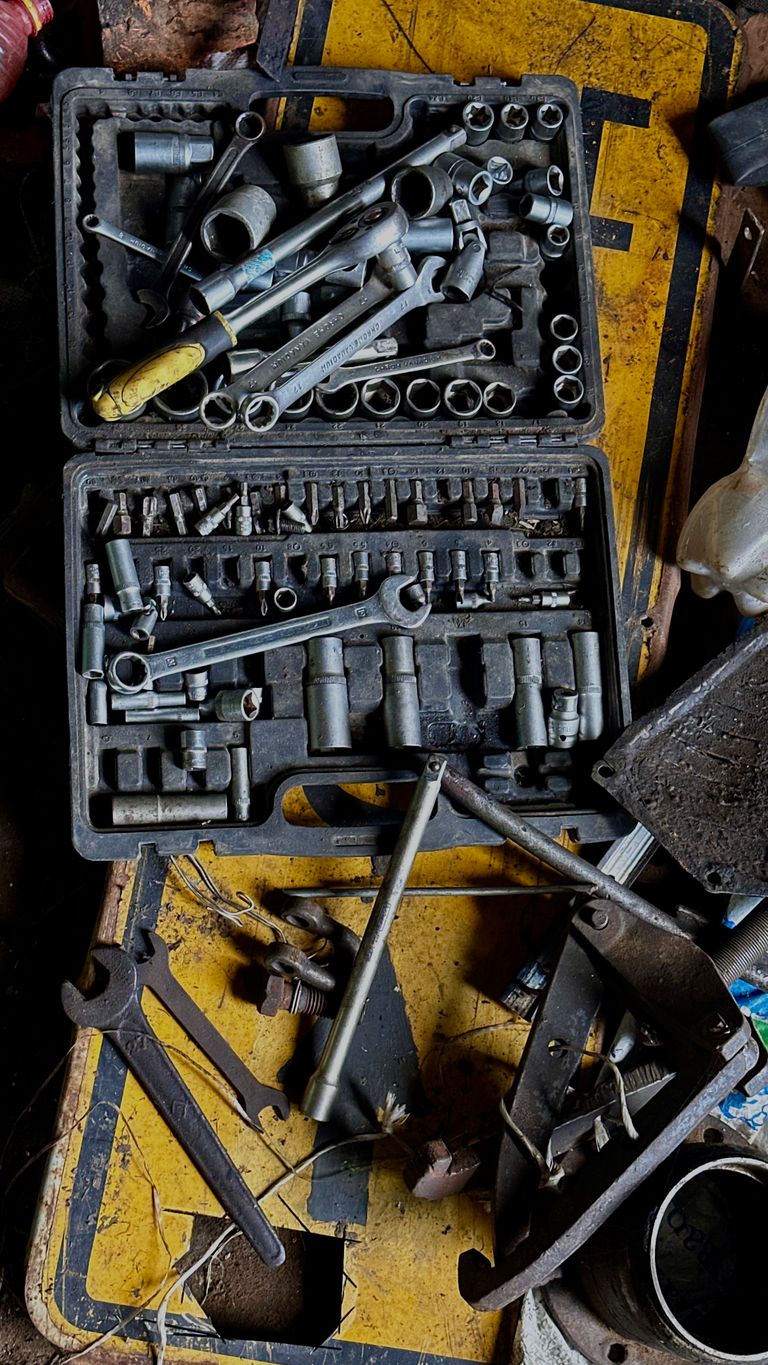
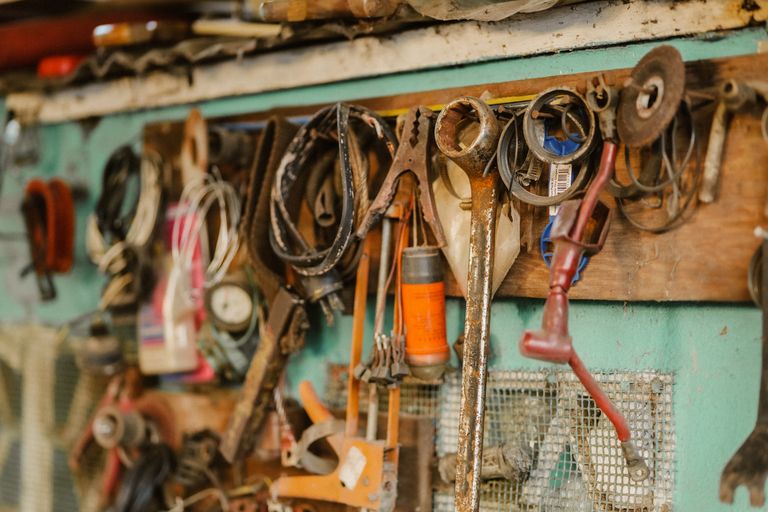
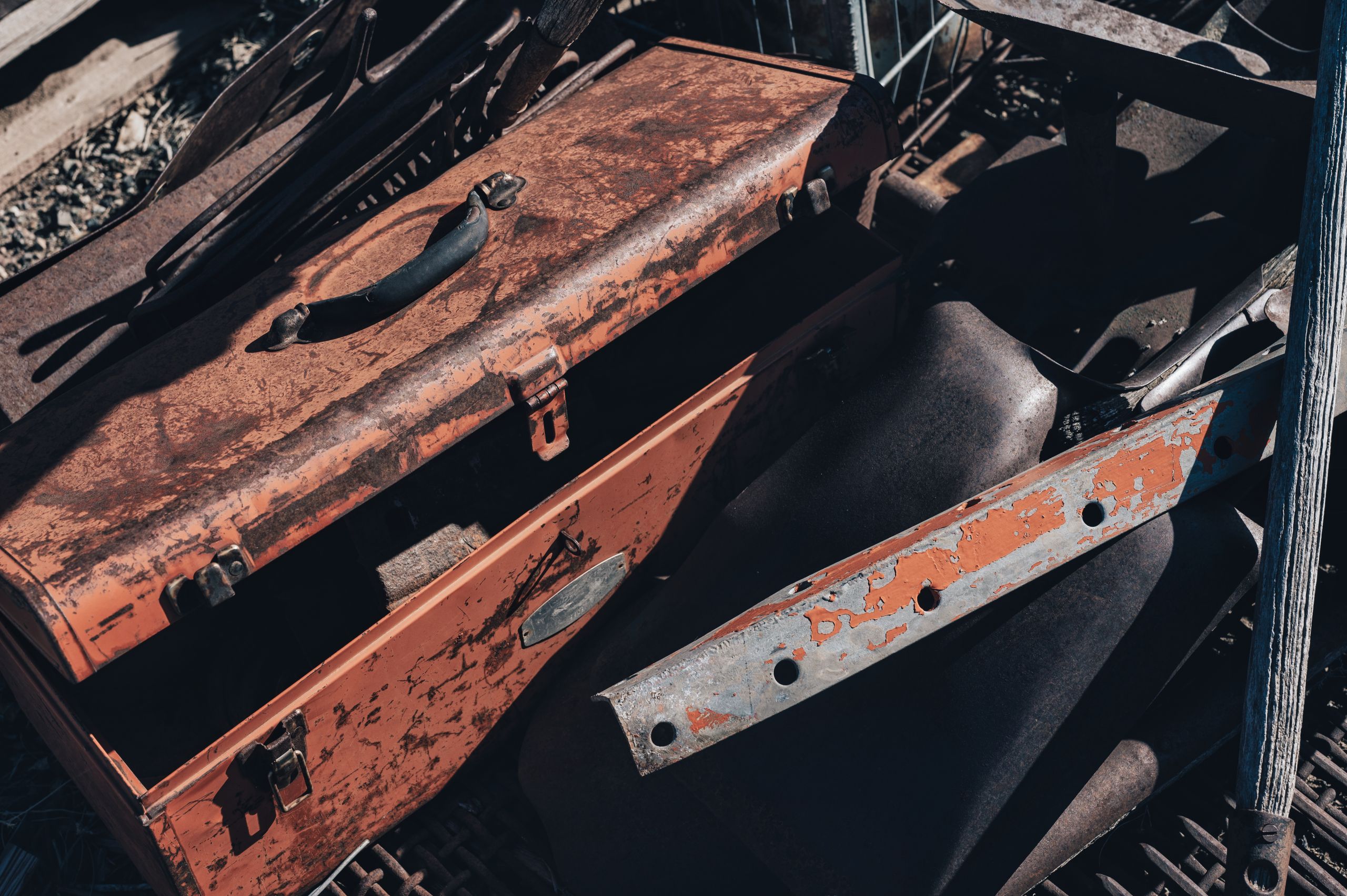
• Tools were maintained carefully because buying a new one wasn’t always an option.
These habits weren’t born from abundance. They were born from necessity, resourcefulness, and a deep appreciation for the value of what was already on hand.
Why These Lessons Matter Today
Our grandparents weren’t trying to live sustainably. They were simply trying to make the most of what they had.
Yet many of the habits they practiced every day are exactly the skills many of us are rediscovering today. In a world of rising costs, disposable products, and constant pressure to buy more, those old-fashioned habits offer something powerful: resilience.
Repair Instead of Replace
When you learn to repair instead of replace, you become less dependent on the next purchase. When you learn to use every part of a resource, you save money while reducing waste. When you learn to care for what you own, you begin building a household that is more self-reliant, more intentional, and less vulnerable to economic uncertainty.
Building Confidence Through Practical Skills
The wisdom of previous generations wasn’t about living without. It was about making the most of what they had.
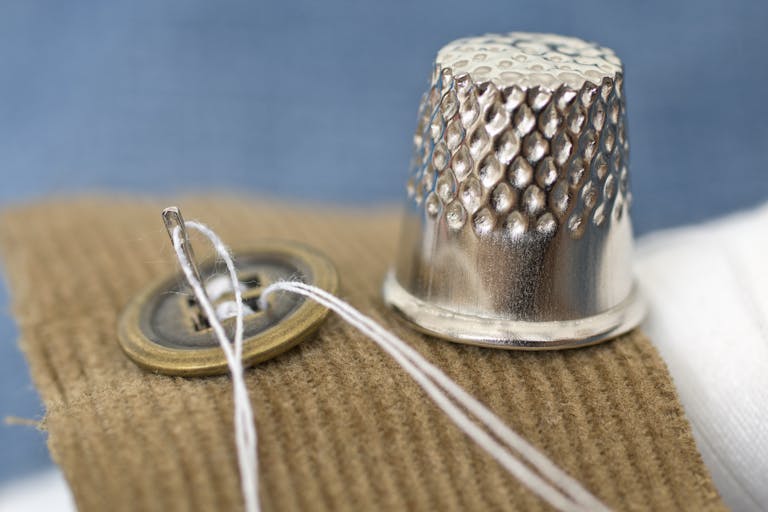
For many families, these skills were once considered ordinary. Today, they are becoming valuable again. The ability to mend clothing, maintain tools, preserve food, and avoid unnecessary purchases doesn’t just save money—it creates confidence.
It reminds us that we are capable of solving problems with our own hands and making the most of what we already have.
Shifting Our Mindset
The Value of What Already Works
I grew up with a similar mindset. We took care of our belongings because there was no reason to replace something that still did its job.
A chair didn’t need to be fashionable to be useful.
A vehicle didn’t need the latest features if it got you where you needed to go.
A tool that worked was worth maintaining.
When Convenience Replaced Durability
Somewhere along the way, many of us were taught a different lesson.
Convenience became more important than durability. Repair was replaced by replacement. New became better simply because it was new.
Rediscovering an Older Wisdom
But the good news is that the old mindset hasn’t disappeared.
In fact, more people are rediscovering that living well doesn’t require constant upgrades. It requires learning to recognize the value of what we already have.
The goal isn’t to live exactly as our grandparents did. The goal is to reclaim the wisdom that helped them thrive and adapt it to modern life.
Start Exactly Where You Are Today
Homesteading Begins with Mindset
One of the biggest misconceptions about homesteading is that it begins with land.
It doesn’t.
Long before there is a garden, a flock of chickens, or a pantry full of home-canned food, there is a mindset. The habit of using resources wisely. The willingness to learn new skills. The desire to waste less and appreciate more.
You don’t need acreage, livestock, or a fully self-sufficient homestead to begin. You can start exactly where you are today.Whether you live in a farmhouse, a suburban neighborhood, an apartment, or an RV, the principles are the same: use what you have, care for what you own, and learn the skills that make your household stronger and more self-reliant.
5 Small Ways to Begin Today
1. Before buying something new, ask yourself if what you already have can do the job.
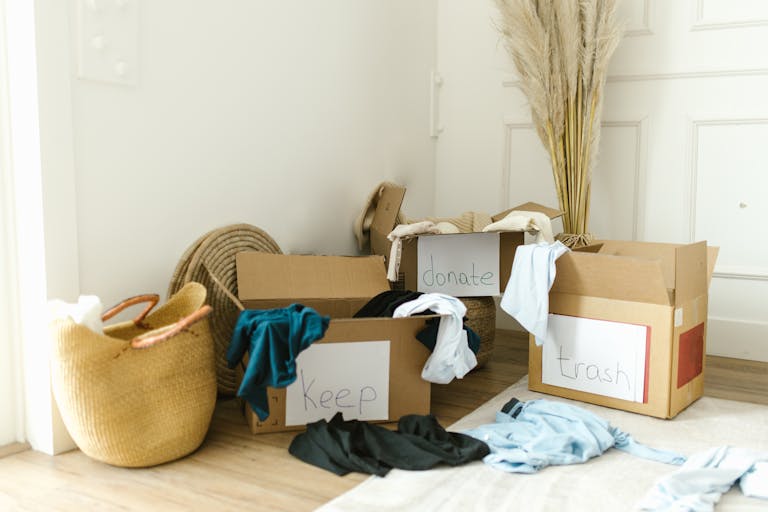
2. Before throwing something away, consider whether it can be repaired, repurposed, donated, or used a little longer.
3. Choose usefulness over novelty whenever possible.
4. Learn basic maintenance skills that help your belongings last longer.
5. Look for ways to use resources completely before replacing them.
Every small choice builds the habits that previous generations practiced every day.
This isn’t about deprivation. It’s about stewardship.
When we care for our belongings, we save money. When we repair instead of replace, we build skills. When we use resources thoughtfully, we develop gratitude for what we have.
The zero-waste homesteading mindset isn’t about perfection. It isn’t about fitting everything you own into a mason jar or never producing trash again. It’s about learning to see value where others see something disposable.
Every jar reused.
Every item repaired.
Every purchase avoided.
Every resource used wisely.
Those small decisions add up over time.
Join the Community
Want practical homesteading tips, beginner-friendly guides, and old-fashioned skills that still matter today? Join the Wate Not Want Not Community and get new articles, helpful resources, and homestead inspiration delivered straight to your inbox.
A Skill Worth Preserving
Every generation leaves something behind.
Our grandparents left lessons in resourcefulness, resilience, and gratitude. They understood that a well-run household wasn’t built on having more—it was built on using what you had wisely.
Those lessons are worth preserving.
Not because we are trying to live in the past, but because they can help us build a stronger future.
What You’ll Find in This Category
Here in the Zero-Waste Homesteading Tips category, you’ll find practical ideas, old-fashioned skills, and modern strategies for reducing waste, saving money, extending the life of everyday items, and making the most of the resources already in your home.
You’ll discover ways to reuse common household items, reduce food waste, maintain tools and equipment, repair instead of replace, and develop the kind of practical self-reliance that has served families for generations.
Because homesteading isn’t just about producing more.
It’s also about wasting less.
And the best part?
You don’t have to wait until someday.
You can start right where you are, with what you already have.