The Waste Not, Want Not Home Audit: How to Find Hidden Resources Under Your Own Roof
Most households lose money every single day.
Not through major financial mistakes.
Not through catastrophic emergencies.
But through tiny, nearly invisible leaks of wasted resources.
A forgotten container of leftovers in the refrigerator.
A duplicate tool purchased because the original couldn’t be found.
A worn shirt that could have been repaired.
A garden hose with a slow drip.
A pantry full of ingredients that never get used.
These small losses rarely seem important in the moment.
But over time, they add up.
That’s why one of the most powerful exercises in stewardship isn’t buying something new.
It’s taking inventory of what you already have
This Isn’t a Waste Audit—It’s a Resource Hunt
When most people hear the word “audit,” they imagine spreadsheets, budgets, and uncomfortable discoveries.
That’s not what this is.
The Waste Not, Want Not Home Audit is a treasure hunt.
It’s an intentional walk through your home to uncover hidden resources, eliminate small sources of waste, and rediscover the value that’s already sitting on your shelves, in your closets, and inside your workshop.
The goal isn’t guilt.
The goal is awareness.
Because stewardship begins when we stop asking:
“What do I need to buy?”
and start asking:
Set aside a few hours this weekend, grab a notebook, and walk through your home one zone at a time.
You may be surprised by what you find.
Zone 1: Food & Kitchen Resources
For most households, the kitchen is where resources are gained or lost every single day.
This is where stewardship often produces the fastest results.
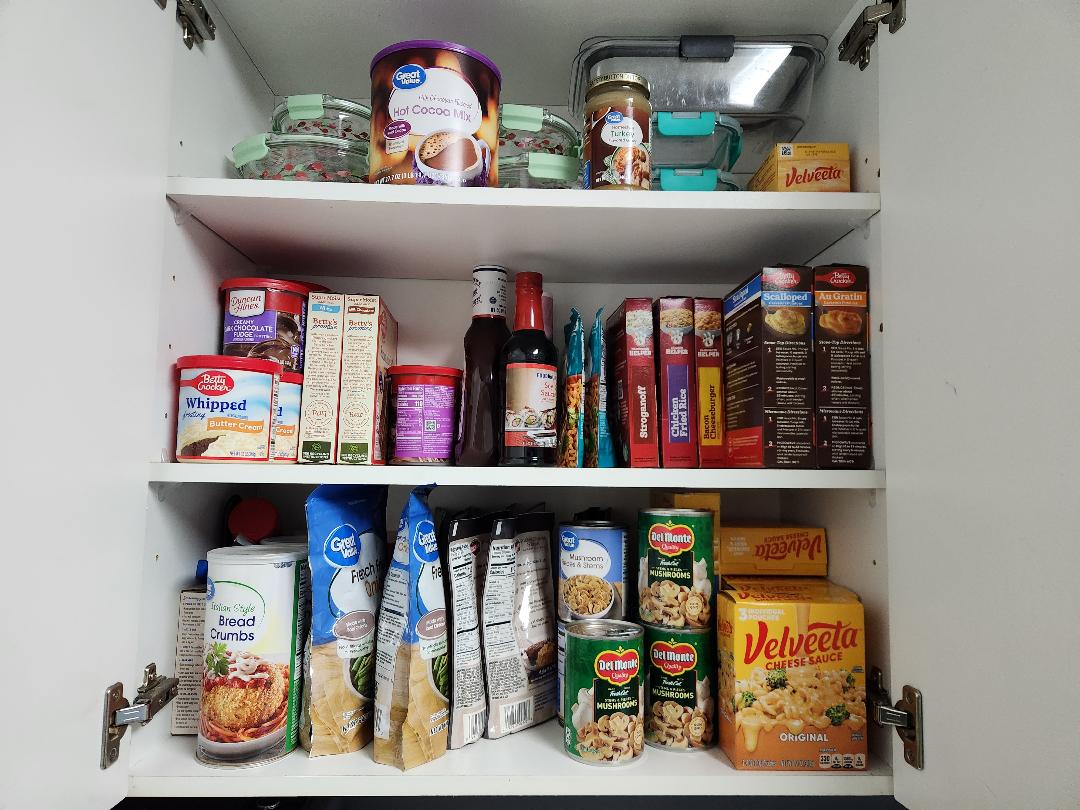
The Pantry Deep Dive
Open every cabinet, shelf, and storage container.
Look for:
• Ingredients nearing expiration dates
• Duplicate purchases
• Forgotten specialty ingredients
• Half-used baking supplies
• Bulk items you forgot you owned
As you work, create a list of foods that should be used soon.
Then challenge yourself to build next week’s meals around those ingredients before buying more.
Stewardship Question
What food do I already own that can become this week’s meal plan?
The Refrigerator Checkup
The refrigerator is often where good intentions go to die.
Look for:
• Forgotten leftovers
• Produce that needs attention
• Condiments nearing expiration
• Duplicate products
Create an “Eat Me First” zone at eye level.
Anything that should be consumed soon goes there.
This simple habit can dramatically reduce food waste.
The Disposable Product Review
Identify items you purchase repeatedly because they get thrown away after one use.
Examples include:
• Paper towels
• Plastic wrap
• Disposable food containers
• Single-use cleaning products
You don’t need to replace everything overnight.
Simply identify the top one or two items that could eventually be replaced with reusable alternatives.
Remember:
Stewardship happens through small, consistent improvements.
Not overnight perfection.
Zone 2: Household Resources
Many valuable household resources aren’t being wasted.
They’re simply being forgotten.
The Clothing & Linen Assessment
Open closets, dressers, and linen storage areas.
Look for:
• Clothing that needs minor repairs
• Items that no longer fit your lifestyle
• Duplicate purchases
• Linens that could serve another purpose
Ask yourself:
• Does this item still serve my household?
• Can it be repaired?
• Is it simply taking up space?
This isn’t about owning less.
It’s about understanding what you own.
The Duplicate Purchase Check
One of the most expensive forms of waste isn’t throwing things away.
It’s buying the same thing twice.
Look for duplicates such as:
• Flashlights
• Tape measures
• Batteries
• Cleaning supplies
• Extension cords
• Garden gloves
• Storage containers
Many households spend money replacing items they already own but can’t locate.
Creating simple organizational systems often saves more money than clipping coupons.
The Cleaning Supply Inventory
Gather all cleaning products into one location.
You may discover:
• Multiple bottles of the same cleaner
• Nearly empty containers
• Products you forgot you purchased
Stewardship starts with knowing what resources are already available.
Zone 3: Tools & Equipment
This is where many homesteaders unknowingly tie up money in neglected assets.
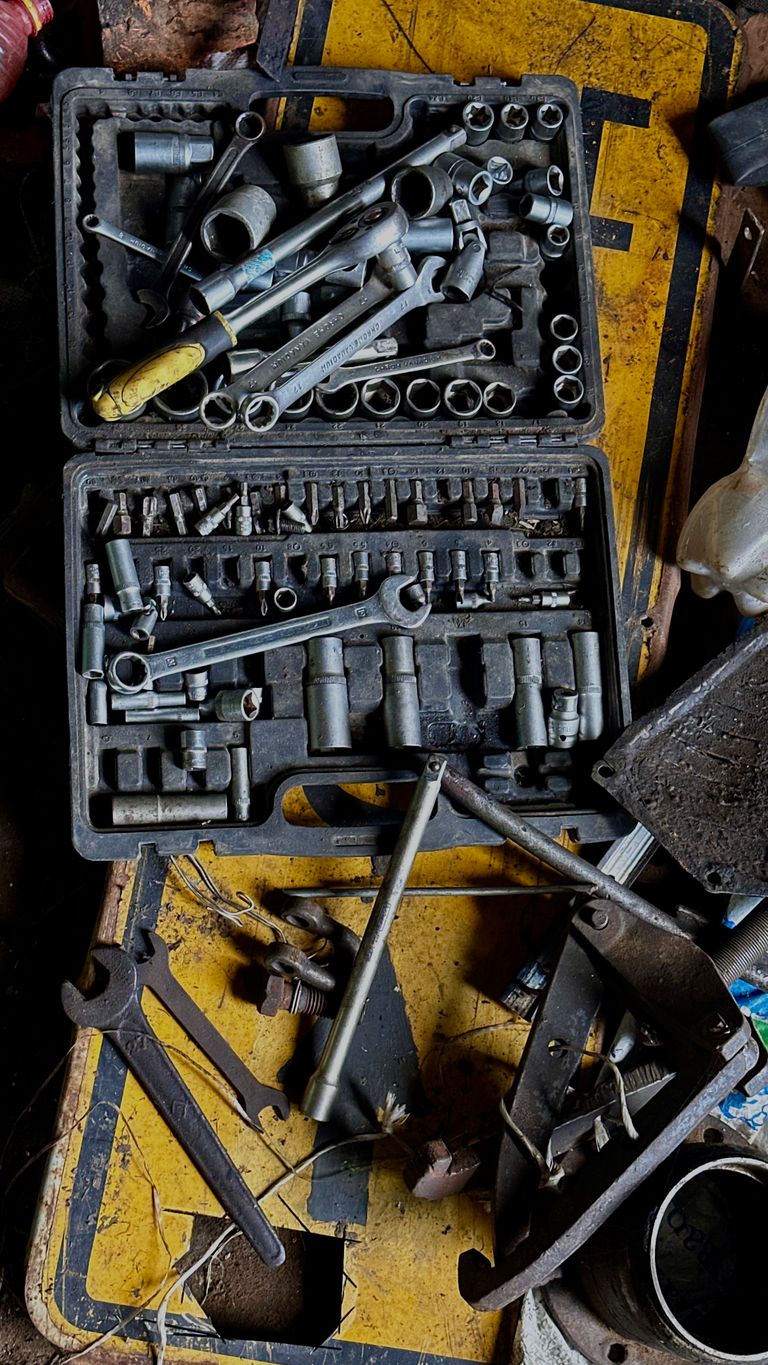
The Hidden Tool Inventory
Gather tools from:
• The garage
• The workshop
• Utility closets
• Vehicle tool kits
Sort them into categories.
Many people discover they own more tools than they realized—and sometimes several copies of the same item.
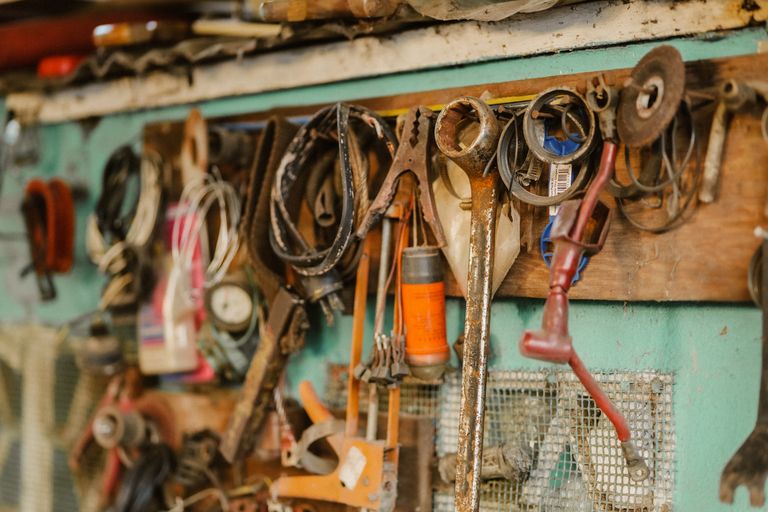
The Maintenance Status Check
A tool that isn’t maintained eventually becomes an unnecessary replacement purchase.
Inspect:
• Blades
• Handles
• Moving parts
• Rust-prone surfaces
Ask:
• What needs sharpening?
• What needs oil?
• What needs cleaning?
• What needs a minor repair?
Stewardship means preserving the value of what you already own.
The Scrap Material Assessment
Evaluate your:
• Lumber scraps
• Hardware collections
• Buckets
• Containers
• Spare building materials
The goal isn’t saving everything.
The goal is maintaining a manageable supply of useful materials.
Useful inventory is an asset.
Random piles are clutter.
Zone 4: Outdoor Resources
Whether you live on acreage, in a suburban neighborhood, or in an RV park, outdoor spaces contain valuable resources.
The Water Loss Walk
Take a slow walk around your property.
Look for:
• Dripping hose connections
• Leaking spigots
• Areas where irrigation is overspraying
• Poorly directed runoff
You aren’t trying to redesign your property today.
You’re simply identifying places where resources are leaving unnecessarily.
The Organic Matter Assessment
Many households routinely throw away valuable organic material.
Look for:
• Leaves
• Grass clippings
• Small branches
• Garden debris
The goal isn’t to build a composting system immediately.
The goal is recognizing these materials as resources rather than waste.
The Infrastructure Observation
Walk your:
• Fence lines
• Gates
• Raised beds
• Garden structures
• Outdoor storage areas
Look for:
• Loose fasteners
• Small repairs
• Developing problems
Tiny maintenance issues are often inexpensive.
Neglected maintenance becomes expensive.
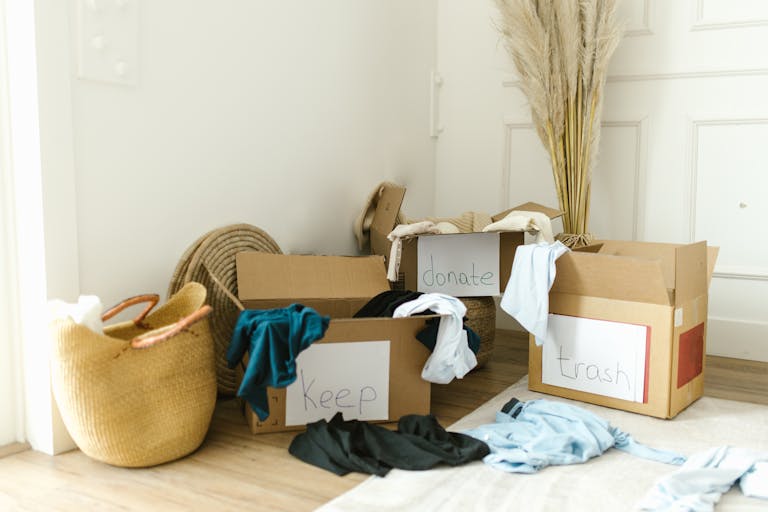
The Three-Pile Method
As you move through your audit, create three simple lists.
Keep Using
Resources that are already serving their purpose well.
Examples:
• Frequently used tools
• Functional storage systems
• Useful pantry staples
Repair or Improve
Resources that still have value but need attention.
Examples:
• Clothing needing mending
• Tools needing maintenance
• Minor household repairs
Release
Items that no longer serve the household.
Examples:
• Broken items beyond repair
• Excess duplicates
• Materials you’ve realistically outgrown
This step is important.
Stewardship is not the same thing as saving everything.
The purpose of the audit is to identify value—not create clutter.
The 30-Minute Home Audit Checklist
| Area | What to Look For | The Waste Not Fix |
|---|---|---|
| Pantry | Forgotten ingredients | Plan meals around them first |
| Refrigerator | Leftovers and aging produce | Create an “Eat Me First” zone |
| Cleaning Supplies | Duplicate purchases | Consolidate and use existing stock |
| Closets | Clothing needing repairs | Mend before replacing |
| Workshop | Dull or rusty tools | Clean, sharpen, and oil |
| Storage Areas | Duplicate household items | Organize and consolidate |
| Outdoor Water Sources | Small leaks and drips | Fix simple issues early |
| Yard Waste | Organic materials | Identify reuse opportunities |
The Real Purpose of the Audit
Most people assume stewardship begins when they buy better products.
In reality, stewardship begins much earlier.
It begins when you learn to recognize value.
A pantry ingredient isn’t just food.
A tool isn’t just equipment.
A jar isn’t just a container.
A skill isn’t just knowledge.
Each is a resource that can either be used wisely or overlooked entirely.
The Waste Not, Want Not Home Audit helps train your eyes to see those resources.
And once you begin seeing them, it’s difficult to stop.
You’ll notice opportunities where others see clutter.
Solutions where others see problems.
Value where others see waste.
That shift in perspective is one of the most powerful skills a homesteader can develop.
Because self-reliance isn’t built one purchase at a time.
It’s built one resource at a time.
Join the Community
Want practical homesteading tips, beginner-friendly guides, and old-fashioned skills that still matter today? Join the Waste Not Want Not Community and get new articles, helpful resources, and homestead inspiration delivered straight to your inbox.
Where to Go Next
Now that you’ve identified the hidden resources already living under your roof, it’s time to strengthen the skills needed to use them wisely.
Strengthening the Stewardship Mindset
• Why Our Grandparents Wasted So Little
• The Stewardship Test: 7 Questions to Ask Before Buying Anything
Reducing Waste & Finding Value
• The 10 Things Our Grandparents Never Threw Away (And Why They Were Right)
• How to Reduce Food Waste Without Feeling Deprived
Building Practical Household Skills
• Old-Fashioned Skills Every Modern Homemaker Should Know
• The Lost Art of Maintaining What You Own
Because the most valuable resource on any homestead is rarely something you need to buy.
It’s often something you already have.