How Drought and Extreme Heat Affect Compost and Soil (and What You Can Do)
Understanding how drought and extreme heat affect compost and soil can help you protect one of your garden’s most valuable resources. If you’ve ever walked across a garden after weeks without rain, you already know dry soil feels different. It becomes hard beneath your feet. Water runs off instead of soaking in. Even a healthy compost pile seems to stop doing much of anything.
That’s because compost and soil are living systems. When prolonged heat and drought arrive, the microscopic organisms that normally break down organic matter and build fertile soil begin to slow dramatically. They don’t disappear, but they become far less active until moisture returns.
Fortunately, healthy soil is surprisingly resilient when it’s cared for properly. Drought and extreme heat may slow the natural processes that build fertile soil, but they rarely stop them altogether. Understanding what’s happening below the surface can help you protect years of work during even the hottest, driest parts of the year.
How Drought and Extreme Heat Affect Compost and Soil
Healthy soil is full of life.
Billions of bacteria, fungi, insects, worms, and other organisms are constantly recycling dead organic matter into nutrients plants can eventually use. Compost piles rely on the very same process.
Those organisms need three basic things:
- Moisture
- Oxygen
- Organic material
When extended drought removes one of those ingredients—water—the entire process slows down.
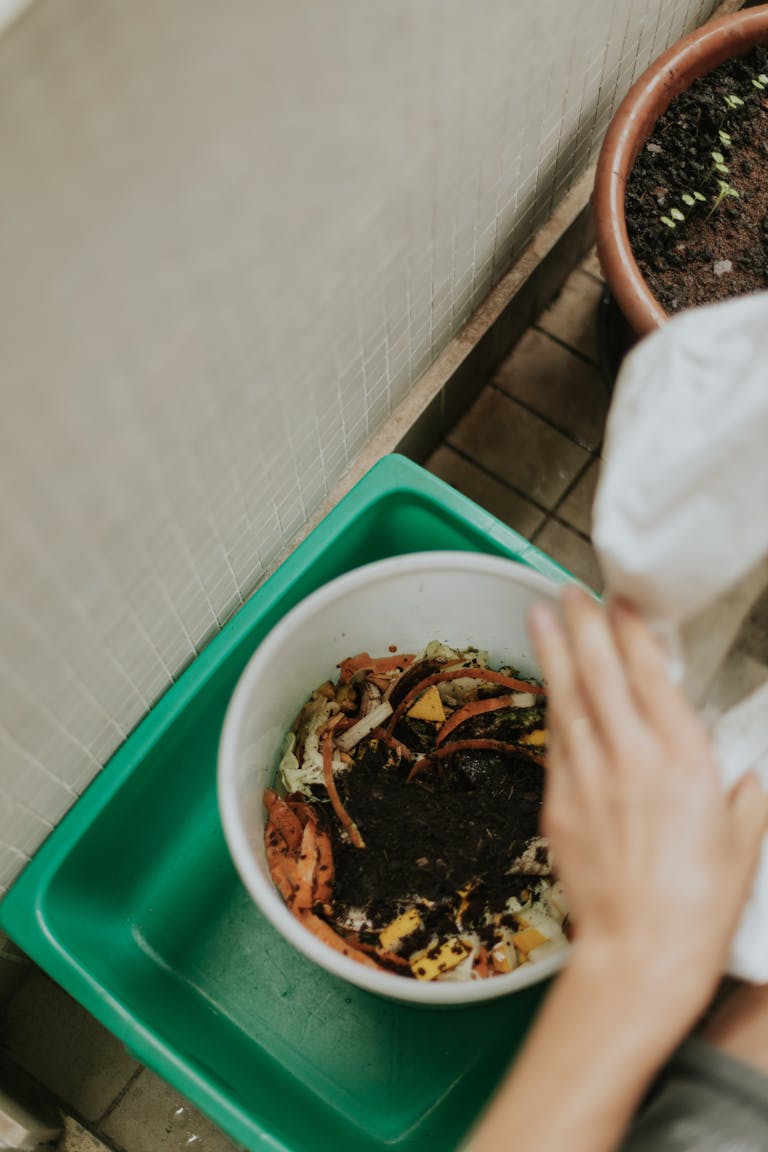
Compost piles generate heat because billions of microorganisms are hard at work breaking down organic matter. The heat isn’t the goal—it’s evidence that decomposition is taking place. When moisture disappears, microbial activity slows, and the pile cools right along with it.
Instead of actively decomposing material, many microorganisms enter a dormant state until conditions improve. Earthworms move deeper into cooler soil. Fungi reduce their activity. The biological engine simply shifts into a waiting pattern.
The pile isn’t ruined. It’s simply waiting for better conditions.
What Happens to Your Compost During Extreme Heat?
Many beginners assume hot weather automatically creates better compost because compost piles generate heat. In reality, the opposite often happens.
A properly functioning compost pile produces heat because microorganisms are actively breaking down organic matter. During drought, the pile often becomes too dry for those organisms to continue working efficiently.
Signs your compost pile is suffering from drought include:
- Little or no internal warmth
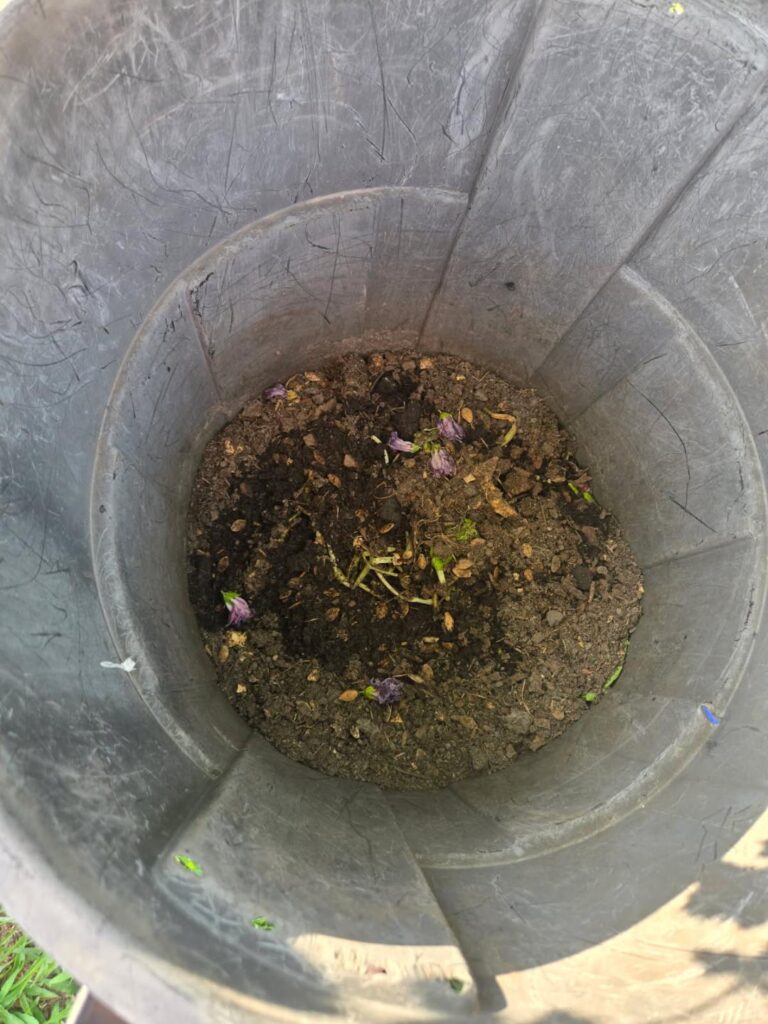
- Dry, dusty material throughout the pile
- Leaves remaining unchanged for weeks
- Very slow decomposition
- Material becoming light and brittle
The pile may look almost exactly the same month after month. That doesn’t mean you’ve done anything wrong. It usually means nature is waiting for moisture before continuing the work.
Soil Suffers Too
Healthy soil acts a bit like a sponge. Organic matter creates spaces that absorb rainfall, improve drainage, and hold moisture for future use. As drought continues, that sponge slowly dries out.
Dry soil often becomes:
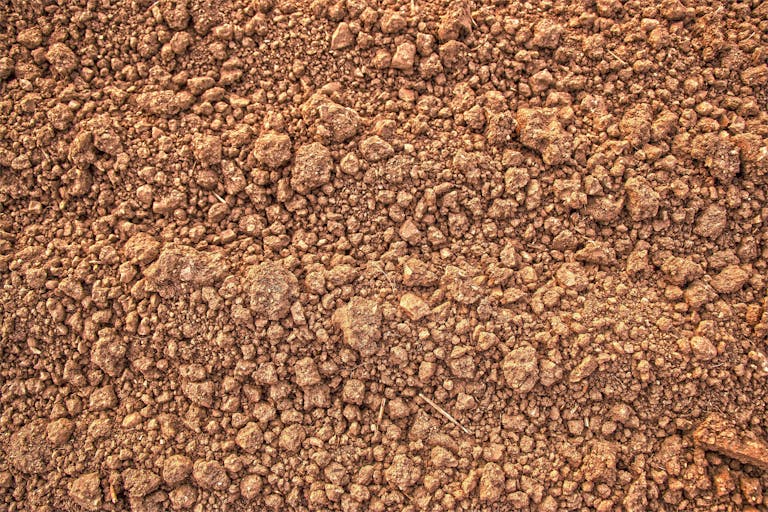
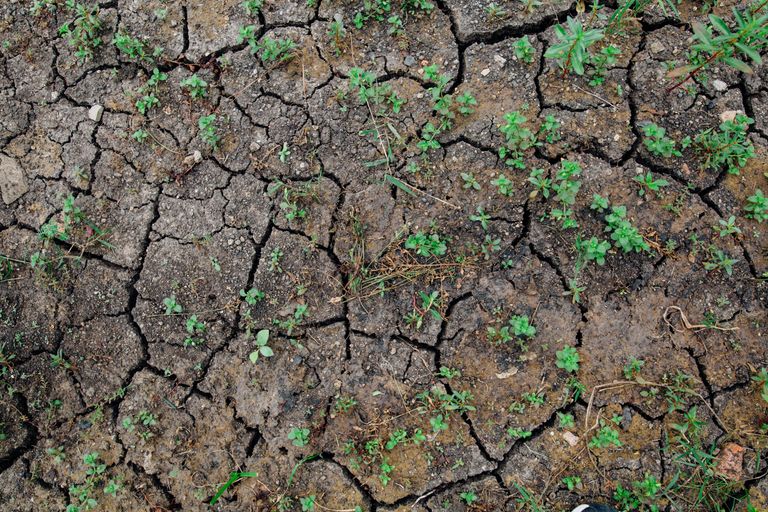
- Hard and compacted
- More likely to crack
- Less able to absorb sudden rainfall
- Less hospitable to beneficial organisms
- More vulnerable to erosion when storms finally arrive
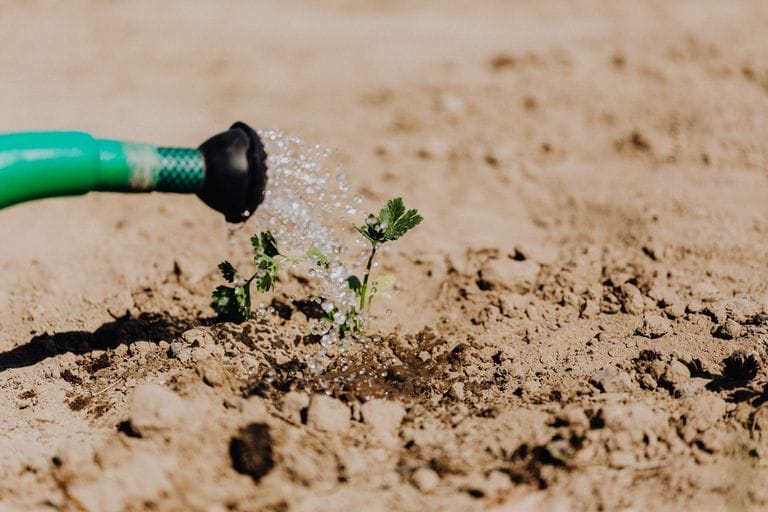
Ironically, extremely dry soil can become hydrophobic, meaning it temporarily repels water instead of absorbing it. Rather than soaking into the ground, rainfall may bead up, pool on the surface, or run off before it has a chance to penetrate the soil. If you’ve ever watched irrigation disappear down the slope instead of into the ground, you’ve seen this happen.
The good news is that hydrophobic soil isn’t permanent. As moisture gradually returns and organic matter increases, the soil slowly regains its ability to absorb water.
Why Organic Matter Becomes Even More Important
One of the greatest benefits of compost isn’t simply feeding plants; it’s increasing the soil’s ability to hold water.
Organic matter acts like countless tiny reservoirs throughout the soil profile. Every year you add finished compost, you’re gradually improving the soil’s ability to capture rainfall instead of losing it.
That doesn’t eliminate drought, but it helps your soil recover more quickly once moisture returns.
Building healthy soil is much like maintaining savings in a bank account. You don’t appreciate the reserve until difficult times arrive.
What You Can Do During Drought
You can’t control the weather, but you can control how well your soil handles it.
1. Keep Compost Slightly Moist
A compost pile shouldn’t be soaking wet, but it shouldn’t become completely dry either. If water restrictions allow, add enough water to keep the pile about as damp as a wrung-out sponge. During extremely hot weather, checking moisture once or twice each week may be enough.
If restrictions prohibit watering compost, don’t panic. Simply allow the pile to wait. Biological activity will resume when adequate moisture returns.
2. Cover the Compost Pile
Direct sunlight quickly dries exposed compost. A tarp, old feed sack, piece of cardboard, or compost bin lid can dramatically reduce evaporation while still allowing airflow around the pile.
Tip: You’re trying to conserve moisture—not seal the pile airtight. Secure a tarp by placing a few heavy bricks on the corners rather than tucking it tightly under the edges.
3. Add More Carbon Materials
Dry conditions sometimes create unpleasant odors when small, stagnant wet pockets develop inside an otherwise dry pile. Adding shredded leaves, straw, or other brown materials helps maintain balance while protecting moisture throughout the pile.
4. Disturb It Less Often
Turning compost introduces oxygen, but it also releases valuable moisture. During periods of extreme drought, turning less frequently often helps the pile retain what little moisture it has left.
Sometimes the best management decision is simply leaving a healthy pile alone.
Protecting Your Soil
Compost builds healthy soil, but mulch protects it.
Keeping bare ground covered reduces evaporation, moderates soil temperature, and shields beneficial organisms from extreme heat. Leaves, straw, wood chips, pine needles, or untreated grass clippings all help slow moisture loss while gradually contributing additional organic matter.
Bare soil may look tidy, but covered soil usually performs better.
Nature rarely leaves healthy ground exposed for long, and there’s a lesson in that.
What Happens When the Rain Finally Returns?
Many people assume they need to start over after a long drought.
Usually, they don’t.
Once consistent moisture returns:
- Soil organisms become active again.
- Earthworms gradually return to the upper soil layers.
- Compost decomposition accelerates.
- Soil structure slowly begins improving again.
Waking Up Your Compost: If your compost pile is slow to restart after a dry spell, you can help jumpstart the biological engine. Add a fresh layer of nitrogen-rich “green” materials, such as fresh grass clippings or kitchen scraps, then give the pile a single thorough turn. Combined with returning moisture, this provides the microorganisms with both the water and food they need to become active again.
Recovery isn’t immediate, but healthy soil has an impressive ability to rebuild itself when given the right conditions.
The work you invested before the drought hasn’t been wasted. It’s simply been waiting for favorable conditions to continue.
Join the Porch Sitters
The best homesteading skills aren’t learned all at once. They’re built the same way healthy soil is built – one season, one habit, and one lesson at a time.
If that’s the kind of household you’re working toward, I hope you’ll join us on The Front Porch.
As a Porch Sitter, you’ll receive monthly encouragement, seasonal homesteaing tips, practical how-to articles, recipes, and old-fashioned skills designed to help you waste less, learn more, and build a home that serves the people who live in it.
We’d be glad to save you a seat.
Healthy Soil Is Built Long Before You Need It
One season of drought won’t undo years of building healthy soil. Likewise, one rainy week won’t repair years of neglect.
Healthy soil is the result of countless ordinary decisions made over time: adding compost, protecting the surface, returning organic matter to the ground, and understanding that the life beneath our feet deserves just as much attention as the plants growing above it.
Those habits don’t eliminate difficult weather.
They make your soil far better prepared to endure it.