How to Tell When Compost is Finished: 8 Signs Your Compost Is Ready for the Garden
One of the most common questions new composters ask is surprisingly simple:
“How do I know when my compost is actually finished?”
Learning how to tell when compost is finished can feel confusing at first because a backyard pile doesn’t come with a timer or an expiration date.
It’s a fair question. Unlike a recipe with a kitchen timer or a bag from the garden center with an expiration date, a backyard compost pile doesn’t suddenly announce that it’s ready.
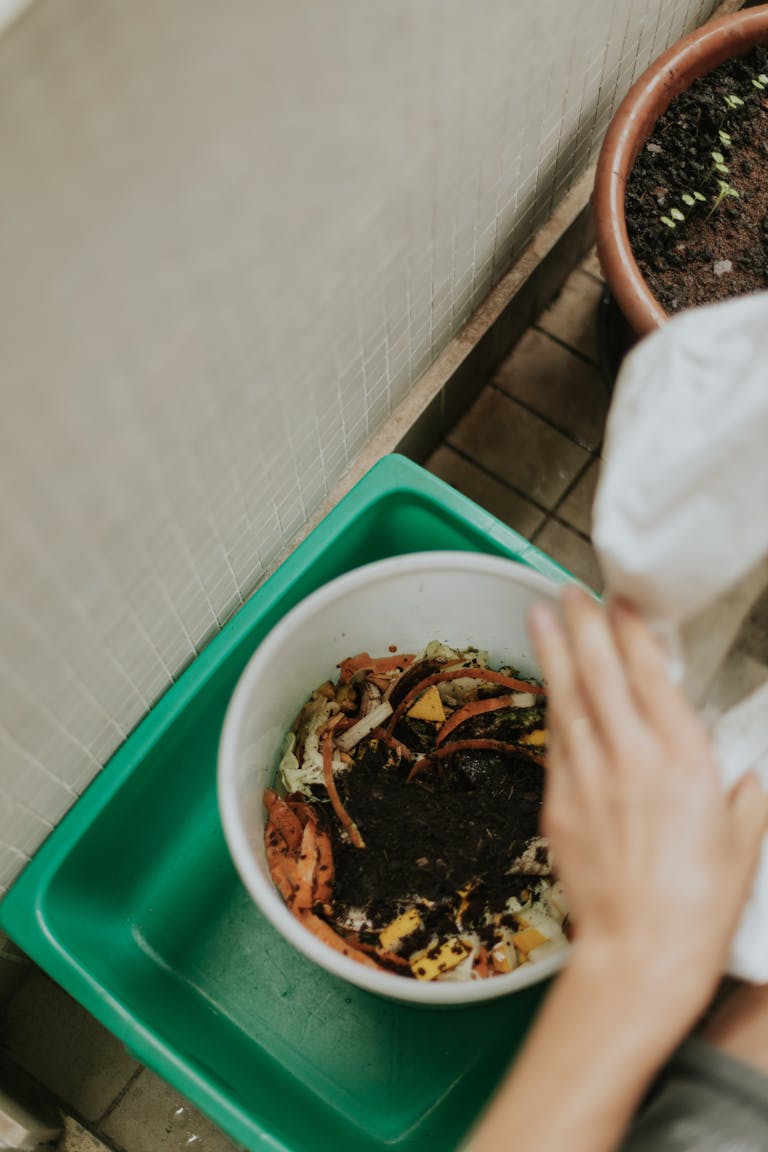
Every compost pile is its own little ecosystem. The materials you use, your local climate, moisture levels, pile size, and how often you turn it all affect the timeline. Some piles finish in a few months; others may take a year or more.
The good news? Finished compost always leaves clues behind. Once you know what to look for, it’s easy to tell when your kitchen scraps and yard waste have transformed into what many gardeners affectionately call “black gold.”
Here are eight reliable signs that your compost is mature, stable, and ready to feed your homestead.
1. It Looks Dark and Crumbly
Finished compost should look like rich, dark forest soil, not a pile of old garbage.
Instead of recognizable food scraps or grass clippings, the material should have a loose, crumbly texture similar to rich garden soil that breaks apart easily in your hands. Many gardeners describe finished compost as looking similar to used coffee grounds.
If large amounts of fresh material are still visible, your pile simply needs more time.
2. It Smells Like the Earth After Rain
One of the most reliable ways to judge compost is with your nose.
Healthy, finished compost has a pleasant, sweet, earthy aroma—the same smell you notice when walking through a forest after a spring rain.
It should never smell:
- Sour or rotten
- Like ammonia
- Like old garbage
- Like fresh food scraps
Unpleasant odors usually mean anaerobic decomposition is still occurring or that the pile has become too wet and compacted.
A clean, earthy smell indicates that beneficial aerobic microorganisms have successfully done their job.
3. You Can’t Identify the Original Ingredients
Think back to what went into your pile.
Kitchen scraps, leaves, and grass clippings should be entirely unrecognizable.
However, a few stubborn holdouts are completely normal:
- Small sticks and wood chips
- Corn cobs and avocado pits
- Eggshell fragments
Because these materials are high in carbon or structurally dense, they naturally decompose much more slowly than softer organic matter.
Homestead Tip: Don’t let a few sticks hold you back. Simply run your compost through a homemade wire mesh sifter. Use the rich, fine compost in your garden and toss those stubborn leftover fragments right back into your active bin to help jumpstart the next batch. Waste not, want not.
4. The Center Has Stopped Heating Up
Active compost piles generate heat as thermophilic bacteria break down organic matter.
Well-managed compost piles often reach temperatures between 130°F and 160°F during their most active phase. As the compost matures, the food source for these bacteria diminishes, microbial activity slows, and temperatures gradually return to normal.
If your pile no longer heats up after being turned and remains close to the ambient air temperature for several weeks, it is likely entering its final stage.
Temperature alone shouldn’t be used as the only indicator, but it can be a helpful clue when combined with the other signs on this list.
5. The Volume Has Shrunk Significantly
As microorganisms break down organic matter, they consume carbon-rich materials and release carbon dioxide and water vapor.
Because of this, a compost pile will dramatically shrink—often losing 50 percent or more of its original volume.
If your massive heap of autumn leaves and kitchen waste has condensed into a modest pile of dark material, nature is well on its way to finishing the job.
6. It Feels Cool and Biologically Stable
Finished compost is stable, meaning it won’t suddenly heat up again or change dramatically.
When you dig into the center, it should feel cool and appear relatively uniform from top to bottom.
If the center is still warm or looks noticeably different than the edges, give the pile a good turn, check the moisture level, and allow it more time to mature.
7. It Passes the “Radish Seed Test”
If you want extra confidence before applying compost around delicate seedlings, try a simple bioassay test.
- Fill a small container with finished compost.
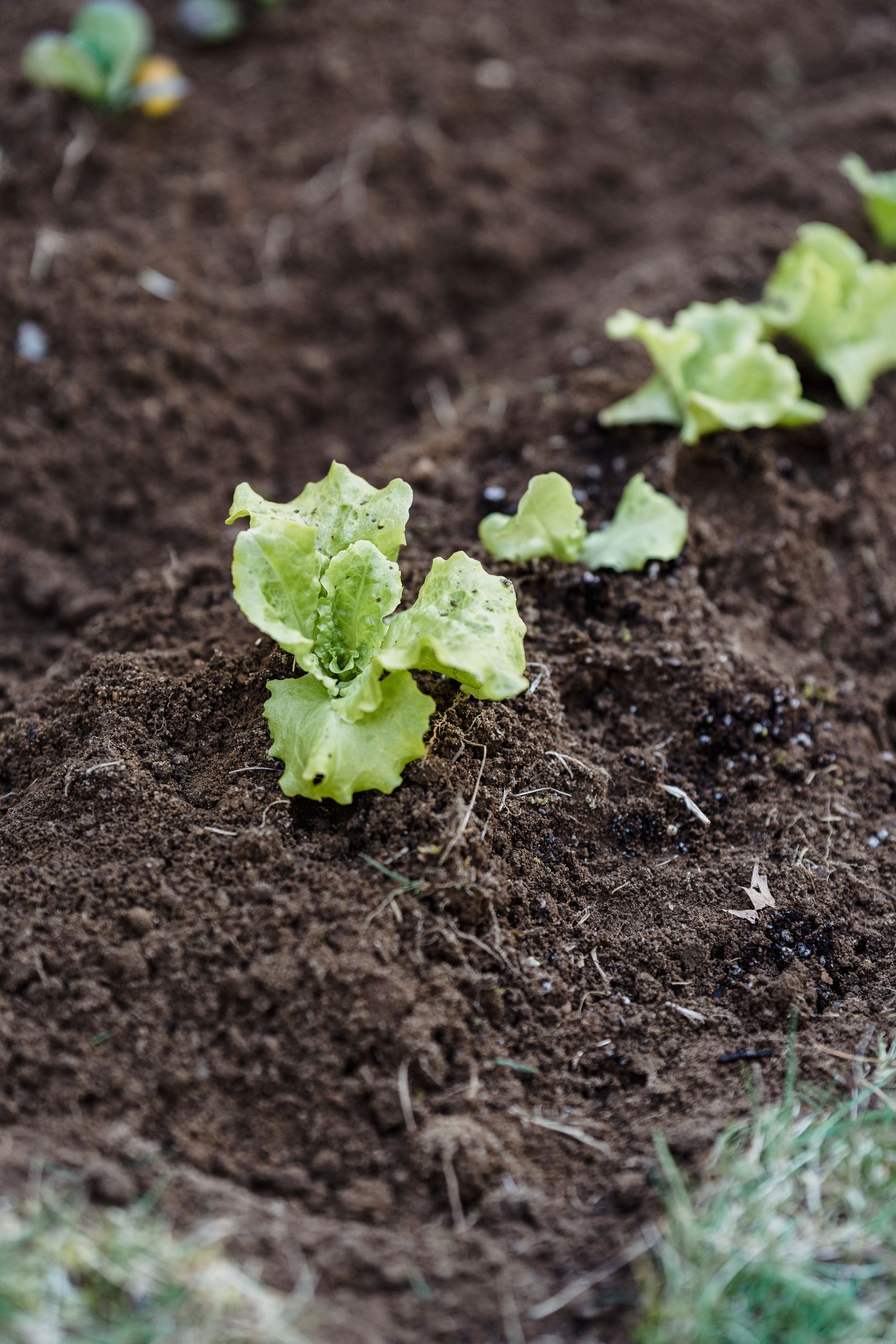
- Plant a few fast-growing seeds such as radishes, lettuce, or beans.
- Keep them watered and observe their growth.
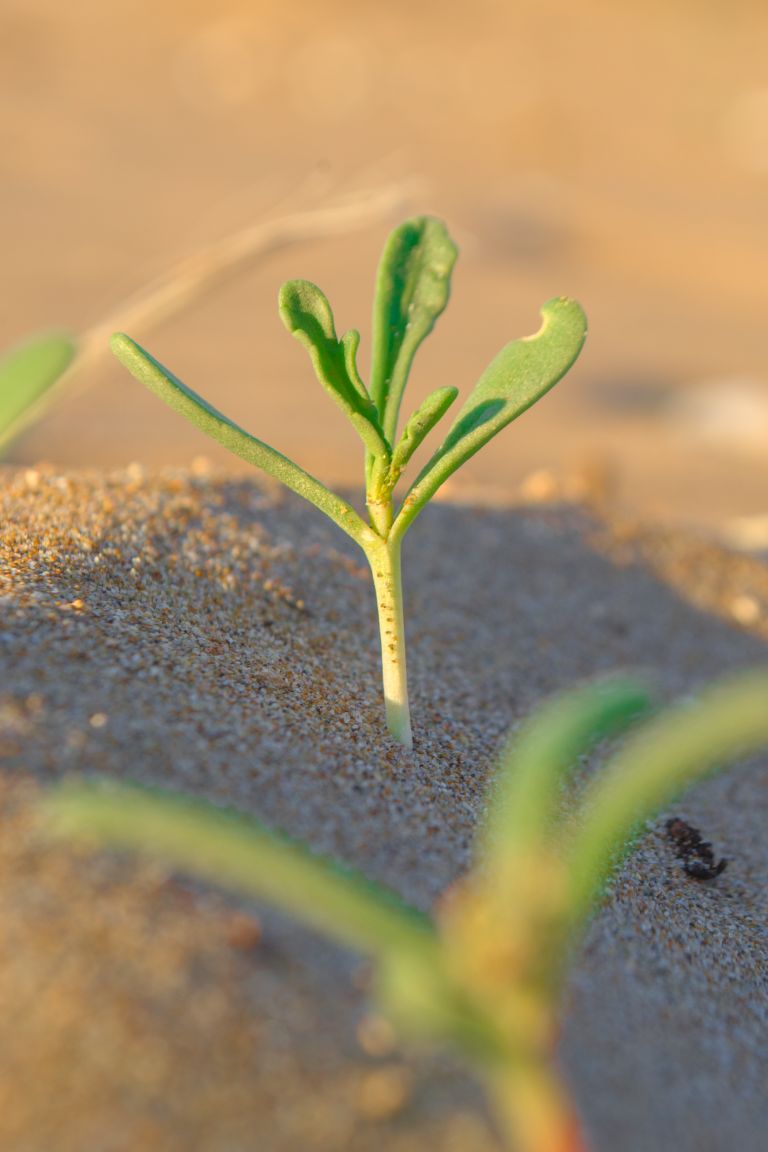
If the seeds germinate normally and produce healthy green seedlings, your compost is generally safe to use.
If they fail to sprout or appear weak and yellow, the compost may still be immature.
Unfinished compost can sometimes stunt plant growth because the microorganisms still decomposing the material may temporarily tie up nitrogen and other nutrients that plants need to grow.
8. It Has Been Allowed to Cure
Even after active decomposition stops, experienced gardeners often allow compost to cure before using it.
Curing simply means letting the compost sit undisturbed for an additional two to four weeks.
During this time, fungi and other beneficial organisms continue stabilizing the material, creating a more uniform and balanced finished product.
Well-cured compost is often more stable, easier to work with, less likely to affect sensitive seedlings, and better suited for garden beds and containers.
Patience during this final stage can significantly improve the quality of your finished compost.
What If Your Compost Isn’t Ready Yet?
Don’t worry—nature rarely works on an exact schedule.
If your compost is still hot, smells unpleasant, or contains obvious food scraps, it simply needs more time.
You can often speed the process along by:
- Turning the pile to introduce fresh oxygen.
- Adjusting moisture levels so the pile always feels like a wrung-out sponge.
- Balancing your browns and greens if the pile has become too wet, too dry, or stalled.
- Shredding large materials before adding them to future batches.
Small adjustments can make a surprising difference in how quickly a pile matures.
The Heart of a No-Waste Garden
Once your compost passes these tests, it becomes one of the most valuable resources on a self-reliant homestead.
Instead of throwing organic matter away or purchasing synthetic soil amendments, you can use finished compost to:
- Top-dress vegetable beds and feed soil biology.
- Enrich raised beds and container gardens.
- Improve moisture retention in garden soil.
- Mulch around fruit trees and perennial plantings.
- Support healthier, more productive harvests.
In many ways, compost is the heart of a no-waste garden. It allows you to turn yesterday’s scraps into tomorrow’s harvest.
Even after learning the signs of finished compost, many gardeners still have a few lingering questions.
Frequently Asked Questions About Finished Compost
Can You Use Unfinished Compost in the Garden?
Partially finished compost can sometimes be used as mulch around established, mature plants, but it is generally best to avoid mixing it directly into garden soil.
Immature compost may continue decomposing underground, temporarily tying up the nitrogen and nutrients your growing plants need.
How Long Does Compost Take to Finish?
The timeline varies widely depending on the materials used, temperature, moisture levels, and how often the pile is turned.
Some well-managed, hot-turned piles finish in a few months, while passive, unturned piles may take a year or longer.
Can Compost Be Too Old?
Not usually.
Properly stored finished compost remains useful for a long time. However, nutrients can slowly leach away if the pile is left exposed to heavy rainfall for extended periods.
If you aren’t ready to use your finished compost yet, throw a tarp over the pile or store it in covered containers to help protect those valuable nutrients.
Should I Remove Sticks From Finished Compost?
Not necessarily.
Many gardeners prefer to sift finished compost through a screen before use and return the larger pieces to a new compost pile.
Those partially decomposed materials are valuable because they help introduce beneficial microorganisms directly into the next batch.
Join the Community
Want practical homesteading tips, beginner-friendly guides, and old-fashioned skills that still matter today? Join the Waste Not Want Not Community and get new articles, helpful resources, and homestead inspiration delivered straight to your inbox.
How to Tell When Compost Is Finished at a Glance
Finished compost isn’t judged by a calendar—it’s judged by observation.
When your compost is dark, crumbly, earthy-smelling, cool, and no longer recognizable as the waste that went into it, there’s a good chance it’s ready for the garden.
Learning to recognize these signs takes a little practice, but it’s a skill worth developing.
By closing the loop on your homestead, you’re turning what was once considered waste into the very resource that will help feed your family next season.
That’s the true beauty of composting.