How to Improve Sandy Soil Naturally
If you’re wondering how to improve sandy soil naturally, you’ve probably experienced its greatest frustratrion firsthand. You water in the morning, and by afternoon the soil feels dry again. Fertilizer seems to disappear almost as quickly as you apply it, and plants struggle during hot weather even when you’re doing everything you think you’re supposed to do.
It’s easy to assume sandy soil is poor soil, but that isn’t quite true.
Sandy soil has some real advantages: it warms quickly in the spring, drains well after heavy rain, and is easy to work. The challenge isn’t that sandy soil is poor. It’s that it behaves differently than richer soils, so it has to be managed differently. It doesn’t naturally hold onto the things your plants need most—water, nutrients, and organic matter.
The good news is that sandy soil can improve dramatically over time. Not through expensive products or miracle amendments, but by steadily building the soil the way nature has done for thousands of years.
Why Sandy Soil Dries Out So Quickly
Soil is made from three primary particle sizes: sand, silt, and clay. Sand particles are the largest of the three. Because they are large and irregular, they leave substantial spaces between them. Water moves through those spaces very quickly, carrying nutrients along with it before plant roots have much opportunity to absorb them.
That means sandy soil typically suffers from:
- Poor water retention and rapid drying
- Faster nutrient loss (leaching)
- Low organic matter content
- A greater need for consistent, long-term improvement
The solution isn’t trying to stop drainage entirely. Good drainage is actually one of sandy soil’s greatest strengths. Instead, the goal is to help the soil hold more moisture while still allowing excess water to move through naturally.
Quick Reference: The Natural Fix for Sandy Soil
| The Challenge | The Natural Solution | Why It Works |
|---|---|---|
| Rapid Drainage & Drying | Incorporate 2–4 inches of compost | Acts like a sponge to hold moisture at root level |
| Nutrient Leaching | Apply thick layers of natural mulch | Slows evaporation and feeds the soil as it breaks down |
| Bare Soil & Erosion | Plant off-season cover crops | Roots stabilize the soil and build long-term structure |
Organic Matter: Your Best Investment
If there’s one thing sandy soil needs more than anything else, it’s organic matter.
As compost, aged leaves, grass clippings, and other natural materials break down, they act like tiny sponges throughout the soil. Instead of water slipping straight through the sand, more of it stays available where plant roots can use it.
Organic matter also feeds the billions of organisms living beneath the surface. Those organisms continue breaking down materials, building soil structure, and recycling nutrients season after season.
Improving sandy soil isn’t a one-time project; it’s an ongoing relationship with your garden. Each season you invest in the soil, the soil becomes better equipped to care for your plants.
Add Compost Every Season
Compost is one of the most effective soil amendments you can use. Spread 2 to 4 inches of finished compost over garden beds and work it gently into the top several inches of soil before planting.
Even if you practice no-till gardening, adding compost as a top dressing each season will gradually improve the soil as earthworms and soil organisms pull it downward.
Every application adds more organic matter, improves moisture retention, and increases the soil’s ability to store nutrients.
You don’t have to fix sandy soil all at once. You simply have to make it better than it was last season.
Optional Upgrade: If you’ve already been adding compost for several seasons and want to improve moisture retention even further, biochar can be a useful long-term addition. Think of it as a permanent sponge that works alongside compost rather than replacing it. While compost gradually breaks down, biochar remains in the soil for many years, providing lasting habitat for beneficial microbes and helping retain both moisture and nutrients.
Keep the Soil Covered
Bare soil loses moisture faster than protected soil. Adding mulch helps reduce evaporation, keeps soil temperatures more consistent, and slows the impact of heavy rain that can wash nutrients deeper into the ground. Natural mulches work especially well because they eventually break down and become part of the soil themselves.
Good choices for covering sandy soil include:
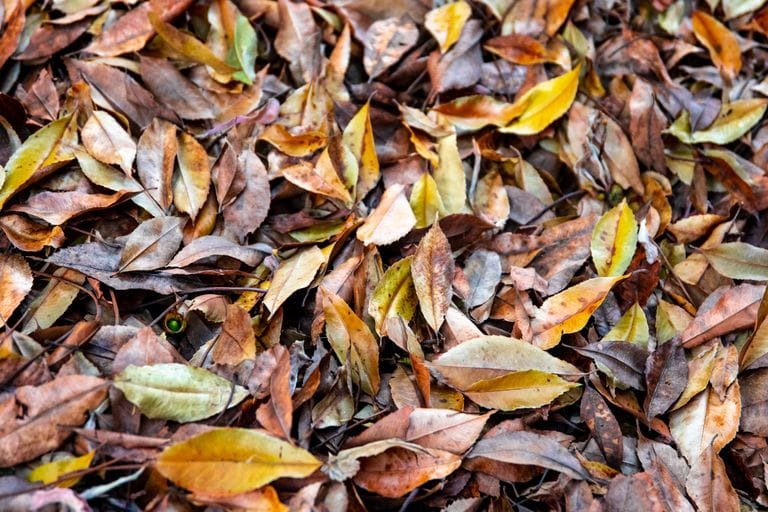
- Shredded leaves or leaf mold
- Clean straw
- Pine needles (excellent for paths or around acid-loving plants)
- Untreated wood chips around perennial plantings
- Grass clippings that haven’t been treated with herbicides
Nature rarely leaves soil uncovered. Our gardens usually perform better when we follow that example.
Grow Cover Crops
When a garden bed isn’t producing vegetables, it can still be actively improving your soil.
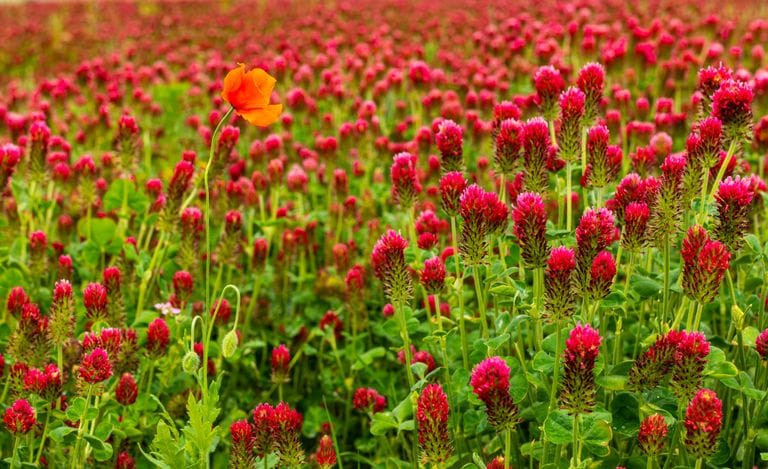
Cover crops such as clover, annual ryegrass, or crimson clover protect the surface from erosion while sending roots deep into the ground. Those roots create channels that improve soil structure, and when the plants are cut down, they decompose to add even more organic matter.
If you’ve never grown a cover crop before, don’t overthink it. The goal isn’t to harvest it. It’s simply to let living roots improve the soil during the months your garden would otherwise sit empty.
Instead of leaving a bed bare between growing seasons, let it spend that time rebuilding itself.
Smart Management Tactics
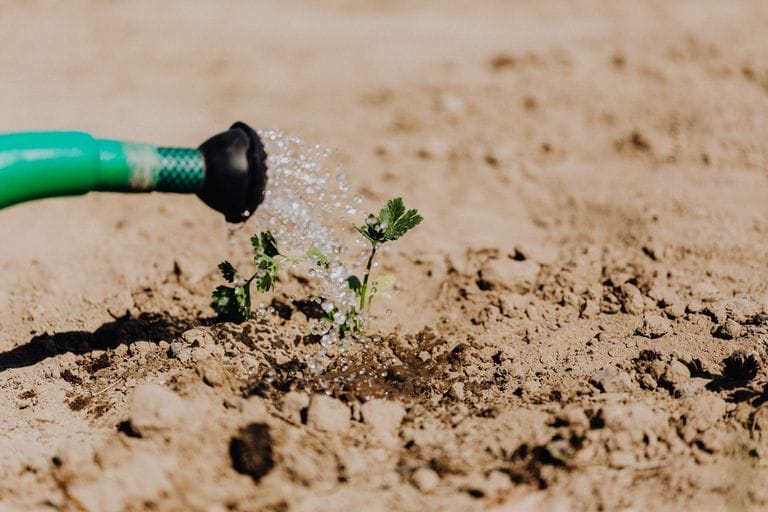
Water More Deeply, Less Often
Frequent, shallow watering encourages shallow roots, making plants far more vulnerable to heat and drought.
Instead, water thoroughly so moisture reaches several inches into the soil, then allow the surface to begin drying before watering again.
Deep watering encourages plants to develop stronger, deeper root systems that are better able to withstand dry weather. As your soil improves, you’ll often find yourself watering less frequently because the soil begins holding moisture longer.
Healthy soil eventually starts doing part of the work for you.
Avoid Overworking the Soil
It’s tempting to till sandy soil every year because it’s so easy to work.
However, excessive tilling speeds the breakdown of organic matter and disrupts the living fungal networks and soil organisms that are gradually improving soil structure.
Work the soil only as much as necessary, add organic matter regularly, and let biology do much of the heavy lifting.
Sometimes the best thing we can do for the garden is resist the urge to keep “fixing” it.
Be Patient With the Process
Healthy soil isn’t built in a weekend.
Every load of compost, every layer of mulch, every cover crop, and every season of thoughtful care adds another piece to the foundation you’re building.
People often spend more money trying to outsmart their soil with bags of specialty products that promise quick results. Healthy soil has never been built overnight. It’s built one season at a time through consistent stewardship.
The goal isn’t perfect soil.
The goal is simply better soil than you had last year.
Keep making those small improvements, season after season, and your garden will eventually show you exactly why that approach works.
Where to Go Next
Improving sandy soil is one of the best investments you can make in your garden, but it’s only one piece of building healthy, productive soil. Once you understand how to help sandy soil hold water and nutrients, the next step is learning how the entire soil ecosystem works.
Continue building your knowledge with these articles:
- What Happens Beneath Your Feet? Understanding Soil Life – Discover the living community of bacteria, fungi, earthworms, and other organisms that transform soil into a thriving ecosystem.
- Understanding Your Soil: Why Healthy Soil Grows Healthier Plants – Learn the foundations of soil health and why successful gardens are built from the ground up.
- Mulching 101: Save Water, Suppress Weeds, and Build a Healthier Garden – See how mulch protects the soil, conserves moisture, and slowly adds organic matter over time.
- Composting & Soil Building 101: Why Dirt Isn’t Just Dirt – Find out how compost feeds both your plants and the millions of organisms working beneath the surface.
Every season you spend improving your soil makes the next season a little easier. Healthy gardens aren’t built by chasing quick fixes—they’re built one small, thoughtful habit at a time.
Join the Porch Sitters
A house becomes a home through the small things we choose to learn, make, repair, grow, and pass along. Those skills don’t disappear overnight, and they won’t return overnight either. They come back one season, once project, and one meal at a time.
That’s what the Porch Sitters are all about.
Each edition of The Front Porch brings practical homesteading skills, seasonal guidance, thoughtful encouragement, and new resources to help you build a more capable household. No clutter. No chasing every trend. Just timeless knowledge that still has a place in modern life.
If that sounds like the kind of home you’re building, we’d be glad to save you a seat.
Rediscover the skills that turn a house into a home.