How to Improve Clay Soil Naturally
If you’ve ever tried digging into heavy clay soil, you’ve probably wondered whether you were gardening or excavating.
Clay has a reputation for being difficult, and anyone who’s worked with it understands why. It can be sticky after a rain, hard as concrete during dry weather, slow to drain, and stubborn enough to make a shovel question its career choices.
If you’ve ever gardened in Alabama, you also know that red clay has an uncanny ability to stain boots, blue jeans, garden gloves, and just about anything else it touches.
Still, clay soil isn’t bad soil, and learning how to improve clay soil naturally does not require replacing every bit of ground you already have.
In fact, many experienced gardeners would happily trade thin, sandy ground for heavy clay if they knew how to manage it. Clay naturally holds onto nutrients better than sandy soil and can become incredibly productive once its structure improves.
The mistake many beginners make is trying to fight clay soil instead of working with it.
Like every other part of the garden, healthy soil isn’t built overnight. It’s built season after season by partnering with nature instead of fighting against it.
Why Clay Soil Is So Difficult to Work
Clay is made of extremely small mineral particles packed tightly together.
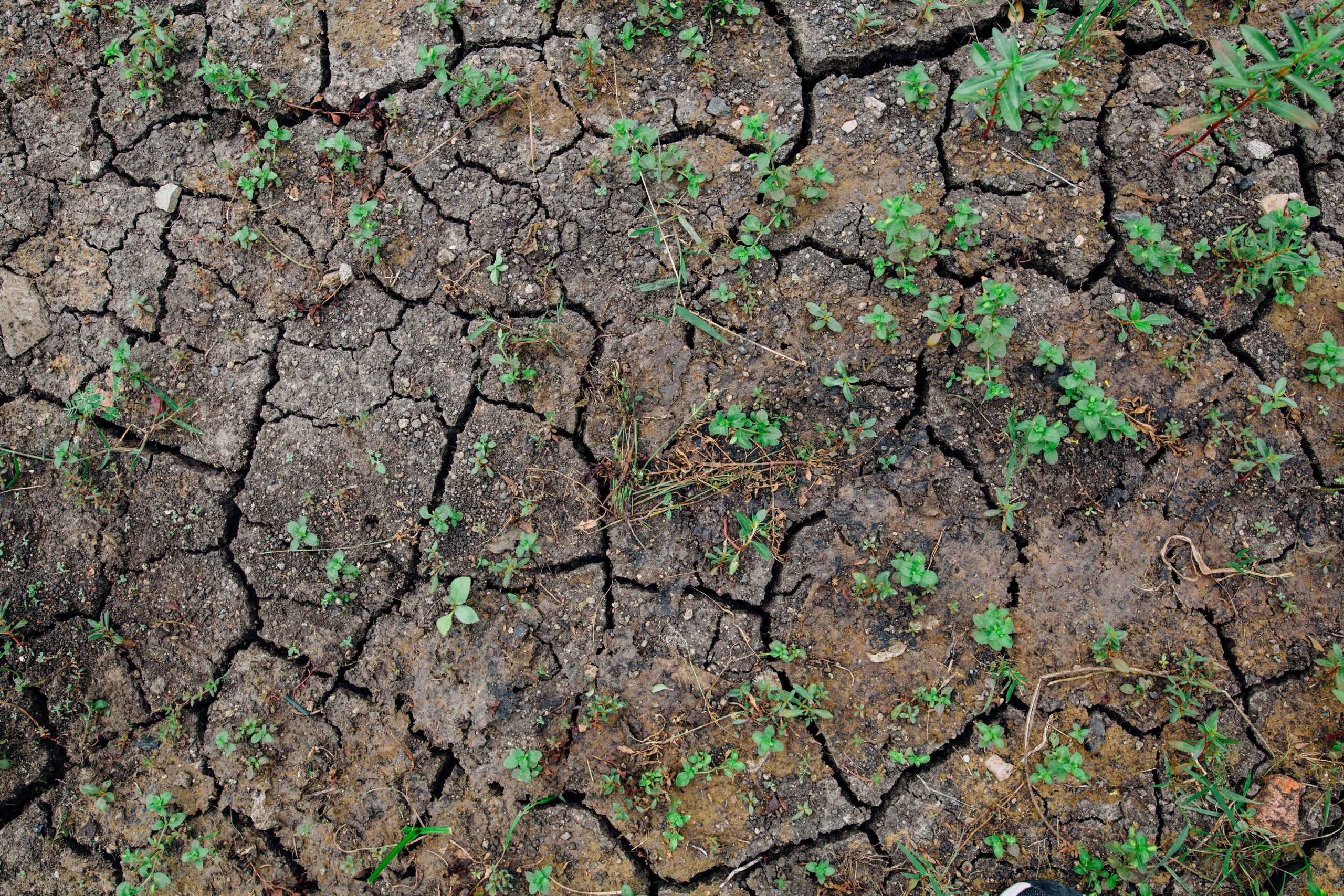
Those tiny, flat particles leave very little space for air and water to move through the soil. After a heavy rain, water drains slowly because there aren’t enough large pores for it to escape. During dry weather, the soil shrinks and hardens into dense clumps that plant roots struggle to penetrate.
The problem isn’t that clay lacks nutrients—quite the opposite.
Clay often contains an abundance of minerals. The challenge is that poor soil structure makes it difficult for roots, air, water, and beneficial soil organisms to do their jobs effectively.
Healthy gardening is as much about improving soil structure as it is about supplying nutrients.
The Biggest Mistake Gardeners Make
When faced with hard clay, many people instantly reach for a rototiller.
While tilling can be appropriate when establishing a brand-new garden bed, repeatedly tilling wet clay creates even larger problems.
Wet clay smears together instead of breaking apart. As it dries, it often becomes even denser than before. Walking across freshly tilled clay creates the exact same problem by compressing the loosened soil back into a solid mass.
Nature rarely solves compaction by turning the soil upside down.
Instead, it builds healthier soil from the top down.
That is a lesson worth borrowing.
How Organic Matter Improves Clay Soil Naturally
If there’s one proven way to improve clay soil, it’s adding organic matter.
Compost, shredded leaves, aged manure, grass clippings, and other natural materials slowly work their way into the soil over time. As they decompose, they help separate tightly packed clay particles into small, stable aggregates.
Those aggregates create tiny pockets where air can circulate, water can soak in, and plant roots can grow more easily.
At the same time, beneficial bacteria, fungi, earthworms, and countless other organisms begin helping with the work.
Healthy soil isn’t transformed by a single truckload of compost.
It’s transformed by years of consistently returning organic matter to the ground.
Mulch Helps More Than You Think
Many gardeners think mulch only keeps weeds down. That’s certainly one benefit, but mulch also protects clay soil from some of its biggest weather challenges.
A thick layer of shredded leaves, straw, pine needles, or untreated wood chips helps soften the impact of heavy rain, reducing surface crusting. It slows evaporation during hot weather, moderates soil temperatures, and gradually contributes more organic matter as it breaks down.
Perhaps most importantly, mulch feeds the soil instead of leaving it exposed.
Bare soil is almost never nature’s plan.
Let Plant Roots Do the Work
Plants are surprisingly good soil builders. Deep-rooted cover crops and vigorous garden plants naturally create channels through heavy clay as their roots grow.
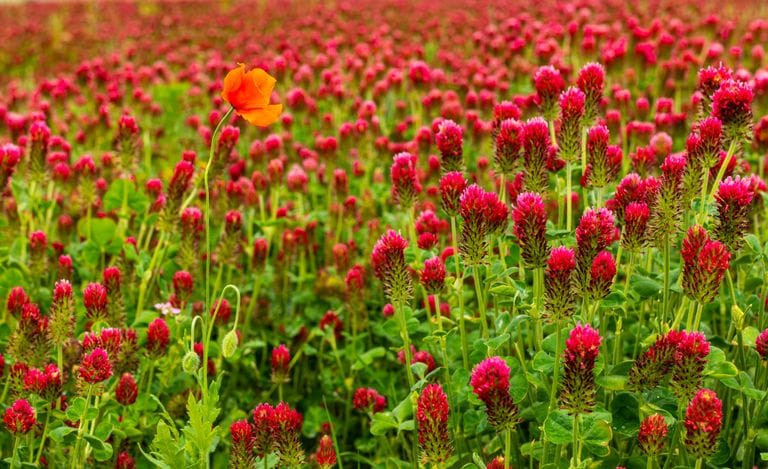
Pro Tip: Planting cover crops like daikon radishes (often called “tillage radishes”), crimson clover, or cereal rye acts like a biological drill, naturally breaking through compacted soil and improving its structure over time.
When those roots eventually die back, they leave behind pathways that improve drainage, increase air movement, and give future roots an easier place to grow. Even standard summer vegetables contribute to improving the soil if their healthy roots are left in the ground to decompose after the growing season.
Sometimes the best tool for improving soil is simply growing something in it.
Be Careful What You Add
Heavy clay often inspires well-meaning advice that creates new problems. One of the most common suggestions is adding large amounts of sand to “loosen it up.”
It sounds logical, but unless you’re adding an enormous, impractical amount of coarse sand in exact proportions, mixing sand into clay creates something surprisingly similar to actual concrete.
Organic matter is almost always the better, safer long-term solution.
It’s slower, certainly—but slow improvements tend to last.
Quick Guide: Clay Soil Do’s & Don’ts
| What to Do | What to Avoid |
|---|---|
| Top-dress with 2–3 inches of compost annually. | Tilling wet clay (it destroys soil structure). |
| Keep it covered with wood chips, straw, or leaves. | Adding sand (unless you want homemade concrete). |
| Plant cover crops to let roots break up deep layers. | Working the soil when it’s soaking wet or bone dry. |
Good Soil Takes Time
Improving clay soil naturally requires patience.
You probably won’t notice dramatic changes after a single season. But if you add compost every year, keep the ground mulched, avoid working the soil when it’s soaking wet, and let roots and soil life do their work, one day you’ll notice something different.
The shovel will slide in a little easier. Rain will soak into the ground instead of standing on top. Plants will grow deeper roots and stay healthier during dry spells.
None of those improvements happened by accident.
They happened because you invested in the soil before asking it to take care of your garden.
That’s the quiet lesson healthy soil teaches over and over again: capable gardens aren’t built with quick fixes. They’re built one season, one handful of compost, and one good habit at a time.
Where to Go Next
Improving clay soil isn’t about finding a quick fix—it’s about building healthier soil one season at a time. If you’re ready to continue creating a more productive garden, these articles will help you take the next step.
- Understanding Your Soil: The Secret to a Successful Organic Garden – Learn how sand, silt, and clay work together to create healthy soil and why knowing your soil type is the first step toward better harvests.
- Why Organic Matter Is the Foundation of Healthy Soil – Discover why compost, leaves, and other organic materials do far more than add nutrients—they build the soil structure every garden depends on.
- What Happens Beneath Your Feet? Understanding Soil Life – Meet the earthworms, fungi, bacteria, and other unseen helpers that transform ordinary dirt into living soil.
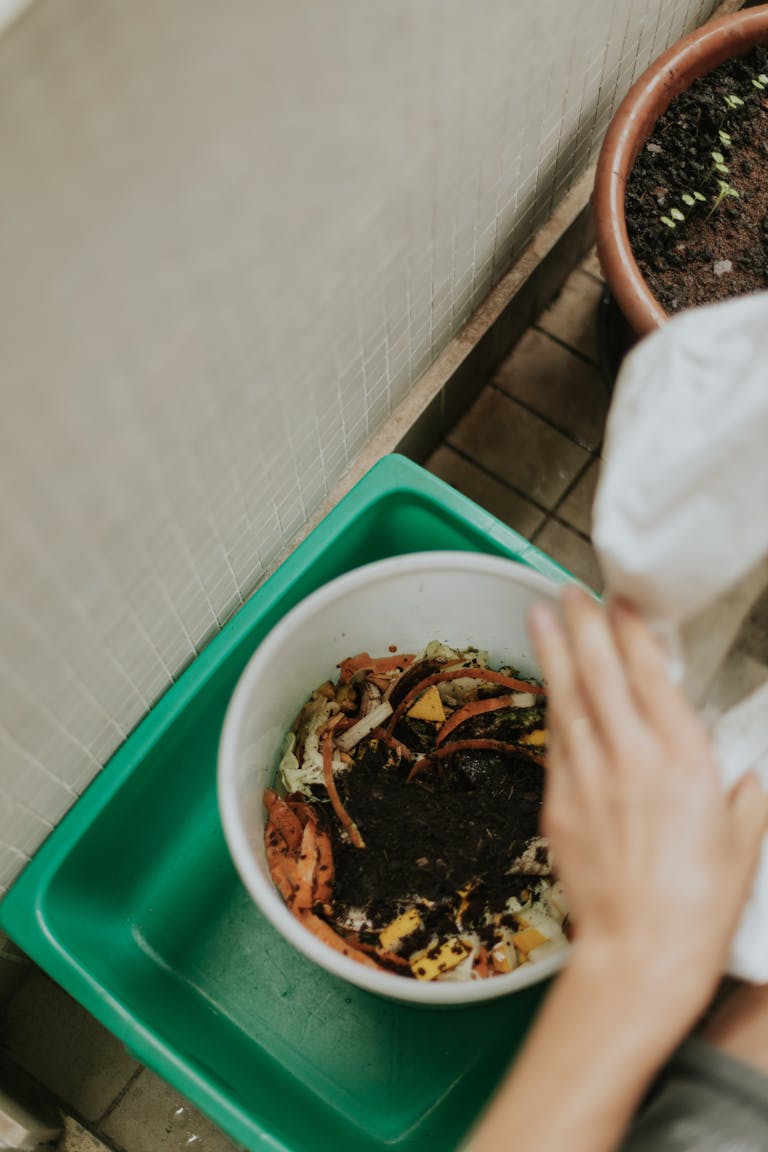
- Composting & Soil Building 101 – Turn everyday kitchen scraps and yard waste into one of the best soil amendments you can make yourself.
- How to Improve Sandy Soil Naturally – Gardening in sandy soil instead? Learn how to help it retain more water, nutrients, and organic matter without relying on expensive products.
Every garden has challenges, whether it’s heavy clay, loose sand, or something in between. The encouraging news is that healthy soil can be built almost anywhere with patience, consistent care, and a willingness to work with nature instead of against it.
Join the Porch Sitters
A house becomes a home through the small things we choose to learn, make, repair, grow, and pass along. Those skills don’t disappear overnight, and they won’t return overnight either. They come back one season, once project, and one meal at a time.
That’s what the Porch Sitters are all about.
Each edition of The Front Porch brings practical homesteading skills, seasonal guidance, thoughtful encouragement, and new resources to help you build a more capable household. No clutter. No chasing every trend. Just timeless knowledge that still has a place in modern life.
If that sounds like the kind of home you’re building, we’d be glad to save you a seat.
Rediscover the skills that turn a house into a home.