Why Healthy Soil Holds More Water (and Why That Matters More Than You Think)
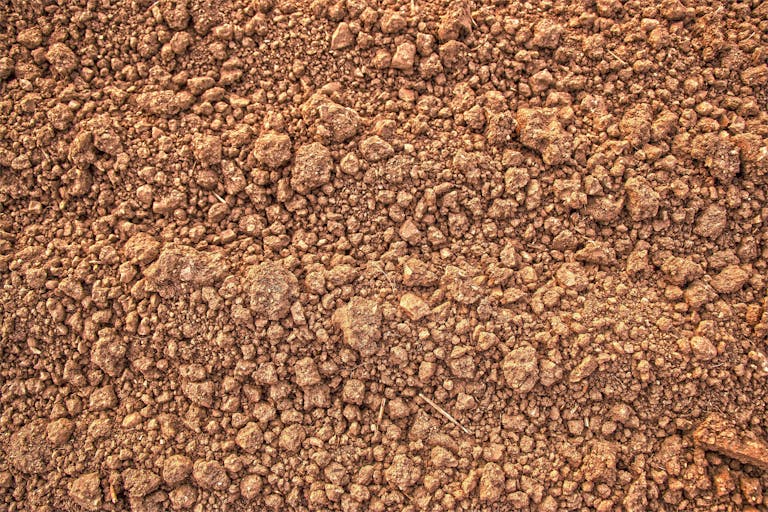
Healthy soil holds more water than poor soil, but even the best watering routine can’t compensate for unhealthy soil. If you’ve ever watered a garden only to watch the water run across the surface instead of soaking in, you’ve already witnessed the difference healthy soil makes. Many gardeners assume watering problems begin with the weather. In reality, they often begin beneath their feet.
Healthy soil functions like a natural reservoir. It absorbs rainfall, stores moisture, and releases it gradually as plants need it. Poor soil behaves more like a parking lot. Water either runs off, evaporates quickly, or drains away before plant roots have much chance to use it. That’s one reason experienced gardeners spend so much time improving their soil instead of simply watering more often.
A garden that holds water well usually requires less work, wastes fewer resources, and produces healthier plants throughout the growing season.
Water Doesn’t Stay in Soil by Accident
The ability to hold water isn’t determined by luck. It’s determined by soil structure.
Healthy soil is filled with tiny spaces called pores. Some are large enough to allow air and excess water to move through the soil. Others are small enough to hold moisture where plant roots can reach it. Those spaces don’t appear naturally in worn-out soil; they’re created over time by earthworms, plant roots, fungi, bacteria, and decaying organic matter working together.
That’s why soil biology matters so much. Healthy soil isn’t simply loose dirt. It’s a living system that continually builds better structure from the inside out.
Organic Matter Is Nature’s Water Reservoir
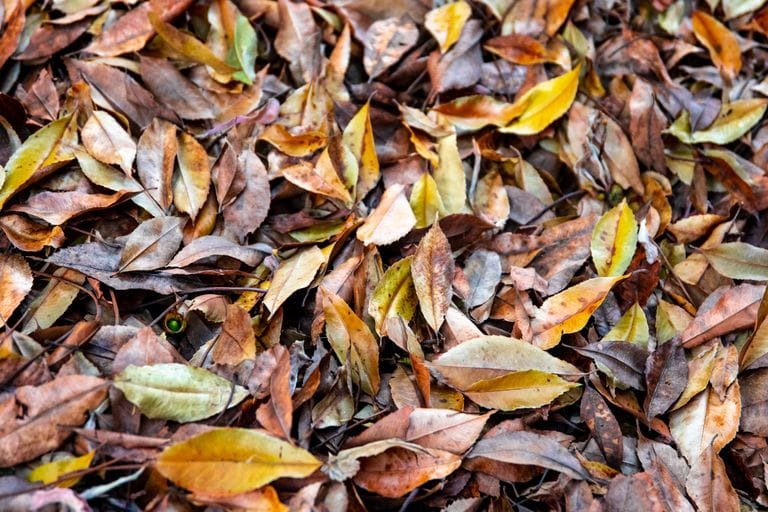
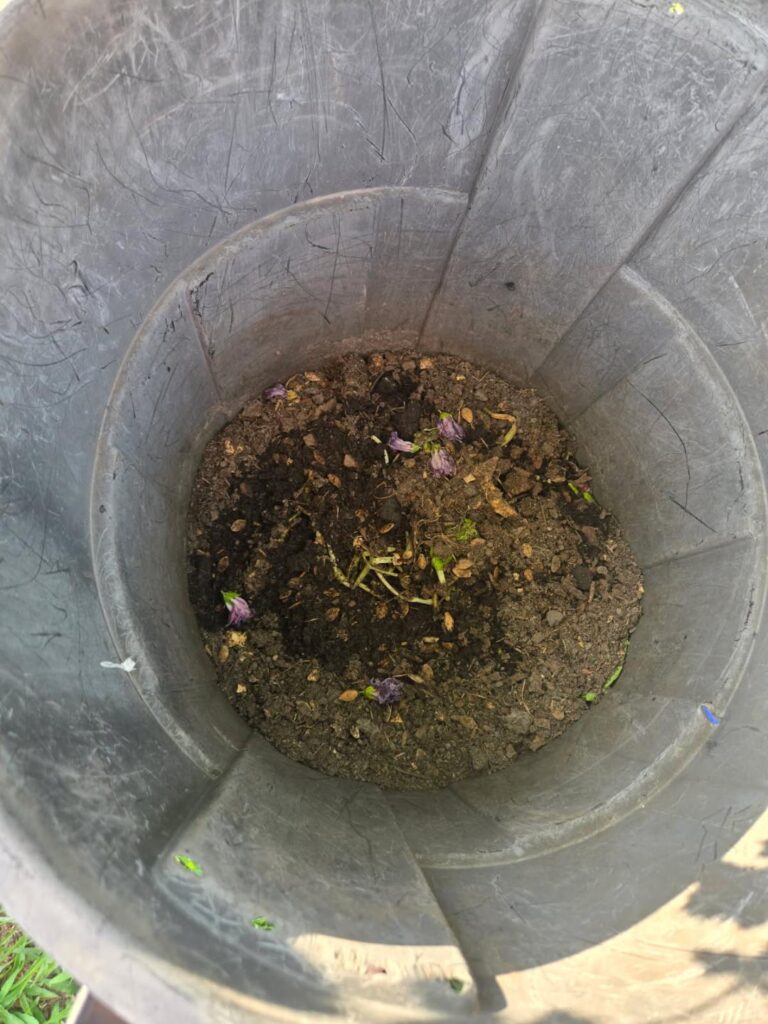
If there is one ingredient that consistently improves a soil’s ability to hold water, it’s organic matter. As compost, shredded leaves, aged manure, and other natural materials break down, they become part of the soil itself. This organic material acts like countless tiny sponges scattered throughout the ground.
The 1% Rule: The data behind this is staggering. According to the USDA Natural Resources Conservation Service, every 1% increase in soil organic matter allows the soil to hold roughly 20,000 gallons of water per acre.
Each rainfall or watering fills those microscopic reservoirs with moisture that remains available long after the surface appears dry. Because of this, adding organic matter drastically improves how different soil types behave:
| Soil Type | The Core Problem | How Organic Matter Helps |
|---|---|---|
| Sandy Soil | Water drains too quickly, washing away nutrients. | Creates countless tiny pockets that hold moisture longer instead of allowing it to drain away immediately. |
| Clay Soil | Particles pack tightly together, causing water to pool and run off. | Separates dense clay particles, creating channels that allow water to soak into the soil. |
| Loamy Soil | Already balanced, but can lose organic matter over time. | Increases the soil’s ability to store moisture and remain resilient during dry weather. |
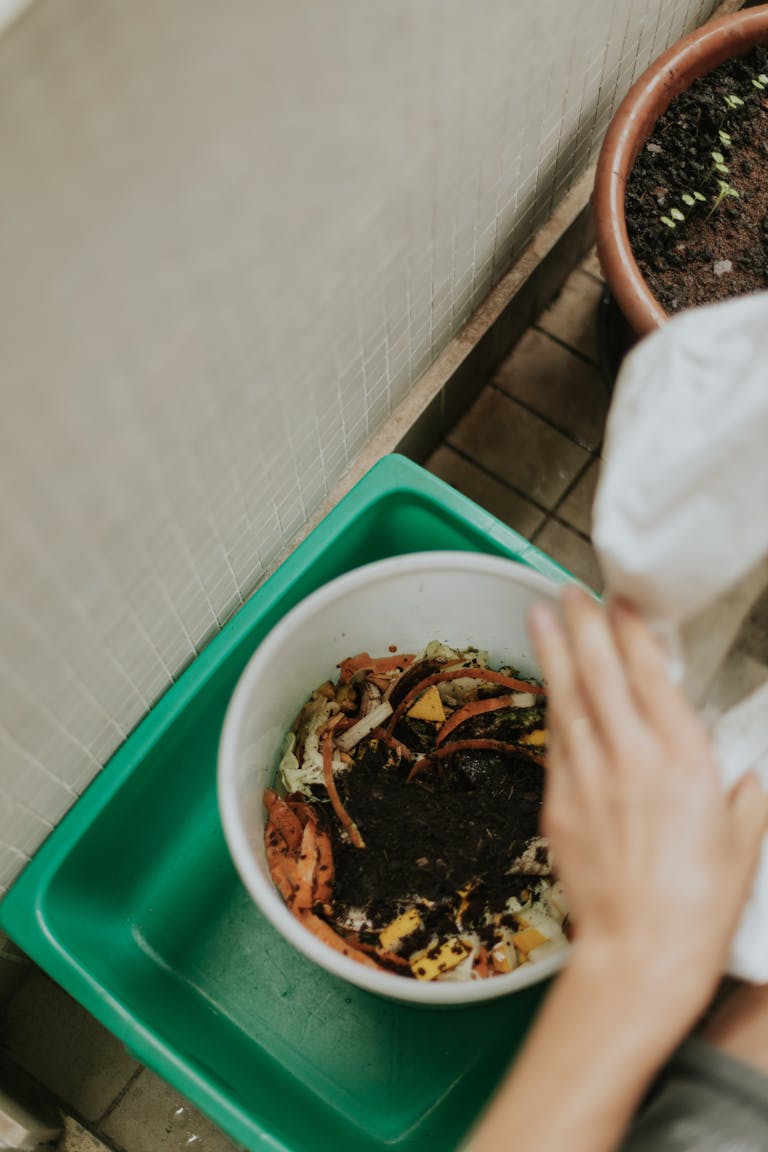
You don’t need expensive soil amendments to accomplish this. In many cases, materials that would otherwise be thrown away—fallen leaves, compost, grass clippings, or shredded garden debris—become some of the most valuable improvements you can make.
Nature has been recycling organic matter successfully for a very long time. We’re usually better off cooperating with that process than trying to replace it with another bag from the garden center.
How Healthy Soil Holds More Water
When water can’t soak into the soil, gardeners often respond by watering more frequently. Unfortunately, that rarely solves the problem. If the soil can’t absorb moisture well, adding more water simply creates more runoff.
Healthy soil holds more water because it allows rainfall and irrigation to move downward where plant roots actually need it. Instead of rushing away in minutes, the water has time to soak into the network of pores created by healthy soil structure. Less water evaporates from the surface, and less is lost flowing across the garden.
Over time, that means healthier plants using less water. For gardeners living through drought, water restrictions, or simply trying to lower utility bills, improving soil may be one of the most effective long-term solutions available.
Roots Need Water—and Air
One of the biggest misconceptions about watering is that wetter soil is always better. It isn’t. Plant roots need oxygen just as much as they need moisture.
Healthy soil holds water while still allowing air to move between soil particles. This balance keeps roots healthy and supports the billions of organisms responsible for recycling nutrients.
Compacted soil struggles to do either job well. Water often pools near the surface while deeper roots remain dry, and oxygen becomes limited. Good soil structure solves both problems at the same time.
Mulch Helps the Soil Keep What It Gains
Holding water isn’t only about what happens below ground; the soil surface matters too.
A layer of natural mulch slows evaporation, shields the soil from direct sunlight, reduces erosion during heavy rain, and helps moderate soil temperatures. As mulch slowly breaks down, it contributes even more organic matter to the soil beneath it.
It’s another example of small improvements working together. Healthy soil, organic matter, living organisms, and mulch each play a role. Together they create a garden that becomes more resilient every season.
Building Better Soil Takes Time
There isn’t a product that permanently fixes poor soil overnight. Healthy soil develops through consistent, patient habits repeated year after year.
- Feed the ground by regularly adding compost and other organic matter.
- Protect the surface by keeping the soil covered with mulch whenever practical.
- Let nature work by leaving fallen leaves to decompose and growing cover crops.
- Disturb less by avoiding unnecessary tilling, which destroys the fragile network of soil pores that took years to develop.
None of these practices are particularly complicated, but they do require patience. Fortunately, healthy soil remembers the work you invest in it. Every season you improve the soil makes the next season a little easier, a little more resilient, and a little less dependent on constant intervention.
Final Thoughts
One of the quiet rewards of improving your soil is that the garden begins asking less from you. You’ll water less frequently, and your plants will recover from hot weather more easily. Heavy rains will soak deep into the earth instead of washing away valuable topsoil.
Dry spells become a little less stressful because the soil has stored some of what nature provided earlier.
That’s the kind of stewardship worth pursuing. Healthy soil doesn’t waste water; it saves it for when it’s needed most—and in a capable household, that’s exactly the kind of quiet efficiency we’re always working toward.
Join the Porch Sitters
A house becomes a home through the small things we choose to learn, make, repair, grow, and pass along. Those skills don’t disappear overnight, and they won’t return overnight either. They come back one season, once project, and one meal at a time.
That’s what the Porch Sitters are all about.
Each edition of The Front Porch brings practical homesteading skills, seasonal guidance, thoughtful encouragement, and new resources to help you build a more capable household. No clutter. No chasing every trend. Just timeless knowledge that still has a place in modern life.
If that sounds like the kind of home you’re building, we’d be glad to save you a seat.
Rediscover the skills that turn a house into a home.