Overwatering vs. Underwatering Plants: How to Tell the Difference
One of the first questions new gardeners ask is, “How often should I water?”
It sounds like a simple question, but it’s a bit like asking how often someone should eat. Learning the difference between overwatering vs. underwatering plants is one of the most valuable skills a gardener can develop. The answer depends on the weather, the soil, the plant, and the season.
Unfortunately, many gardeners spend more time looking at the calendar than they do looking at their plants. Plants don’t care that it’s Tuesday because that’s your watering day; they respond to what’s happening around them. A week of steady rain changes their needs. So does a stretch of ninety-five-degree afternoons with drying winds. Learning to recognize those changes is one of the most valuable gardening skills you’ll ever develop.
The good news is that plants are remarkably good communicators. The challenge is learning what they’re trying to tell you.
Learning that language saves water, prevents disease, encourages stronger root systems, and spares you the frustration of trying to solve a problem you accidentally created yourself.
Why Watering Problems Can Be So Confusing
Here’s what frustrates many beginners: overwatered plants and underwatered plants often look surprisingly similar.
Both may wilt, develop yellow leaves, stop growing, or begin dropping flowers and fruit. It’s easy to assume every wilted plant simply needs another drink of water. However, sometimes that’s exactly the wrong thing to do.
Water stress isn’t just about how much water a plant receives. It’s about whether the roots can absorb oxygen and moisture properly. Too little water leaves roots dry. Too much water leaves them sitting in soil so saturated that they can’t get the oxygen they need. The symptoms may look alike above ground, but the causes beneath the soil are completely different.
Before you reach for the hose, take a minute to look at the whole plant. A quick observation can often tell you far more than watering out of habit ever will.
Quick Reference: Overwatering vs. Underwatering
| Symptom | Overwatered Plant | Underwatered Plant |
|---|---|---|
| Leaf Texture | Soft, limp, or mushy | Crisp, dry, and brittle |
| Leaf Color | Yellowing (often starting at the bottom) | Brown edges or tips |
| Soil Condition | Consistently wet, soggy, or green with algae | Dry, cracked, or pulling away from the container edge |
| Stems | Soft, squishy, or rotting near the base | Weak but dry and stiff |
| Recovery | Does not perk up after a few hours | Perks up relatively quickly after a deep soak |
Signs Your Plants Are Underwatered
Underwatering usually develops gradually unless temperatures become extreme. Watch for:
- Leaves that droop during the morning and remain wilted throughout the day
- Dry, dusty soil several inches below the surface
- Crispy brown leaf edges
- Slowed growth and stunted development
- Flowers dropping before fruit develops, or small fruits that stop growing
- Leaves that become dry, thin, and brittle
The “Afternoon Wilt” Exception: Many vegetables naturally wilt during the hottest part of the afternoon to reduce water loss and protect themselves. If they recover by evening after temperatures begin cooling, they do not need watering. If they are still wilted the following morning, they are genuinely thirsty.
Signs Your Plants Are Overwatered
Too much water creates problems that appear more slowly but can be much more damaging. Common signs include:
- Yellowing leaves, especially the lower, older leaves
- Leaves that feel soft and limp rather than dry
- Consistently soggy, mud-like soil
- Mushy, dark stems near the base of the plant
- Fungus, mushrooms, or green mold growing on the soil surface
- Leaves falling off the plant while they are still entirely green
Because roots need oxygen to survive, constantly wet soil can be every bit as stressful as drought. In severe cases, plants growing in saturated soil begin wilting because their damaged, rotting roots simply can’t move water through the plant anymore. Ironically, gardeners often respond to this wilt by watering even more, sealing the plant’s fate.
Check the Soil Before You Reach for the Hose
If there’s one habit that will improve your watering more than anything else, it’s this: touch the soil.
Don’t just look at the surface. Stick your finger two to three inches into the ground. If the soil feels cool and moist at that depth, most garden plants can wait. If it’s bone-dry, it’s probably time to water.
For larger gardens, a simple soil moisture meter can be helpful, but your hands are often just as reliable once you gain experience. The goal isn’t to follow a schedule. The goal is to understand what your soil is telling you.
Your Environment Changes Everything
The same watering routine can work beautifully in one setting and fail completely in another. That’s because where and how your plants grow determines how quickly they use water.
Soil Type (For In-Ground Gardens)
- Sandy soil drains rapidly and usually needs watering more frequently.
- Clay soil holds water like a sponge and can easily become waterlogged if watered too often.
- Loamy soil offers the best balance, retaining healthy moisture while allowing excess water to drain away.
Improving your soil with compost and organic matter makes watering easier over time because healthy soil holds moisture without remaining saturated.
Raised Beds
Raised beds typically drain faster than traditional in-ground gardens, especially when filled with loose, compost-rich soil. During stretches of hot, windy weather, they often require watering more frequently than surrounding garden beds. Check the soil regularly rather than assuming they need the same schedule as the rest of your garden.
Pots and Containers
Container plants dry out much faster than plants growing in the ground because they have far less soil available to hold moisture. Dark-colored pots, fabric grow bags, and containers sitting on concrete or patios can dry even more quickly during summer.
Always make sure your containers have adequate drainage holes. Without them, excess water has nowhere to go, making root rot almost inevitable.
Newly Planted Seedlings
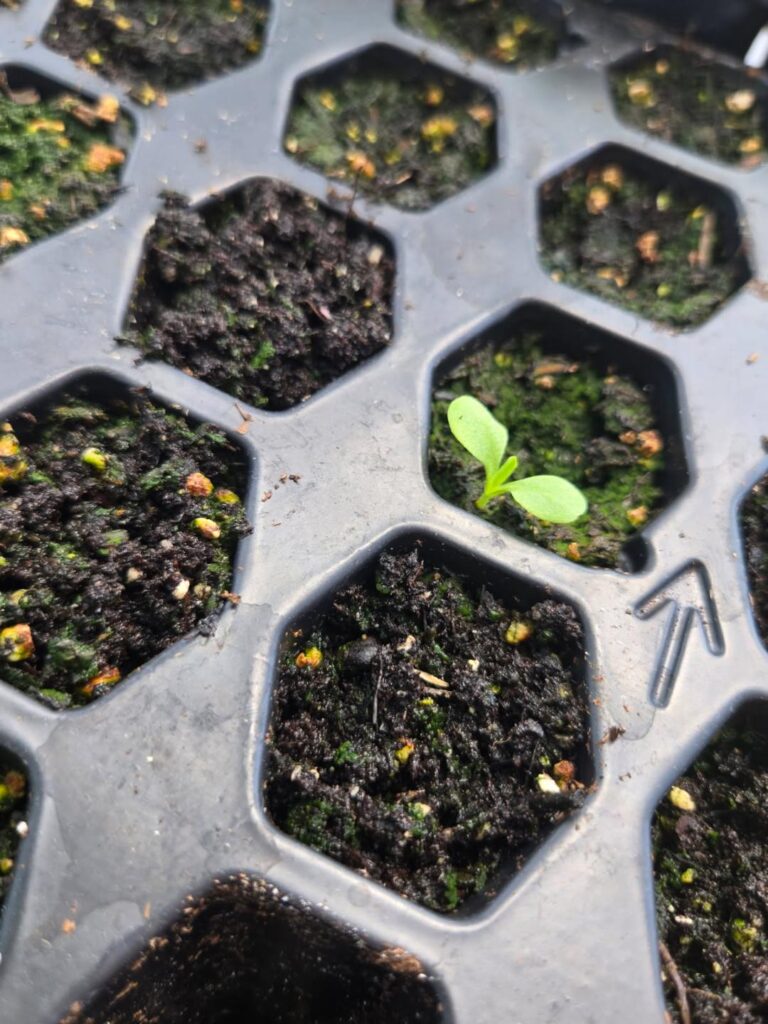
Newly planted seedlings are another exception. Their small root systems haven’t yet spread into the surrounding soil, so they dry out much faster than established plants. During the first week or two, they’ll usually need more frequent watering while they become established. Once new growth appears, gradually transition to deeper, less frequent watering to encourage roots to grow farther into the soil.
Weather vs. the Calendar
Many gardening books recommend watering once or twice each week. Treat those recommendations as starting points—not promises.
A cool, cloudy week may require very little watering, while a week of relentless heat, low humidity, and drying winds may require daily attention.
Rainfall matters too, but don’t let it fool you. A brief summer shower that barely wets the mulch isn’t the same as a slow, soaking rain that reaches several inches deep.
During droughts or watering restrictions, learning to recognize genuine water stress becomes even more valuable. Every gallon counts, and watering wisely helps your plants while conserving one of your most valuable resources.
How to Water Correctly
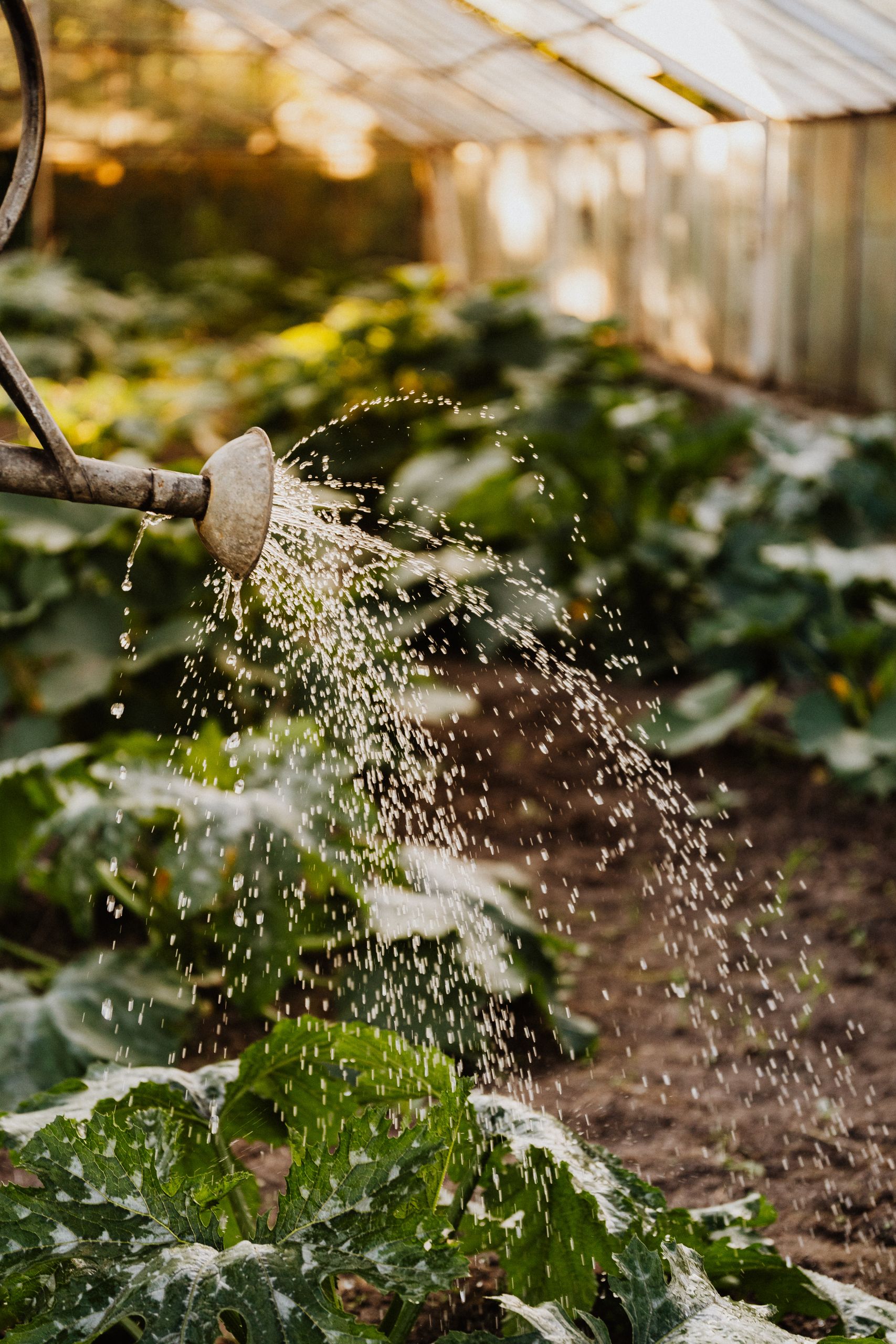
Once you’ve determined your plants actually need water, make it count. Water thoroughly and deeply.
A deep soaking encourages roots to grow downward where moisture remains longer. Frequent light watering keeps roots close to the surface, making plants far more vulnerable during hot weather.
Deep watering is only half the equation. Giving the soil time to begin drying between waterings is just as important because healthy roots need both moisture and oxygen. Constantly saturated soil creates weak roots, while allowing the soil to dry completely places unnecessary stress on the plant. The goal is consistent moisture, not constant moisture.
Whenever possible, follow these best practices:
- Water early in the morning. This gives leaves time to dry, reducing the risk of fungal diseases while minimizing evaporation.
- Water the soil, not the leaves. Aim your hose or watering can at the base of the plant. Leaves don’t drink water; roots do.
- Apply water slowly. Give the ground time to absorb the moisture instead of letting it run across the surface.
- Mulch around your plants. Straw, shredded leaves, untreated wood chips, and other organic mulches help reduce evaporation, moderate soil temperatures, and keep moisture where your plants need it most.
Join the Porch Sitters
A house becomes a home through the small things we choose to learn, make, repair, grow, and pass along. Those skills don’t disappear overnight, and they won’t return overnight either. They come back one season, once project, and one meal at a time.
That’s what the Porch Sitters are all about.
Each edition of The Front Porch brings practical homesteading skills, seasonal guidance, thoughtful encouragement, and new resources to help you build a more capable household. No clutter. No chasing every trend. Just timeless knowledge that still has a place in modern life.
If that sounds like the kind of home you’re building, we’d be glad to save you a seat.
Rediscover the skills that turn a house into a home.
Learn to Observe Before You React
One of the quiet lessons gardening teaches is patience. Not every yellow leaf signals disaster. Not every wilted plant is dying. And not every problem can be solved by buying another product from the garden center.
Often, the best thing you can do is slow down, observe carefully, and resist the urge to fix a problem before you’ve identified it. Good gardeners spend as much time paying attention as they do watering.
We’ve grown accustomed to quick fixes, automatic systems, and products that promise instant results. Gardening asks something different of us. It rewards observation over impulse and consistency over shortcuts.
The more closely you pay attention, the less you’ll rely on guesswork. You’ll begin noticing subtle changes before they become major problems, and you’ll spend less time correcting mistakes because you’ll prevent many of them in the first place.
Healthy gardens aren’t built by watering more. They’re built by watering wisely.
The best gardeners aren’t the ones who water the most.
They’re the ones who notice the most.