10 Mistakes Every New Gardener Makes (And How to Avoid Them)
Starting a garden is one of the most hopeful things a person can do.
A packet of seeds costs a few dollars. A handful of plants fit neatly into a shopping cart. A freshly prepared garden bed looks full of promise. It’s easy to picture baskets overflowing with tomatoes, crisp salads harvested just steps from the kitchen, and enough extra produce to share with friends and neighbors.
Then reality arrives.
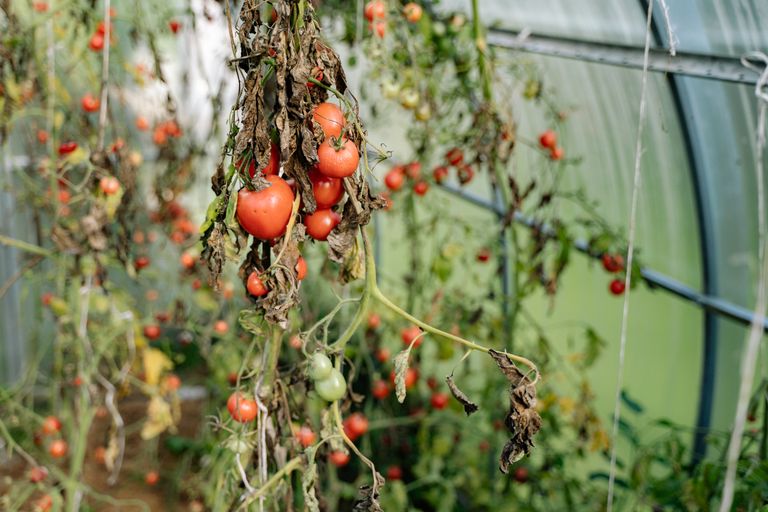
The tomatoes get blight. The squash develops mysterious holes. Half the lettuce bolts and turns bitter before it’s ready to harvest. Weeds seem to grow faster than anything you intentionally planted.
If that sounds familiar, welcome to gardening.
The truth is that nearly every experienced gardener has killed plants, wasted money, planted things at the wrong time, and spent at least one season wondering what on earth went wrong. Gardening isn’t difficult because plants are complicated. It’s difficult because nature doesn’t always follow our plans.
The good news is that the mistakes every new gardener makes are usually predictable and completely fixable once you know what to look for. Once you learn to recognize them, you can avoid a great deal of frustration, wasted effort, and unnecessary expense.
Here are ten mistakes nearly every new gardener makes—and exactly how to avoid them.
1. Starting Too Big
This is probably the most common gardening mistake of all.
A new gardener gets inspired and decides to plant enough vegetables to feed a small village. By July, the weeds are winning, the watering feels like a second job, and the excitement has turned into an obligation.
A garden should always fit your available time, energy, and current level of experience.
One of the quickest ways to waste money in the garden is trying to buy your way into a harvest before you’ve built the skills to manage it. Bigger gardens require more time, more watering, more weeding, and more maintenance.
The Rule: A well-maintained 4×8 raised bed will out-produce a neglected quarter-acre plot every single time. Start small, master the basics within that footprint, and expand only when your time budget allows.
2. Planting Without Understanding Sunlight
Many nursery labels call for “full sun,” but beginners often underestimate what that actually means. Most fruiting vegetables (including tomatoes, peppers, and squash) need at least 6 to 8 hours of direct, unfiltered sunlight each day to perform well and produce a heavy harvest.
- The Fix: Before digging, map your space. Spend one Saturday checking your intended plot every two hours. Note where morning shade lingers, where buildings cast shadows, and where the blazing afternoon sun hits. Sometimes the problem isn’t your green thumb; it’s simply the shadow of a nearby tree or fence.
- A Common Mistake: Many gardeners accidentally count bright shade as sunlight. Just because an area looks bright enough to comfortably read a book doesn’t mean vegetables will thrive there. If direct sunlight isn’t regularly reaching the soil, many crops will struggle no matter how much fertilizer or water you provide.
3. Ignoring Soil Quality
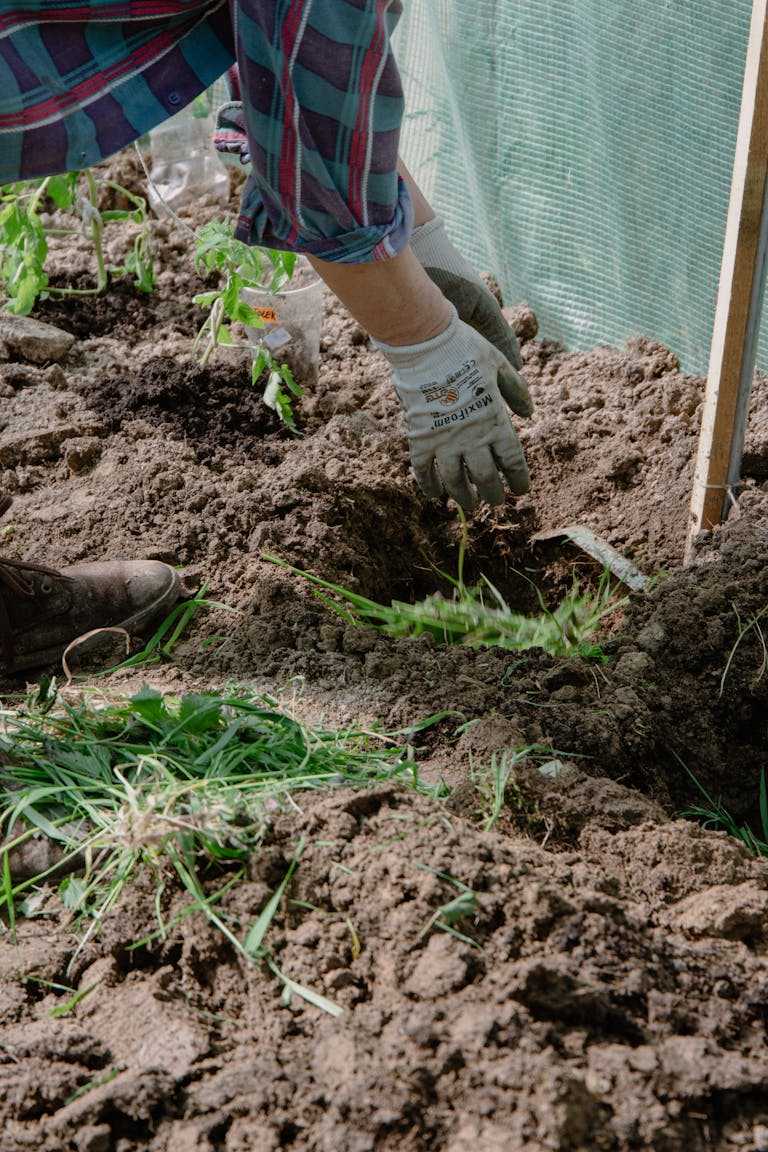
Focusing entirely on the plant while ignoring the dirt is like picking out paint colors for a house with a cracked foundation. Plants can only perform as well as the soil supporting them. Poor, compacted, or nutrient-deficient soil leads to weak growth, pest vulnerability, and disappointing harvests.
- The Fix: Feed the soil first, and it will feed your plants. Prioritize top-dressing your garden beds with 2 to 3 inches of high-quality organic compost every season to build structure, improve water retention, and support beneficial soil life.
- The Backyard Test: Want to know what you’re working with? Fill a straight-sided mason jar about one-third full of garden soil. Add water until the jar is nearly full, add a drop of dish soap, and shake vigorously for about a minute. Allow it to settle. Within several hours, you’ll see layers form: sand on the bottom, silt in the middle, and clay near the top. Understanding your soil texture helps explain how your garden drains, holds moisture, and stores nutrients.
4. Watering Too Much—or Too Little
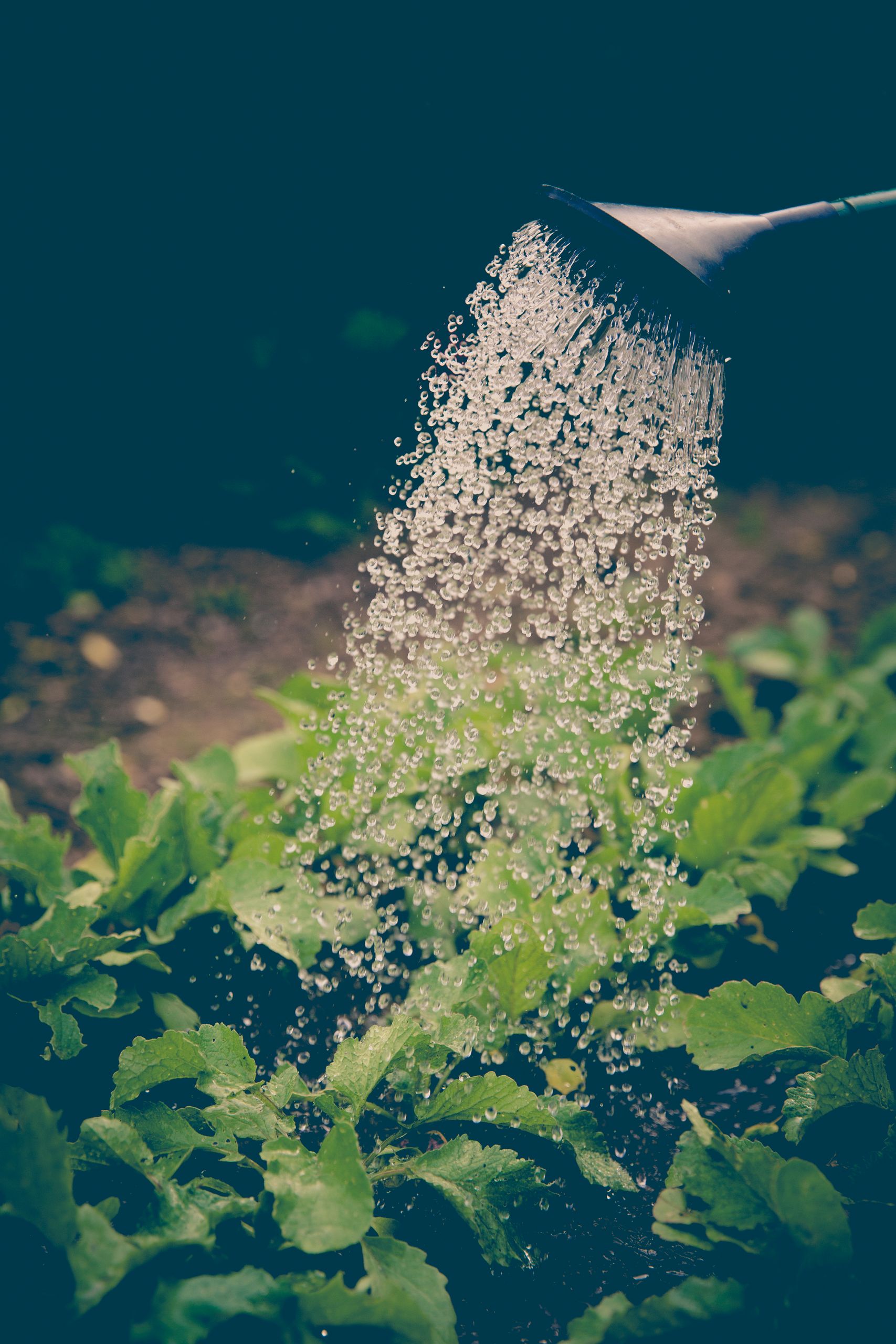
New gardeners often assume more water automatically means healthier plants, but roots need oxygen just as much as moisture. Constantly wet soil suffocates roots and encourages disease. At the same time, shallow daily watering keeps roots near the surface where they become vulnerable to heat and drought.
- The Fix: Ditch the strict calendar schedule and use the Knuckle Test instead. Push your index finger about two inches into the soil. If it feels dry, water deeply at the base of the plant. If it’s still moist, leave it alone and check again tomorrow.
Deep watering encourages plants to build stronger root systems. Shallow watering teaches plants to become dependent on constant attention.
5. Planting at the Wrong Time
A surprising number of gardening disappointments happen before the seed ever touches the soil. Every crop has preferred growing conditions and temperature thresholds. Tomatoes dislike cold soil. Lettuce quickly turns bitter in summer heat. Peas thrive in cool weather and struggle when temperatures climb.
- The Fix: Don’t trust grocery store or big-box store displays to determine your planting schedule. Nurseries routinely sell warm-weather crops weeks before it’s safe to plant them outdoors.
Garden centers are selling inventory. Your garden is operating on weather.
Find your local frost dates and build a simple planting calendar tailored to your area. A little patience in spring often saves a great deal of frustration later.
6. Forgetting About Mulch
Many beginners think mulch is mostly an optional aesthetic touch for landscaping. Experienced growers know it is one of the most useful tools in the garden. Mulch conserves moisture, regulates soil temperature, protects soil microbes, and prevents many weed seeds from germinating.
The Fix: Never leave soil bare. Nature has a habit of covering exposed ground, and if you don’t choose what’s growing there, weeds will make the decision for you. Use a 2-inch layer of clean straw, shredded leaves, or wood chips to conserve moisture and dramatically reduce weeding.
- What to Avoid: Fresh wood chips work wonderfully around pathways, fruit trees, and perennial plantings. However, avoid mixing large quantities directly into vegetable garden soil where they can temporarily tie up nitrogen as they decompose.
7. Fighting Every Insect
The first time a new gardener spots a bug, the instinct is often to reach for a spray bottle.
That reaction is understandable. It’s also frequently unnecessary.
A garden is supposed to have life in it. The goal isn’t eliminating every insect. The goal is keeping things in balance.
Broad-spectrum spraying often kills beneficial predators right alongside the pests, leaving your garden even more vulnerable when the next wave arrives.
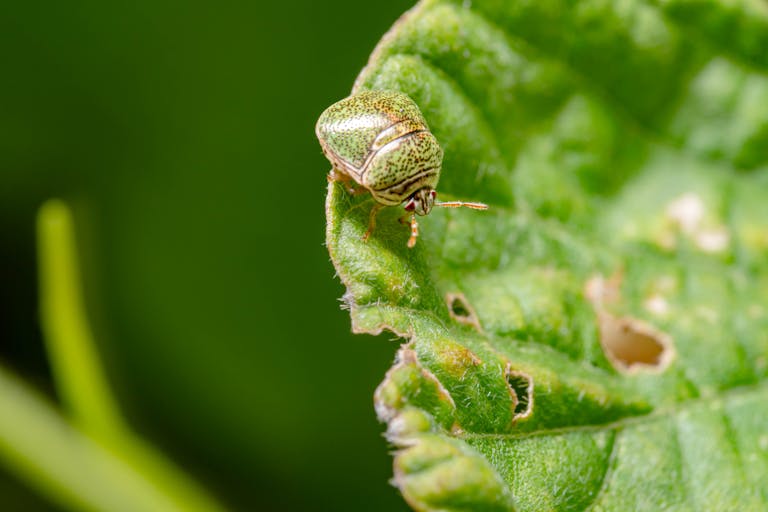
- The Fix: Adopt a 24-hour waiting period whenever you discover an unfamiliar insect. Identify it before taking action. Many beneficial insects—including ladybugs, lacewings, and parasitic wasps—help control pest populations naturally.
Often, the solution arrives on wings before you ever need a spray bottle.
8. Neglecting Regular Observation
The most powerful tool in your garden costs absolutely nothing: consistent presence.
Small problems are easy to manage. Large problems are often small problems that went unnoticed.
A tomato hornworm discovered today is a minor inconvenience. A tomato hornworm discovered three weeks from now, after it has defoliated half your plant, is a painful lesson.
- The Fix: Make a daily walk-through part of your routine. Don’t just admire the garden from a distance. Flip over leaves. Check stems. Look for signs of insect activity, disease, or stress before they become serious problems.
- Pro Tip: Hornworms are masters of camouflage and blend almost perfectly with tomato stems. Instead of looking for the caterpillar itself, look for dark green droppings on lower leaves. If you find the droppings, the hornworm is usually somewhere directly above them.
9. Expecting Perfection
Social media has done backyard gardeners very few favors.
Online, every harvest basket looks flawless. Every tomato is perfectly shaped. Every garden bed appears immaculate.
Real gardens don’t look like that.
Real gardens have insect bites, weather blemishes, occasional crop failures, and vegetables that grow in shapes that seem to defy common sense.
- The Fix: Focus on utility rather than appearance. A slightly scarred heirloom tomato grown in your backyard will almost always taste better than a perfectly round supermarket tomato shipped hundreds of miles.
Gardening is a practical skill, not a photography competition.
Progress beats perfection every single time.
10. Giving Up After One Bad Season
This may be the most expensive mistake of all.
Gardening has an uncanny ability to humble people. There will be seasons when a late frost wipes out your spring greens. There will be years when disease ruins a crop you were counting on.
One of the mistakes every new gardener makes is believing a failed season means they’re simply not good at gardening. The gardeners who succeed aren’t the ones who never fail. They’re the ones who treat failure as information.
A dead crop is disappointing.
A dead crop that teaches you something useful is tuition.
- The Fix: Keep a simple garden notebook. Record planting dates, weather patterns, successes, and failures. A failed crop isn’t wasted effort if it teaches you how to adjust your approach next season.
Knowledge accumulates one year at a time.
Eventually, those lessons become harvests.
Join the Community
Want practical homesteading tips, beginner-friendly guides, and old-fashioned skills that still matter today? Join the Waste Not Want Not Community and get new articles, helpful resources, and homestead inspiration delivered straight to your inbox.
Final Thoughts
A productive garden isn’t built in a single season. It’s built one observation, one lesson, and one small improvement at a time.
The gardeners who succeed aren’t necessarily the ones with the best natural soil, the largest budgets, or the most expensive tools. They’re the ones who keep learning from the mistakes every new gardener makes, pay attention to what the garden is telling them, and keep showing up season after season.
In many ways, gardening is less about growing plants than it is about developing competence. You learn how to solve problems, how to work with nature instead of against it, and how to provide for your household using your own hands and judgment.
Those are skills worth cultivating, whether the harvest is perfect or not.
And if a few plants die along the way? Welcome to the club. Every gardener you admire has a compost pile full of past mistakes.