Common Signs of Plant Stress (and What They Mean)
Common signs of plant stress often appear long before a plant begins to fail. Walk through your garden on any summer evening and you’ll probably notice a plant that doesn’t look quite right.
It’s easy to assume the worst.
Many beginning gardeners immediately reach for fertilizer, insect spray, or another product that promises a quick fix. Garden centers are full of bottles designed to solve every imaginable problem, and somehow every one of them claims your plant needs exactly what’s inside.
Plants, however, rarely struggle without giving us clues first.
The trick isn’t finding the right cure. The trick is learning to recognize what the plant is trying to tell you. A stressed plant isn’t necessarily a dying plant. More often, it’s asking you to pay attention. Once you understand the message, you’ll often find the solution is simpler—and far less expensive—than you expected.
Plants Communicate Through Change
Plants can’t move to better conditions. If the soil stays too wet, they stay in it. If temperatures climb into the upper nineties for weeks, they endure it. If insects arrive or nutrients become scarce, they have no choice but to adapt.
Their only way of communicating is by changing how they look and grow:
- Leaves change color.
- Growth slows.
- Flowers drop.
- Fruit develops poorly.
These aren’t random events. They’re signals. Learning to recognize the common signs of plant stress helps you solve problems before they become serious. Instead of asking, “What’s wrong with my tomato?” try asking, “What changed recently?”
Did temperatures suddenly spike? Has it rained for two weeks? Did you fertilize yesterday? Has watering become inconsistent? Looking at the whole picture usually reveals far more than looking at a single yellow leaf.
1. Wilting Doesn’t Always Mean Thirst
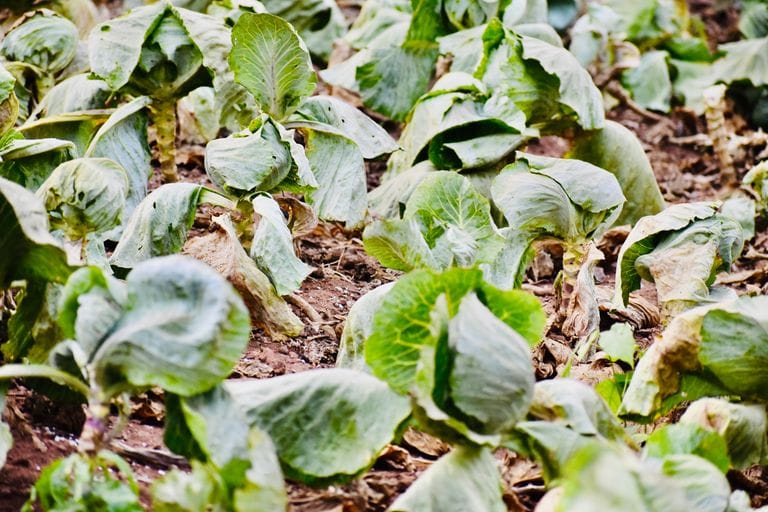
Wilting is probably the most misunderstood sign in the garden. Most people see drooping leaves and immediately reach for the hose. Sometimes that’s exactly the right response. Sometimes it makes the problem worse.
Dry soil causes plants to wilt because they don’t have enough moisture to maintain pressure inside their cells. But overly wet soil produces the exact same appearance. Waterlogged roots can’t absorb oxygen; suffocating roots begin to die, and the plant above ground wilts because it can no longer pull up moisture.
The Finger Test: Before watering, push your finger two or three inches into the ground. If it’s dry, a deep watering is needed. If it’s still damp, watering again will only make the problem worse and can eventually lead to root rot. The soil should make your watering decisions—never the calendar.
2. Yellow Leaves: Patterns Matter
Yellow leaves make gardeners nervous. Sometimes they should, but sometimes they are completely normal.
A few older leaves near the bottom of the plant naturally yellow and drop as new growth develops. That’s simply part of the plant’s life cycle. Widespread yellowing, however, points to environmental stress. To diagnose the issue, you must look at where the yellowing occurs:
- Bottom, older leaves first: This often indicates a nutrient deficiency (like nitrogen) or overwatering. The plant is actively moving mobile nutrients away from its old leaves to support new growth.
- Top, newest leaves first: If new growth emerges pale or bright yellow while old leaves stay green, it’s often a sign of a micronutrient deficiency (like iron), usually caused by improper soil pH.
- The entire plant uniformly: This usually signals severe root stress, severe underwatering, or poor drainage.
The location of the yellowing always provides more useful information than the color itself.
3. Brown, Crispy Leaf Edges
Crispy brown edges—often called “leaf scorch”—develop when plants lose moisture from their foliage faster than their roots can replace it. This commonly happens during:
- Hot, windy weather
- Extended drought
- Inconsistent watering (letting the soil become bone dry before soaking it)
- Salt buildup from excessive synthetic fertilizer
The problem isn’t always that the soil is completely dry; sometimes, moisture simply isn’t reaching the outer edges of the leaves consistently enough to support them. Healthy soil rich in organic matter acts as a buffer against these swings by holding moisture longer and releasing it gradually.
4. Curling Leaves Require Investigation
Curling leaves tend to worry gardeners because they often appear suddenly overnight. Unfortunately, there isn’t one simple cause, as leaves curl as a defense mechanism or a reaction to damage.
Leaves may curl because of:
- Heat and Drought: Leaves cup or roll inward to reduce their surface area, conserving moisture.
- Sap-Sucking Pests: Aphids, thrips, and spider mites feed on the undersides of leaves, causing them to twist and distort.
- Herbicide Drift: This is more common than many gardeners realize. Weed killers sprayed on nearby lawns, fence lines, or driveways can travel on the wind and injure garden plants that were never intended to be sprayed. Damage often appears as tightly curled, twisted, or strap-like new growth.
Rather than assuming one cause, inspect the entire plant. Turn leaves over. Look for insects. Check if nearby plants are showing the same pattern. The more clues you gather, the easier it becomes to identify the real cause.
5. Slow Growth Isn’t Always a Fertilizer Problem
When plants stop growing, fertilizer is often blamed first. Yet nutrients are only one piece of the puzzle. Plants also stall due to cool soil temperatures, extreme heat, compacted soil, poor root development, inadequate sunlight, or transplant shock.
Adding fertilizer to a plant that is struggling from extreme heat or poor drainage is like giving someone vitamins while they’re standing ankle-deep in a flood. You’re treating the wrong problem, and the excess fertilizer can actually burn already-stressed roots.
Healthy plants grow because their environment supports them—not simply because they’re fed.
6. Dropping Flowers and Fruit
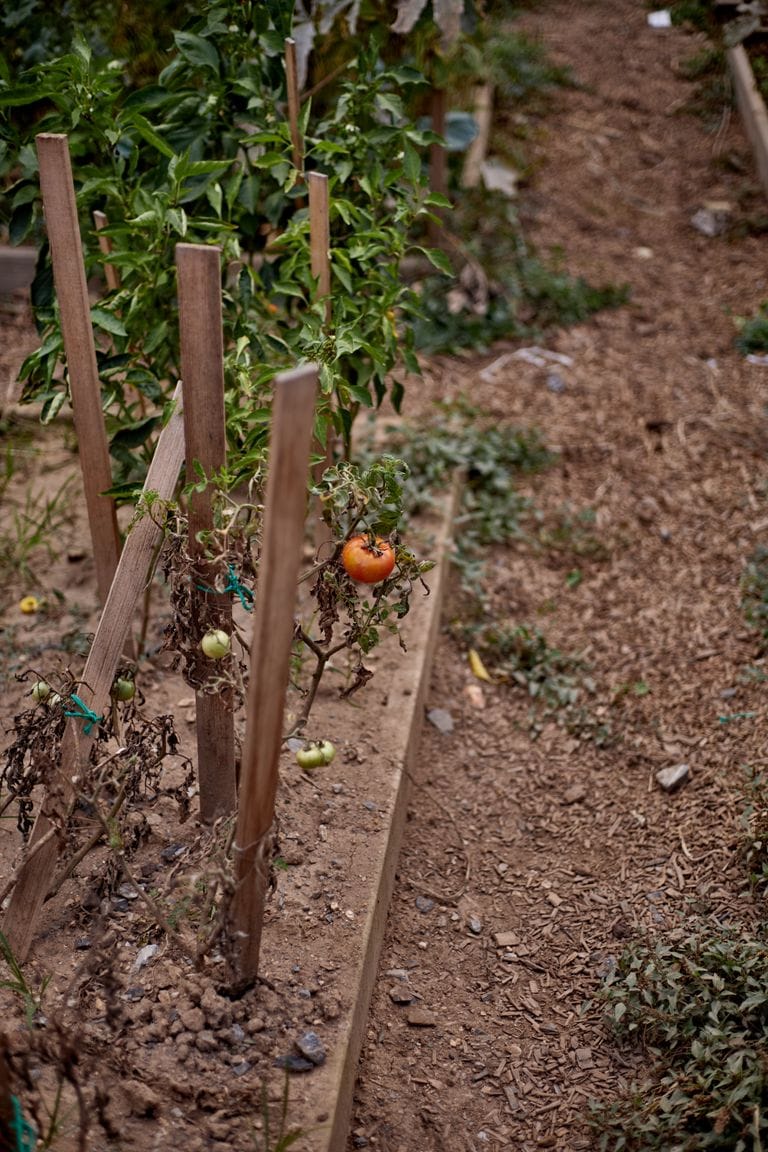
Few things disappoint gardeners faster than seeing tomato blossoms or tiny peppers fall off the vine before producing fruit. Fortunately, this is usually a temporary survival tactic.
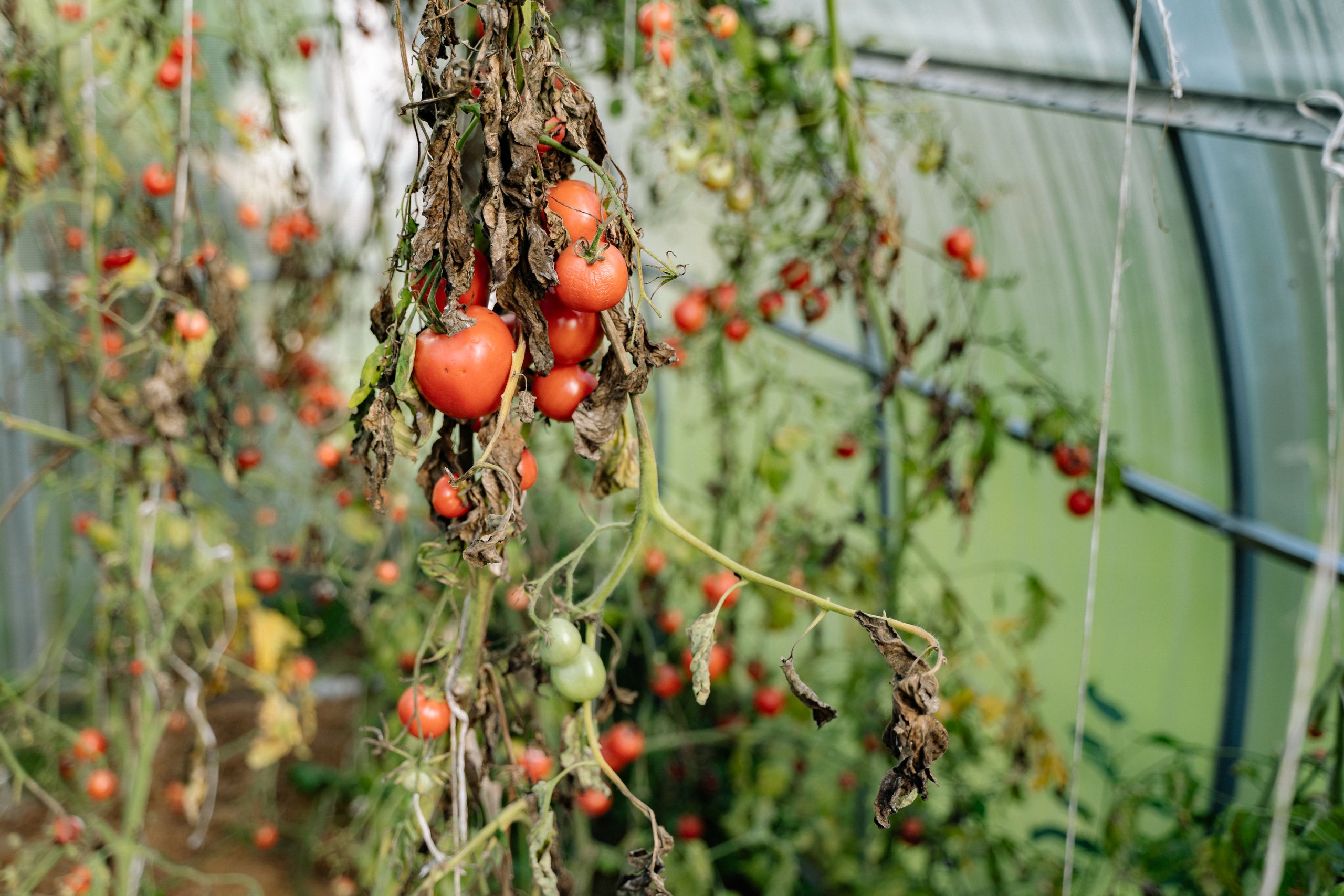
Plants frequently drop flowers or young fruit when weather conditions become unfavorable. Extreme heat is the primary culprit. Many tomato varieties, for example, struggle to set fruit once daytime temperatures climb above 90°F or nighttime temperatures remain above 70°F.
Inconsistent watering and rapid temperature swings can cause the same reaction. The plant is simply sacrificing reproduction in order to conserve its energy and survive. Once the heat wave breaks or conditions stabilize, healthy plants usually resume flowering normally.
7. Spots, Holes, and Cosmetic Damage
Not every damaged leaf means disaster. A few insect holes here and there are simply part of an outdoor ecosystem. Perfect leaves exist mostly in seed catalogs.
Before treating a plant for pests or disease, ask yourself a few questions:
- Is the damage actively spreading?
- Is only one specific plant affected, or is it hitting everything?
- Are the actual pests present, or did they already leave?
- Are the brand-new leaves emerging healthy and clean?
One damaged leaf rarely tells the whole story. The overall trajectory of the plant’s health matters far more than minor cosmetic imperfections.
Learn to Look Before You Act
One of the hardest lessons in gardening is learning that every problem doesn’t require an immediate solution. Sometimes, the best thing you can do is observe for a day or two.
Watch how the plant responds to the evening cool. Notice whether symptoms spread or stay isolated. Check the soil before watering, inspect the leaves before spraying, and look for environmental patterns before assuming a disease.
Experienced gardeners rarely diagnose a plant from a single symptom. They look for patterns. They notice what changed. Learning to recognize the common signs of plant stress helps them solve problems before they become serious. They consider the weather, the soil, and the timing before deciding what to do next.
Modern gardening culture often encourages us to buy a product for every problem. Nature usually rewards a little patience instead. Careful observation solves more garden problems than impulse buying ever will.
Healthy gardens begin with healthy habits. The healthiest gardeners aren’t the ones who never encounter problems—they’re the ones who learn to recognize small changes before those changes become major setbacks. Plants are remarkably good communicators. The more time you spend listening, the easier gardening becomes.
Join the Porch Sitters
A house becomes a home through the small things we choose to learn, make, repair, grow, and pass along. Those skills don’t disappear overnight, and they won’t return overnight either. They come back one season, once project, and one meal at a time.
That’s what the Porch Sitters are all about.
Each edition of The Front Porch brings practical homesteading skills, seasonal guidance, thoughtful encouragement, and new resources to help you build a more capable household. No clutter. No chasing every trend. Just timeless knowledge that still has a place in modern life.
If that sounds like the kind of home you’re building, we’d be glad to save you a seat.
Rediscover the skills that turn a house into a home.