Sustainable Organic Gardening
If you’ve already read some of the articles here, you might remember my confession from the Composting & Soil Building Hacks section: my introduction to sustainable organic gardening included managing to kill a cactus.
A cactus. A plant whose entire evolutionary strategy is surviving absolute neglect.
So, if you’re worried that you don’t have a green thumb, trust me—you are in excellent, brown-thumbed company. We are definitely not starting with cacti here.
Old Wisdom for Modern Spaces
The truth is that sustainable organic gardening isn’t about perfection; it’s about connection.
For past generations, gardening wasn’t a cute weekend hobby or a way to curate an aesthetic feed—it was survival. Our grandparents fed their families through economic hardship, war rations, and long winters using observation, resourcefulness, and a deep respect for the dirt. They didn’t have synthetic chemical sprays or overnight shipping for plastic fertilizer bottles. They learned how to save seeds, build soil fertility naturally, and make use of every available resource because waste simply wasn’t an option.
Today, we have the incredible privilege of inheriting that hard-earned wisdom without carrying the same heavy burden. Better yet? You don’t need a sprawling, multi-acre setup to do it. You don’t even need a backyard.
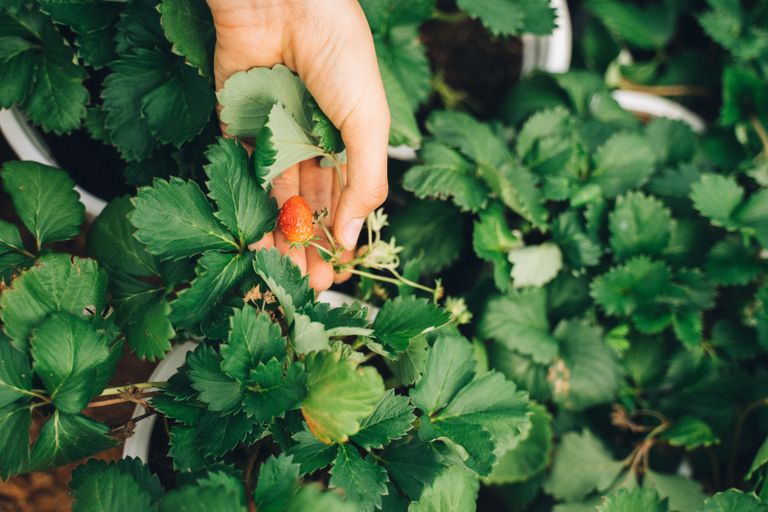
A sunny windowsill can grow a steady supply of fresh, aromatic herbs. A small porch or balcony can support a surprisingly productive container garden, and a single raised bed can produce more than many people expect. Every generational harvest started the exact same way: with a single seed and a willingness to try. The skills that create an abundant garden aren’t learned all at once—they’re built one season, one success, and sometimes one mistake at a time.
Working With Nature, Not Against It
Here, we bridge traditional, old-school wisdom with modern, practical gardening tools and research. We’ll explore how to save your own seeds, conserve water, attract beneficial insects, and design a space that thrives on its own terms.
None of these practices exist in isolation. Healthy soil grows healthier plants. Healthy plants are better able to withstand stress from heat, drought, and pests. Thoughtful watering conserves resources while encouraging stronger root systems. Welcoming pollinators and beneficial insects creates a healthier balance in the garden. Over time, these small, intentional choices work together to create a space that becomes more productive, more resilient, and easier to care for with each passing season.
Instead of relying on quick fixes that deplete the soil, the focus here is on natural methods that build long-term health for your garden, your harvests, and the ecosystem around them. We aren’t chasing perfection or buying into the newest gimmicks. We are creating systems that become healthier, more productive, and less wasteful with each passing season.
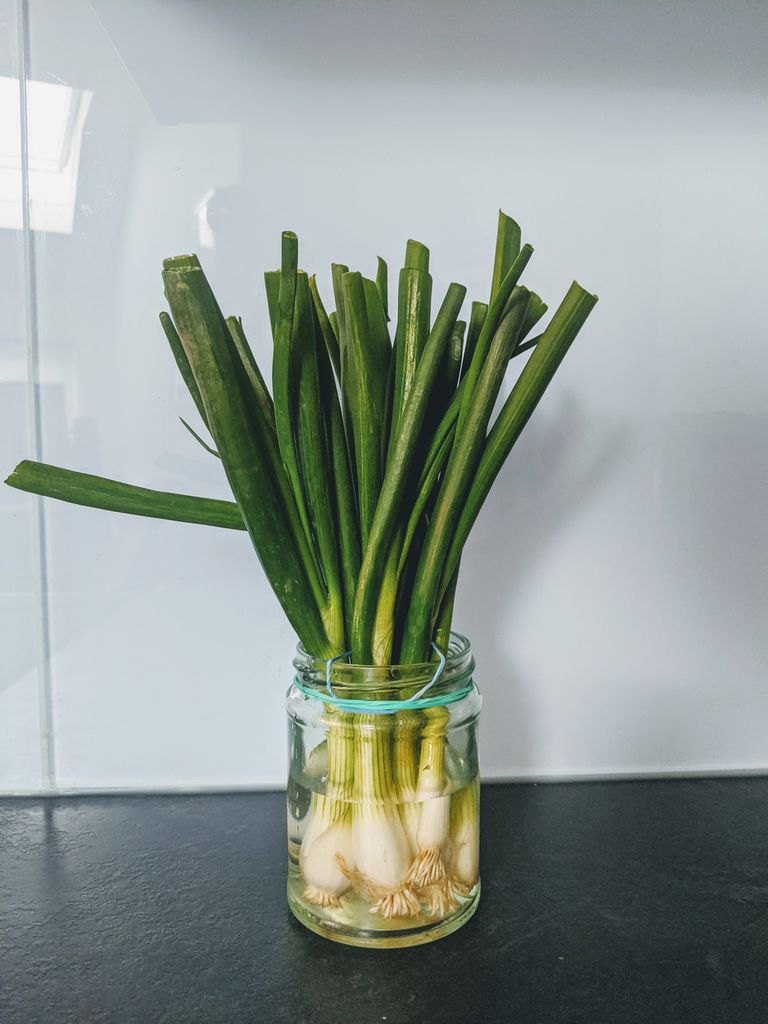
Whether you’re planting your very first basil seed in a recycled cup on your kitchen sill or managing a chaotic backyard plot, you are welcome here.
And hey, if you’ve killed a cactus before? Consider it a rite of passage.
Let’s grow something better.
Join the Porch Sitters
A house becomes a home through the small things we choose to learn, make, repair, grow, and pass along. Those skills don’t disappear overnight, and they won’t return overnight either. They come back one season, once project, and one meal at a time.
That’s what the Porch Sitters are all about.
Each edition of The Front Porch brings practical homesteading skills, seasonal guidance, thoughtful encouragement, and new resources to help you build a more capable household. No clutter. No chasing every trend. Just timeless knowledge that still has a place in modern life.
If that sounds like the kind of home you’re building, we’d be glad to save you a seat.
Rediscover the skills that turn a house into a home.