How to Save Seeds From Your Garden for Next Year
Saving garden seeds is one of the most rewarding skills a gardener can learn, but one of the most satisfying moments doesn’t happen at planting time or even during harvest. It happens when you save seeds from this year’s garden, knowing they’ll become next year’s harvest.
For generations, gardeners carefully saved seeds from their healthiest plants. It was practical, economical, and helped preserve varieties that performed well in their local climate. While seed packets are still inexpensive compared to many gardening supplies, saving seeds offers something money can’t buy—plants that have already proven themselves in your own backyard.
The good news is that seed saving doesn’t require expensive equipment or years of experience. With a little planning and patience, almost any gardener can begin building a seed collection one season at a time.
Why Save Your Own Seeds?
Saving seeds is about more than saving a few dollars. Each season, your garden teaches you which plants handled your soil, rainfall, heat, and pests the best. By collecting seeds from your best-performing plants each year, you’re gradually selecting plants that are better adapted to your garden.
Other benefits include:
- Cost savings: Spending less on seeds each spring.
- Self-reliance: Becoming less dependent on buying new seed every season.
- Preservation: Keeping favorite varieties that perform especially well alive.
- Community: Sharing seeds with friends, neighbors, and family.
- Tradition: Continuing an old gardening legacy that has been passed down for generations.
Even if you only save seeds from one or two crops this year, it’s a meaningful step toward a more self-sufficient garden.
Not Every Plant Produces Seeds Worth Saving
One of the biggest surprises for new gardeners is that not every seed will grow into the same plant it came from.
Many vegetables sold today are hybrids, created by crossing two parent varieties to combine desirable traits like disease resistance, higher yields, or uniform growth. There’s nothing wrong with growing hybrids, but the seeds they produce often won’t grow true to the original plant because the offspring inherit a mix of traits from both parent lines.
If you want predictable results, focus on saving seeds from open-pollinated or heirloom varieties. Your seed packet will usually tell you what you’re growing, often labeling hybrids as F1 Hybrid.
The Easiest Vegetables for Beginners
Many beginner-friendly seed crops are self-pollinating, which makes unwanted cross-pollination much less common. Excellent starter choices include:
- Beans
- Peas
- Lettuce
- Tomatoes
- Peppers
These vegetables produce plenty of seed, and collecting them is relatively straightforward. As your confidence grows, you can branch out into crops that require a little more planning.
Let Seeds Fully Mature
Many vegetables are harvested for dinner long before their seeds are actually ready. For seed saving, you’ll need to leave a few of your healthiest plants in the garden much longer than usual. Think of these chosen plants as next year’s investment rather than part of this year’s harvest.
- Lettuce should be allowed to bolt, produce a flower stalk, and develop fluffy seed heads.
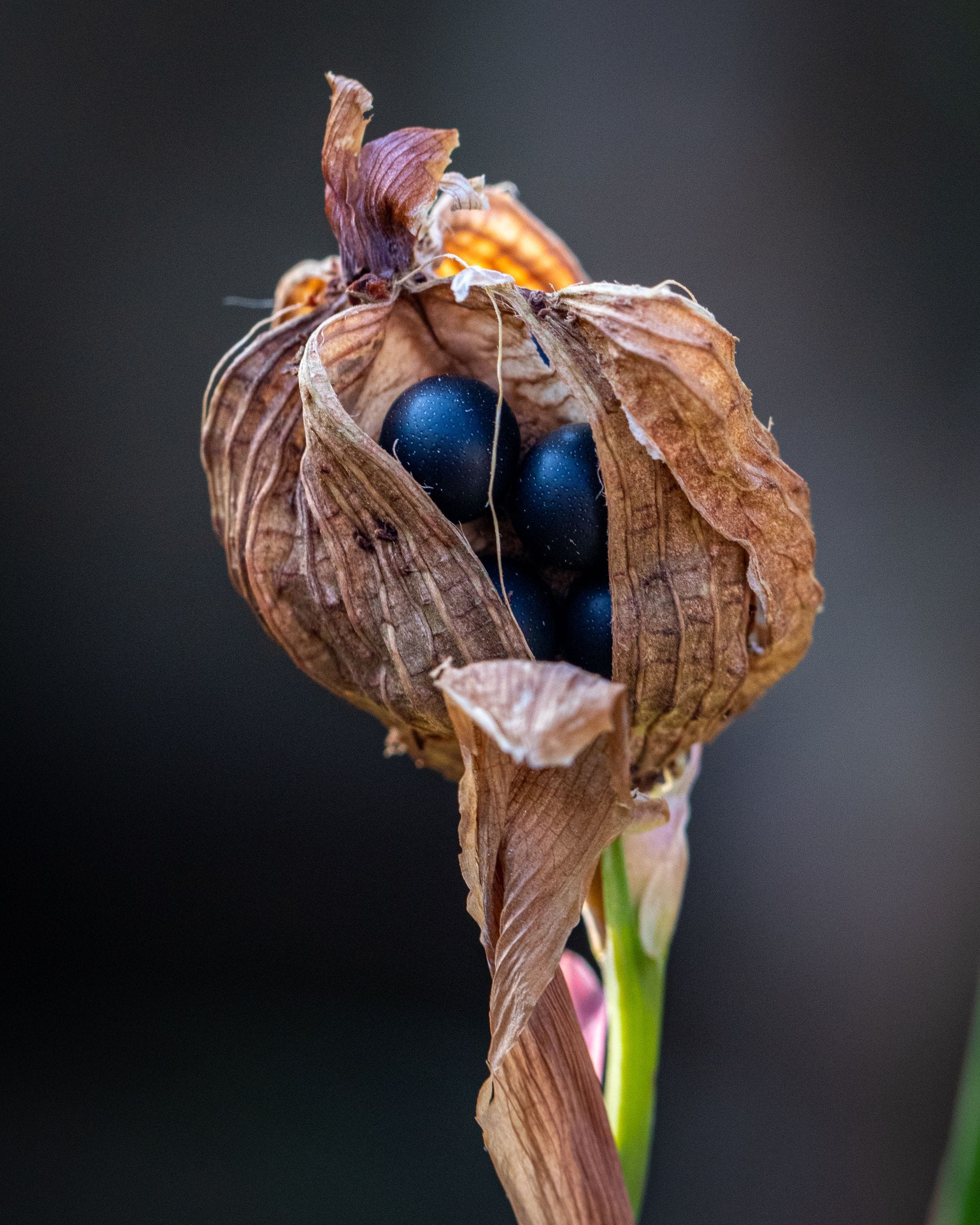
- Beans and peas should dry completely on the plant until the pods turn brown and brittle.
- Peppers should be left on the plant until they reach their fully ripe color.
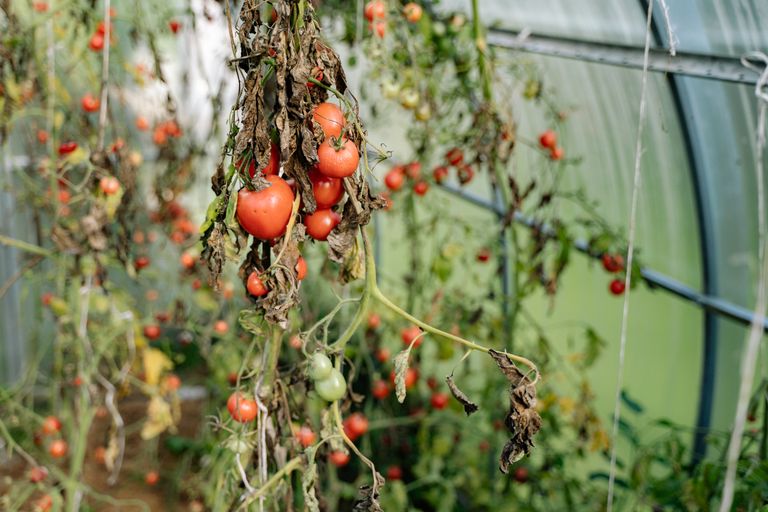
- Tomatoes should be fully ripe—often even slightly soft—before harvesting seeds.
Choose Your Best Plants
Avoid collecting seeds from the first plant you see. Instead, observe your garden throughout the season and choose plants that consistently performed well—ones that produced heavily, stayed healthy, resisted disease, handled summer heat well, and grew vegetables with excellent flavor. Those are the characteristics you want to encourage in future generations.
Note: Avoid saving seeds from weak, stunted, or diseased plants. While many problems are caused by growing conditions rather than genetics, collecting seed from your healthiest plants gives you the best chance of producing vigorous, productive plants in the future.
Harvest and Process Seeds Carefully
Different vegetables require different methods, but one rule applies to almost all of them: seeds must be completely dry before storage. Any remaining moisture can lead to mold or poor germination later.
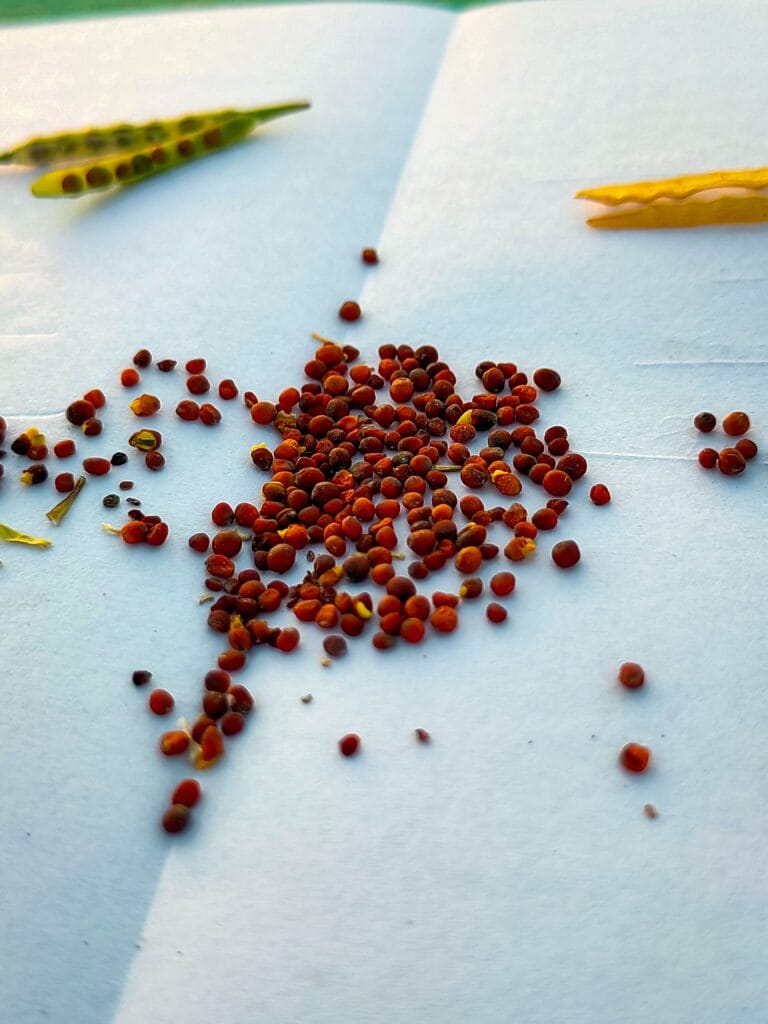
For dry seeds like beans, peas, and lettuce, simply collect the mature seeds and spread them on paper plates, coffee filters, or paper towels. Place them in a warm, dry location with good airflow, away from direct sunlight. Depending on your humidity, drying usually takes one to three weeks.
Quick Tip: Saving Tomato Seeds
Tomato seeds are surrounded by a slippery gel that naturally prevents them from sprouting inside the fruit. To remove it, squeeze the seeds and pulp into a small jar, add a little water, and let the mixture sit for two or three days until a thin layer of mold forms on top. Rinse the seeds thoroughly in a fine-mesh strainer, then spread them out to dry completely before storing.
Store Seeds the Right Way
Once your seeds are completely dry—they should snap rather than bend—store them somewhere cool, dark, and dry. Good storage options include paper coin envelopes, small glass jars, or airtight containers with labeled seed packets inside.
A pantry, closet, or another location with a stable temperature usually works well. Avoid storing seeds in places that experience frequent heat, humidity, or temperature swings, such as garages, sheds, or greenhouses.
Always label each variety with:
- Crop and variety name
- Harvest year
- Original source (such as your garden or the original seed company)
- Notes about performance, flavor, or disease resistance
It only takes one forgotten envelope to realize how valuable good labels are.
How Long Will Saved Seeds Last?
Most properly stored vegetable seeds remain viable for several years, although germination rates naturally decline with age.
| Vegetable | Typical Viability |
|---|---|
| Beans | 3–4 years |
| Peas | 3–4 years |
| Tomatoes | 4–6 years |
| Peppers | 2–4 years |
| Lettuce | 2–3 years |
If you’re unsure whether older seeds are still good, perform a simple germination test indoors before planting season. It’s an easy way to avoid disappointment when it’s time to sow your garden.
Seeds That Are More Difficult to Save
Some vegetable families cross-pollinate very easily. These include squash, pumpkins, cucumbers, melons, and corn. If multiple compatible varieties are growing nearby, insects or wind can cross-pollinate them, producing plants the following year that may not resemble either parent variety.
That doesn’t mean you shouldn’t save these seeds—it simply requires a little more planning. If you plan to save seed from these crops, it’s usually easiest to grow only one compatible variety or research the recommended isolation distance for that particular vegetable. Many gardeners choose to master the easier crops first before tackling these vegetables.
Don’t Expect Perfection
Every gardener loses a few seeds along the way. Sometimes they mold, sometimes germination rates disappoint, and sometimes labels get mixed up. That’s all part of learning.
Fortunately, most vegetables produce hundreds of seeds from just a handful of plants, giving you plenty of opportunities to improve each season. Like gardening itself, seed saving becomes easier with practice.
Start Small This Year
You don’t need to save seeds from your entire garden all at once. Choose one easy crop this season. Learn the process. Next year, save two or three more.
Before long, you’ll open a small box of labeled envelopes each spring instead of buying every packet at the store. More importantly, you’ll be planting seeds that have already proven they belong in your own garden—taking another step toward a garden that becomes stronger, more productive, and better adapted with each passing season.
Where to Go Next
Healthy seeds are only half the equation—the soil they land in matters just as much. Now that you’ve learned how to save seeds for next year, learning how to improve your soil naturally will help those saved seeds develop into strong, productive plants, allowing your garden to become more resilient and productive with each passing season.
Join the Porch Sitters
A house becomes a home through the small things we choose to learn, make, repair, grow, and pass along. Those skills don’t disappear overnight, and they won’t return overnight either. They come back one season, once project, and one meal at a time.
That’s what the Porch Sitters are all about.
Each edition of The Front Porch brings practical homesteading skills, seasonal guidance, thoughtful encouragement, and new resources to help you build a more capable household. No clutter. No chasing every trend. Just timeless knowledge that still has a place in modern life.
If that sounds like the kind of home you’re building, we’d be glad to save you a seat.
Rediscover the skills that turn a house into a home.