What to Do With More Tomatoes Than You Can Possibly Eat
If you’ve found yourself wondering what to do with too many tomatoes, you’re in good company. Every summer, gardeners discover that a few tomato plants can quickly produce more than one family can eat fresh.
There’s a certain point every summer when a tomato plant stops being generous and starts becoming ambitious.
One day you’re excited to pick your first ripe tomato for a sandwich. A week later, the kitchen counter is covered, bowls are filling up, and every meal somehow includes tomatoes. Friends begin avoiding eye contact because they’re afraid you’re about to hand them another grocery bag full.
It’s a good problem to have, but it can still feel overwhelming.
The good news is that an abundant harvest doesn’t have to become wasted food. With a little planning, fresh tomatoes can feed your family now while also stocking your pantry, freezer, and future meals for months to come.
The goal isn’t to preserve every tomato perfectly. The goal is to make sure as few as possible end up in the trash.
Start With the Tomatoes That Need Attention First
Not every tomato has the same shelf life. Before deciding what to make, sort your harvest into a few simple groups:
- Eat today: Fully ripe tomatoes that are soft and ready to use.
- Use this week: Firm, ripe tomatoes that still have several good days left.
- Preserve soon: Tomatoes that are becoming very ripe but are still in good condition.
- Rescue partially: Tomatoes with cracked skin, a soft spot, or minor damage. Cut away the bad portion and use the rest in sauces, soups, or salsa—don’t compost the whole tomato over one blemish.
- Compost: Tomatoes that are moldy, fermented, or damaged throughout, with no good flesh left to save.
This quick sorting step prevents perfectly good tomatoes from disappearing beneath newer harvests, and it means almost nothing goes to waste simply because it isn’t picture-perfect.
Eat Fresh While They’re at Their Best
The first tomatoes of summer deserve to be enjoyed fresh. Use them in:
- BLTs and tomato sandwiches
- Garden, Caprese, and pasta salads
- Fresh salsa and bruschetta
- Burgers and homemade pizza
- Simple sliced tomatoes with a sprinkle of salt and pepper
Fresh tomatoes are hard to beat, so don’t rush every single one into long-term storage.
How to Freeze Too Many Tomatoes
If you’re not sure where to start, freeze them.
Freezing is quick, requires no special equipment, and lets you decide later whether those tomatoes will become soup, sauce, salsa, or chili. When the harvest is coming in faster than you can keep up, your freezer can buy you some breathing room. You don’t even have to peel them first.
- Wash the tomatoes and remove the stems.
- Freeze them whole on a rimmed baking sheet.
- Transfer them to airtight freezer bags once they are frozen solid.
Pro Tip: When you thaw them later for winter soups, chili, sauces, and stews, the skins will slip off effortlessly with just a gentle tug.
Turn Them Into Sauce
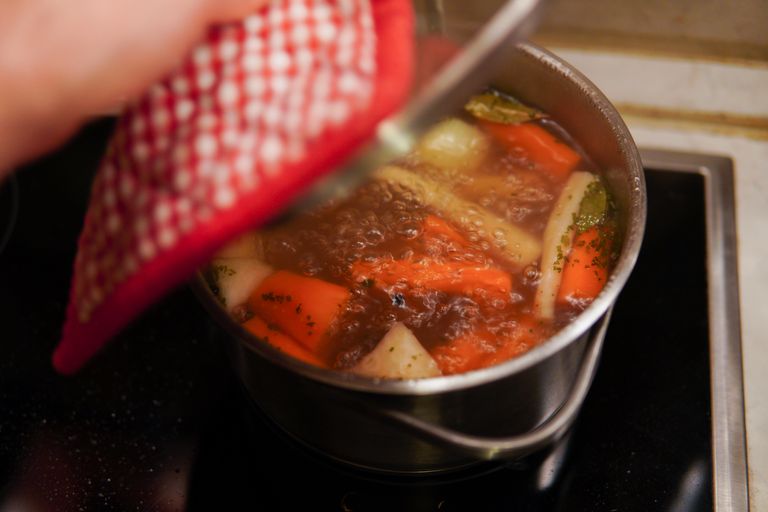
When tomatoes begin piling up faster than you can eat them, cooking them down into sauce is one of the most practical answers. Simmer your tomatoes with onions, garlic, herbs, and a little olive oil until thickened.
From one basic tomato sauce, you can later build:
- Spaghetti and pizza sauce
- Lasagna and casseroles
- Tomato soup or shakshuka
- Chicken Parmesan
One afternoon of cooking easily translates into several effortless future meals.
Make Salsa
Fresh salsa uses a surprising number of tomatoes and is a quick way to rescue fruit just as it hits peak ripeness. Mix things up by trying different styles:
- Pico de gallo
- Restaurant-style blended salsa
- Roasted tomato and jalapeño salsa
- Corn and black bean tomato salsa
Serve it alongside chips, tacos, grilled chicken, or morning eggs.
If you plan to can any of these, see the safety note below. Canned salsa has its own rules.
Can Them for Pantry Storage
If you enjoy home food preservation, tomatoes are one of the most rewarding things to can. You can safely preserve crushed tomatoes, diced tomatoes, juices, whole peeled tomatoes, or pre-made salsas.
Important Safety Note: Tomatoes sit right on the edge of being acidic enough for safe water-bath canning, which is why added acid matters. Always use tested, up-to-date recipes—such as those from the National Center for Home Food Preservation—and add the specified amount of bottled lemon juice or citric acid, even if your tomatoes taste plenty tart on their own. This is especially important for salsa. Low-acid ingredients like onions, garlic, and peppers change the overall acidity, so a homemade salsa recipe can’t simply be improvised or adjusted to taste once it’s headed for a jar. Stick to recipes that have been specifically tested for canning.
Properly canned tomatoes become the foundation for countless winter meals.
Dry Tomatoes for Concentrated Flavor
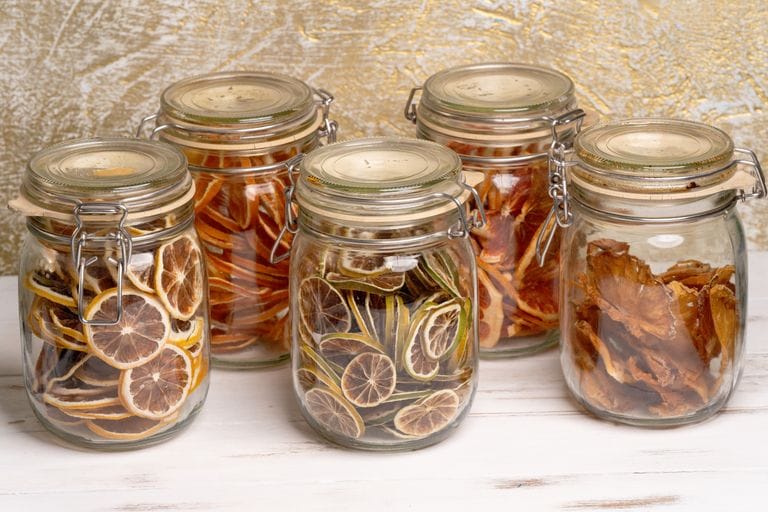
Drying removes moisture while concentrating the natural sugars and rich tomato flavor. You can use a food dehydrator, your kitchen oven, or the sun if you live in a climate that’s suitable for sun-drying.
- Oven Method: Arrange tomato slices or halves on a baking sheet and slow-dry them at 200°F (93°C) for several hours until they are chewy and pliable.
Dried tomatoes take up very little pantry space and add incredible depth to pasta, homemade bread, salads, rice dishes, and soups.
Make Tomato Paste
If you are truly drowning in tomatoes, making tomato paste will shrink a massive mountain of fruit into a few intensely flavored jars.
Because reducing tomato pulp into a thick paste takes time, a slow cooker can make the process much easier. Prop the lid open slightly so moisture can escape, check it periodically, and continue cooking until it reaches the consistency you want.
A tablespoon or two of homemade tomato paste freezes beautifully in ice cube trays and adds incredible flavor to soups, sauces, chili, and stews all winter long.
Share the Harvest
One of the oldest homesteading traditions is simply sharing abundance. If your counters are overflowing, offer extra tomatoes to:
- Family, neighbors, and coworkers
- Local food pantries that accept fresh produce
- Community refrigerators or mutual aid groups
Sometimes the best way to keep food from going to waste is simply letting someone else enjoy it.
Plan Ahead for Tomorrow’s Harvest
Tomatoes rarely ripen all at once—they build momentum.
During peak season, spending just fifteen minutes each evening washing, sorting, or freezing the day’s harvest keeps everything manageable. Small daily habits are much easier than facing fifty pounds of collapsing tomatoes on a Saturday afternoon.
Waste Less by Thinking Beyond Tonight’s Dinner
A basket of tomatoes represents time spent planting, watering, weeding, and waiting.
Whether you enjoy them fresh tonight, freeze them for winter, preserve them for your pantry, or share them with a friend, every tomato that feeds someone instead of ending up in the trash is a harvest put to good use.
Where to Go Next
If you’re looking for more ways to make the most of your harvest, continue with these guides:
- Beginner’s Guide to Food Preservation Methods
- The Pantry First Method
- How to Reduce Food Waste Without Feeling Deprived
Join the Porch Sitters
A house becomes a home through the small things we choose to learn, make, repair, grow, and pass along. Those skills don’t disappear overnight, and they won’t return overnight either. They come back one season, once project, and one meal at a time.
That’s what the Porch Sitters are all about.
Each edition of The Front Porch brings practical homesteading skills, seasonal guidance, thoughtful encouragement, and new resources to help you build a more capable household. No clutter. No chasing every trend. Just timeless knowledge that still has a place in modern life.
If that sounds like the kind of home you’re building, we’d be glad to save you a seat.
Rediscover the skills that turn a house into a home.