Beginner’s Guide to Food Preservation Methods
Food preservation methods aren’t just for homesteaders or gardeners. For most of human history, preserving food was simply part of running a household.
When the garden produced more beans than a family could eat in a week, those beans needed to be preserved. When fruit came into season, it had to be stored before it spoiled. When livestock was processed, every usable portion was carefully managed. Food represented labor, time, money, and resources. Letting it go to waste was not an option.
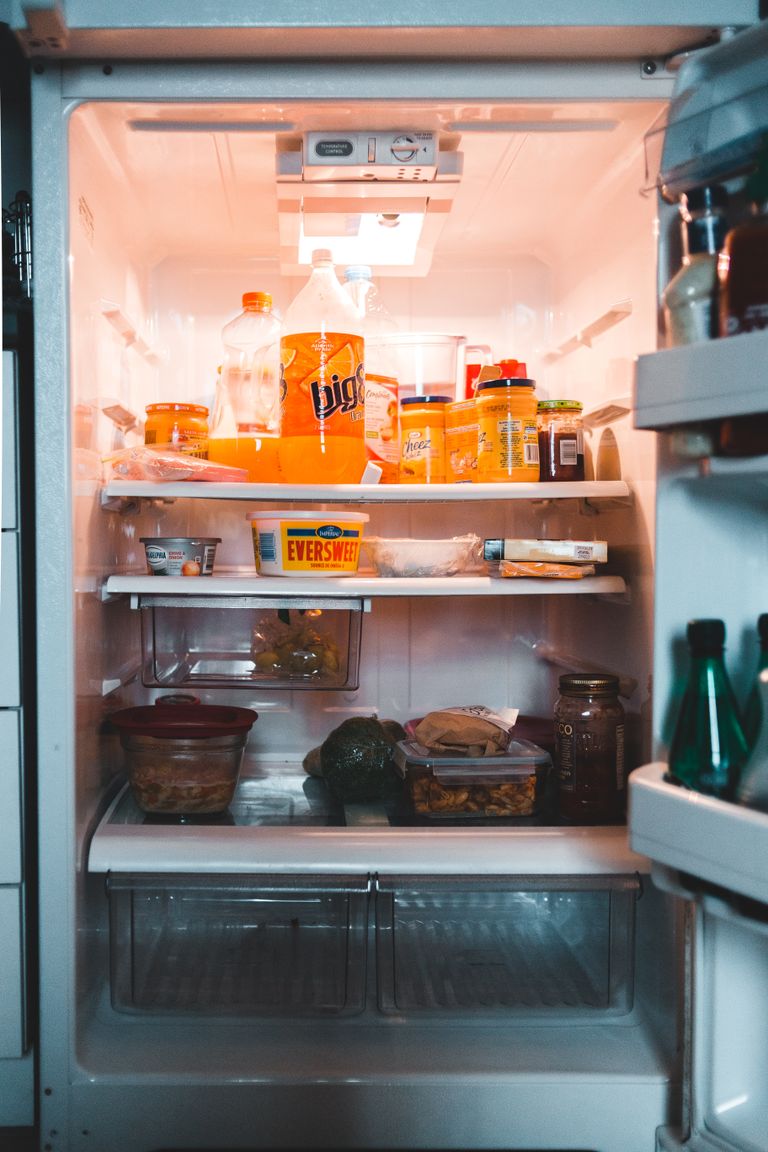
Today, most of us have grocery stores nearby and refrigerators full of conveniences our great-grandparents could only dream about. Yet food waste remains surprisingly common. Produce spoils before we use it. Leftovers disappear into the back of the refrigerator. Bulk purchases seem economical until half of them end up in the trash.
At Waste Not Want Not Homestead, we believe food preservation is less about nostalgia and more about stewardship. Whether you grow your own food, shop sales at the grocery store, or buy in bulk from local farmers, preserving food helps stretch your budget, reduce waste, and create a more capable household.
The good news is that food preservation for beginners is far less complicated than many people assume.
You don’t need a root cellar, a farmhouse kitchen, or shelves lined with hundreds of jars. You simply need to understand the basic food preservation methods available and choose the ones that fit your household.
Let’s look at the six most common ways of preserving food at home and how to decide where to begin.
Why Learn Food Preservation?
Many people assume home food preservation is only useful for gardeners with overflowing harvests.
The truth is that preservation skills benefit nearly everyone.
Learning to preserve food can help you:
- Reduce household food waste
- Save money by buying seasonal produce or sale items in bulk
- Build a pantry that provides security during emergencies
- Control ingredients and reduce dependence on highly processed foods
- Create convenient meal components for busy days
- Make the most of garden harvests and grocery purchases
Food preservation is one of those skills that pays for itself repeatedly. Every bag of frozen vegetables, every jar of preserved food, and every dried herb you use later represents something you didn’t have to buy again.
A capable pantry is built one small, practical habit at a time.
The 6 Core Food Preservation Methods
Method 1: Freezing
For most beginners, freezing is the easiest and most practical place to start.
Freezing slows the biological processes that cause food to spoil. It requires very little specialized knowledge, works with a wide variety of foods, and allows beginners to start preserving food almost immediately.
Many experienced homesteaders still rely heavily on freezing because it is efficient, dependable, and simple.
Commonly Frozen Foods:
- Fruits
- Vegetables
- Soups
- Broths
- Meat
- Bread
- Prepared meals
- Herbs
| Advantages | Disadvantages |
|---|---|
| • Highly beginner-friendly • Minimal equipment required • Fast, convenient, and safe • Works for a wide variety of foods | • Limited by freezer space • Dependent on electricity • Some foods change texture after thawing |
Homestead Note: Freezing may not feel as impressive as rows of home-canned jars, but practicality matters more than appearances. There is no award for choosing a complicated method when a freezer bag accomplishes the same goal.
Method 2: Water Bath Canning
When most people think about preserving food at home, they picture canning.
Water bath canning involves submerging sealed jars in boiling water for a specific amount of time. This method is used for foods with naturally high acidity or foods that have had acid added according to tested recipes.
When done correctly, water bath canning creates shelf-stable food that can be stored without refrigeration.
Commonly Water Bath Canned Foods:
- Jams
- Jellies
- Fruit preserves
- Pickles
- Relishes
- Tomatoes with added acid
| Advantages | Disadvantages |
|---|---|
| • Long shelf life • No electricity required for storage • Excellent for preserving seasonal fruit harvests | • Requires specific equipment • More time-intensive than freezing • Requires following tested recipes carefully |
The Golden Rule of Canning: Food preservation is one area where creativity should not replace science. Grandma may have canned a certain way for fifty years, but modern research-based safety standards exist for a reason.
If canning interests you, consider starting with simple jams or pickles before moving on to more advanced projects.
Method 3: Pressure Canning
Pressure canning is used for low-acid foods that cannot be safely processed in a water bath canner.
Unlike boiling water, a pressure canner reaches temperatures high enough to destroy harmful microorganisms that can survive ordinary boiling temperatures.
For many homesteaders, pressure canning becomes one of the most valuable food preservation methods because it allows vegetables, soups, meats, and broths to be stored safely on the shelf.
Commonly Pressure Canned Foods:
- Green beans
- Corn
- Carrots
- Potatoes
- Soups
- Meat
- Poultry
- Broth
| Advantages | Disadvantages |
|---|---|
| • Creates shelf-stable meals and ingredients • Excellent for preserving large harvests • Frees up freezer space | • Higher equipment cost • Steeper learning curve • Requires strict adherence to safety guidelines |
Many beginners find pressure canning intimidating.
That’s understandable.
The equipment looks serious because it is serious.
Fortunately, modern pressure canners are safer and easier to use than many people expect. Once you understand the process, it becomes another routine household skill.
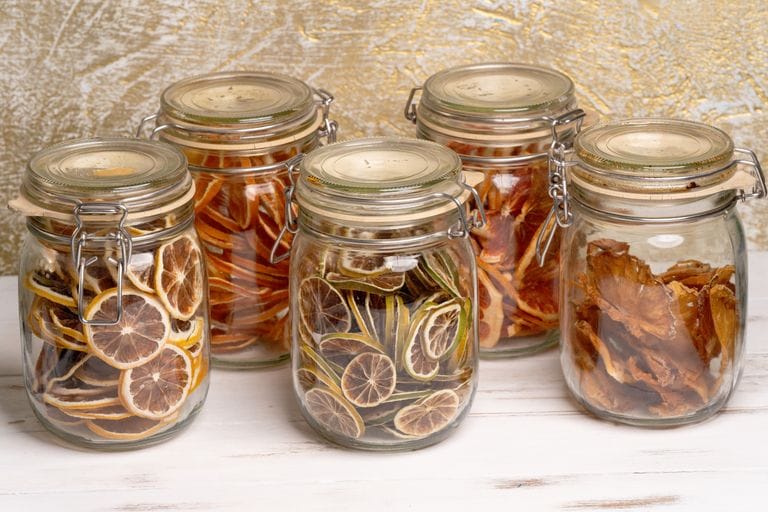
Method 4: Dehydrating
Dehydration preserves food by removing moisture.
Without sufficient moisture, spoilage organisms struggle to survive and multiply. The result is food that takes up far less space while remaining usable for months or even years when stored properly.
Dehydrating is especially useful when garden harvests begin arriving faster than you can eat them.
Commonly Dehydrated Foods:
- Apples
- Bananas
- Herbs
- Tomatoes
- Peppers
- Onions
- Mushrooms
- Jerky
| Advantages | Disadvantages |
|---|---|
| • Long shelf life • Requires little storage space • Lightweight and portable | • Some equipment may be required • Certain foods lose texture • Processing can take several hours |
Homestead Note: One of the quickest ways to spend yourself into frustration is to buy every gadget before you’ve developed the habit. Learn the process first. Upgrade later if the equipment truly makes your life easier.
Many people successfully begin by air-drying herbs before investing in a dedicated dehydrator.
Method 5: Fermentation
Fermentation preserves food through the action of beneficial microorganisms.
These microorganisms create an acidic environment that discourages spoilage while producing distinctive flavors and beneficial bacteria.
Although fermentation sometimes appears complicated from the outside, many fermented foods require surprisingly little equipment.
Commonly Fermented Foods:
- Sauerkraut
- Kimchi
- Yogurt
- Kefir
- Fermented pickles
| Advantages | Disadvantages |
|---|---|
| • Encourages beneficial bacteria • Minimal equipment required • Creates unique flavors | • Requires monitoring • Strong flavors may not appeal to everyone • Requires practice for consistency |
Fermentation often feels a little like gardening.
You create the right conditions, then allow natural processes to do the work.
Many beginners discover it is much simpler than they initially expected.
Method 6: Dry Storage
Not every preservation method requires processing food at all.
Certain foods are naturally designed for long-term storage when kept under proper conditions.
Historically, root cellars and cool storage areas allowed families to preserve crops for months without electricity or specialized equipment.
Foods Suitable for Dry Storage:
- Winter squash
- Potatoes
- Sweet potatoes
- Onions
- Garlic
- Dry beans
- Rice
| Advantages | Disadvantages |
|---|---|
| • Extremely inexpensive • Simple to manage • Requires little processing | • Limited to certain foods • Storage conditions matter • Shelf life varies |
Storage Warning: Dry storage doesn’t simply mean putting food on a pantry shelf. Heat, humidity, and poor airflow can dramatically shorten storage life. Many foods simply need a cool, dark, dry location and a little common sense.
How to Start Without Overwhelming Yourself
If you are completely new to food preservation, the most common mistake is trying to learn everything at once.
Competence grows through repetition, not ambition alone.
Consider this progression:
- Start with freezing.
- Learn simple dehydrating or fermentation projects.
- Experiment with water bath canning.
- Move into pressure canning when you’re comfortable with preservation fundamentals.
There is no prize for turning your kitchen into a chaotic food-processing factory on your first weekend.
A single successful batch teaches more than a dozen unfinished projects.
Food Preservation Safety Matters
Every food preservation method comes with guidelines designed to keep food safe.
When learning a new technique:
- Use trusted, research-based sources.
- Follow tested recipes exactly.
- Inspect preserved food before consuming it.
- Learn proper storage procedures.
- When in doubt, throw it out.
Discarding one questionable jar is frustrating.
Making your family sick is far worse.
Good stewardship includes knowing when not to take unnecessary risks.
Join the Community
Want pratical homesteading tips, beginner-friendly guides, and old-fashioned skills that still matter today? Join the Waste Not Want Not Community and get new articles, helpful resources, and homestead inspiration delivered straight to your inbox.
Final Thoughts
Food preservation is one of the most practical household skills a person can learn.
It reduces waste, stretches food budgets, strengthens self-reliance, and helps households make better use of the resources they already have. More importantly, it encourages a mindset that values stewardship over convenience and capability over consumption.
Every preserved jar, frozen meal, dried herb, or stored potato represents food that didn’t end up in the trash and money that didn’t have to be spent replacing it.
A freezer full of meals, a shelf of canned goods, or a pantry stocked with preserved food will not solve every challenge life presents. But each represents a small act of preparation and responsibility.
And a capable household is rarely built through dramatic changes.
More often, it is built one practical skill at a time.