How to Reduce Food Waste Without Feeling Deprived
Learning how to reduce food waste doesn’t mean living with less—it means using what you already have more wisely.
A bag of lettuce turns slimy in the refrigerator drawer. Leftovers sit untouched until they become a science experiment. Half a loaf of bread grows mold before anyone finishes it. A few vegetables spoil in the crisper, and before long, another grocery trip is on the calendar.
Most households don’t waste food because they’re careless; they waste food because modern life encourages habits that make waste seem normal. We buy in bulk because it looks economical. We stock up because we’re afraid of running out. We chase sales, special promotions, and recipes that require ingredients we’ll only use once.
Then, despite our best intentions, perfectly good food ends up in the trash.
At Waste Not Want Not Homestead, we believe reducing food waste isn’t about deprivation, guilt, or forcing your family to eat things they dislike. It’s about stewardship. Every dollar spent on food represents time, labor, resources, and effort. When we learn to use what we already have, we waste less, spend less, and create a more capable household.
The good news is that you don’t have to overhaul your life to reduce food waste. A handful of simple habits can make a remarkable difference.A handful of simple habits can make a remarkable difference.
Start With What You Already Have
One of the biggest causes of food waste isn’t spoiled food—it’s forgotten food.
Most kitchens contain ingredients that are perfectly usable but hidden behind newer purchases. A jar gets pushed to the back of a shelf, frozen vegetables disappear beneath newer bags, and leftovers become invisible after a day or two.
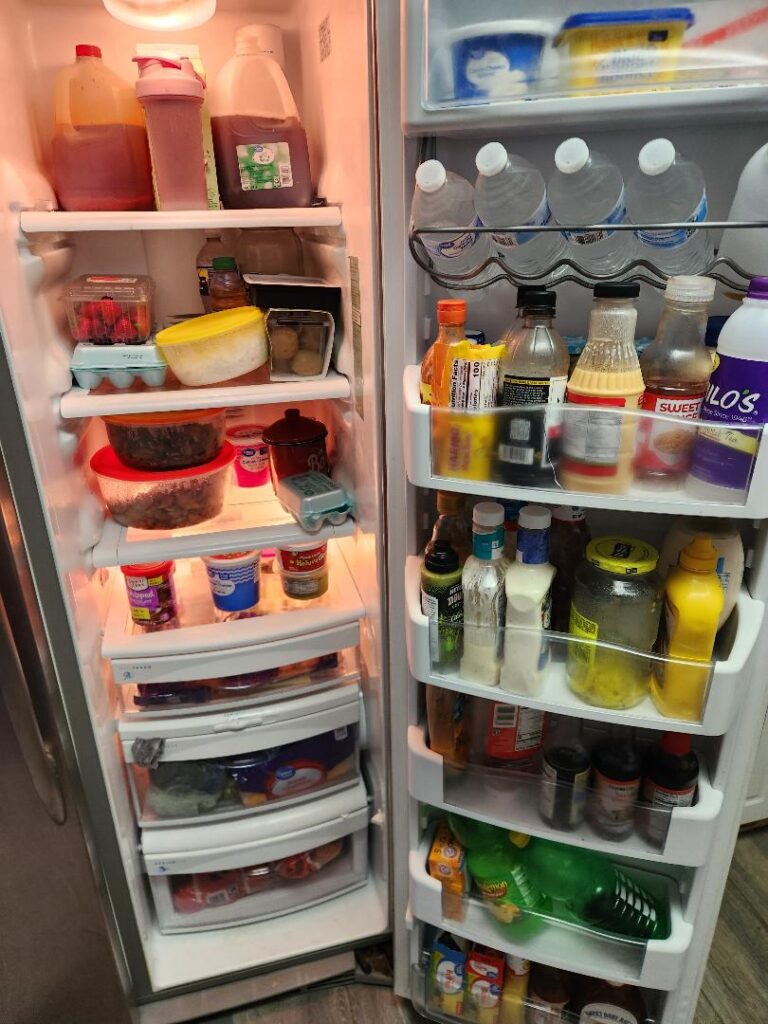
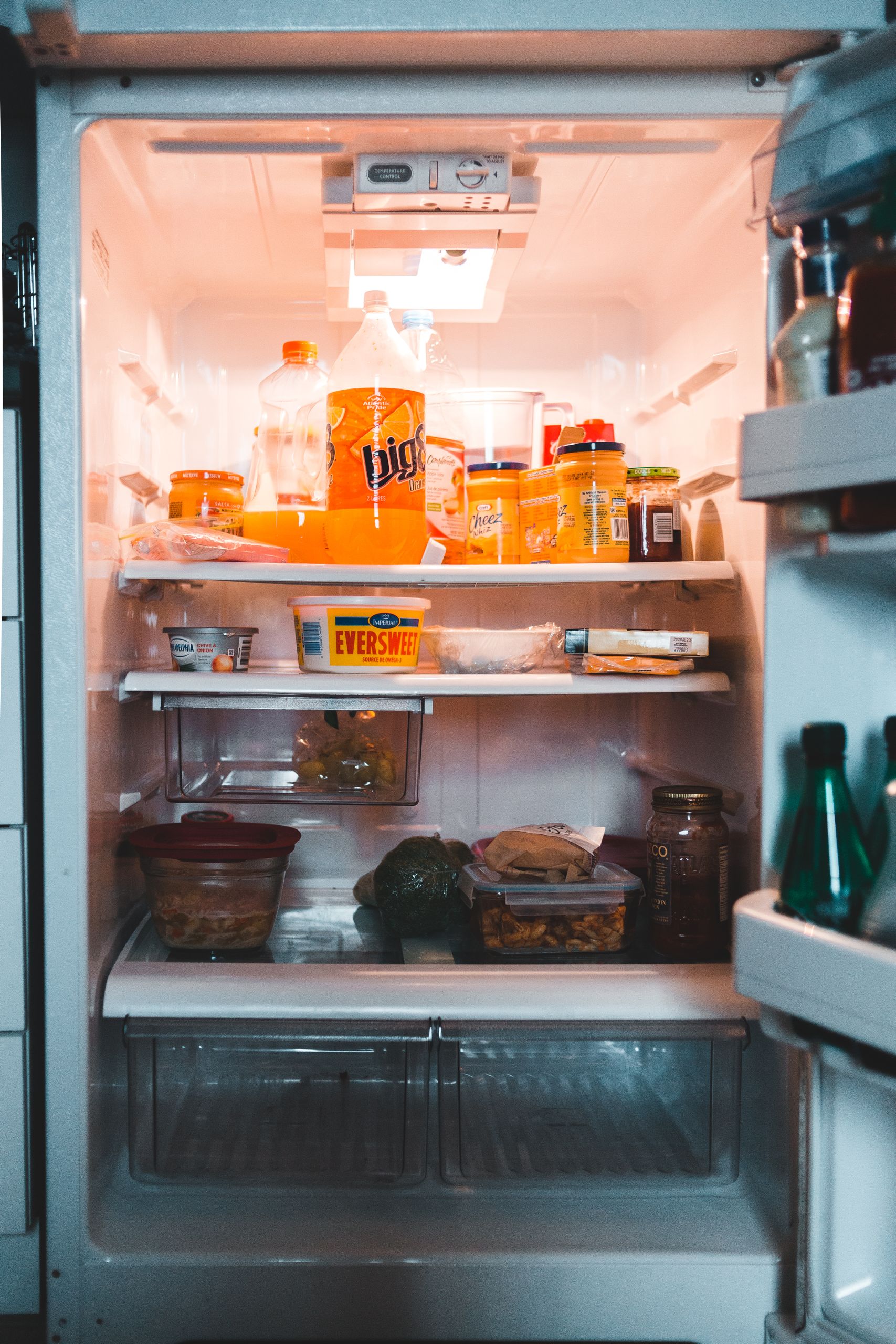
Before creating your next grocery list, take a quick inventory of what you already own. Check the refrigerator, freezer, pantry, produce drawers, bread boxes, and storage containers. You may discover you already have enough ingredients for several meals.
This habit forms the foundation of what we call the Pantry First Method: use what you have before buying what you think you need. It’s a simple principle, but it saves an extraordinary amount of money over time.
Modern marketing spends billions of dollars convincing us that buying more is the solution to nearly every problem. In reality, many households don’t have a grocery spending problem nearly as much as they have a food utilization problem. The food is already in the house—we’ve simply lost track of it.
Stop Shopping for Imaginary Versions of Yourself
This may be one of the most expensive habits in modern grocery shopping.
People often buy food for the person they hope to be, rather than the person they actually are.
We fill our carts with ambitious ingredients for elaborate recipes, fresh greens for daily salads, and specialty items for meals we don’t have the time or energy to cook. A week later, those good intentions end up exactly where you’d expect: sitting in the trash can.
There is nothing wrong with wanting to eat healthier or cook more from scratch, but grocery shopping shouldn’t become an exercise in fantasy.
Buy food that fits your real life.
If you know you’ll have three long workdays this week, plan quick and easy meals accordingly. If your family consistently avoids certain foods, stop buying them simply because they’re supposed to be healthy.
Practical plans waste less food than idealized ones.
Learn the Difference Between “Best By” and “Bad”
Many perfectly safe foods are discarded because of misunderstood labels.
Most dates printed on food packaging are quality dates, not safety dates. In many cases, manufacturers use these dates to indicate when they believe a product will taste or perform at its best.
Common examples include:
- Pasta
- Rice
- Canned goods
- Crackers
- Condiments
- Frozen foods
That doesn’t mean food lasts forever, nor does it mean food safety should be ignored. But it does mean a package doesn’t magically become inedible the moment a printed date passes.
Before throwing something away, trust your senses. Look at it. Smell it. Examine its texture.
Of course, when in doubt, throw it out.
But many households discard usable food simply because a date on the package has passed. That’s often not caution—it’s expensive confusion.
Designate a “Use First” Area
Professional kitchens rotate their inventory for a reason: food that gets noticed first doesn’t get wasted.
You can replicate this system at home by creating a simple “Use First” section in your refrigerator using a specific shelf, a basket, or a clearly marked container.
Place foods that need immediate attention there, such as:
- Leftovers from the last few days
- Produce nearing the end of its life
- Open packages of deli meat or cheese
- Dairy products approaching expiration
When someone opens the refrigerator looking for a snack or a meal, they will immediately see what needs to be eaten.
Sometimes the simplest systems are the most effective.
Embrace Planned Leftovers
Many people dislike leftovers because they associate them with eating the exact same meal repeatedly.
But you don’t have to eat carbon-copy dinners. Instead, think of leftovers as ingredients for entirely new dishes.
- Roasted chicken can become chicken salad, soup, tacos, casseroles, or sandwiches.
- Extra rice can be transformed into fried rice, soup additions, or burrito fillings.
- Leftover vegetables can disappear into omelets, stir-fries, soups, or pasta dishes.
Our grandparents weren’t necessarily culinary geniuses; they were resourceful.
When food represented a substantial portion of the household budget, throwing away usable ingredients wasn’t considered a convenience—it was considered waste.
That remains true today.
Freeze More Than You Think You Can
Many foods freeze beautifully, yet countless households throw them away simply because they don’t realize how well the freezing process works.
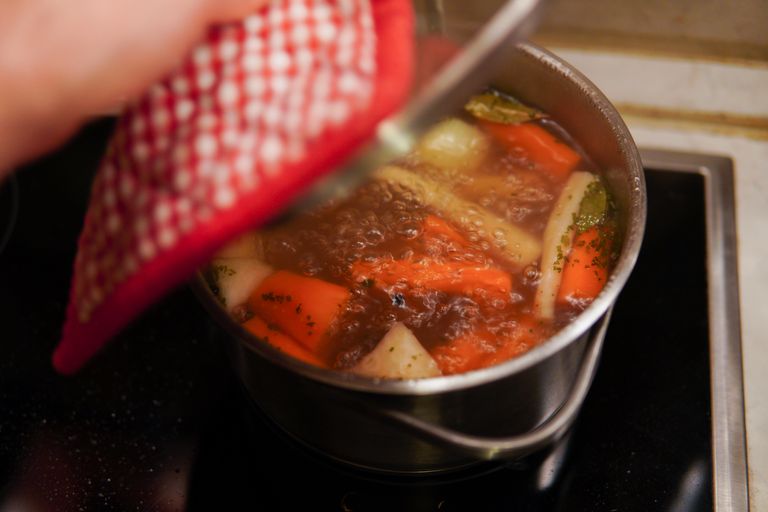
Bread, cheese, cooked meats, soups, broths, cooked beans, fruit, butter, and tortillas all freeze successfully.
Think of your freezer not merely as long-term storage, but as a pause button.
Learning to use it effectively gives you far more flexibility and dramatically reduces waste.
Create One “Clean Out the Refrigerator” Meal Each Week
Every household benefits from a regular reset.
Choose one meal each week specifically designed to use up leftovers and odds-and-ends.
Popular, flexible options include:
- Soups
- Stir-fries
- Fried rice
- Omelets
- Pasta dishes
- Homemade pizza
This habit prevents small amounts of food from accumulating until they’re no longer usable.
It is also surprisingly economical.
Some of the best meals happen when you stop following a strict recipe and start using what you already have. Resourcefulness in the kitchen is often less about cooking skill and more about paying attention.
Store Food Properly
Sometimes food waste has nothing to do with meal planning and everything to do with storage.
Produce stored incorrectly often spoils long before it should.
Simple adjustments can dramatically extend freshness:
- Store fresh herbs in a jar of water like flowers.
- Keep potatoes and onions separate.
- Store leafy greens in containers lined with paper towels to absorb excess moisture.
- Cool leftovers promptly and store them in airtight containers.
A little bit of storage knowledge can add days—or even weeks—to the life of your food.
That’s far easier than earning the money to replace it.
Reduce Food Waste One Habit at a Time
If reducing food waste feels overwhelming, start small.
You do not need a perfectly organized pantry.
You do not need to save every single scrap.
You do not need to transform your household overnight.
Begin with just one habit this week:
- Check your refrigerator before shopping.
- Create a “Use First” shelf.
- Plan one leftover meal.
- Freeze excess food before it spoils.
Small changes compound over time.
The goal is not perfection; the goal is becoming more intentional.
A capable household is rarely built through dramatic changes. More often, it is built through small habits repeated often enough that they become second nature.
Join the Community
Want practical homesteading tips, beginner-friendly guides, and old-fashioned skills that still matter today? Join the Waste Not Want Not Community and get new articles, helpful resources, and homestead inspiration delivered straight to your inbox.
Final Thoughts
Reducing food waste isn’t about squeezing every last crumb out of a meal or turning dinner into an exercise in rigid frugality.
It’s about respecting the resources already in your home.
Every carton of milk, loaf of bread, package of meat, and basket of produce represents money you worked hard to earn. Throwing away less food doesn’t make life harder—in many ways, it makes life simpler.
At its core, homesteading isn’t about where you live; it’s a mindset of self-reliance and resourcefulness. Whether you live on acreage, in a subdivision, or in an apartment overlooking a parking lot, the principles remain the same.
Use what you have.
Waste less.
Pay attention.
A capable household isn’t built through grand gestures, but through ordinary habits practiced consistently. When you learn to use what you have, plan with intention, and waste less, you gain something far more valuable than grocery savings.
You gain confidence.
And that’s a resource worth cultivating.