How to Store Fresh Cucumber’s So They Last Longer
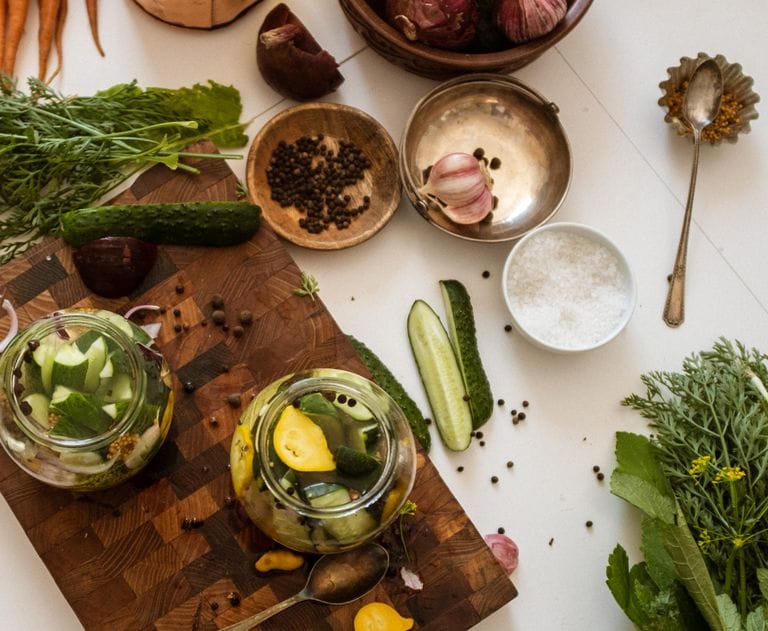
Fresh cucumbers have a way of showing up all at once, whether they come from your own garden, the farmers market, or the grocery store—and it’s easy to end up with more than you can eat in a few days. Too often, they get pushed to the back of the refrigerator where they become soft, watery, or slimy before anyone remembers they’re there.
The good news is that cucumbers usually don’t spoil because they were poor quality to begin with. More often, they spoil because they were stored the wrong way.
A few simple storage habits can keep cucumbers crisp for much longer, giving you more time to enjoy them fresh or decide how you want to preserve them.
The Quick Cucumber Lifesaver:
- Keep them dry until you’re ready to use them.
- Store them toward the front of the fridge, never against the back wall.
- Keep them away from ethylene-producing fruits like bananas and apples.
Why Cucumbers Go Bad So Quickly
Cucumbers are made up of more than 95% water. That high water content is what makes them so refreshing, but it also makes them incredibly sensitive to both moisture and temperature.
When cucumbers are kept too cold, they can develop chilling injury, which causes watery spots, pitting, and rapid breakdown. Too much moisture encourages mold and decay, while too little humidity causes them to shrivel. Learning how to balance those conditions is the key to making cucumbers last.
Start With the Freshest Cucumbers You Can Find
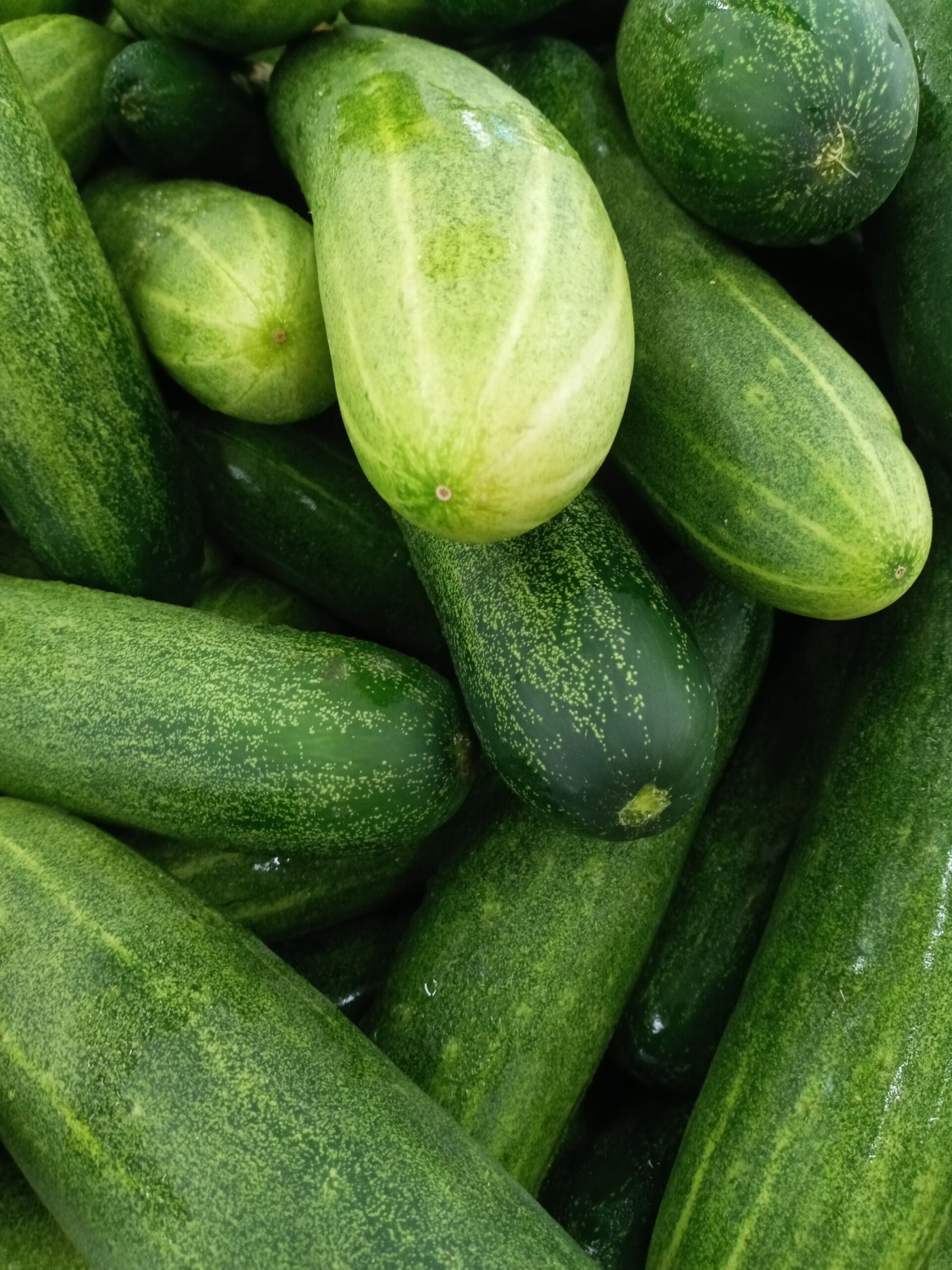
Storage begins before you ever bring cucumbers home. Look for cucumbers that are:
- Firm from end to end (no give when gently squeezed)
- Bright green with absolutely no yellowing
- Smooth and free of soft spots or wrinkles
- Heavy for their size
- Dry on the outside
Freshness only declines after harvest, so starting with the best cucumbers gives you the longest possible storage life.
Don’t Wash Them Until You’re Ready to Use Them
It’s tempting to wash produce as soon as you get home, but cucumbers keep longer when they’re stored dry. Extra moisture left on the skin creates an ideal environment for mold and bacteria to grow.
Instead:
- Leave cucumbers unwashed while they are in storage.
- Brush off loose dirt with a dry hand or towel if needed.
- Wash only the portion you’re about to slice and eat.
This simple habit alone can add several days to their shelf life.
Where and How to Store Them in the Fridge
Many refrigerators have a crisper drawer designed for vegetables, but cucumbers actually prefer a slightly warmer, more humid environment than many other produce items. How you wrap them depends on the type of cucumber you have:
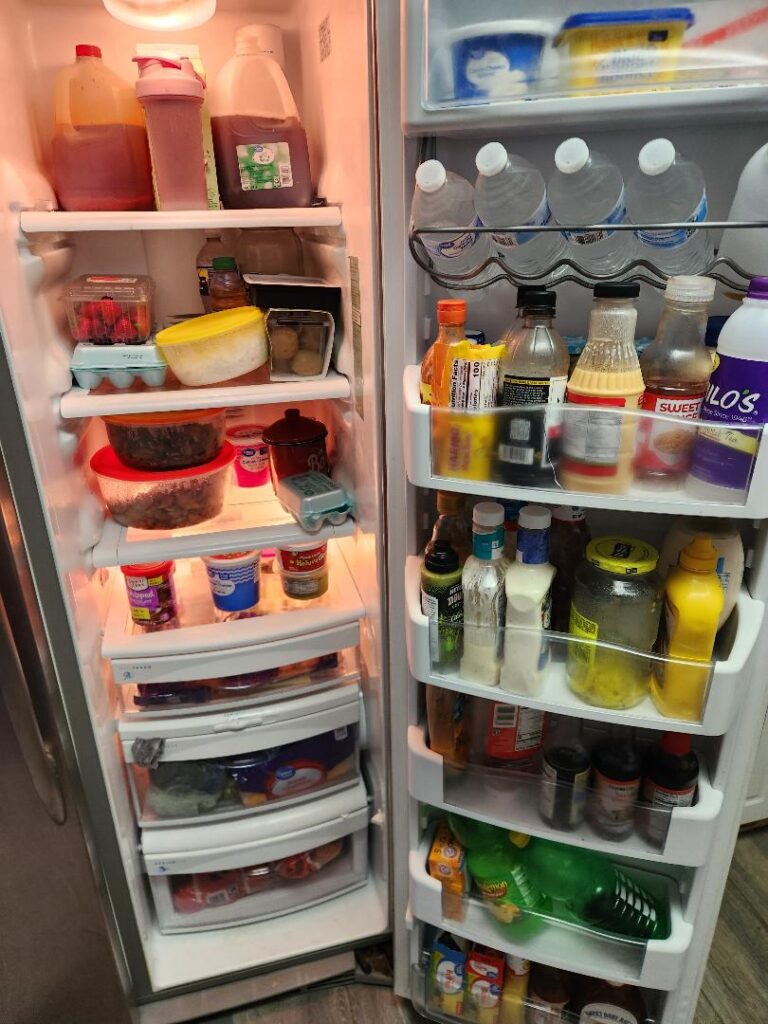
- Placement: If your refrigerator has an adjustable humidity drawer, use the high-humidity vegetable drawer. Keep cucumbers toward the front rather than pressed against the back wall, where temperatures are coldest and chilling injury is most likely. If your fridge tends to freeze produce in the crisper, store cucumbers on a middle shelf instead.
- Standard slicing or garden cucumbers: Wrap them loosely in a clean paper towel, then place them in a reusable produce bag or a partially open plastic bag. The paper towel absorbs excess condensation while still allowing enough airflow to keep the cucumbers from becoming overly damp.
- English cucumbers: These are typically sold in tight plastic wrap because they lack the thick, protective waxy skin of standard cucumbers. Leave the original wrap on until you’re ready to use them. If you use only part of one, wrap the cut end tightly and return the rest to the fridge.
Avoid sealing any cucumber inside an airtight plastic container, which traps moisture and encourages rapid spoilage.
Keep Them Away From Certain Fruits
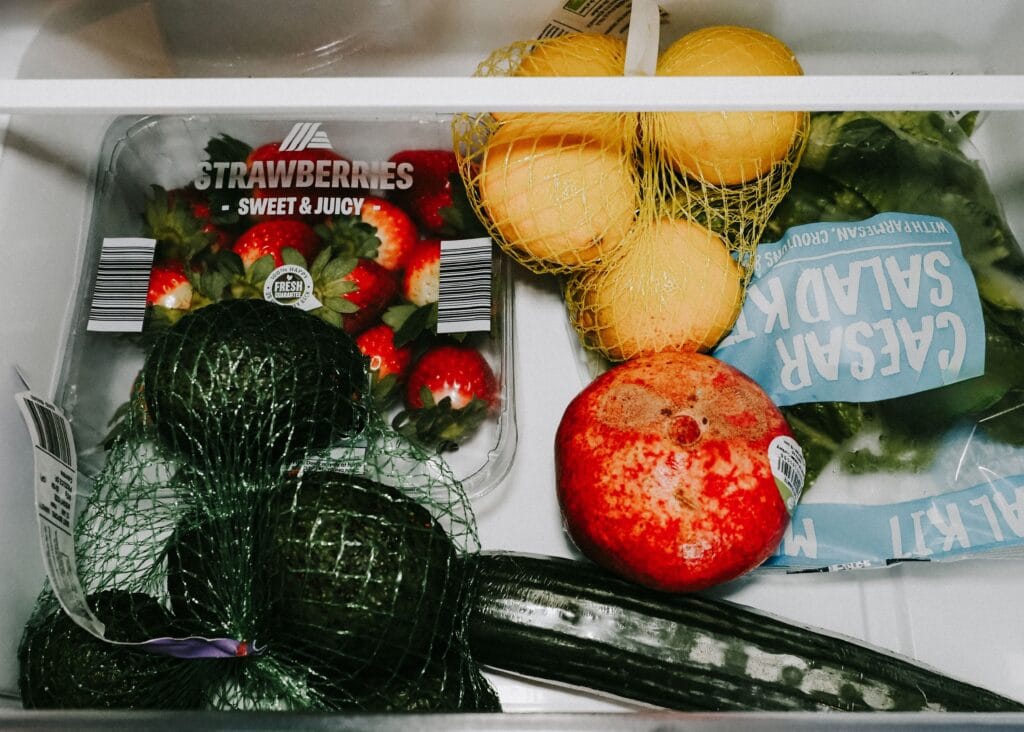
Some fruits naturally release ethylene gas as they ripen. Cucumbers are highly sensitive to this gas, which causes them to yellow and age much faster. Store cucumbers away from:
- Bananas
- Apples
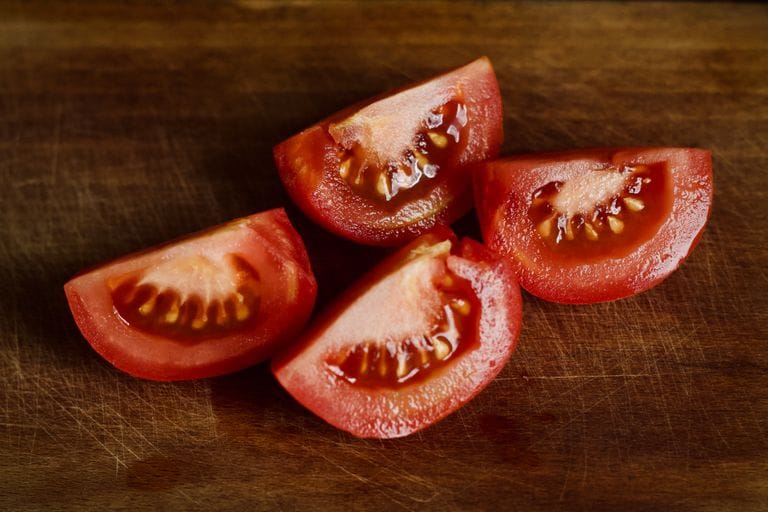
- Tomatoes
- Avocados
- Melons
Keeping these items in separate drawers or areas of the kitchen will noticeably extend the life of your cucumbers.
What About Garden Cucumbers?
Fresh-picked cucumbers often last longer than store-bought ones because they haven’t spent days in transportation.
- Harvest early: Pick cucumbers during the cool part of the morning whenever possible.
- Remove field heat: Bring them indoors soon after harvesting, gently wipe away any dirt, and let the field heat dissipate before refrigerating them using the methods above.
- Avoid heat: Never leave freshly harvested cucumbers sitting in the hot sun or a warm vehicle.
How Long Do Fresh Cucumbers Last?
While every refrigerator is a little different, you can generally expect these timelines if you follow proper storage methods:
- Garden cucumbers: About 7 to 10 days
- Grocery store cucumbers (standard): About 5 to 7 days
- English cucumbers (wrapped): Around 7 to 10 days, if the original plastic wrapper remains intact
- Sliced cucumbers: 2 to 3 days, stored in an airtight container
Signs It’s Time to Throw Them Away
A cucumber that’s beginning to soften slightly isn’t necessarily ruined—these can still work well in smoothies, soups, or quick refrigerator pickles. However, it’s time to discard or compost them when you notice:
- Slimy skin or a slippery texture
- Visible mold growth
- A strong, sour, or unpleasant odor
- Large mushy areas
- Liquid leaking from the cucumber
Don’t Let Extras Go to Waste
If you realize you won’t use your cucumbers while they’re still fresh, don’t wait until they’re nearly spoiled to preserve them. Fresh cucumbers can quickly be transformed into:
- Refrigerator dill pickles
- Sweet or savory relish
- Creamy cucumber salad
- Homemade tzatziki sauce
- Frozen cucumber slices (perfect for dropping into morning smoothies or water pitchers)
Planning ahead is often the difference between enjoying your harvest and throwing it away. Small habits like storing produce correctly help stretch grocery budgets, reduce waste, and make it easier to enjoy what you already have.
Taking care of food after you bring it home is just as much a part of preserving the harvest as growing it in the first place.
Join the Porch Sitters
A house becomes a home through the small things we choose to learn, make, repair, grow, and pass along. Those skills don’t disappear overnight, and they won’t return overnight either. They come back one season, once project, and one meal at a time.
That’s what the Porch Sitters are all about.
Each edition of The Front Porch brings practical homesteading skills, seasonal guidance, thoughtful encouragement, and new resources to help you build a more capable household. No clutter. No chasing every trend. Just timeless knowledge that still has a place in modern life.
If that sounds like the kind of home you’re building, we’d be glad to save you a seat.
Rediscover the skills that turn a house into a home.