Freezing vs. Canning vs. Dehydrating: Which Is Best for Your Harvest?
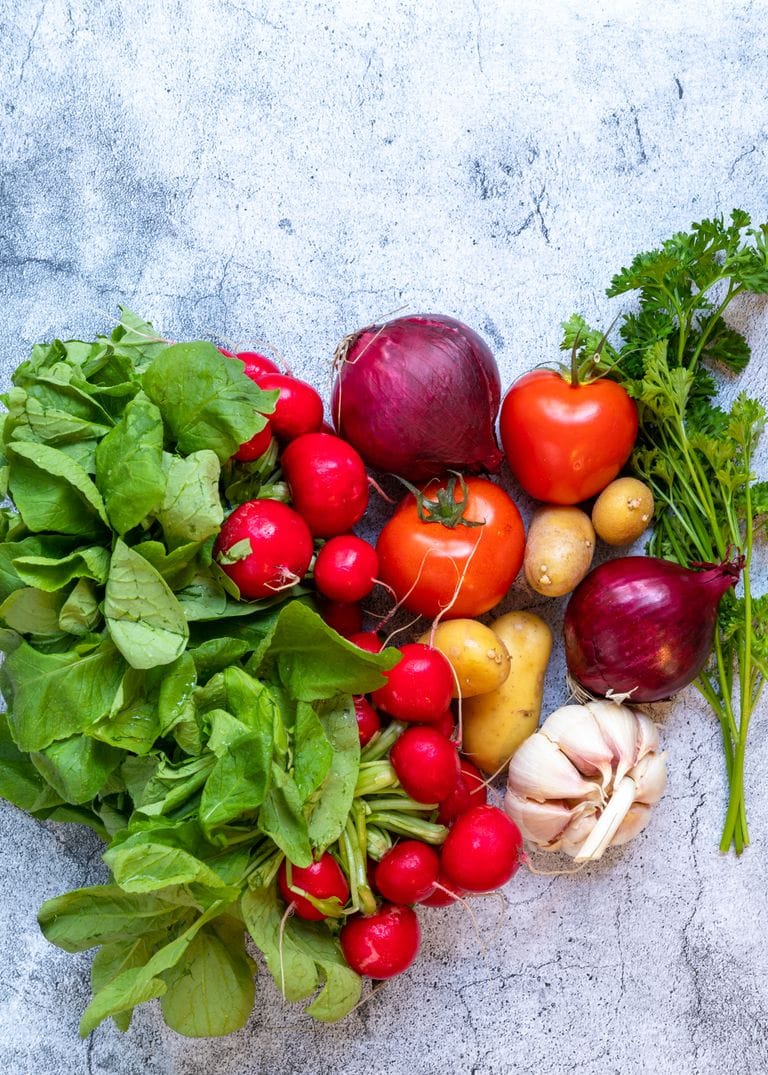
Freezing vs. canning vs. dehydrating isn’t a question most gardeners think about when they plant their first seeds. It becomes important later, when you walk outside for a handful of vegetables and come back with more than your counter can hold. Tomatoes ripen all at once. Cucumbers multiply overnight. The question shifts fast from “What should I harvest today?” to “How am I going to keep this from going to waste?”
The good news is you don’t have to preserve everything the same way. Freezing, canning, and dehydrating each solve a different problem, and the right choice depends on what you’re preserving, how much time you have, and how you plan to use the food later.
There’s No “Best” Method
- Freezing preserves freshness with very little preparation.
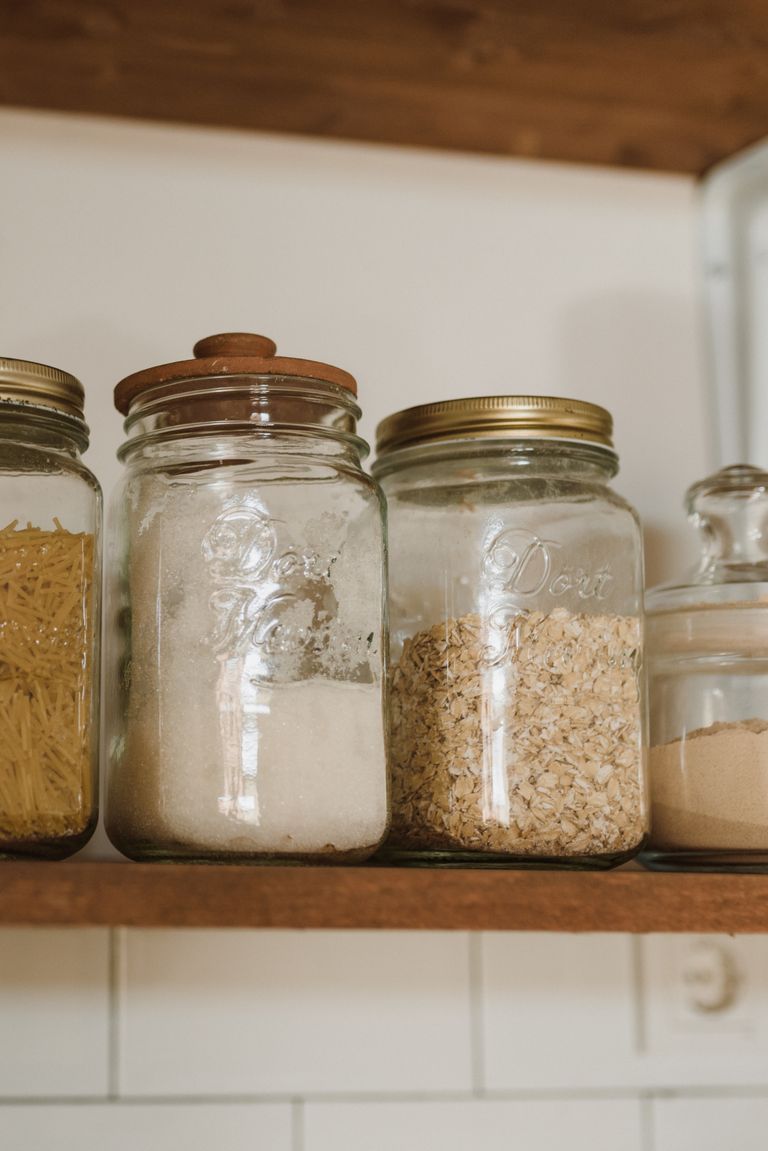
- Canning creates shelf-stable food that stores for months without electricity.
- Dehydrating removes moisture, shrinking food down to take up very little space.
Most experienced gardeners end up using all three over the course of a season because different crops — and different plans for using them — call for different approaches.
The goal isn’t to pick one method and stick with it. It’s to choose the one that makes the most sense for the food in front of you.
Quick Reference
| Method | Best If You… | Typical Shelf Life | Key Equipment |
|---|---|---|---|
| Freezing | Need to save today’s harvest quickly | 6–12 months | Freezer, quality bags or containers |
| Canning | Want shelf-stable food in your pantry | Best quality within 1 year* | Water bath or pressure canner, jars, lids |
| Dehydrating | Want to save space and preserve herbs, fruits, or vegetables | 1+ years | Dehydrator (or oven), airtight containers |
*Properly canned food remains safe as long as the seal stays intact, but USDA and National Center for Home Food Preservation guidance recommends using home-canned foods within about one year for the best quality.
When Freezing Makes Sense
Freezing is often the easiest place to start if your goal is simply to keep today’s harvest from spoiling. It requires little beyond freezer space and quality bags or containers, and many vegetables can be washed, prepared, and frozen in less than an hour.
Freezing works especially well for:
- Tomatoes
- Bell peppers
- Corn
- Green beans
- Peas
- Berries
- Herbs
- Homemade broth and stock
- Prepared meals
Advantages: Fast, beginner-friendly, and excellent at preserving flavor and nutrients.
Limitations: Requires freezer space, depends on reliable electricity, and some vegetables become softer after thawing.
The verdict: If your freezer has room and you’re short on time, freezing is often the quickest way to save a harvest before it goes to waste.
When Canning Is Worth the Effort
Canning takes more preparation, but the reward is shelf-stable food that doesn’t require freezer space. It’s an excellent choice for tomato sauce, salsa, pickles, jams and jellies, applesauce, soups and broths, and — using a pressure canner — vegetables like green beans.
Advantages: Shelf-stable storage, frees up freezer space, ideal for long-term pantry storage, and convenient meals ready when you need them.
Limitations: Higher upfront cost, more preparation time, and recipes and processing instructions must be followed carefully for safety.
A note on safety: Always use tested, science-based recipes from trusted sources, such as the National Center for Home Food Preservation or Ball. Proper canning methods are essential for preserving food safely.
When Dehydrating Is the Better Choice
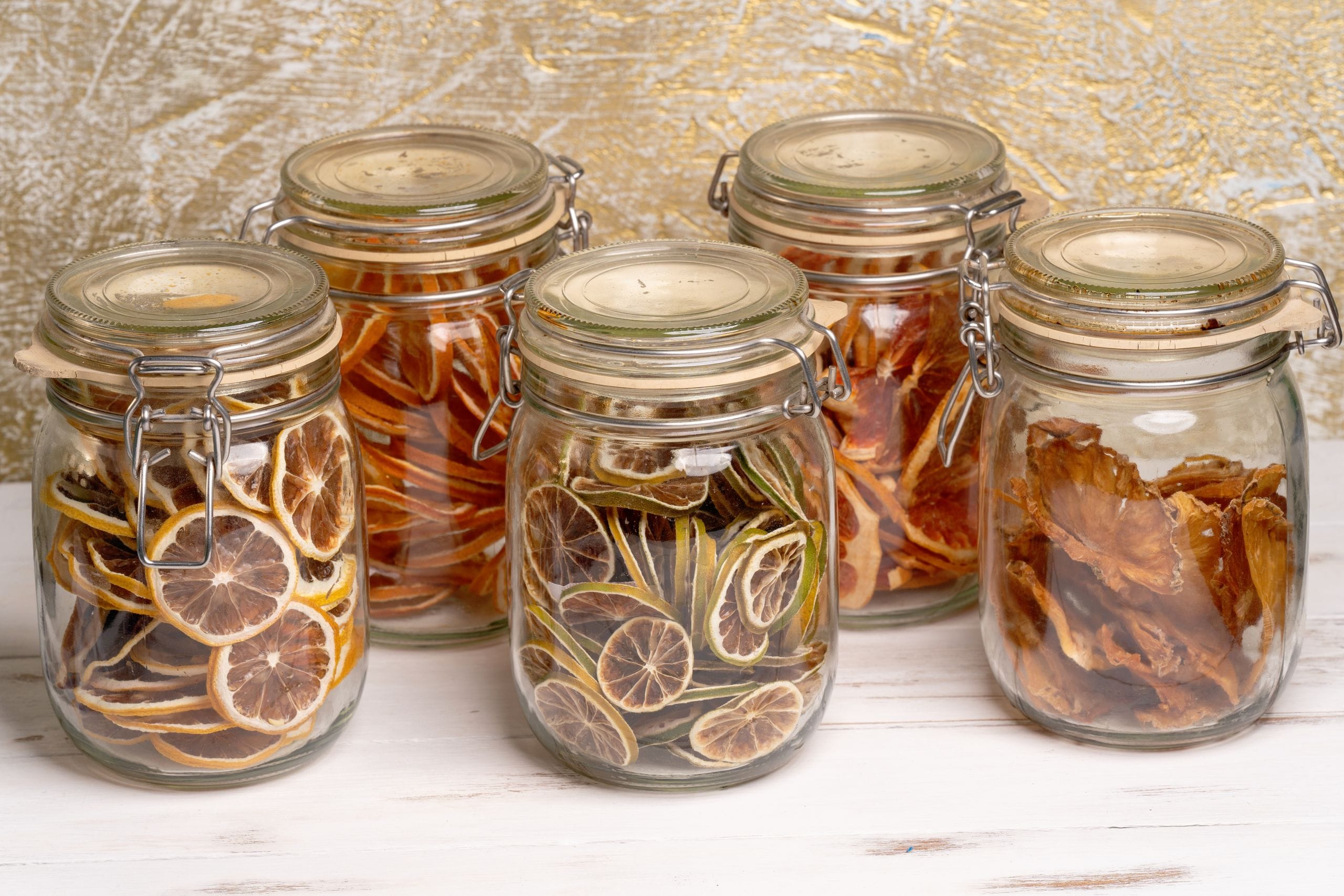
Dehydrating removes water instead of relying on cold storage, making it the most space-efficient of the three methods. It works especially well for herbs, mushrooms, apples, bananas, peppers, garlic, and onions.
Herbs are especially well suited for dehydrating because most gardens produce more than a family can reasonably use fresh.
Advantages: Saves storage space, creates lightweight foods, requires no electricity after drying, and naturally concentrates flavor.
Limitations: Foods don’t retain their original texture, drying can take several hours or even days, and not every fruit or vegetable rehydrates well.
Choosing: Work Backward From the Meal
The easiest way to choose a preservation method is to picture yourself using the food months from now — not the harvest sitting on your kitchen counter today.
- Planning soups, chili, casseroles, or pasta sauce? Freezing is often the easiest choice.
- Want pantry shelves stocked with ready-to-use jars? Canning is probably your best option.
- Looking for seasonings, tea herbs, or healthy snacks? Dehydrating is hard to beat.
You also don’t have to commit your entire harvest to a single method.
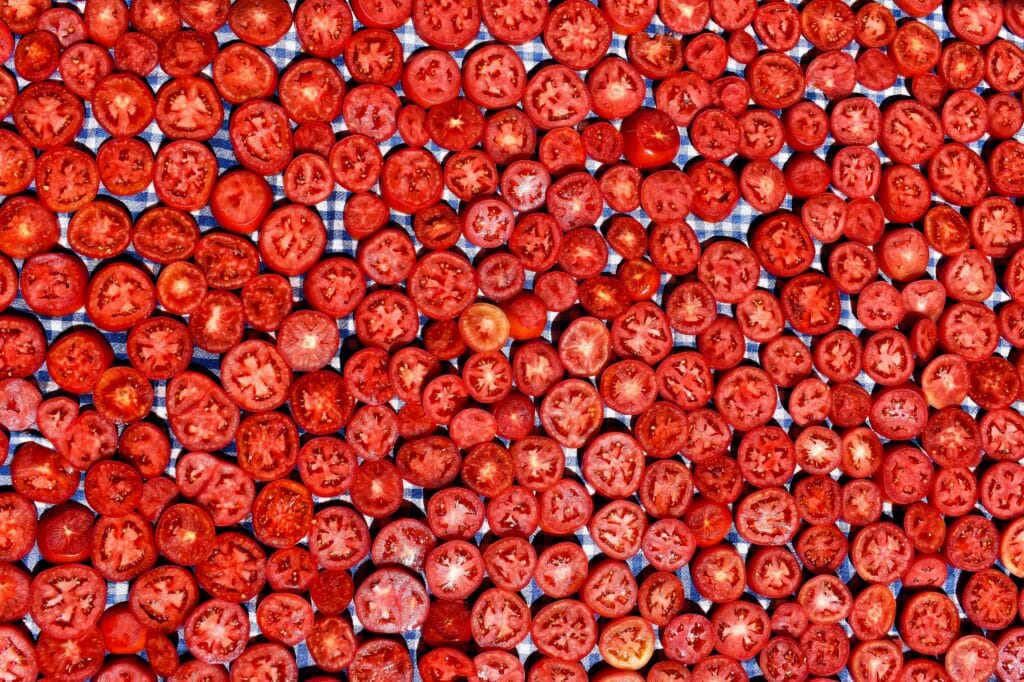
Tomatoes are a perfect example. Some can be frozen whole for winter soups, some become canned pasta sauce or salsa, and others can be dehydrated for intensely flavored additions to soups, stews, and pasta dishes.
Splitting a harvest between different preservation methods spreads out the workload while giving you more flexibility in the kitchen throughout the year.
Start With What You’ll Actually Use
The best preservation method isn’t necessarily the one with the longest shelf life. It’s the one that fits your current season of life.
If you’re short on time after work, freezing today’s vegetables is far better than letting them spoil while you wait for a free weekend to can them. If your freezer is already packed, canning may be the better solution. If you’re harvesting herbs every few days, drying them may take the least amount of effort.
Preserving food doesn’t have to be all or nothing. Every bag in the freezer, every jar on the pantry shelf, and every bundle of dried herbs represents food that won’t go to waste.
The goal isn’t perfection. It’s making the most of everything you’ve worked so hard to grow.
Where to go next:
If you’re ready to preserve more of your harvest, these guides will help you get started:
- Beginner’s Guide to Food Preservation Methods — Learn the basics of food preservation and when to use each method.
Join the Porch Sitters
A house becomes a home through the small things we choose to learn, make, repair, grow, and pass along. Those skills don’t disappear overnight, and they won’t return overnight either. They come back one season, once project, and one meal at a time.
That’s what the Porch Sitters are all about.
Each edition of The Front Porch brings practical homesteading skills, seasonal guidance, thoughtful encouragement, and new resources to help you build a more capable household. No clutter. No chasing every trend. Just timeless knowledge that still has a place in modern life.
If that sounds like the kind of home you’re building, we’d be glad to save you a seat.
Rediscover the skills that turn a house into a home.
Where to Go Next
If you’re ready to preserve more of your harvest, these guides will help you get started:
- [Beginner’s Guide to Food Preservation Methods] — Learn the basics of food preservation and when to use each method.