What to Do After Harvesting a Garden Bed
There’s a certain satisfaction that comes with harvesting the last tomato, pulling the final row of beans, or cutting the season’s last head of lettuce. Months of planning, watering, weeding, and waiting have finally paid off.
It’s tempting to look at an empty garden bed and think the work is finished.
In reality, it’s just entering its next season.
What you do after harvesting a garden bed has a tremendous influence on next year’s garden. Healthy soil isn’t something you replace every spring with bags from the garden center. It’s something you build, protect, and improve year after year. Every harvest leaves behind an opportunity to either strengthen that soil—or slowly wear it out.
The good news is that preparing a garden bed for its next chapter doesn’t require expensive products or complicated techniques. It mostly requires paying attention and resisting the urge to leave problems for “someday.”
Step 1: Remove Diseased Plants—But Think Twice About Healthy Ones
The first job is cleaning up what’s left behind.
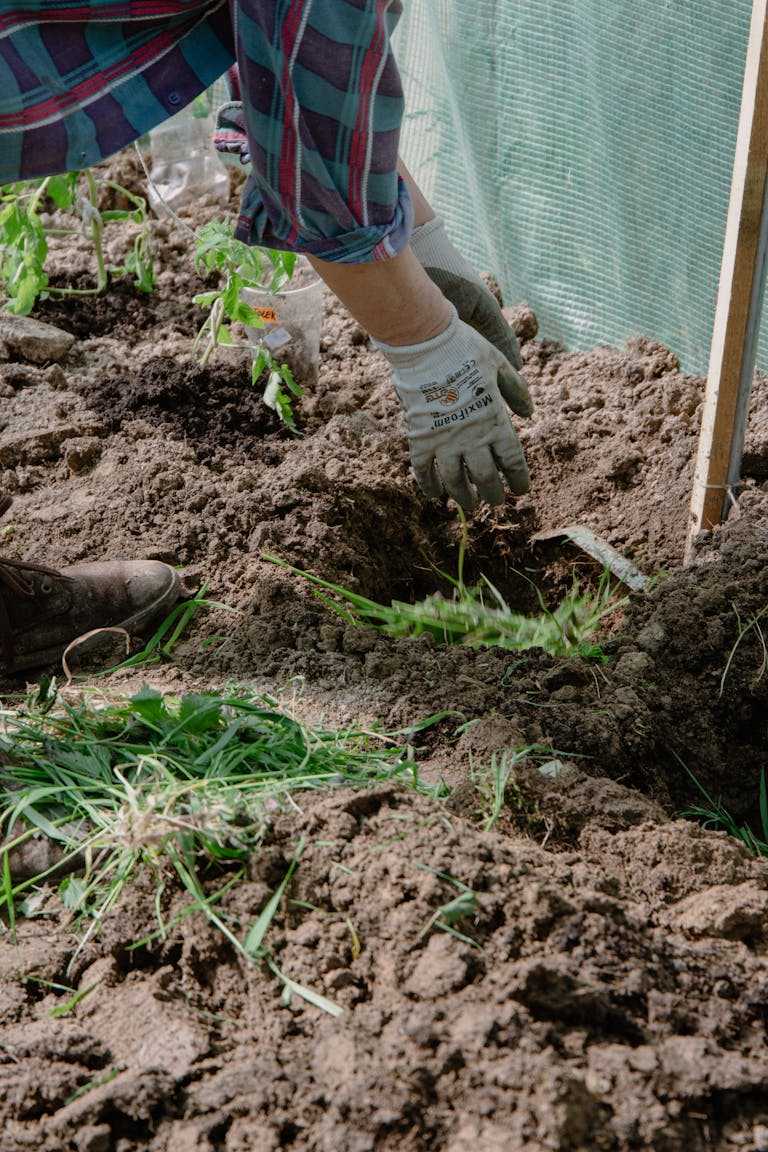
Plants that suffered from diseases like blight, powdery mildew, or bacterial infections should be removed from the garden and discarded. Leaving infected material in place can allow problems to overwinter and return stronger next season.
Healthy plants are another matter.
Their stems, leaves, and roots still contain valuable organic matter. If they’re free of disease, many can be chopped into smaller pieces and added to the compost pile. Even the roots left underground will eventually decompose, feeding soil organisms and improving soil structure.
Nature wastes very little. Healthy plant material is often more valuable after harvest than it was while it was growing.
Step 2: Pull the Weeds Before They Go to Seed
An empty bed makes weeds easy to spot.
This is the best time to remove them before they mature and scatter thousands of seeds that will become next year’s headache. Young weeds pull easily while the soil is still loose from the growing season.
If weeds haven’t produced seeds and aren’t invasive, they can usually be composted. Mature seed heads, however, are better kept out of the compost pile unless you’re certain your compost gets hot enough to destroy them.
One afternoon spent pulling weeds now can save weeks of frustration next spring.
Step 3: Leave the Soil Alone—At Least for a Moment
Many gardeners immediately reach for the shovel or tiller after harvesting.
Sometimes that’s necessary. Often it isn’t.
Healthy soil is full of earthworms, fungi, beneficial bacteria, and countless tiny organisms that work together beneath the surface. Excessive tilling disrupts that community, damages soil structure, and speeds the loss of organic matter.
Those old roots you left behind continue feeding that underground community as they slowly break down, leaving tiny channels that improve soil structure and help water move deeper into the ground. Sometimes, leaving the soil undisturbed allows nature to do the work for you.
Before turning the soil simply because that’s how it’s always been done, ask whether it actually needs disturbing.
Sometimes the best thing you can do is very little.
Step 4: Feed the Soil
Every harvest removes nutrients from the garden. Replacing those nutrients doesn’t necessarily mean buying fertilizer.
Finished compost, well-aged manure, shredded leaves, leaf mold, or other organic materials can all replenish the soil while improving its structure and water-holding capacity.
Spread a 1- to 2-inch layer of organic matter directly over the top of the bed and allow nature to begin incorporating it over time. There is no need to dig or till it in; earthworms and soil organisms have been doing this work long before humans invented rototillers.
Healthy soil isn’t built by feeding plants. It’s built by feeding the life beneath them.
Step 5: Cover Bare Soil
One of the biggest mistakes gardeners make is leaving soil exposed for months. Bare soil loses moisture more quickly, erodes during heavy rains, bakes in the sun, and becomes compacted over winter.
A protective covering helps prevent all of that.
Mulch with shredded leaves, compost, or weed-free straw (be sure to avoid hay, which is loaded with seeds that will undo all your hard work). If there’s enough growing season left, consider planting a cover crop that protects the soil while adding organic matter and, in some cases, even fixing nitrogen.
In nature, bare soil is surprisingly rare. There’s usually something growing or something covering it. Our gardens thrive when we follow that example.
Step 6: Take Advantage of an Empty Bed
An empty garden bed is also one of the easiest times to take care of small maintenance jobs that are difficult once plants are growing.
Inspect drip irrigation lines for cracks, replace clogged emitters, repair damaged soaker hoses, tighten loose supports, and pull out old stakes or cages that need cleaning before they’re stored.
None of these jobs take long, but they’re much easier to do now than after you’ve planted another crop.
A few minutes of maintenance today can prevent a great deal of frustration during the busiest part of next season.
Step 7: Make Notes While Everything Is Fresh
By next spring, it’s surprisingly easy to forget which tomatoes produced the best harvest or where squash bugs became a constant battle. Now is the perfect time to write it down.
Keep simple notes about:
- Which varieties performed well
- Which struggled
- Pest or disease problems
- Areas that stayed too wet or dried too quickly
- Crops that produced more than you could use
- Crops you wish you had planted more of
Experience becomes wisdom only if we remember it.
Step 8: Plan the Next Crop
Harvest doesn’t always mean the gardening season is over.
Many areas still have time for cool-season vegetables such as lettuce, spinach, carrots, radishes, kale, beets, and other fall crops. Even if winter is approaching, planning your crop rotation now makes spring planting much easier.
Growing the same crop in the same place year after year encourages pests and diseases to build up while repeatedly drawing on the same nutrients. Mapping out your layout today ensures you don’t accidentally plant next year’s tomatoes right where this year’s blight occurred.
A little planning today saves a lot of problems tomorrow.
Don’t Treat Soil Like a Disposable Product
Modern gardening often encourages us to think of soil as something we buy. When it becomes tired, we replace it. When plants struggle, we pour something else on top.
But healthy soil isn’t a product. It’s a living system that improves when it’s cared for consistently. Every season gives us another opportunity to build it a little better than before.
Small choices matter. Removing diseased plants. Returning healthy organic matter to the compost pile. Covering bare ground. Taking a few notes before winter arrives.
None of those tasks seem particularly impressive on their own. Together, they create gardens that become healthier, more productive, and more resilient every single year.
Every harvest ends one season. What you do afterward determines how the next one begins.
Join the Porch Sitters
A house becomes a home through the small things we choose to learn, make, repair, grow, and pass along. Those skills don’t disappear overnight, and they won’t return overnight either. They come back one season, once project, and one meal at a time.
That’s what the Porch Sitters are all about.
Each edition of The Front Porch brings practical homesteading skills, seasonal guidance, thoughtful encouragement, and new resources to help you build a more capable household. No clutter. No chasing every trend. Just timeless knowledge that still has a place in modern life.
If that sounds like the kind of home you’re building, we’d be glad to save you a seat.
Rediscover the skills that turn a house into a home.
Frequently Asked Questions
How soon should I clean up a garden bed after harvesting?
It’s best to clean up your garden bed within a week or two after harvesting the last crop. Removing diseased plants, pulling weeds before they go to seed, and covering the soil promptly helps prevent problems from carrying over into the next growing season.
Should I pull out the roots of harvested vegetable plants?
Not always. If the plant was healthy, leaving the roots in the ground can benefit your soil. As they decompose, they feed soil organisms and leave behind small channels that improve soil structure and water movement. However, if a plant was affected by disease, it’s usually best to remove the entire plant, including the roots, to reduce the chance of spreading problems.
Can I compost old garden plants?
Healthy plants make an excellent addition to a compost pile. Avoid composting plants that were heavily infected with diseases unless you’re confident your compost pile gets hot enough to kill disease organisms. Likewise, weeds that have already gone to seed are better kept out of the compost unless you maintain a hot compost system.
Do I need to till my garden after every harvest?
No. In many cases, tilling isn’t necessary. Excessive tilling can disrupt beneficial soil organisms, damage soil structure, and speed the breakdown of organic matter. Unless your soil is severely compacted or you’re addressing a specific issue, leaving it largely undisturbed is often the better choice.
What should I add to my garden bed after harvesting?
A 1- to 2-inch layer of finished compost, well-aged manure, shredded leaves, or leaf mold is an excellent way to replenish organic matter and improve soil health. These materials feed the living organisms in the soil while helping it retain moisture and improve its structure over time.
Should I mulch the bed or plant a cover crop?
Either option is beneficial. If you’re finished gardening for the season, mulch helps protect the soil from erosion, moisture loss, and temperature extremes. If your growing season still has enough time remaining, a cover crop can provide those same benefits while also adding organic matter and, depending on the crop, even returning nitrogen to the soil.
Can I plant another crop right after harvesting?
Often, yes. Many gardeners plant cool-season vegetables after summer crops are finished. Lettuce, spinach, kale, radishes, carrots, beets, and other fall vegetables can make good use of an empty garden bed if your climate allows enough time before frost. Even if you aren’t planting immediately, preparing the bed now will give your next crop a healthier place to grow.
Why shouldn’t I leave my garden bed bare?
Bare soil is vulnerable to erosion, moisture loss, compaction, and nutrient depletion. In nature, soil is rarely left uncovered. Adding mulch or planting a cover crop protects the soil, supports beneficial organisms, and helps ensure your garden is ready for the next growing season.