How to Tell When a Vegetable Plant Is Done Producing
Toward the end of a crop’s productive run, there is always an awkward stretch when the plant isn’t exactly dead, but it isn’t doing much either. Maybe the bottom leaves are yellowing. There are fewer flowers than there used to be. You’re still watering it, still checking it, and every few days you find one cucumber or pepper that makes you question whether pulling the plant would be premature.
Sometimes it would be.
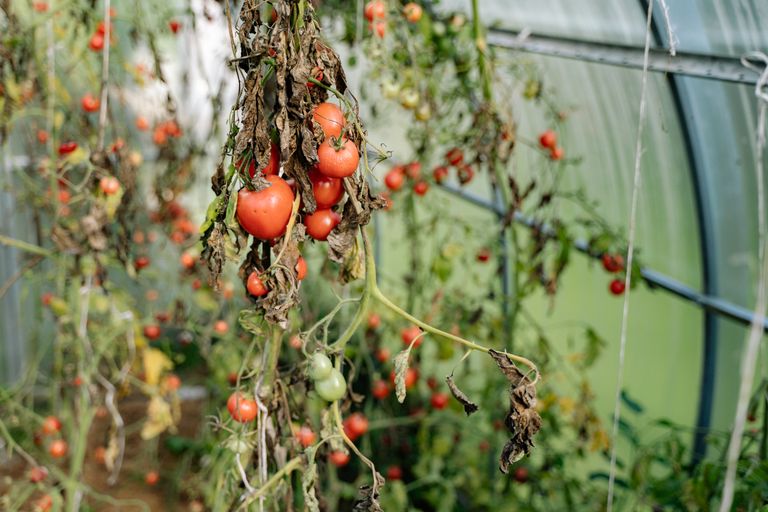
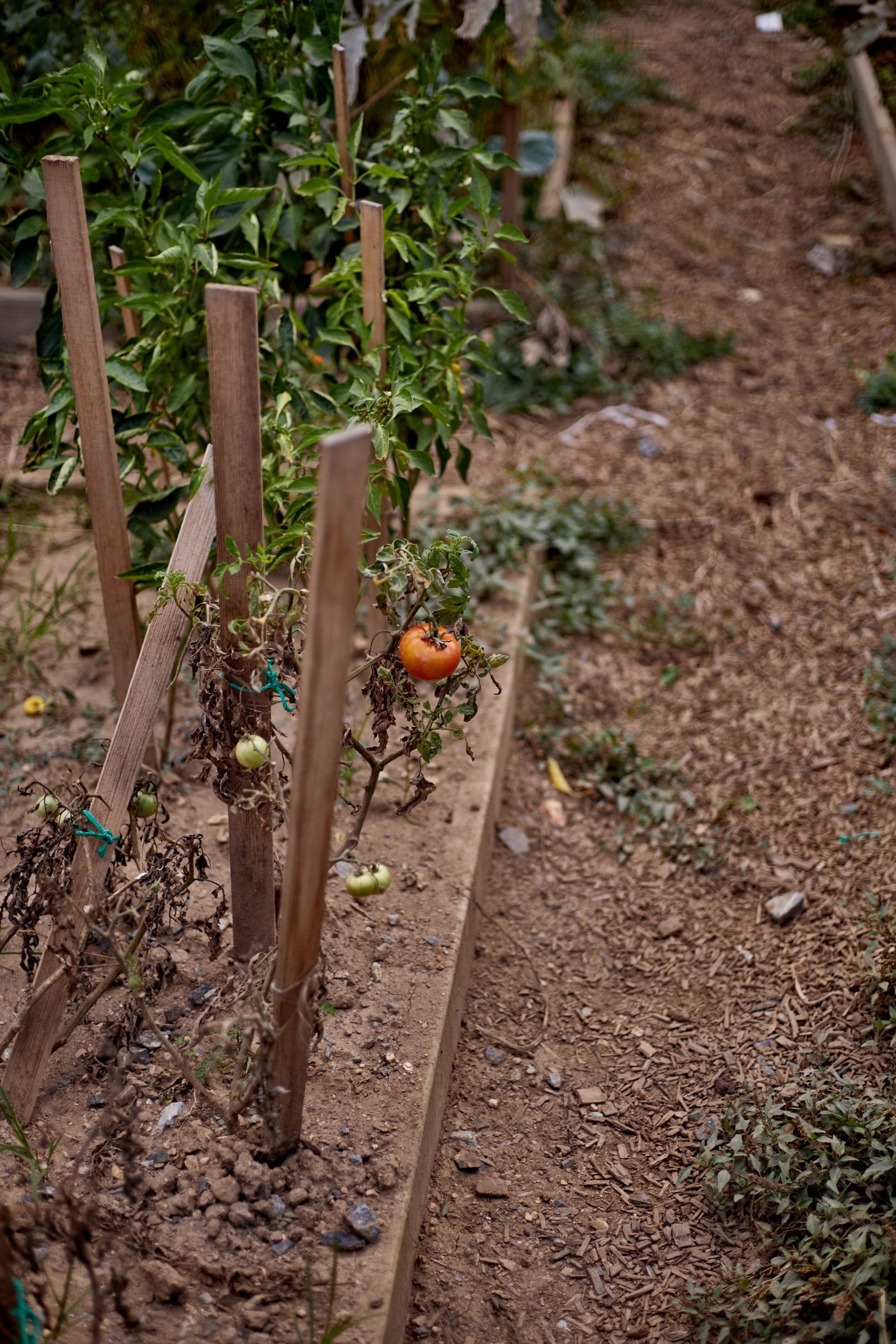
Vegetable plants rarely go from productive to finished overnight, and a plant doesn’t have to look particularly good to still have a harvest left in it. Tomatoes can have bare, tired-looking lower stems while healthy growth continues at the top. Peppers may stop setting fruit during difficult weather and pick back up later. Cucumbers can look worn out after weeks of production and still have a few good cucumbers coming.
On the other hand, there comes a point when you’re watering and tending a plant that has essentially finished its work. Garden space, water, and your time are resources too. Knowing when a plant has reached that point is more useful than having a date on a calendar telling you when it should be done.
The best place to start is with what the plant is doing now.
Look at the Newest Growth First
When you’re deciding whether a plant still has some life left in its production, don’t start with the oldest leaves at the bottom. Look at the growing tips.
Healthy new leaves, extending stems or vines, flower buds, blossoms, and tiny developing fruit all tell you that the plant is still actively growing. The older parts of the plant may look considerably worse for wear, especially after months in the garden, but that doesn’t necessarily matter if the business end of the plant is still working.
This is why yellow leaves alone aren’t a very good reason to pull something. Older leaves naturally decline. Heat, insects, water stress, and ordinary wear over a growing season can leave a productive plant looking pretty rough.
A yellow leaf is information. It is not an eviction notice.
Note: A plant doesn’t have to look good to still be productive. Judge it by healthy new growth, flowering, fruit development, and its overall pattern of decline—not by a few tired older leaves.
What matters more is the overall direction of the plant. As it truly begins winding down, new growth usually becomes less vigorous. Flowers become fewer. Fruit set slows, and eventually the plant is mostly finishing what is already there without producing much of anything new.
That’s when I start paying closer attention.
Make Sure It Isn’t Just Having a Bad Week
Before deciding a plant is finished, consider what the weather and growing conditions have been doing.
High temperatures can interfere with flowering, pollination, and fruit set in several common garden vegetables. Water stress, saturated soil, pest pressure, disease, and nutrient problems can also slow production. A plant that suddenly quits producing may have reached the end of its productive life, but a sudden change is also a good reason to look for another explanation.
Beans are a good example. During periods of excessive heat, blossoms may drop and pod production can slow even though the plants themselves are still alive and growing. If conditions improve and the plants remain reasonably healthy, production may pick back up. Squash and other fruiting vegetables can also have stretches when flowers are present but conditions interfere with successful fruit development.
The same reasoning applies elsewhere in the garden. If several plants suddenly struggle at the same time, something in their environment deserves a look. If one plant begins declining while everything around it is carrying on normally, look more closely at that particular plant for pests, disease, root trouble, or another problem.
Natural decline tends to look more like a winding down than a sudden shutdown. You may see older foliage declining while new growth gradually becomes weaker, flowering becomes less frequent, and harvests get smaller.
That isn’t a rule without exceptions. Gardening would be considerably easier if plants agreed to behave that neatly. But the pattern gives you more useful information than any single symptom does.
Flowers and Fruit Tell You a Lot
With fruiting vegetables such as tomatoes, peppers, cucumbers, squash, beans, eggplants, and melons, flowers are one of the easiest ways to see whether the plant is still trying to produce.
If new flowers are forming, the plant hasn’t finished trying.
That doesn’t mean every flower will become something you can harvest. If flowers are present but aren’t setting fruit, temperature, pollination, moisture, or plant stress may be interfering. If there aren’t any new flowers at all, then pollination obviously isn’t the immediate problem—there is nothing there to pollinate. At that point, the question is why the plant has stopped flowering.
This is also where it helps to look closely before pulling anything. A cucumber vine may have stopped making new flowers while several cucumbers are still sizing up beneath the leaves. A pepper plant may have only a few peppers left, but those peppers still count. Eggplants can carry developing fruit after flowering has slowed considerably.
If the existing fruit is still developing normally and the plant is healthy enough to carry it to maturity, there is usually no reason to rush. Toward the end of production, you may simply be waiting on the last worthwhile harvest rather than expecting the plant to start another full round.
Know How the Plant Is Supposed to Produce
You also have to account for the kind of plant you’re growing. Not every vegetable is meant to keep producing indefinitely.
Determinate tomatoes are a good example. They reach a more limited size and tend to produce their crop within a concentrated period. Once that production is winding down, you shouldn’t necessarily expect the plant to start another long season of growth and flowering. An indeterminate tomato, by contrast, can continue growing, flowering, and setting fruit as long as conditions remain favorable.
Bush beans and pole beans can differ in their production patterns too. Bush varieties tend to give you a more concentrated harvest, while pole beans generally continue producing over a longer period when conditions are favorable. Individual varieties of many vegetables also differ in how long and heavily they produce. Weather, disease pressure, planting time, and climate add another layer on top of that.
You don’t need a botany degree to decide whether to pull a vegetable plant. You do need a basic idea of what you planted and how it normally grows.
That’s another reason calendar dates aren’t particularly good at making this decision for you. A gardener in Maine and a gardener in Alabama can both have vegetables in the ground while those plants are experiencing very different growing seasons. Even two varieties planted beside each other may not finish at the same time.
A Quick Check Before You Pull It
If you’re standing in the garden trying to make the call, check the plant as a whole:
- New growth: Are the growing tips still healthy and active?
- Flowers: Is the plant still producing buds or blossoms?Fruit set: Are new fruits beginning to develop?
- Existing harvest: Is fruit already on the plant still growing normally?
- Pattern: Has production gradually wound down, or did it stop suddenly?
- Growing conditions: Could heat, water, pests, disease, or another stress explain the slowdown?
- Recovery: If conditions have recently been difficult, does the plant begin growing or flowering again once they improve?
You aren’t looking for one magic sign. You’re looking for several pieces of evidence telling the same story. A plant with yellow lower leaves but vigorous new growth, blossoms, and developing fruit isn’t finished. A plant with almost no new growth, no new flowers, no worthwhile fruit left, and a steady overall decline probably is.
When It’s Time to Clear the Plant
Once meaningful new growth has stopped, flowering and fruit set have ended, the remaining harvest is finished, and there isn’t a temporary problem that reasonably explains the decline, there isn’t much benefit in keeping the plant.
Pull it and put the space to better use.
Depending on where you live and where you are in the growing season, that might mean planting another crop, sowing a cover crop, adding compost or other amendments the soil actually needs, or simply cleaning up the bed and preparing it for what comes next. Removing a finished plant also gives you a chance to look at the roots and soil and see whether there is anything worth noticing before you move on.
Healthy plant material may have another use in the compost pile. Plants with significant disease or persistent pest problems deserve more careful handling rather than automatically being tossed into compost.
This is where the phrase Waste Not Want Not can be misunderstood if we’re not careful. It doesn’t mean hanging onto something simply because it isn’t completely dead yet. Keeping an unproductive plant in the ground while continuing to spend water, space, and labor on it isn’t necessarily resourceful.
The point is to recognize the value that remains and use your resources where they will do the most good. Sometimes that means leaving a tired-looking plant alone because it still has food to give you. Sometimes it means pulling it, composting what you can, and giving that piece of ground another job.
Let the Plant Make the Case
Garden calendars are useful. They help us plan planting windows, anticipate harvests, and keep track of a season that can get away from us surprisingly quickly. They are not legally binding documents.
If a pepper plant is healthy, flowering, and setting peppers, it doesn’t care that a chart says its season should be ending. If another plant has stopped growing and producing, keeping it because the calendar says it ought to have three more weeks won’t change what is happening in front of you.
So look at the plant.
Check the new growth instead of judging it by the oldest leaves. Look for flowers and developing fruit. Consider whether the slowdown happened gradually or followed a stretch of difficult weather. Know enough about the variety you’re growing to understand what normal production looks like.
After you’ve done that a few times, deciding when a plant is finished becomes less of a guess. You begin to recognize the difference between a plant that’s had a hard week and one that’s truly winding down.
That’s a skill worth learning because it works in your garden, in your climate, with the plants actually growing in front of you. No chart can do that part for you.