Leaf Mold: Nature’s Forgotten Soil Builder
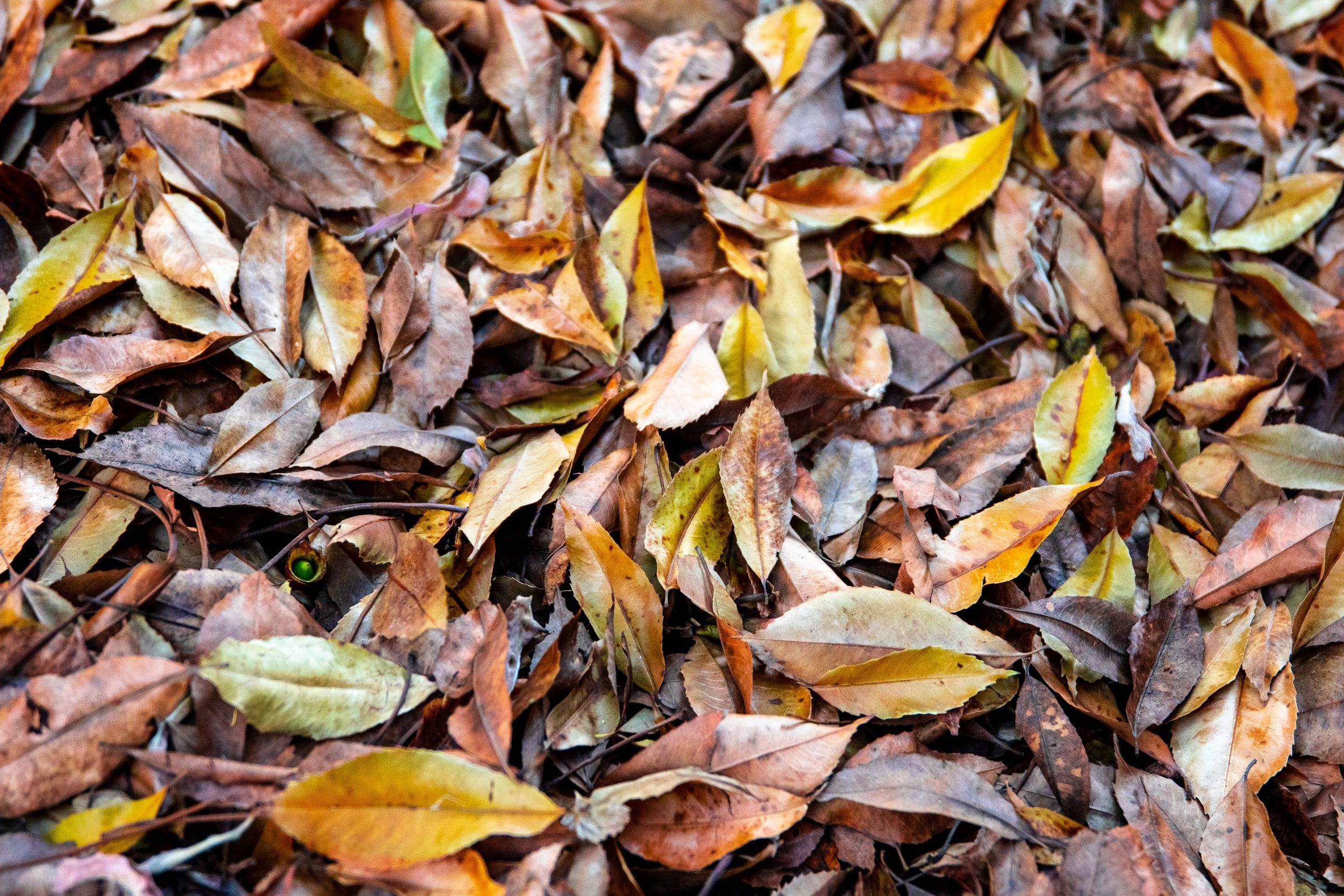
Walk through a mature forest after autumn leaves have fallen, and you’ll notice something remarkable. Nobody rakes every leaf into plastic bags. Nobody hauls them to the curb. Year after year, those leaves settle onto the ground, slowly break down, and become part of the rich, dark soil beneath the trees.
Nature has been building fertile soil this way for thousands of years.
Many gardeners understand composting, but far fewer have heard of leaf mold. That’s unfortunate because leaf mold is one of the easiest, least expensive, and most effective ways to improve garden soil. It doesn’t require carefully balancing “greens” and “browns.” It doesn’t need frequent turning. And once it’s started, it requires very little attention at all. In fact, the hardest part is remembering to leave it alone.
In a world eager to package every solution in a brightly colored bag, it’s easy to overlook the value of something as ordinary as fallen leaves. Yet one of the finest soil amendments you’ll ever use may already be scattered across your yard every autumn.
What Is Leaf Mold?
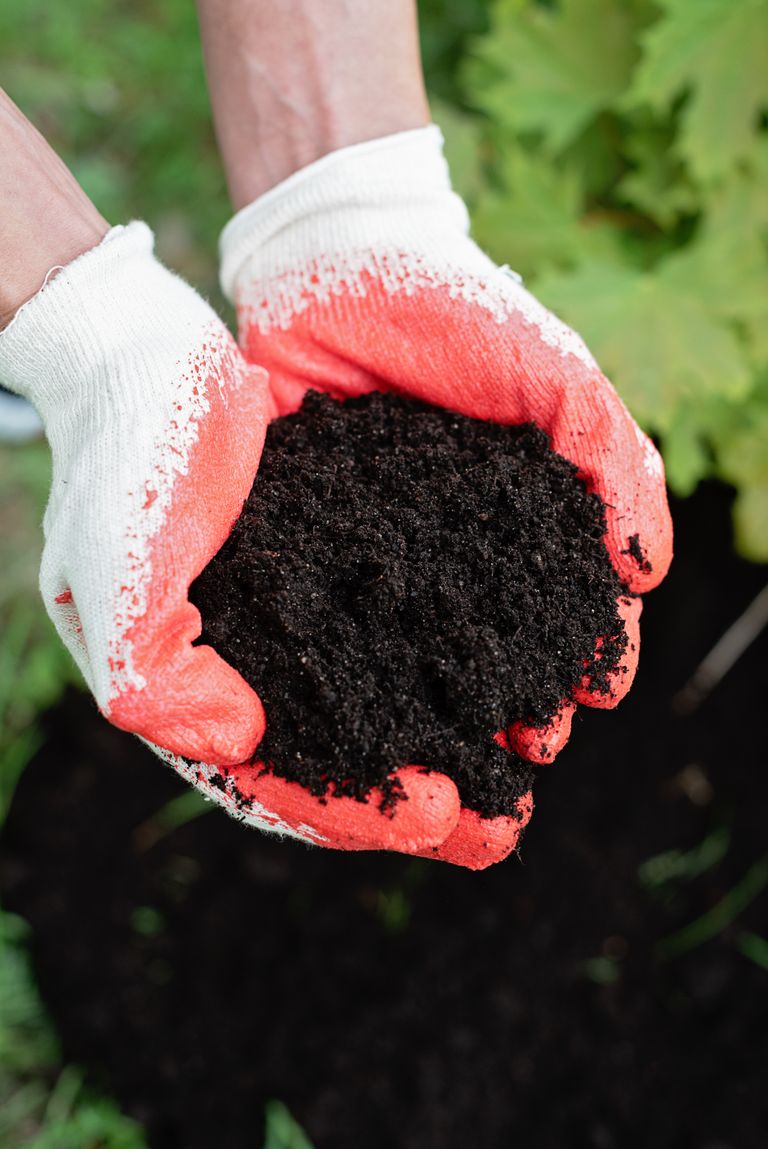
Despite the name, leaf mold isn’t actually mold in the sense most people think of. It isn’t harmful, and it isn’t something to avoid. It’s simply partially or fully decomposed leaves.
Unlike traditional compost, which is broken down primarily by bacteria, leaf mold is decomposed mostly by fungi. That difference matters because fungi produce a soft, crumbly material that excels at holding moisture and improving soil structure.
The Golden Rule of Soil Amendments:
Think of compost as a nutrient-rich meal for your garden.
Think of leaf mold as improving the house your plants live in.
Both have an important job, but they accomplish entirely different things. Together, they create a stronger foundation than either could alone.
Why Leaf Mold Matters
Leaves don’t contain large amounts of nutrients compared to finished compost or manure, but that’s not what makes leaf mold valuable. Its greatest strength is what it does for the physical structure of the soil itself.
As leaves slowly decompose, they create a lightweight, sponge-like material that:
- Improves overall soil structure and aeration
- Increases the soil’s ability to hold moisture
- Encourages beneficial fungi, earthworms, and other soil life
- Reduces erosion and surface crusting
- Helps fast-draining sandy soil retain water longer
- Gradually loosens and lightens heavy clay soils
- Provides an excellent, weed-suppressing natural mulch
A single application won’t transform a garden overnight, but gardens aren’t built overnight. Healthy soil is the result of small improvements made consistently over many seasons.
Why Forests Rarely Need Fertilizer
One reason forests remain healthy century after century is that very little leaves the system.
Trees grow leaves.
Leaves fall.
Fungi, insects, earthworms, and countless microorganisms slowly recycle those leaves back into the soil.
The nutrients stay exactly where they belong.
Our yards often interrupt that cycle. Every autumn, millions of bags of leaves are hauled away as though they’re trash instead of one of the most valuable resources a homeowner has.
It’s an odd habit when you stop to think about it. We pay to remove organic matter, then pay again to buy packaged soil amendments that do much the same job.
Nature tends to favor simpler systems.
How to Make Leaf Mold
One of the best things about leaf mold is how little work it requires.
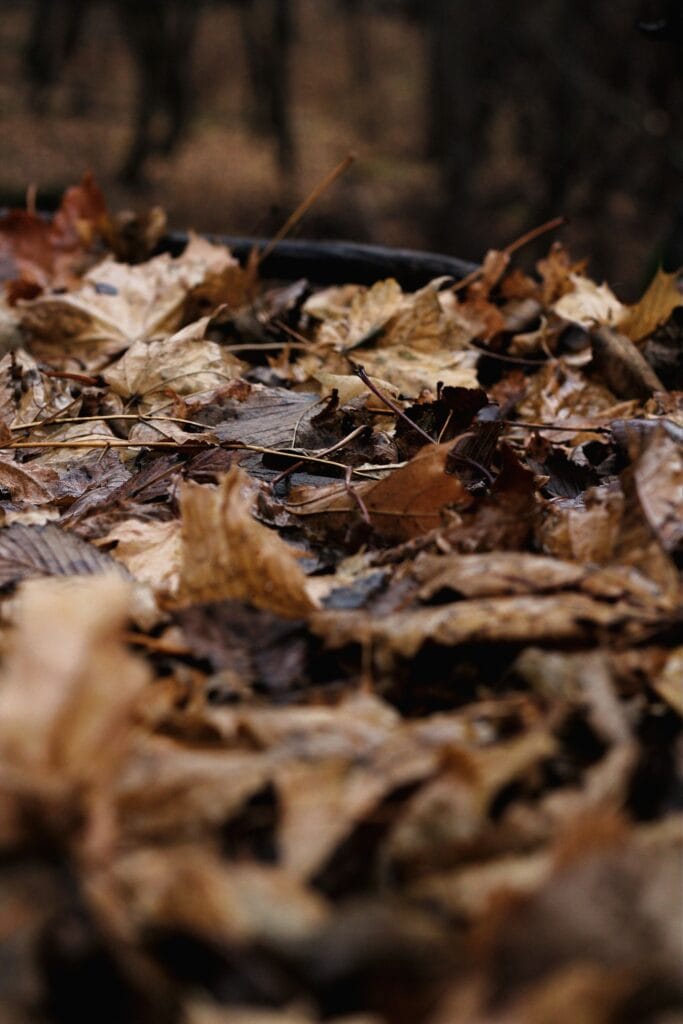
- Gather the Leaves: Collect fallen leaves after they’ve dropped naturally. Shredding them with a lawn mower isn’t strictly required, but it speeds up decomposition dramatically by increasing the surface area available to fungi.
- Contain Them: Place the leaves into a simple wire bin, a homemade enclosure made from fencing, or even heavy-duty trash bags with a few dozen holes punched in the sides for airflow.
- Add Moisture: Moisten the leaves until they’re damp, like a wrung-out sponge, but not soaking wet.
- Wait: Unlike compost piles, leaf mold doesn’t need frequent turning. Fungi work more slowly than bacteria, but they’re remarkably efficient given enough time.
How Long Does It Take?
Patience is the main ingredient.
Shredded leaves often become usable in 6 to 12 months, while whole leaves may take 1 to 2 years, depending on moisture and local weather conditions.
By the time it’s finished, the leaves will no longer look like leaves. Instead, they’ll become dark brown or black, soft, crumbly, and earthy-smelling. If it smells like a healthy forest after a fresh rain, you’re on the right track.
Not All Leaves Are Created Equal
Some leaves decompose quickly, while others require considerably more time. Mixing different types of leaves together often creates a more balanced pile and helps improve overall decomposition.
| Fast Decomposers | Slower Decomposers |
|---|---|
| Maple, Ash, Poplar, Cherry, and most fruit trees. Their thinner leaves contain less lignin and break down relatively quickly. | Oak, Beech, Magnolia, Sycamore, and many evergreen leaves. They are thicker or contain more natural compounds that slow decomposition. |
A Note on Leaves to Avoid:
While most leaves are perfectly suitable for leaf mold, avoid using leaves from Black Walnut trees. They contain juglone, a naturally occurring compound that can stunt the growth of sensitive plants such as tomatoes, peppers, and potatoes.
It’s also wise to avoid leaves that suffered from severe fungal diseases if your garden has experienced ongoing disease problems. While many composting systems eventually break down these pathogens, starting with healthy leaves is often the simpler choice.
Leaf Mold vs. Fresh Leaf Mulch
People sometimes confuse leaf mold with simply spreading fresh leaves across the garden, but they’re not quite the same thing.
Fresh leaves make an excellent mulch. They protect the soil from erosion, help conserve moisture, moderate soil temperatures, and suppress weeds as they slowly begin to break down.
Leaf mold is what those same leaves become after months or years of decomposition.
Both have a place in the garden.
Fresh leaves protect the soil today.
Leaf mold improves the soil for years to come.
Rather than choosing one or the other, many gardeners use both. Fresh leaves become this year’s mulch and next year’s leaf mold, continuing the same natural cycle that has been building healthy forests for centuries.
How to Use Leaf Mold
Finished leaf mold is incredibly versatile throughout the homestead. Because it releases what few nutrients it contains very slowly, it works best as a long-term investment in soil health rather than a quick fertilizer.
You can:
- Mix it directly into garden beds before spring planting.
- Use it as a top-dressing mulch around vegetables, flowers, shrubs, and trees.
- Blend it into raised bed soil to improve texture and moisture retention.
- Improve homemade potting mixes by adding moisture-holding organic matter.
- Spread it around perennial plants to gradually improve the soil year after year.
A Resource Worth Keeping
It’s interesting how quickly ordinary things become valuable once we understand what they actually do.
A pile of fallen leaves doesn’t look particularly impressive. It won’t come with a colorful label or promises of miraculous harvests. It won’t ask you to subscribe, reorder every month, or buy a matching product to make it work.
It will simply become better soil.
Sometimes the most effective improvements are also the least expensive. Building a capable garden isn’t about collecting every new product that appears on a store shelf. More often, it’s about learning to recognize the value in resources we’ve been stepping over all along.
At Waste Not Want Not Homestead, we believe stewardship begins with seeing abundance where others see waste. Few things prove that lesson better than a pile of autumn leaves quietly becoming next year’s healthy soil.
Join the Porch Sitters
A house becomes a home through the small things we choose to learn, make, repair, grow, and pass along. Those skills don’t disappear overnight, and they won’t return overnight either. They come back one season, once project, and one meal at a time.
That’s what the Porch Sitters are all about.
Each edition of The Front Porch brings practical homesteading skills, seasonal guidance, thoughtful encouragement, and new resources to help you build a more capable household. No clutter. No chasing every trend. Just timeless knowledge that still has a place in modern life.
If that sounds like the kind of home you’re building, we’d be glad to save you a seat.
Rediscover the skills that turn a house into a home.