Cover Crops: Feeding Your Soil Between Growing Seasons
If you’ve ever finished harvesting a garden and thought, “Well, that’s done until spring,” you’re certainly not alone. Many gardeners clean up the beds, leave the soil bare for several months, and assume they’re giving the garden a well-earned rest.
The soil, however, doesn’t see it that way.
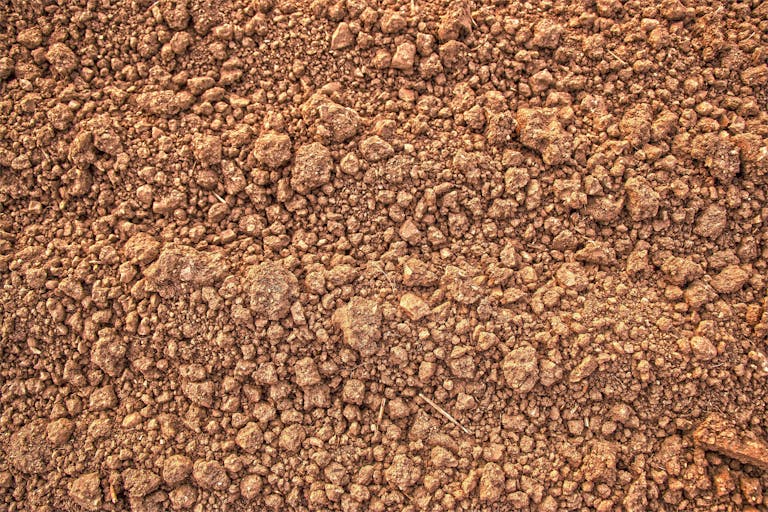
In nature, bare ground is surprisingly rare. Forest floors stay covered with fallen leaves, meadows remain filled with grasses, and even abandoned fields quickly begin growing something. Nature has little interest in leaving soil exposed because bare soil loses moisture quickly, erodes during heavy rains, invites weeds, and slowly loses the organic matter that keeps it healthy. Living roots help prevent all of those problems.
That’s where cover crops come in. Despite the name, cover crops aren’t grown for harvest; they’re planted to improve the soil itself. They protect the ground, feed beneficial organisms, reduce erosion, and return valuable organic matter to the soil for the next growing season.
It may seem strange to plant something you never intend to eat, but some of the most productive gardens are built by occasionally growing crops for the soil instead of for ourselves.
What Are Cover Crops?
A cover crop—often called “green manure“—is simply any plant grown primarily to benefit the soil rather than produce food. Think of them as a long-term investment rather than a quick harvest.
Once they’ve done their job, these plants are typically cut down and either left on the soil surface as a protective mulch or worked lightly into the top layer of soil. Instead of removing nutrients from the garden, cover crops help recycle them, protect them, and often return more organic matter to the soil than was there before they were planted.
Why Bare Soil Creates Problems
It’s easy to assume that soil sitting quietly through winter isn’t changing. In reality, quite a bit is happening beneath the surface, and much of it isn’t good.
- Erosion and Leaching: Hard winter rains can wash away valuable, nutrient-rich topsoil and carry nutrients deeper into the soil where shallow-rooted crops may not be able to reach them.
- Compaction: Heavy precipitation falling on exposed ground can compact the soil, leaving spring gardens tighter, less porous, and harder to work.
- Weed Invasions: Weed seeds seize every opportunity to move into empty spaces, meaning a bare winter bed often becomes a much bigger weeding job in spring.
Healthy soil works best when something is always protecting it. A living cover acts much like a blanket of mulch, but with one important advantage: the roots continue working below ground while the plants are growing, feeding soil organisms, improving soil structure, and creating channels that help water and air move through the earth.
The Benefits of Growing Cover Crops
One simple planting can improve your garden in several ways at once, working quietly behind the scenes while you take a break from daily garden chores.
1. Protects Against Erosion
Living roots help anchor the soil during heavy rains and strong winds, reducing the amount of valuable topsoil that washes or blows away.
Building healthy soil takes years. Losing part of it can happen during a single storm.
2. Adds Organic Matter and Improves Soil Structure
When cover crops are terminated and allowed to decompose, they become a valuable source of organic matter. That material improves water retention, feeds beneficial soil organisms, and gradually builds healthier soil structure.
At the same time, growing roots naturally loosen compacted soil. When those roots die, they leave behind tiny channels that improve drainage and airflow, making it easier for future vegetable roots to grow deeper.
Healthy soil isn’t built by constant tilling. More often, it’s built by living roots quietly doing the work underground.
3. Helps Suppress Weeds
Nature doesn’t like empty space. If you don’t grow something intentionally, weeds are usually happy to volunteer.
A dense cover crop forms a living canopy that shades the soil, reducing the sunlight weed seeds need to germinate. That means fewer weeds waiting for you when planting season returns.
4. Supports Beneficial Soil Life
Living roots release small amounts of sugars and other compounds that feed bacteria, fungi, and countless microscopic organisms beneath the surface. Even when your vegetable garden appears to be resting, the soil food web continues working.
You’re feeding the garden long before the first tomato plant ever goes into the ground.
5. Some Varieties Make Their Own Fertilizer
Certain cover crops belong to the legume family, including clover, peas, and hairy vetch. These plants form a partnership with beneficial bacteria that capture nitrogen from the air and convert it into forms future plants can use.
When those plants decompose, much of that nitrogen becomes available for heavy-feeding vegetables.
Nature has been solving fertility problems long before garden centers began selling bottled solutions.
Common Cover Crops for Home Gardens
Different plants serve different purposes, so it’s best to choose a variety that matches your growing season and gardening goals.
| Cover Crop | Best Planting Window | Primary Benefits | What to Expect |
|---|---|---|---|
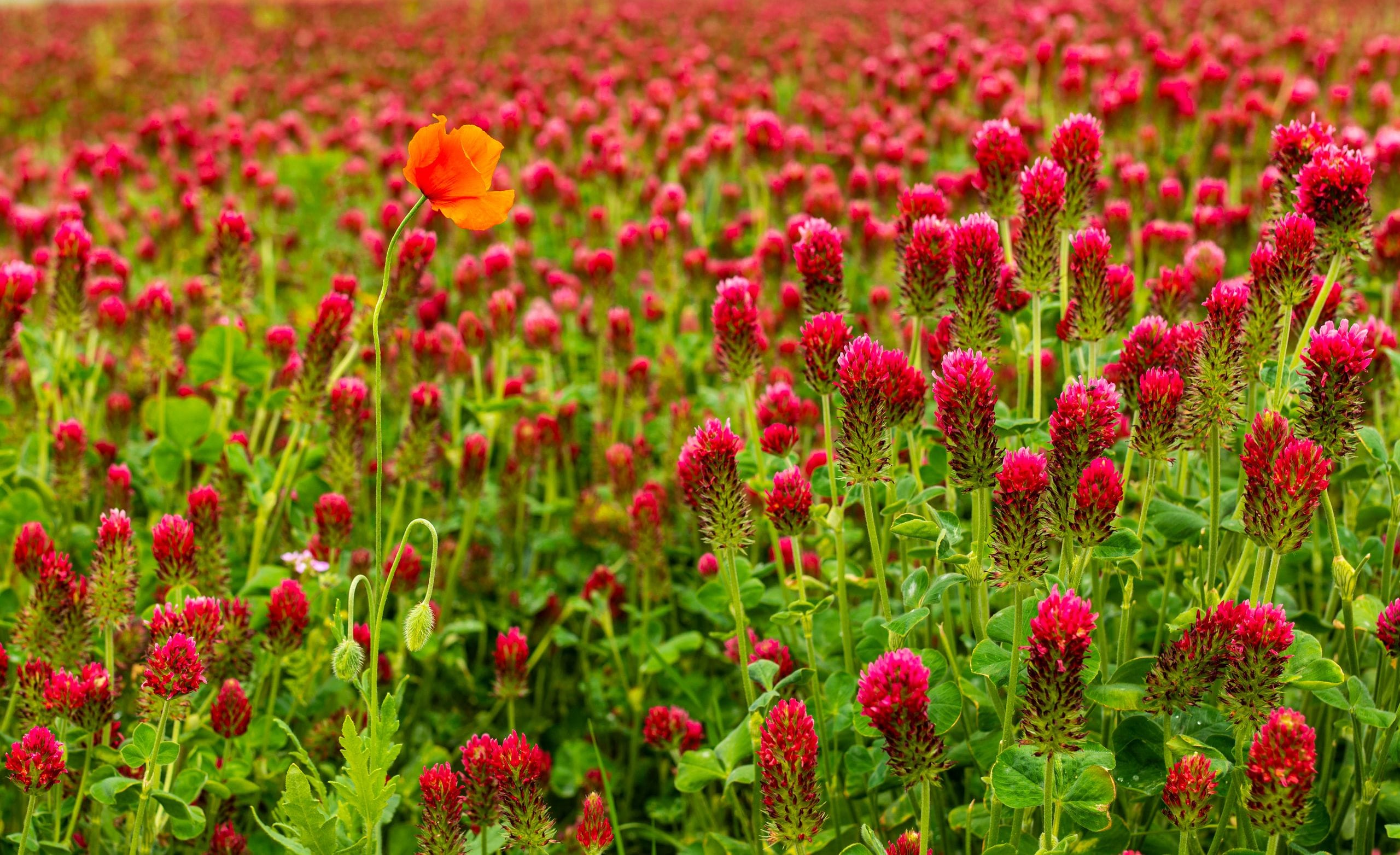
| Crimson Clover | Late Summer / Early Fall | Fixes nitrogen; builds organic matter | Produces beautiful red blooms in spring that attract pollinators if allowed to flower. |
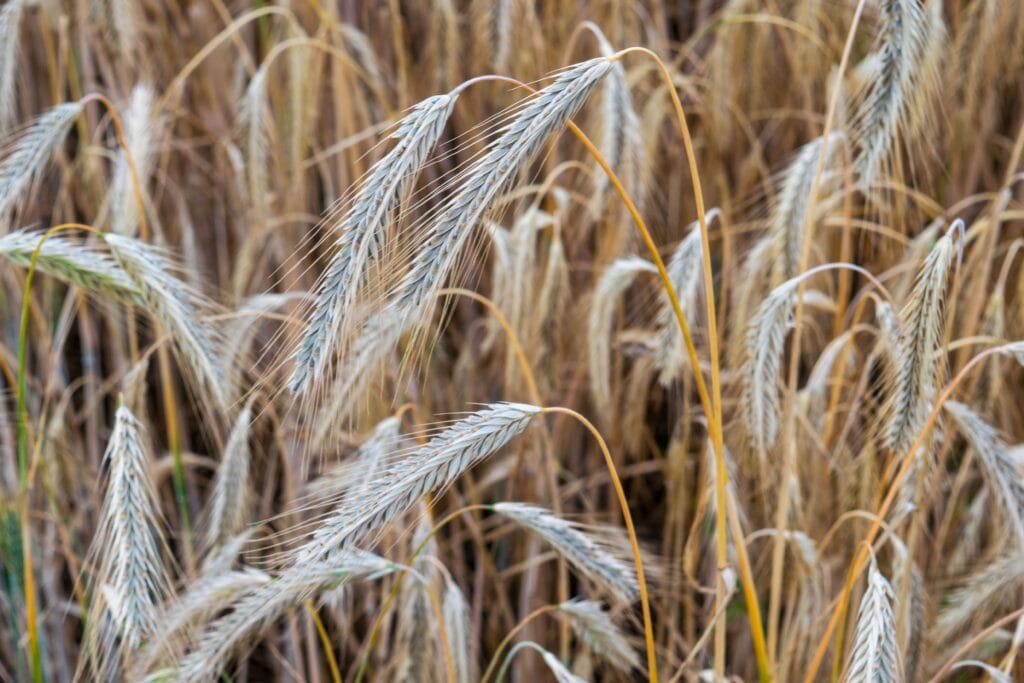
| Winter Rye | Fall / Late Fall | Excellent erosion control; loosens compacted soil | Extremely cold-hardy and produces abundant organic matter with deep roots. |
| Oats | Late Summer / Early Fall | Builds biomass; excellent for beginners | Often winter-kills in colder climates, leaving behind an easy-to-manage mulch layer. |
| Buckwheat | Late Spring through Summer | Fast weed suppression; attracts beneficial insects | Matures in about 30 to 40 days, making it an excellent choice between vegetable crops. |
Management: How to “Terminate” Your Cover Crop
The number one concern many gardeners have is that their cover crop will become next year’s weed problem. Fortunately, success comes down to one simple rule.
The Golden Rule of Cover Crops: Cut your cover crop down after it begins flowering, but before it produces mature seed. Allowing the plants to go to seed can create volunteer plants where you may not want them next season.
The No-Till / Low-Disturbance Method
You don’t need to till cover crops into the soil. Many home gardeners now prefer a low-disturbance approach that preserves soil structure and protects the beneficial fungal networks growing underground.
- Cut: Use hand shears, a string trimmer, or a mower to cut the crop at ground level.
- Drop: Leave the plant material on the soil surface where it becomes a protective mulch.
- Wait: Allow two to three weeks for the roots to begin decomposing naturally while the surface foliage starts breaking down. The result is a soil surface that’s ready for planting with very little disturbance.
Cover Crops Aren’t Wasted Space
One reason some gardeners hesitate to plant cover crops is the feeling that they’re giving up valuable growing space. That’s understandable. After all, most of us plant gardens because we want to harvest vegetables.
But soil isn’t a machine that can produce crops forever without care.
Every harvest removes nutrients. Every season asks something of the ground beneath our feet.
Most people understand that changing the oil keeps a truck running longer because it prevents much larger repairs later. Caring for garden soil works the same way. A little routine maintenance today saves a great deal of work tomorrow.
Occasionally dedicating a few months to rebuilding your soil isn’t lost production.
It’s an investment in every harvest that follows.
Final Thoughts
Cover crops may never be the most exciting thing you’ll grow. You won’t harvest baskets of tomatoes or armfuls of green beans from them.
What you will harvest is healthier, more resilient soil.
Season after season, living roots improve soil structure, reduce erosion, build organic matter, support beneficial organisms, and prepare the garden for whatever comes next.
At Waste Not Want Not Homestead, we believe stewardship often looks ordinary. It’s choosing small, consistent habits that strengthen your household over time instead of searching for shortcuts every season.
Planting something simply to care for the soil may not feel productive today.
By next year’s harvest, you’ll be glad you did.
Join the Porch Sitters
A house becomes a home through the small things we choose to learn, make, repair, grow, and pass along. Those skills don’t disappear overnight, and they won’t return overnight either. They come back one season, once project, and one meal at a time.
That’s what the Porch Sitters are all about.
Each edition of The Front Porch brings practical homesteading skills, seasonal guidance, thoughtful encouragement, and new resources to help you build a more capable household. No clutter. No chasing every trend. Just timeless knowledge that still has a place in modern life.
If that sounds like the kind of home you’re building, we’d be glad to save you a seat.
Rediscover the skills that turn a house into a home.