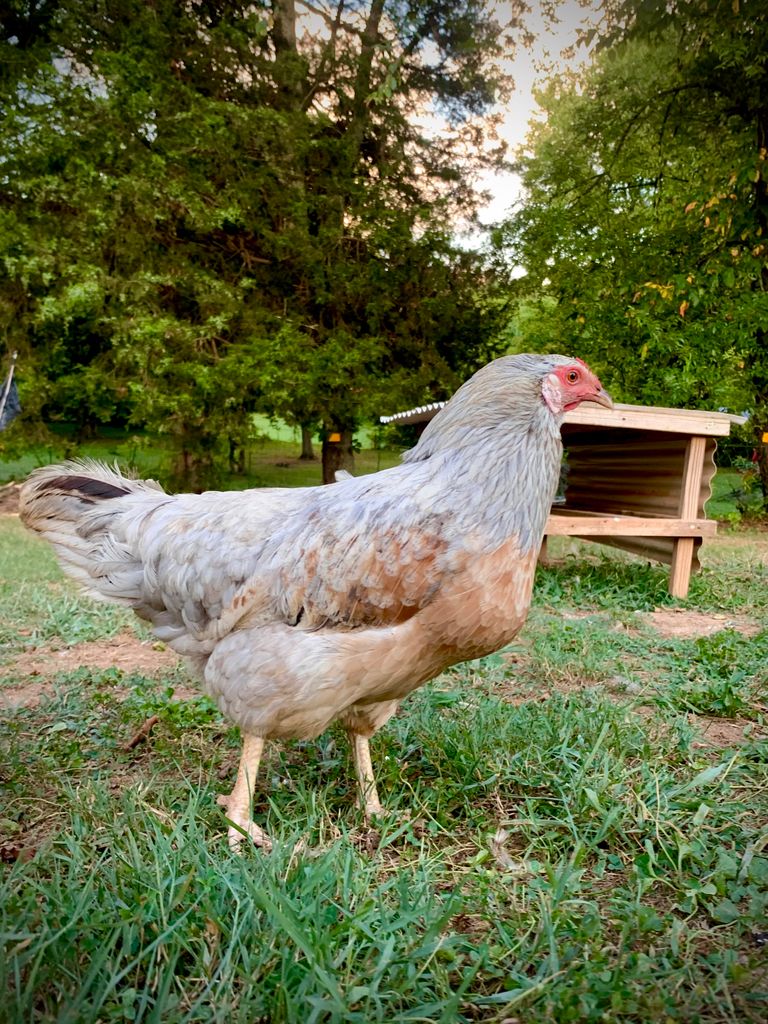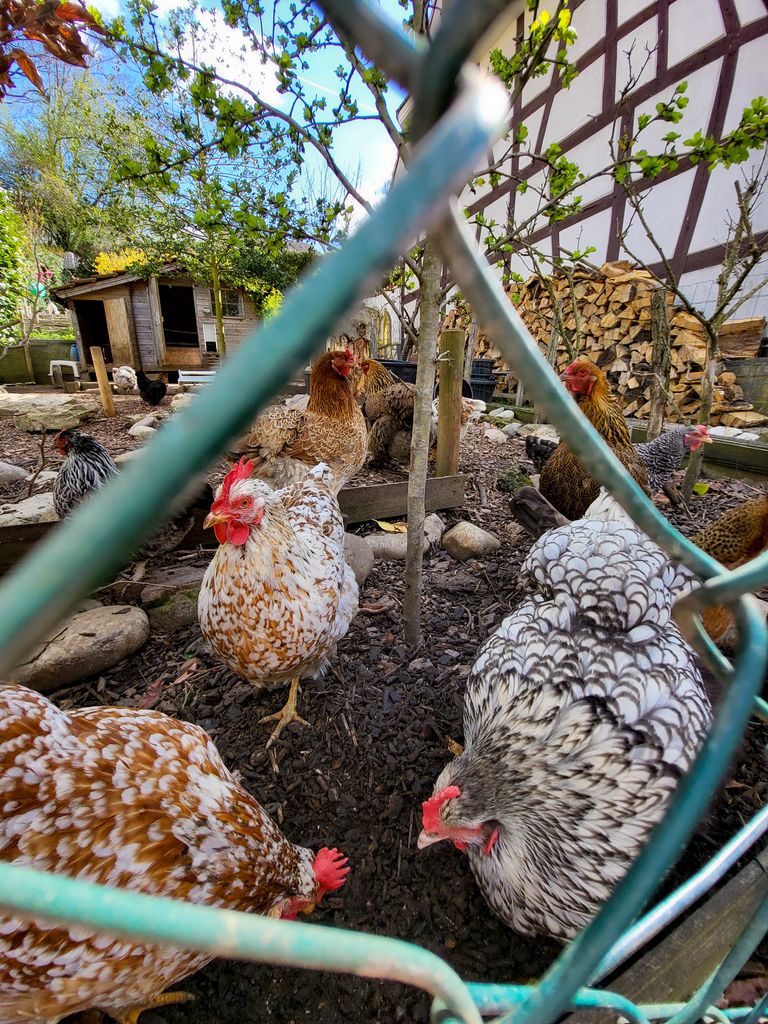
Chicken Molting: Why Your Chickens Stop Laying and Lose Feathers
Chicken moulting surprises almost every new chicken keeper.
You walk into the coop expecting to collect eggs, only to find far fewer than usual. Then you notice feathers scattered everywhere. Soon, one of your hens looks like she’s having the worst hair day imaginable.
It’s easy to assume something is seriously wrong. Fortunately, in most cases, this is completely normal.
Molting is a natural part of a chicken’s life. During a molt, chickens shed old, worn-out feathers and grow an entirely new set. Because growing feathers takes a tremendous amount of energy, hens usually stop—or greatly reduce—egg production until the process is complete.
Understanding what a normal molt looks like can save you unnecessary worry and help you care for your flock during one of the most demanding times of the year.
What Is Molting?
Chicken molting is the natural process of replacing old feathers with new ones.
Feathers aren’t permanent. After months of scratching through the yard, flying onto roosts, raising chicks, and enduring rain, sun, and wind, they become damaged and lose their ability to keep a chicken warm, dry, and protected.
Just as trees replace their leaves, chickens periodically replace their feathers. A fresh set provides better insulation for winter, improves waterproofing, and protects the bird from everyday wear and injury.
When Do Chickens Molt?
Most adult chickens experience a major molt once each year, typically during late summer or fall as daylight hours begin to decrease.
Young chickens also go through several smaller, partial molts while replacing their fluffy chick down with adult feathers. These juvenile molts usually don’t affect egg production since the birds haven’t started laying yet.
Timing varies from flock to flock and even bird to bird. Some breeds naturally molt more heavily than others, and older hens tend to experience longer or more extensive molts than younger ones.
Why Do Chickens Stop Laying During a Molt?
Producing eggs requires a great deal of protein, calcium, and energy. Growing hundreds of new feathers places similar demands on the body. Mature feathers are composed primarily of keratin, a structural protein, making feather growth an especially protein-intensive process.
A hen’s body simply can’t devote enough resources to producing eggs and replacing an entire set of feathers at the same time. Instead, it prioritizes feather growth. Many hens stop laying completely during a significant molt, while others produce only an occasional egg. Production typically returns to normal once the new feathers have grown in.
What to Expect
Light molt: Egg production may dip only slightly.
Heavier molt: It’s common to collect few—or even no—eggs for several weeks to a couple of months before your hens gradually return to laying.
What Does a Normal Molt Look Like?
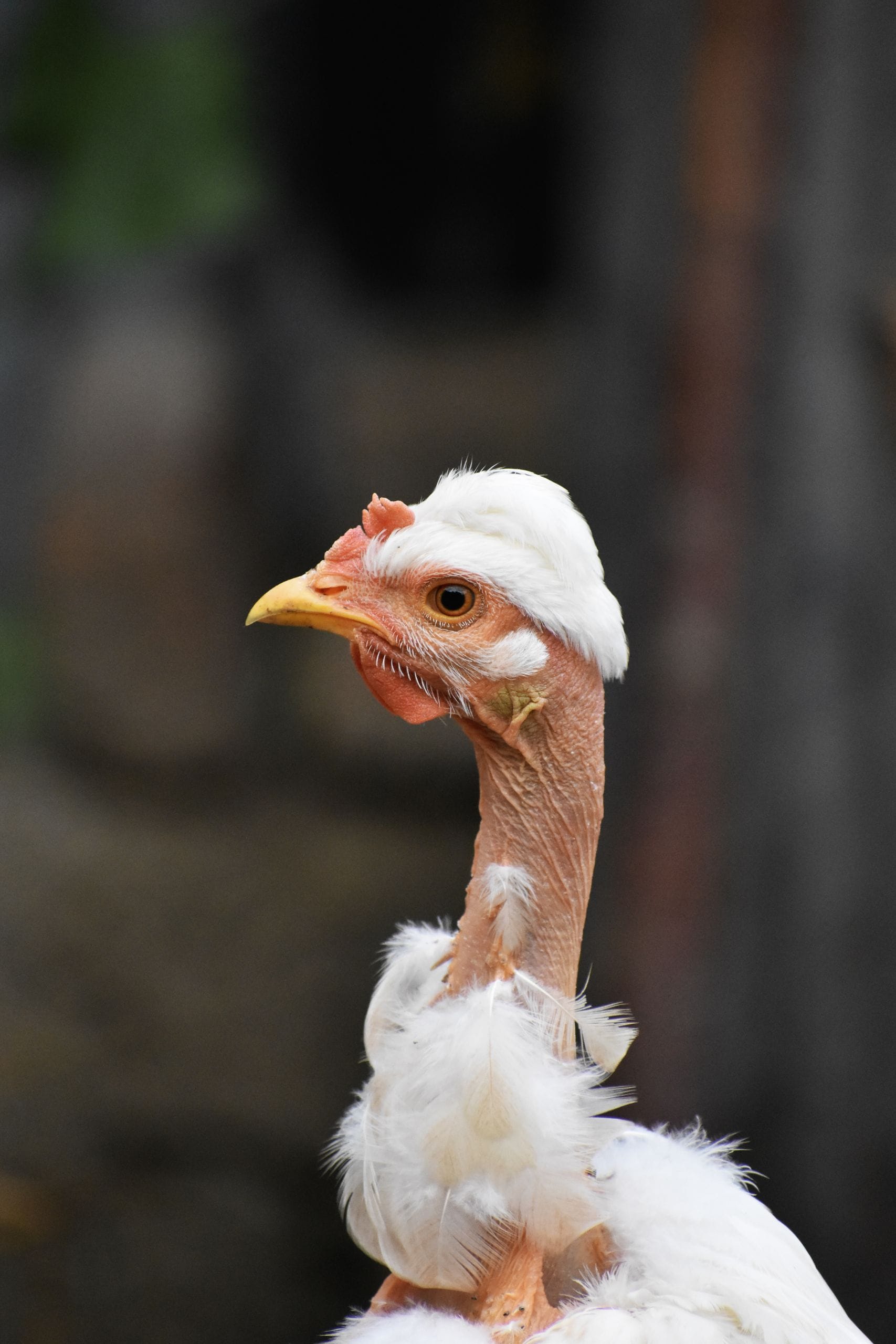
Molting ranges from barely noticeable to downright dramatic. Some hens drop a few feathers at a time, while others seem to lose half their wardrobe overnight.
Watch for:
- Feathers scattered throughout the coop and run
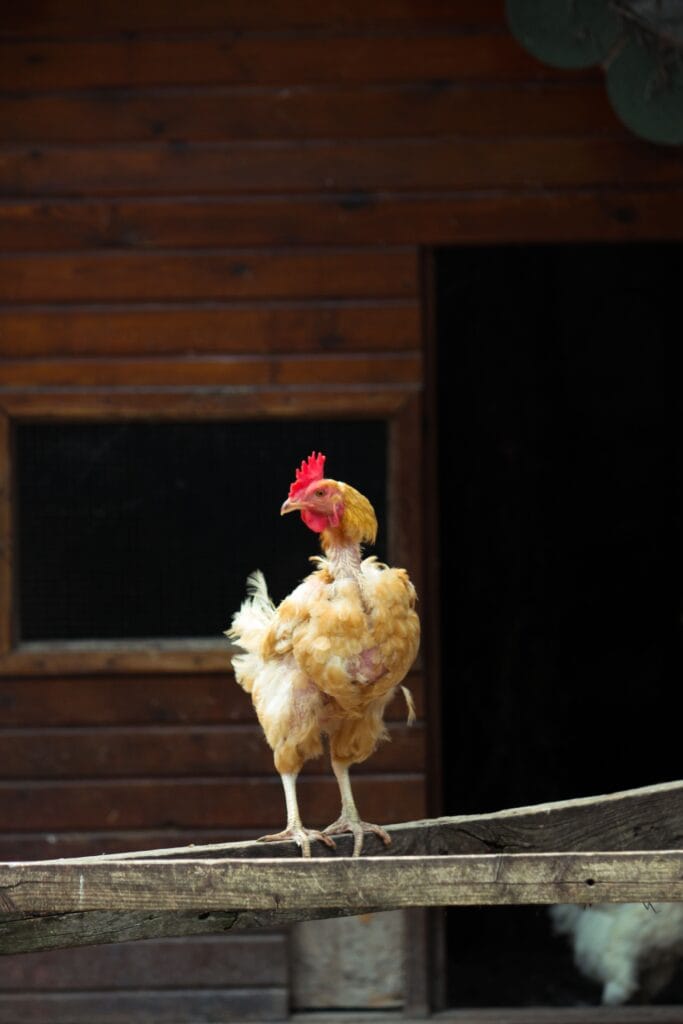
- Thin patches around the neck or back, or bare spots on the body
- New feathers emerging as short, stiff pin feathers
- Fewer eggs than usual
- A quieter, more reserved bird
Healthy molting chickens usually continue eating, drinking, and behaving normally, even when they look a little rough.
Pin Feathers Need Gentle Handling
New feathers first emerge as narrow, tube-like pin feathers (sometimes called blood feathers). They contain an active blood supply while developing, making them extremely sensitive. Accidentally breaking one can cause bleeding and considerable discomfort.
Handle with Care: Most chickens dislike being handled during this stage, so unless a hands-on health check is necessary, it’s best to admire them from a distance. As each feather matures, the protective outer sheath dries and flakes away, revealing the soft new feather underneath.
How Long Does Molting Last?
- Light molts: A few weeks
- Heavier molts: Typically two to four months
Every bird is different, so don’t expect your entire flock to begin or finish molting at the same time.
Caring for Chickens During a Molt
Molting birds don’t need complicated care, but good nutrition, fresh water, and a low-stress environment help them recover more comfortably.
- Increase protein: Most layer feeds contain about 16% protein, which is ideal for supporting egg production but lower than many keepers prefer during a significant molt. Many backyard chicken keepers temporarily switch to an 18–20% grower or flock-raiser feed to better support feather regrowth.
- Offer protein-rich treats: Dried mealworms, black soldier fly larvae, plain scrambled eggs, and plain cooked fish or poultry can be offered in moderation. As with any treats, they should make up no more than about 10% of your flock’s overall diet.
Molt Tip: Grower and flock-raiser feeds contain much less calcium than layer feed. If you temporarily switch feeds, offer free-choice oyster shell alongside the feed so hens that continue laying can consume the calcium they need.
- Keep water fresh and available: Feather regrowth requires significant energy, and clean water is just as important as good nutrition. Check waterers daily, especially during hot weather when molting birds are already under additional physical stress.
- Limit stress: Avoid introducing new flock members, moving the coop, or making other major management changes until the molt has passed.
- Handle gently, and separate only if needed: Healthy chickens can normally remain with the flock during a molt. However, if flock mates begin pecking at exposed skin or bleeding pin feathers, separate the injured bird until it has healed.
Should You Still Collect Eggs During a Molt?
Yes. Any eggs your hens lay during a molt are perfectly safe to eat.
You’ll simply collect fewer of them while your hens devote most of their energy to growing new feathers. Shells may occasionally be thinner or show minor cosmetic differences during this time, but this is usually temporary.
When Feather Loss Isn’t Molting
Not every bare spot is a seasonal molt. Use this quick reference guide to determine if your hen is experiencing a normal molt or another issue:
| Indicator | Normal Seasonal Molt | Another Possible Cause |
|---|---|---|
| Pattern | Usually symmetrical, often beginning around the head and neck, moving down the body. | Localized bald patches, especially around the vent, back, or tail. |
| Skin | Clean, with healthy pin feathers emerging. | Red, irritated, flaky skin, scabs, or visible parasites. |
| Behavior | Normal eating and drinking, though often a little quieter. | Excessive scratching, feather picking, bullying, lethargy, or illness. |
| Timing | Most common during late summer and fall. | Can occur at any time of year. |
If feather loss appears well outside the normal molting season, affects only one bird in an unusual pattern, or is accompanied by lethargy, diarrhea, weight loss, or labored breathing, investigate further rather than assuming it’s simply a molt.
Can You Prevent Molting?
No—and you shouldn’t try.
Molting is a normal, necessary biological process. While proper nutrition helps chickens move through it more efficiently, there is no safe or healthy way to prevent it. Allowing the process to run its course helps ensure your flock enters colder weather with the healthy feathers they need for warmth and protection.
Frequently Asked Questions
Can chickens die from molting?
A normal molt isn’t an illness, but it is physically demanding. Good nutrition, clean water, and a calm environment are especially important while your flock grows a new set of feathers.
Do roosters molt too?
Yes. Roosters molt just as hens do. The process is often less noticeable because there isn’t a drop in egg production to signal that it’s happening.
Can young chickens molt?
Yes. Chicks go through several juvenile molts as they replace their soft down with adult feathers. These molts don’t affect egg production because the birds haven’t begun laying yet.
The Bottom Line
The first time you find a coop full of feathers and only a handful of eggs, it’s easy to think something has gone wrong. In most cases, it’s simply your flock doing exactly what nature designed it to do.
With good nutrition, fresh water, and a little patience, your hens will replace their worn feathers with a healthy new set, and before long your egg basket will begin filling again.
A molt is less something to fix than something to understand.
Where to Go Next
- Why Aren’t My Chickens Laying Eggs?
- 5 Warning Signs Your Chicken May Be Sick
- Summer Heat Safety for Backyard Chickens
- What Do Backyard Chickens Eat?
- Backyard Chicken Care for Beginners
Join the Porch Sitters
A house becomes a home through the small things we choose to learn, make, repair, grow, and pass along. Those skills don’t disappear overnight, and they won’t return overnight either. They come back one season, once project, and one meal at a time.
That’s what the Porch Sitters are all about.
Each edition of The Front Porch brings practical homesteading skills, seasonal guidance, thoughtful encouragement, and new resources to help you build a more capable household. No clutter. No chasing every trend. Just timeless knowledge that still has a place in modern life.
If that sounds like the kind of home you’re building, we’d be glad to save you a seat.
Rediscover the skills that turn a house into a home.