Summer Heat Safety for Backyard Chickens: How to Keep Your Flock Healthy During Hot Weather
Few things test a chicken keeper’s management skills quite like a stretch of hot summer weather.
Chickens tolerate cold far better than most beginners expect, but excessive heat is another matter entirely. Once temperatures climb into the upper 80s—and especially into the 90s—your flock begins working much harder to regulate its body temperature. Add high humidity, poor airflow, or overcrowding, and heat stress can develop surprisingly quickly.
The good news is that preventing heat-related problems usually comes down to good daily management rather than expensive equipment.
A capable chicken keeper doesn’t wait until birds begin panting. They prepare before the hottest part of the day arrives.
Let’s look at how chickens stay cool, how to recognize when they’re getting too hot, and the practical steps that help your flock safely through summer.
Why Heat Is Harder on Chickens Than Cold
Unlike people, chickens don’t sweat. Instead, they cool themselves by:
- Panting to release heat through evaporation
- Holding their wings slightly away from their bodies
- Reducing activity during the hottest hours
- Seeking shade
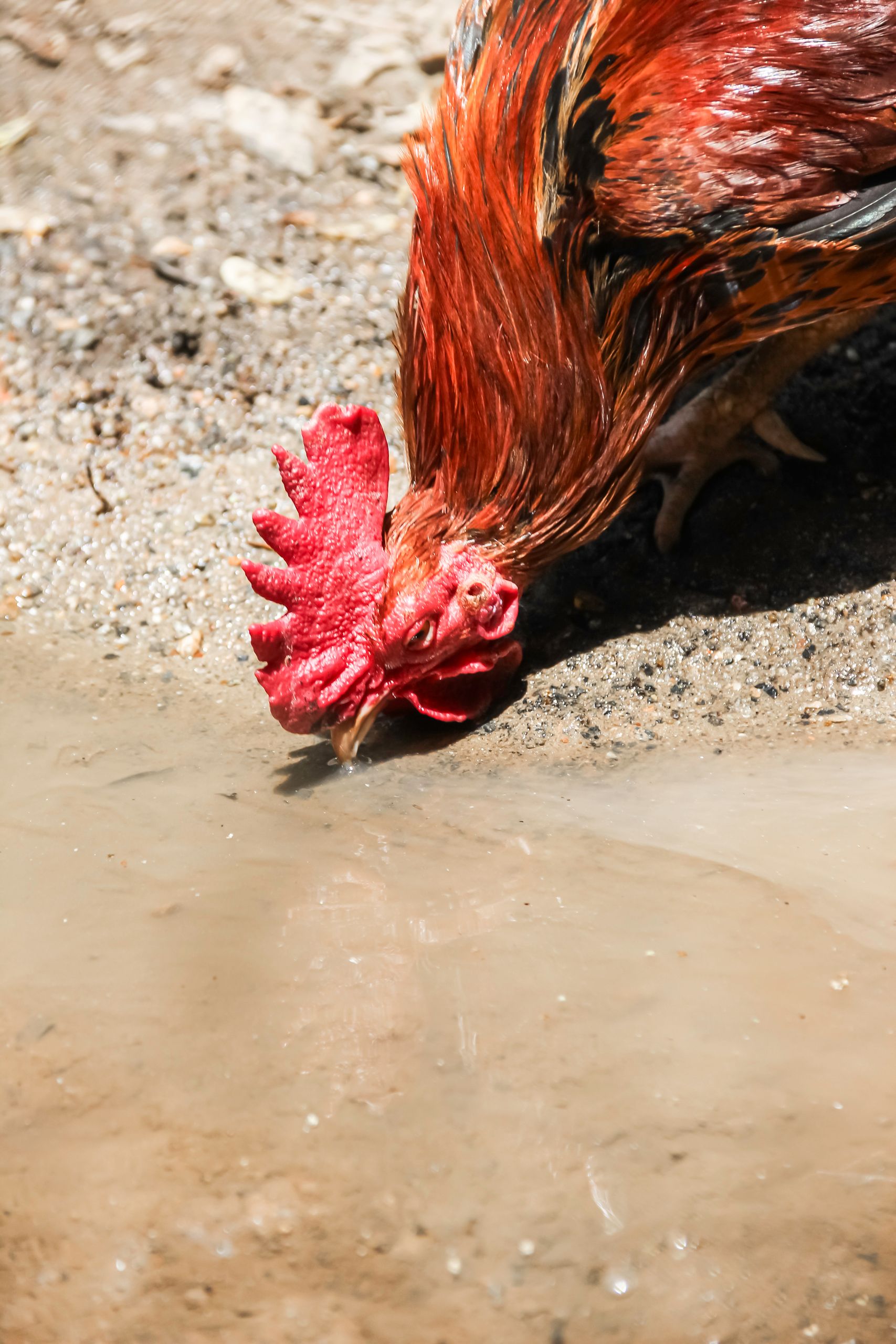
- Increasing water consumption
These natural cooling methods work well—until they don’t.
When temperatures remain high for extended periods, especially with high humidity, chickens may no longer be able to shed heat fast enough. Their body temperature begins to rise, placing stress on nearly every organ.
This is why humidity matters almost as much as temperature. A dry 95°F day is often easier for chickens to tolerate than an 88°F afternoon with heavy humidity because panting becomes much less effective.
Which Chickens Struggle Most in Hot Weather?
Every flock is different. Some birds handle summer surprisingly well, while others require a little extra attention.
Higher-risk birds include:
- Heavy dual-purpose breeds, such as Orpingtons and Brahmas
- Large meat breeds
- Birds with very dense feathering
- Older chickens
- Very young chicks
- Overweight birds
- Chickens already recovering from illness
Lighter Mediterranean breeds, such as Leghorns, generally tolerate heat better than heavier-bodied birds, but every chicken still needs protection during prolonged hot weather.
How to Tell if Your Chicken Is Too Hot
Signs of Normal Heat Management
These behaviors often worry first-time chicken keepers, but they’re usually normal ways chickens conserve energy and cool themselves.
You may notice your flock:
- Panting lightly
- Holding their wings slightly away from their bodies
- Spending more time resting or dust bathing beneath shrubs
- Remaining in shaded areas
- Drinking much more water than usual
- Eating less during the afternoon while making up for it in the cooler morning and evening hours
These behaviors alone don’t necessarily mean something is wrong.
Warning Signs of Heat Stress
Heat stress develops gradually before it becomes an emergency.
Watch carefully for:
- Heavy or continuous panting with an open beak
- Pale combs and wattles
- Wings hanging low for extended periods
- Weakness, stumbling, or poor coordination
- Reluctance to move
- Birds isolating themselves from the flock
If you notice several of these signs together, it’s time to begin cooling the bird immediately.
Signs of Heat Stroke (Medical Emergency)
Heat stroke is a true emergency and requires immediate action.
Watch for:
- Collapse or lying on the ground unable to stand
- Loss of consciousness or complete unresponsiveness
- Muscle tremors
- Severe difficulty breathing
Emergency First Aid: Move the bird into a cool, shaded, well-ventilated area immediately. Offer cool—not ice-cold—water if the bird is alert enough to drink. Gradually cool the bird by wetting its feet and legs with cool water or placing it on damp towels.
Do not plunge an overheated chicken into ice water. A sudden drop in body temperature can place additional stress on an already compromised bird.
Actionable Steps for a Cool, Safe Flock
1. Fresh Water Is Your First Priority
Water consumption can easily double during extreme heat.
Never assume the waterer you filled before work will still be full when you get home. During prolonged hot weather, check waterers as often as your schedule allows.
They can:
- Empty much faster than expected
- Warm to temperatures birds are reluctant to drink
- Develop algae more quickly
To encourage healthy water intake:
- Place waterers in permanent shade.
- Provide multiple watering stations so dominant birds can’t prevent others from drinking.
- Refill with fresh, cool water throughout the day whenever possible.
Pro Tip: During severe heat waves, add poultry electrolytes to one water source to help replace minerals lost through heavy panting. Always keep a second waterer filled with plain, fresh water so the birds can choose.
2. Shade Matters More Than Fancy Cooling Gadgets
If chickens can choose between standing in direct sunlight or deep shade, they’ll almost always choose the shade.
Good shade can come from:
- Trees
- Shrubs
- Shade cloth
- Roof overhangs
- Covered runs
The goal isn’t darkness. It’s reducing direct solar heat while allowing plenty of airflow.
If you choose to use overhead misters, only operate them in breezy, well-ventilated areas. Using misters inside stagnant spaces increases humidity and can actually make it harder for chickens to cool themselves.
3. Maximize Airflow and Adjust Bedding for Summer
Many beginners accidentally make their coop hotter by closing it up too tightly.
Summer coops need excellent ventilation to remove heat, moisture, and ammonia.
- Open windows whenever possible.
- Maximize cross-ventilation with hardware cloth-covered vents.
- Use fans only where they can safely improve air circulation without creating electrical hazards.
Watch Your Bedding: If you use the deep litter method during the colder months, summer may be a good time to reduce bedding depth. Thick bedding can trap heat and moisture inside the coop. A thinner layer of clean, dry bedding often dries faster and helps create a more comfortable environment during hot weather.
4. Adjust Your Feeding Routine
Digestion produces body heat.
Many flocks naturally eat less during the hottest part of the day and consume more feed during the cool morning and evening hours.
Offering the majority of their feed during these cooler periods matches their natural behavior and helps reduce additional heat stress.
Don’t be surprised if egg production slows during prolonged heat waves. Hens often redirect their energy toward maintaining a safe body temperature.
Cooling treats like frozen watermelon, berries, or peas can provide enrichment during hot weather, but they should remain occasional treats—not replacements for a balanced layer ration.
5. Keep the Coop Clean and Stress-Free
Hot weather accelerates odor, bacteria, moisture, and fly activity.
Cleaning the coop more frequently during summer helps:
- Reduce moisture
- Improve air quality
- Lower ammonia levels
- Discourage flies
A dry coop is generally a cooler coop.
At the same time, avoid creating unnecessary stress during the hottest hours of the day. Whenever possible, postpone catching birds, introducing new flock members, long periods of handling, or major coop projects until early morning or evening.
A Little Preparation Prevents Big Problems
Summer doesn’t have to be stressful for you or your chickens.
Most heat-related emergencies happen because several small problems occur at the same time: too little water, too much direct sun, poor airflow, and nowhere for birds to escape the heat.
Fortunately, every one of those problems can be prevented.
By prioritizing fresh water, dependable shade, good ventilation, and thoughtful daily routines, you’ll give your flock exactly what they need to stay healthy throughout the hottest months of the year.
Competent chicken keeping isn’t about buying every new product on the market. More often, it’s about paying attention to the basics every single day. Those simple habits rarely make headlines, but they’re the ones that keep a flock healthy season after season.
Where to Go Next
Keeping chickens comfortable during the summer is one part of keeping them healthy year-round. Knowing how to recognize the difference between normal behavior, heat stress, and illness will help you respond quickly when something doesn’t seem right.
Continue reading: 5 Warning Signs Your Chicken May Be Sick to learn how to recognize the early symptoms of common health problems before they become serious.
Join the Porch Sitters
A house becomes a home through the small things we choose to learn, make, repair, grow, and pass along. Those skills don’t disappear overnight, and they won’t return overnight either. They come back one season, once project, and one meal at a time.
That’s what the Porch Sitters are all about.
Each edition of The Front Porch brings practical homesteading skills, seasonal guidance, thoughtful encouragement, and new resources to help you build a more capable household. No clutter. No chasing every trend. Just timeless knowledge that still has a place in modern life.
If that sounds like the kind of home you’re building, we’d be glad to save you a seat.
Rediscover the skills that turn a house into a home.