Beginner’s Guide to Choosing Chicken Breeds
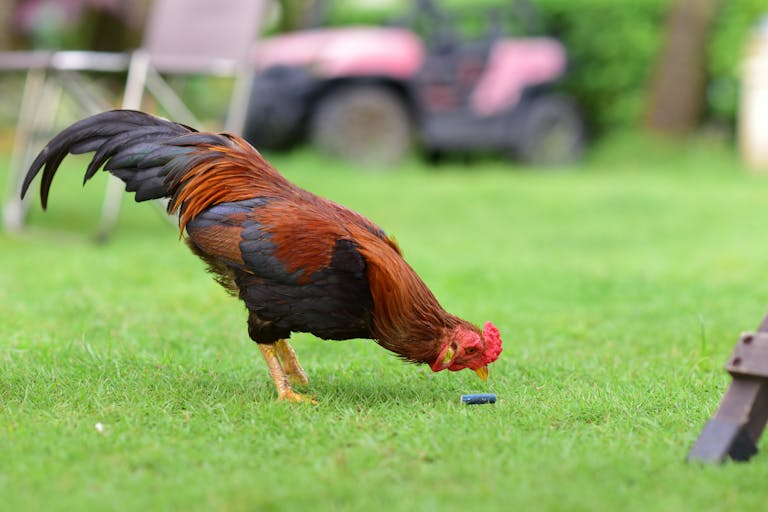
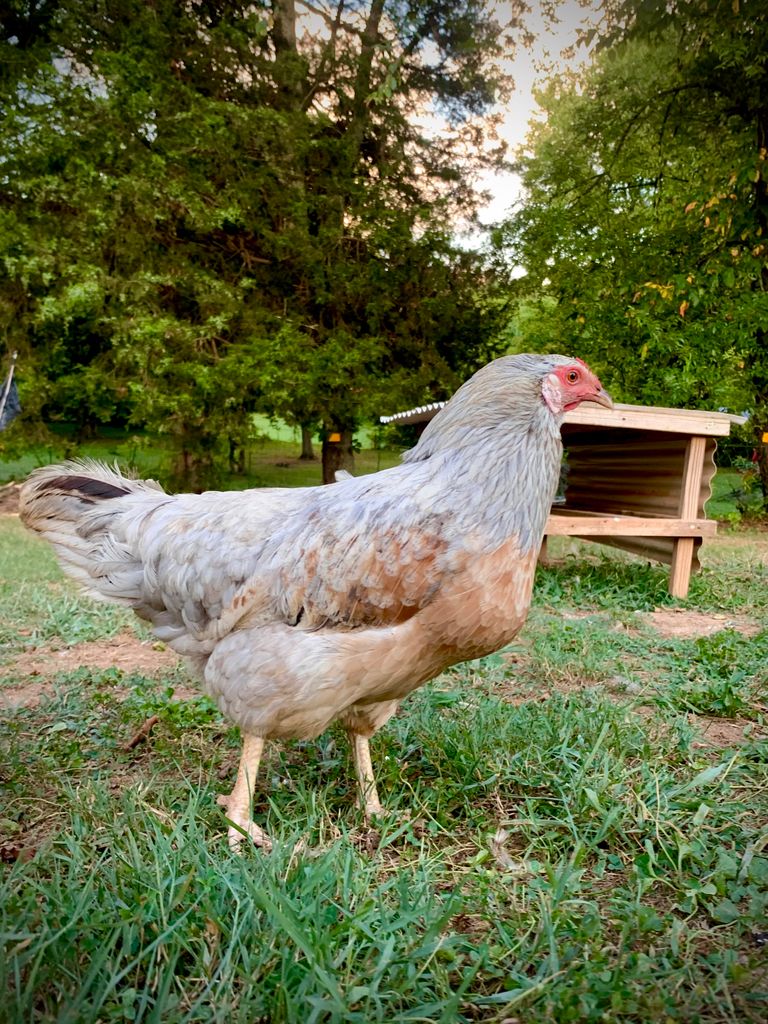
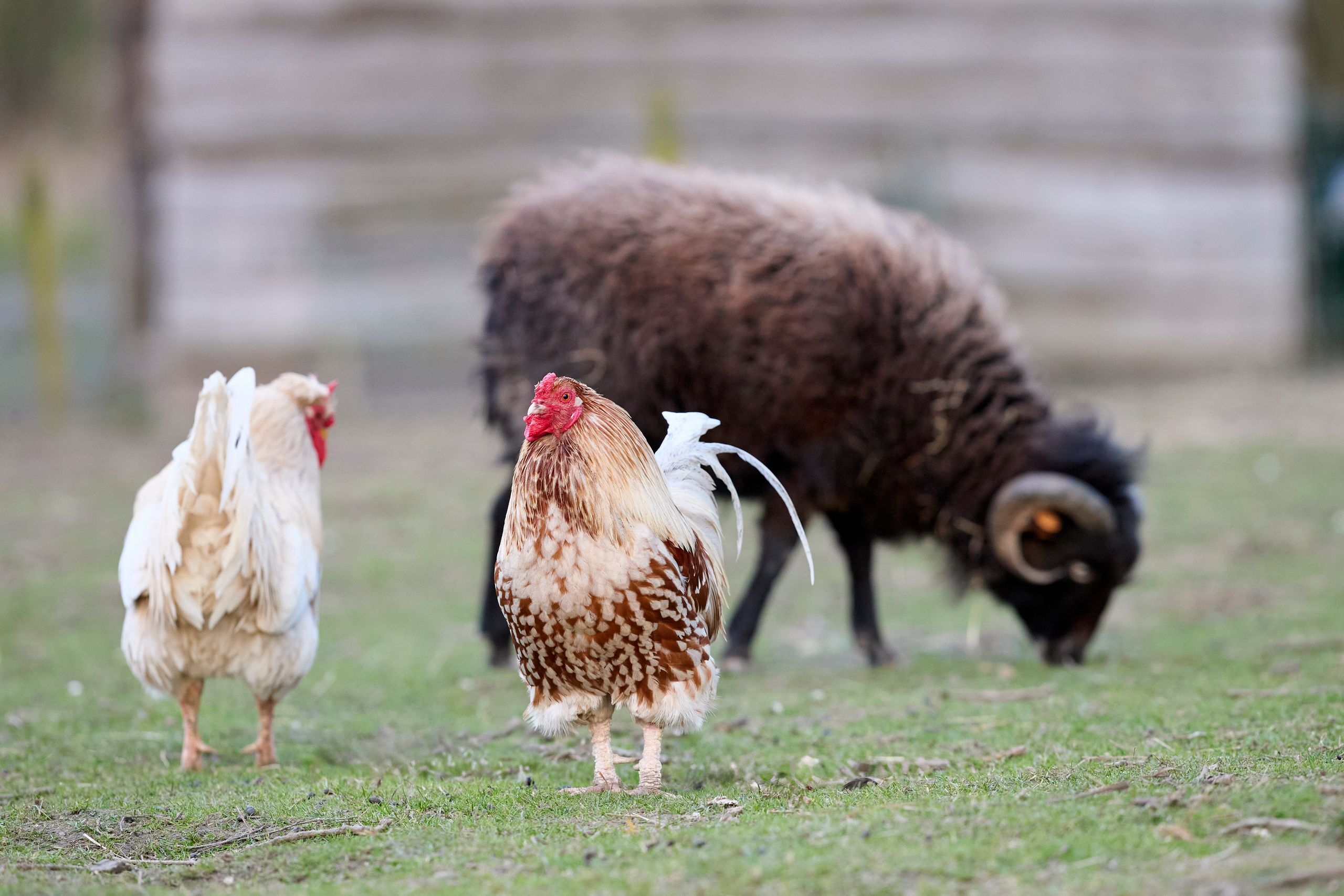
Choosing chicken breeds can feel overwhelming when you’re just getting started. One of the first surprises new chicken keepers discover is that there isn’t just one kind of chicken.
There are hundreds of recognized breeds, each developed for different purposes over generations. Some lay baskets full of eggs. Some are raised primarily for meat. Others are prized for their appearance, cold hardiness, or calm personalities.
That can make choosing your first flock feel more complicated than it needs to be.
The good news is that most beginners don’t need the “perfect” breed. They need birds that are healthy, dependable, and well-suited to their climate and goals.
A capable chicken keeper doesn’t choose chickens because they’re fashionable or because someone on social media said they’re the best. They choose breeds that fit the life they actually live.
Let’s look at what matters most before you bring your first chicks home.
Start With Your Goals
Before you start choosing chicken breeds, ask yourself one simple question:
Why do you want chickens?
Your answer will narrow the options considerably.
- Some people want a steady supply of fresh eggs.
- Others hope to raise birds for meat.
- Some simply enjoy having chickens in the backyard as pets that happen to lay breakfast.
Many chicken keepers eventually do all three, but your first flock doesn’t have to accomplish every goal at once. Knowing your primary purpose makes every other decision easier.
Egg Layers, Meat Birds, or Dual-Purpose Breeds
Most chickens fall into one of three general categories.
Egg-Laying Breeds
These breeds have been developed to produce large numbers of eggs while eating relatively modest amounts of feed.
Popular choices include:
- Rhode Island Red
- Leghorn
- Australorp
- Golden Comet
- ISA Brown
If your main goal is collecting fresh eggs several times a week, these breeds are difficult to beat.
Meat Breeds
Meat chickens grow quickly and convert feed efficiently into body weight. The Cornish Cross is by far the most common meat bird raised by backyard homesteaders. These birds are excellent for meat production but are not intended to become long-term laying hens.
Dual-Purpose Breeds
Many beginners find dual-purpose breeds offer the best balance. These chickens lay a respectable number of eggs while also growing large enough to be useful for meat if needed.
Popular dual-purpose breeds include:
- Plymouth Rock
- Orpington
- Sussex
- Wyandotte
- Rhode Island Red
If you’re unsure where your homestead journey will lead, dual-purpose breeds provide flexibility without asking you to specialize right away.
Consider Your Climate
Not every breed handles every climate equally well.
- Cold Climates: If you live where winters are long and cold, breeds with smaller combs (such as rose or pea combs) and heavier feathering generally tolerate freezing temperatures better because they’re less susceptible to frostbite.
- Hot Climates: If summers are hot and humid, lighter-bodied breeds with larger combs—which help release body heat—often stay more comfortable during hot weather.
No breed is completely immune to weather, but choosing birds that naturally fit your environment makes caring for them much easier. Good management matters more than breed alone, but it helps when nature is already working in your favor.
Temperament Matters More Than Most Beginners Expect
A flock that constantly fights or panics every time you enter the run can make chicken keeping far less enjoyable. Some breeds are naturally calm and friendly, while others are active, independent, or somewhat nervous.
If children will help care for your flock—or if you’d simply like chickens that don’t sprint to the opposite corner every time you walk outside—look for breeds known for gentle temperaments. Orpingtons, Australorps, Sussex, and Plymouth Rocks have earned their reputations for being excellent beginner birds for good reason.
A Quick Note on Production Breeds: Many production-oriented breeds, including Rhode Island Reds, are known for being a little more assertive than some traditionally gentle breeds. That doesn’t make them poor choices—in fact, they’re excellent birds for many homesteads. Just don’t be surprised if they end up a little higher in the pecking order than your Buff Orpingtons. As with any animal, individual personalities can vary.
Avoid Buying One of Everything
It’s easy to fall in love with every breed you see. Before long, your shopping list includes blue eggs, feathered feet, fancy crests, and every color of plumage imaginable.
For your first flock, try to resist that temptation.
Starting with one or two breeds makes it much easier to learn what “normal” looks like. Birds of the same breed generally mature at similar rates, lay similar-colored eggs, and have comparable temperaments. If one bird seems different, it’s easier to recognize whether you’re seeing normal breed characteristics or a potential health concern.
There will always be time to add new breeds later. Building experience first will make those future additions much easier to manage.
How Many Chickens Should You Start With?
Most experienced chicken keepers recommend starting with four to six hens. That provides enough birds for normal flock behavior while giving you a steady supply of eggs for a typical household.
Starting small also makes it easier to learn daily care, recognize health problems, and become comfortable handling your birds before expanding the flock. It’s much easier to add chickens later than it is to feel overwhelmed by too many birds in the beginning.
Before You Buy: Always check your local town or city zoning laws regarding backyard poultry. Many municipalities prohibit roosters or limit the number of chickens you can keep. To avoid unexpected wake-up calls—and potentially expensive fines—make sure you’re purchasing sexed pullets (female chicks) rather than a straight run, which contains an unsexed mix of males and females.
Heritage Breeds vs. Hybrid Breeds
You’ll likely encounter both heritage breeds and hybrid breeds during your research.
- Heritage breeds have been established over many generations. They typically grow more slowly, often live longer, and can reproduce naturally.
- Hybrid breeds (such as Golden Comets and ISA Browns) are intentionally developed by crossing different breeds to emphasize certain traits, such as exceptional egg production during their most productive laying years.
Neither choice is automatically better. If your priority is collecting as many eggs as possible right away, hybrids often excel. If you’re interested in preserving traditional livestock breeds or eventually breeding your own sustainable flock, heritage breeds are often the better fit.
Don’t Chase Egg Color
Blue eggs.
Green eggs.
Chocolate brown eggs.
Speckled eggs.
It’s easy to become fascinated by colorful egg baskets, and there’s certainly nothing wrong with enjoying a little variety.
But remember this: the shell color changes far more than the egg itself.
For most families, a healthy hen that lays consistently is far more valuable than one chosen solely because her eggs look pretty in a photograph.
Instagram doesn’t make breakfast taste any better.
Buy Healthy Birds From Reputable Sources
Whether you purchase chicks from a local farm, hatchery, or feed store, take a little time to learn about the source.
Healthy chicks should appear alert, active, and clean. Avoid birds that seem weak, lethargic, or show obvious signs of illness, such as pasting up (dried droppings blocking their vent).
Starting with healthy stock is one of the simplest ways to avoid problems later. A bargain isn’t much of a bargain if it comes with expensive veterinary bills—or heartbreak.
A Few Beginner-Friendly Breeds
If you’re still unsure where to start, these breeds have earned their popularity through decades of dependable performance.
| Breed | Why Beginners Like Them |
|---|---|
| Rhode Island Red | Hardy, dependable, and excellent egg layers. |
| Plymouth Rock | Calm, friendly, and easy to handle while producing a steady supply of eggs. |
| Australorp | Gentle, productive, and adapts well to both warm and cooler climates. |
| Buff Orpington | Exceptionally docile, making them one of the easiest breeds for first-time chicken keepers. |
| Sussex | Friendly, curious, and a dependable dual-purpose breed that fits many homesteads. |
| Wyandotte | Cold-hardy, attractive, and reliable for families living in colder regions. |
Any of these breeds can make an excellent first flock when given proper care.
Final Thoughts
Choosing your first chickens doesn’t require finding a perfect breed. It requires understanding what you want your flock to do and selecting birds that fit your climate, your space, and your household.
A good flock is built the same way a capable household is built—one thoughtful decision at a time.
There will always be another breed with prettier feathers, rarer coloring, or a new reputation online. Don’t let that distract you from the birds that have quietly proven themselves for generations.
The best chickens aren’t necessarily the most interesting ones. They’re the ones that reliably show up every morning, lay the eggs, stay healthy, and make you glad you started keeping chickens in the first place.
Where to Go Next
Choosing the right breed is only the first step toward building a healthy, productive flock. Once you’ve decided which chickens are the best fit for your household, these beginner-friendly guides will help you prepare for their arrival.
- Beginner Backyard Chicken Setup: Learn how to create a safe, comfortable coop and run before your chicks come home.
- 8 Baby Chick Mistakes Every Beginner Should Avoid: Discover the most common mistakes new chicken keepers make during those important first weeks—and how to avoid them.
- Backyard Chicken Care for Beginners: Get a complete overview of feeding, housing, daily care, and what to expect as your flock grows.
- 5 Warning Signs Your Chicken May Be Sick: Learn how to recognize health problems early so you can act before a minor issue becomes a serious one.
Building a successful flock doesn’t happen all at once. It happens one good decision at a time, and choosing the right breed is a great place to begin.
Join the Porch Sitters
A house becomes a home through the small things we choose to learn, make, repair, grow, and pass along. Those skills don’t disappear overnight, and they won’t return overnight either. They come back one season, once project, and one meal at a time.
That’s what the Porch Sitters are all about.
Each edition of The Front Porch brings practical homesteading skills, seasonal guidance, thoughtful encouragement, and new resources to help you build a more capable household. No clutter. No chasing every trend. Just timeless knowledge that still has a place in modern life.
If that sounds like the kind of home you’re building, we’d be glad to save you a seat.
Rediscover the skills that turn a house into a home.