Backyard Chicken Care for Beginners
For generations, chickens were not kept for entertainment; they were kept because families depended on them. They provided fresh eggs, meat, fertilizer, pest control, and even income through the sale or trade of surplus eggs. A small flock in the backyard could help stretch a household budget and provide a reliable source of food during difficult times. Long before modern grocery stores made food available year-round, chickens helped families put meals on the table and weather periods of uncertainty.
Today, many people discover backyard chickens through social media, homesteading blogs, or simply the desire for farm-fresh eggs.
While there is certainly enjoyment in raising a flock, the value of chickens extends far beyond collecting eggs each morning. Chickens represent a practical, hands-on step toward greater self-reliance. They embody the “waste not, want not” philosophy by turning kitchen scraps, garden waste, and backyard pests into protein-rich eggs, contributing valuable manure for gardens, and helping preserve traditional skills that previous generations considered essential knowledge.
One of the reasons chickens have remained a cornerstone of homesteads for centuries is their accessibility. Unlike larger livestock, chickens require relatively little space and can be successfully raised in suburban, rural, and many small-acreage settings. A well-designed coop, proper nutrition, clean water, and routine care are often all that is needed to maintain a healthy flock. This makes chickens an excellent, budget-friendly starting point for those interested in producing some of their own food and building a more sustainable household.
Raising chickens also teaches important lessons about responsibility and stewardship. Healthy birds depend on consistent care, protection from predators, and attention to their environment. New chicken keepers quickly learn that success comes from understanding their flock’s needs rather than simply providing food and shelter. Observing chicken behavior, recognizing signs of illness, and maintaining a clean living space all become part of the daily routine. These skills build confidence, encourage self-sufficiency, and create a deeper appreciation for where food comes from.
Another benefit of keeping chickens is the role they can play in a larger, interconnected homestead system. Chicken manure can improve garden soil when properly composted. Birds can help reduce insect populations and consume certain weeds and unwanted vegetation. Many homesteaders find that chickens become a key part of a zero-waste cycle: garden waste feeds the flock, the flock contributes fertilizer to the garden, and the garden produces food for both people and animals. This efficient use of resources reflects the same principles that helped earlier generations make the most of what they had.
Whether your goal is to collect fresh eggs, reduce grocery costs, become more self-sufficient, or simply learn a valuable traditional skill, understanding the fundamentals of chicken care is the first step.
Success begins with choosing the right breeds, providing appropriate housing, meeting nutritional needs, and learning how to keep a flock healthy throughout the year. While every flock is different, the principles of good chicken care remain largely unchanged from those practiced by generations of farmers and homesteaders before us.
What You’ll Learn in This Category
You’ll find the foundational guides you need to get started without wasting time, money, or resources. These beginner-friendly articles cover everything from predator-proof coop design and smart feeding strategies to seasonal care and everyday flock management. They are designed to help you avoid common mistakes, make informed decisions, and build a strong foundation for long-term success.
By learning these time-tested skills, you are doing more than raising chickens. You are preserving knowledge that sustained families through hard times, building greater self-reliance for your own household, and rediscovering the skills that turn a house into a home.
Join the Waste Not Want Not Community
Want practical homesteading tips, beginner-friendly guides, and old-fashioned skills that still matter today? Join the Waste Not Want Not Community and get new articles, helpful resources, and homestead inspiration delivered straight to your inbox.
Frequently Asked Questions About Backyard Chickens
Do You Need a Rooster to Get Eggs?
No. Hens lay eggs regardless of a rooster’s presence. A rooster is only necessary if you want fertile eggs for hatching. Many backyard flocks consist entirely of hens, which is often preferred in residential areas to minimize noise.
How Many Backyard Chickens Should I Get?
Three to six hens is a manageable starting point for most beginners. This flock size provides a reliable supply of fresh eggs while allowing you to learn the fundamentals of chicken care without becoming overwhelmed.
How Much Space Do Backyard Chickens Need?
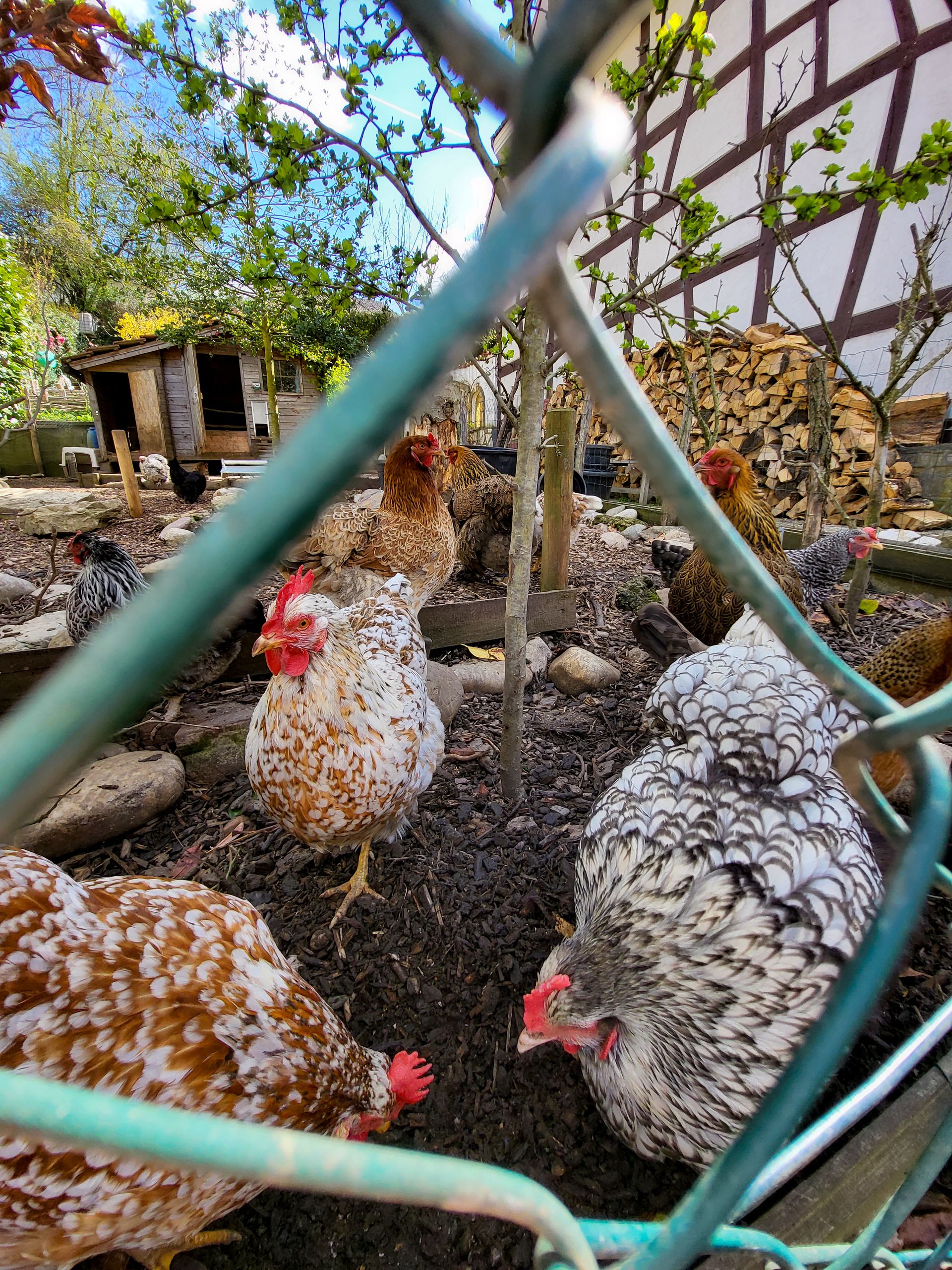
Aim for at least four square feet of indoor coop space and ten square feet of outdoor run space per bird. More room is always better. Overcrowding can lead to stress, pecking problems, health issues, and reduced egg production.
How Often Should Chickens Be Fed?
Chickens require consistent access to quality feed. Beyond their primary ration, they can benefit from supervised foraging and appropriate kitchen scraps. Chickens can play an important role in a resourceful household by converting many suitable kitchen scraps and garden leftovers into eggs, fertilizer, and compost materials. Just ensure you know which foods are toxic to flocks, such as raw beans, avocado skins, and green potato peels.
Do Backyard Chickens Need Water All Day?
Yes. Constant access to clean, fresh water is essential for egg production and overall health. During hot weather, water should be checked multiple times throughout the day to ensure it remains cool, clean, and available.
Are Backyard Chickens Worth It?
For many households, yes. Backyard chickens provide far more than just eggs. They can contribute pest control, fertilizer production, and greater food self-sufficiency while helping families reconnect with where their food comes from. Whether they are worth it ultimately depends on your goals, available time, and willingness to provide consistent care.
Are Backyard Chickens a Lot of Work?
Chickens require daily attention, but the tasks are generally simple. Most days involve checking food and water, collecting eggs, and observing the flock for changes in behavior or health. Once a routine and proper housing system are established, daily maintenance is usually minimal.
Do Backyard Chickens Smell?
A properly maintained coop should produce very little odor. Most unpleasant smells result from excess moisture, poor ventilation, or inadequate cleaning. Good airflow and either regular cleaning or a properly managed deep litter bedding system can help keep odors under control. The used bedding can later become a valuable ingredient in a compost pile.
Do Backyard Chickens Attract Rats?
The chickens themselves do not attract rats, but spilled feed can. Feed should be stored in secure, rodent-resistant containers, and excess grain should be cleaned up promptly to discourage unwanted pests.
Are Backyard Chickens Loud?
Hens are generally quieter than many people expect. Most of their communication consists of soft clucking throughout the day, although they may become more vocal after laying an egg. Roosters are significantly louder and are often restricted by local ordinances.
How Long Do Fresh Eggs Last?
Fresh eggs can remain usable for several weeks when properly handled and stored. Storage practices vary around the world, but refrigeration generally provides the longest shelf life and helps maintain quality for four to five weeks or longer.
How Many Eggs Does a Chicken Lay Per Day?
Most healthy hens lay approximately one egg per day during their peak production years. Egg production varies depending on breed, age, nutrition, health, and the amount of daylight available throughout the year.
How Many Hens Do I Need for a Family?
A family of four can often meet most of its egg needs with four to six productive hens. This allows for consistent egg production while accounting for seasonal slowdowns and natural variations among individual birds.
How Long Can Backyard Chickens Be Left Alone?
Healthy adult chickens can be left unattended for short periods if they have access to adequate food, water, and secure housing. However, daily observation remains the best practice for identifying health concerns or predator issues before they become serious problems. Longer absences typically require a trusted caretaker.
When Do Chickens Start Laying Eggs?
Most hens begin laying eggs between sixteen and twenty-four weeks of age. The exact timing depends on breed, nutrition, health, and environmental conditions.
When Do Chickens Stop Laying Eggs?
Egg production naturally declines as hens age, although many birds continue laying at reduced levels for several years. Even after production decreases, hens can still contribute to the homestead through pest control, manure production, and companionship within the flock.
What Are the Best Chicken Breeds for Beginners?
Some chicken breeds are easier for beginners than others. Breeds known for their calm temperament, hardiness, and reliable egg production are often the best choices for new chicken keepers. Popular options include Rhode Island Reds, Buff Orpingtons, Plymouth Rocks, Australorps, and Easter Eggers. The best breed for your flock will depend on your climate, goals, and personal preferences.
Can Backyard Chickens Be Free-Ranged?
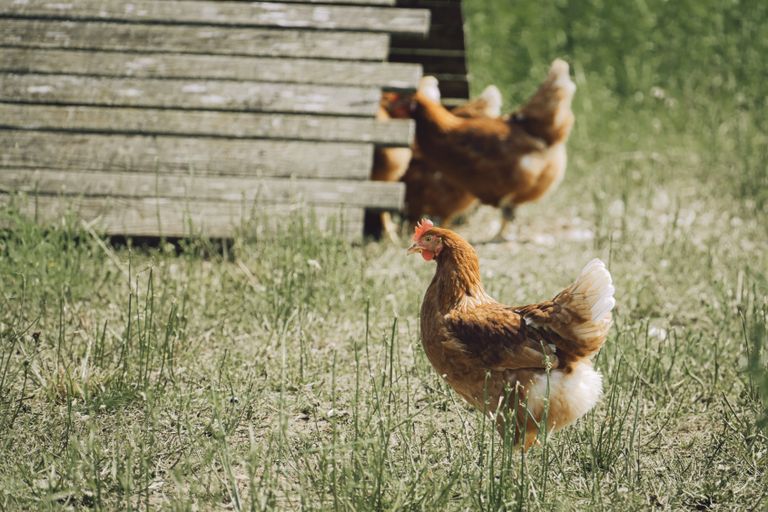
Yes. Free-ranging allows chickens to supplement their diet with insects, seeds, and vegetation while expressing more natural behaviors. It also allows them to participate more fully in the natural cycles of the homestead by helping manage insects and recycle available resources. However, free-ranging can increase exposure to predators, so proper supervision and protection are important.
Are Backyard Chickens Safe?
Yes. When managed properly, backyard chickens are generally safe to keep. Like all animals, they can carry bacteria and diseases, which is why good hygiene practices such as hand washing, proper coop maintenance, and safe egg handling are important. Most risks can be greatly reduced through routine care and common-sense precautions.