What Do Backyard Chickens Eat? A Beginner’s Feeding Guide
If you’re wondering what backyard chickens eat, you’re not alone. It’s one of the first questions nearly every new chicken keeper asks.
The answer is both easier—and a little more complicated—than most people expect.
Spend enough time online, and you’ll quickly discover there’s no shortage of opinions. One person insists chickens can thrive on little more than kitchen scraps. Another argues that only premium specialty feeds are responsible. Before long, someone else is promising that a homemade recipe is the secret to healthier birds and overflowing egg baskets.
The truth is much less dramatic.
Chickens are remarkably adaptable animals, but they still have nutritional needs that shouldn’t be left to guesswork. A well-fed flock grows better, lays more consistently, stays healthier, and generally lives longer. Fortunately, meeting those needs doesn’t require complicated formulas or an overflowing feed room.
It mostly requires understanding the difference between their primary diet and the extras they enjoy.
A capable household doesn’t waste feed, but it also doesn’t mistake leftovers for proper nutrition. Stewardship means using resources wisely while still giving animals exactly what they need to thrive.
The Foundation: Complete Chicken Feed
For beginners, the simplest and most reliable choice is a quality commercial chicken feed that’s formulated for your birds’ stage of life.
Think of it the same way you’d think about your own meals. A balanced dinner provides the nutrients your body needs. A handful of potato chips may be enjoyable, but nobody would call it a complete diet.
Chickens are much the same. They may happily peck at almost anything you toss into the run, but that doesn’t mean every food provides what their bodies require.
A complete feed is carefully balanced to provide the proper amounts of:
- Protein
- Carbohydrates
- Healthy fats
- Vitamins
- Minerals
- Essential amino acids
Trying to recreate that balance at home is far more difficult than many people realize. While experienced poultry keepers sometimes mix their own rations, it requires a solid understanding of poultry nutrition and carefully measured ingredients.
For most backyard flocks, a quality commercial feed remains the safest, simplest, and healthiest foundation for their diet.
Choosing a Feed Texture
Once you’ve decided to feed a complete ration, the next decision is choosing the feed itself. Walk into any farm supply store and you’ll notice that chicken feed isn’t only sold by age or purpose. You’ll also see it offered in several different textures.
Understanding the difference makes choosing a feed much less confusing.
Mash
Mash is an un-pelleted feed made from finely ground grains and ingredients. It has a texture similar to coarse cornmeal.
Because it’s loose and lightweight, chickens can easily scatter it while eating. That often means more wasted feed, especially in open feeders.
Crumbles
Crumbles are simply pellets that have been broken into small, bite-sized pieces.
They’re easy for young birds to eat, create less waste than mash, and are commonly used for chicks and growing pullets.
Pellets
Pellets are compressed cylinders made from the same balanced ingredients found in mash and crumbles.
Many backyard chicken keepers prefer pellets for adult laying hens because birds can’t scratch them around as easily. Less feed ends up mixed into the bedding, which means less waste and better value over time.
Whatever texture you choose, use a feeder that helps keep birds from scratching feed onto the ground. Feed that ends up in the dirt quickly becomes contaminated, attracts rodents, and wastes money. A simple adjustment to your feeder can save a surprising amount over the course of a year.
Choose Feed Based on Age
Choosing the right texture is only part of the decision. Chickens also need different nutrition as they grow, so selecting the proper feed for their stage of life is just as important.
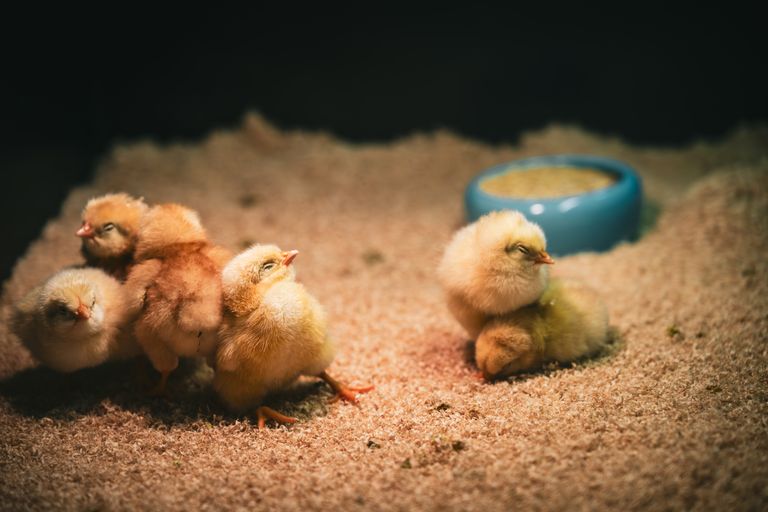
Chick Starter Feed (0–6 Weeks)
Baby chicks grow at an incredible rate, which means they need extra protein to support developing muscles, feathers, and bones.
Starter feed typically contains 18–20% protein and is usually sold in crumbles that are easy for tiny beaks to pick up and eat.
During these first few weeks, starter feed and fresh water should make up nearly their entire diet. Resist the temptation to offer treats too early. Young chicks benefit most from a complete, balanced ration.
Grower Feed (6–18 Weeks)
As chicks mature into pullets, their nutritional needs begin to change.
Grower feed generally contains 16–18% protein, providing the nutrition needed for steady growth without encouraging birds to mature faster than their bodies are ready for.
Whenever possible, transition gradually from one feed to the next. Mixing increasing amounts of the new feed with the old over several days helps birds adjust more comfortably and reduces unnecessary waste if they’re hesitant about the change.
Layer Feed (18 Weeks and Older)
Once your hens begin laying eggs—or are close to laying—it’s time to switch to a layer feed.
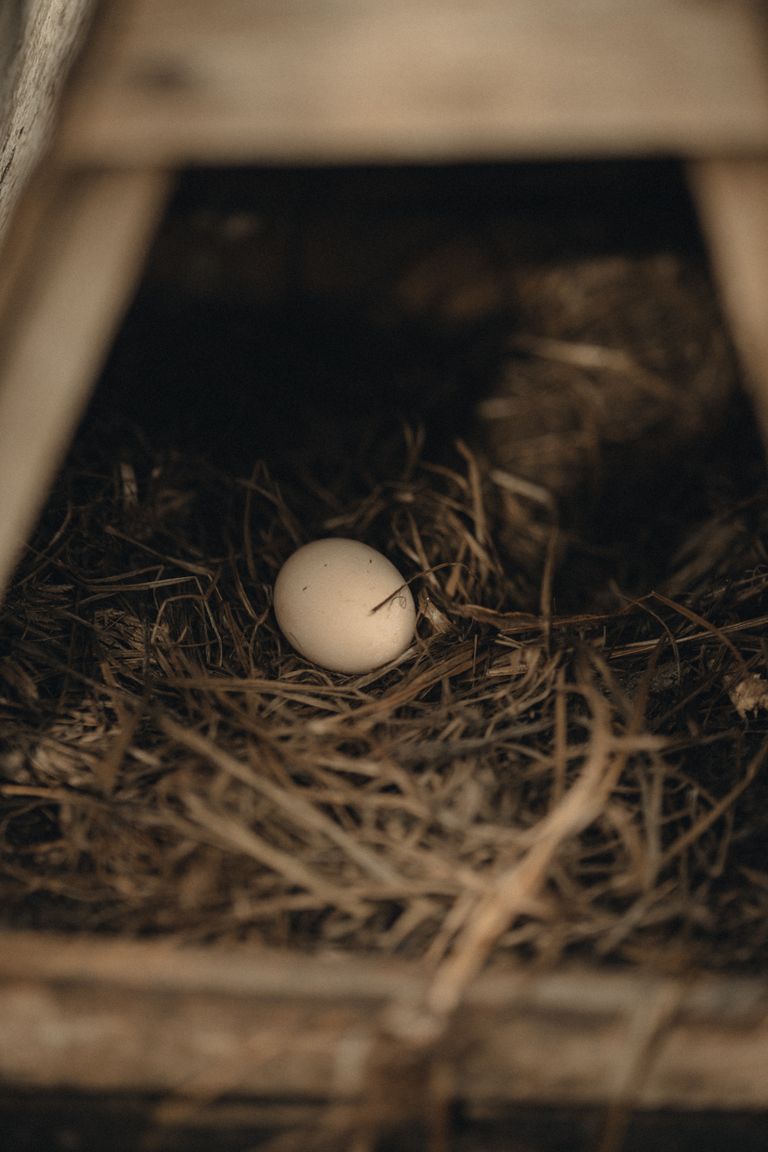
Layer feed contains additional calcium to help hens produce strong eggshells while replacing the calcium lost each time an egg is laid.
Note: Switching to layer feed too early isn’t beneficial and may place unnecessary strain on the kidneys of growing birds. Young birds simply don’t require that extra calcium yet.
Grit and Oyster Shell: What’s the Difference?
Once you’ve chosen the right feed for your flock, there are two more items you’ll see at the farm store that often confuse beginners: grit and oyster shell.
Although they’re commonly sold side by side, they serve completely different purposes. One helps chickens digest their food, while the other helps laying hens produce strong eggshells.
Understanding the difference will help you know whether your flock needs one, both, or neither.
Do Chickens Need Grit?
Unlike people, chickens don’t have teeth. Instead, they rely on a powerful muscle called the gizzard to grind food into smaller pieces before digestion. Insoluble grit—small stones that remain in the gizzard—acts much like tiny millstones, helping break down tougher foods.
If your chickens eat only commercial pellets or crumbles, they generally don’t require supplemental grit because those feeds are formulated to break down easily during digestion.
However, once chickens begin eating grass, weeds, insects, kitchen scraps, scratch grains, or other whole foods, they should have access to grit.
Free-ranging birds usually find enough small stones naturally while scratching through the soil. Chickens kept primarily in enclosed runs or confined areas may not have that opportunity, so offering commercial insoluble poultry grit in a separate container is a good practice.
Without adequate grit, digestion becomes less efficient and the risk of digestive problems increases, particularly when birds consume fibrous foods.
Don’t Forget Oyster Shell
Unlike grit, oyster shell isn’t used for digestion.
Oyster shell gradually dissolves in the digestive tract, providing laying hens with a readily available source of calcium for building strong eggshells.
Rather than mixing it directly into the feed, most backyard chicken keepers simply offer oyster shell in a separate container and allow laying hens to eat it as needed.
Keeping it separate allows each bird to regulate its own calcium intake. Roosters and growing birds generally consume very little because they don’t have the same calcium requirements as laying hens.
Providing grit and oyster shell separately gives every bird access to exactly what it needs without forcing unnecessary supplements on the rest of the flock.
Kitchen Scraps Are a Supplement—Not the Main Course
One of the pleasures of keeping backyard chickens is watching them sprint across the yard when they think you have something good to eat. They’re enthusiastic little opportunists and will gladly investigate almost anything that lands in front of them.
That enthusiasm can be misleading.
Kitchen scraps should be viewed as a supplement to a balanced diet—not a replacement for one. A good rule of thumb is that treats, kitchen scraps, and scratch grains should make up no more than about 10% of a chicken’s daily food intake.
Think of scraps as dessert, not dinner.
Overfeeding treats fills chickens up without providing the protein, vitamins, and minerals they need to stay healthy and produce eggs consistently.
Some excellent treats include:
- Leafy greens, lettuce, and cabbage
- Carrot peels
- Cucumbers
- Squash and zucchini
- Pumpkin
- Watermelon
- Apples (without the seeds)
- Plain cooked vegetables
- Plain cooked rice
- Plain cooked oatmeal
Many of these are things that might otherwise end up in the compost pile. Using suitable vegetable trimmings is a practical way to reduce household waste while still providing your flock with a little variety.
That’s stewardship at work—not because you’re trying to squeeze every possible use from a carrot peel, but because throwing away something that still has value simply doesn’t make much sense.
What About Scratch Grains?
Scratch grains are probably one of the most misunderstood feeds sold at the farm store.
Despite the name, scratch isn’t a complete chicken feed. It’s simply a mixture of grains—often cracked corn, wheat, oats, and milo—that encourages chickens to scratch and forage as they search for each piece.
Think of scratch grain the same way you think about popcorn.
It’s enjoyable, provides energy, and chickens absolutely love it, but it isn’t nutritionally balanced enough to serve as their primary diet.
Many chicken keepers toss a small handful into the run in the evening as a treat or use it to encourage natural scratching behavior during the day.
Used in moderation, scratch grains can provide enrichment and keep birds active. Used as a substitute for complete feed, they can dilute the protein and nutrients laying hens need to stay healthy and productive.
Like kitchen scraps, scratch grains belong in that same 10% treat allowance.
Should Chickens Free Range?
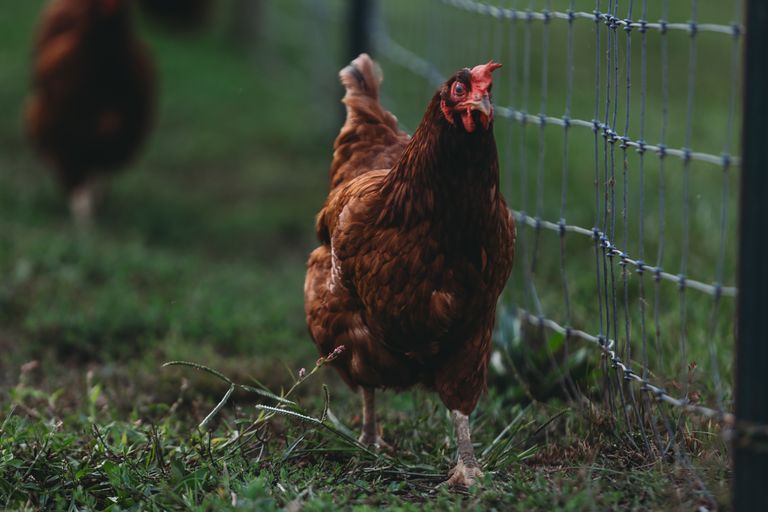
Whenever it’s practical and safe, allowing chickens to forage is one of the best ways to encourage their natural behaviors.
A free-ranging chicken spends its day scratching through leaves, turning over mulch, chasing insects, pecking at tender plants, and exploring its surroundings. That activity provides both exercise and mental stimulation while supplementing its diet with:
- Insects and larvae
- Fresh grass
- Weed seeds
- Small plants
Foraging can also help reduce your feed bill, but it shouldn’t replace a balanced commercial ration.
The availability of insects and plants changes with the seasons, and even the most productive backyard won’t consistently provide every nutrient a laying hen needs. Complete feed should remain the foundation of your flock’s diet, with foraging serving as a valuable supplement.
Foods Chickens Should Never Eat
Chickens have earned a reputation for eating almost anything, but that doesn’t mean everything is safe.
Some foods can cause serious illness, while others are simply best avoided.
Never feed your chickens:
- Chocolate or anything containing caffeine. Both contain compounds that are toxic to birds.
- Avocado pits and skins. These contain persin, a natural toxin that can be dangerous to poultry.
- Raw dried beans. They contain phytohemagglutinin, a toxin that is harmful to chickens. Thoroughly cooked beans are safe.
- Moldy or spoiled food. Mold can produce dangerous mycotoxins that affect the nervous system and digestive tract.
- Excessively salty or sugary foods. Chickens’ bodies aren’t designed to handle large amounts of either.
- Green potato peels and potato sprouts. These contain higher levels of solanine, a natural toxin found in potatoes exposed to light.
- Tomato leaves and vines. Like potatoes, they belong to the nightshade family and contain compounds that shouldn’t be fed to poultry.
- Apple seeds in large quantities. They contain small amounts of cyanide compounds and are best removed before offering apples as a treat.
When you’re unsure about a particular food, it’s perfectly reasonable to leave it out.
Replacing a questionable snack costs very little. Treating a sick chicken often costs much more—in both money and worry.
Always Provide Fresh Water
Food may get most of the attention, but water is every bit as important.
A chicken can go much longer without food than without water, and even a short interruption in clean drinking water can reduce egg production, increase stress, and affect overall health.
Make water management part of your daily routine.
- Check waterers every day. During hot weather, you may need to refill them more than once. In freezing temperatures, you’ll need to prevent the water from icing over.
- Clean waterers regularly. Mud, algae, feed, and droppings all have an unfortunate habit of finding their way into the water. A quick rinse every day and a more thorough cleaning on a regular basis helps keep your flock healthy.
Fresh, clean water is one of the simplest things you can provide—and one of the easiest ways to prevent unnecessary health problems.
Store Feed Properly
Buying quality feed is only half the job. Storing it properly is just as important.
Feed that’s exposed to moisture can quickly develop mold, while open bags attract rodents, insects, and other pests. Once feed becomes damp or contaminated, it’s no longer worth risking your flock’s health.
A few simple habits go a long way:
- Store feed in airtight metal or heavy-duty plastic containers with secure lids.
- Keep containers in a cool, dry location whenever possible.
- Avoid leaving bags open between feedings.
- Buy only as much feed as you’ll use within a reasonable amount of time so it stays fresh.
Protecting your feed protects the investment you’ve already made in your flock.
How Much Feed Does a Chicken Eat?
An average laying hen typically eats about ¼ pound of feed each day, though the exact amount varies depending on the breed, body size, activity level, weather, and whether the birds spend much of the day foraging.
Most backyard chicken keepers simply keep feeders available throughout the day and allow chickens to eat when they’re hungry. Healthy chickens are generally very good at regulating how much complete feed they consume.
You may notice your flock eating a little more during cold weather as they burn extra energy to stay warm, while free-ranging birds often consume slightly less commercial feed during the growing season.
Rather than focusing on exact measurements, pay attention to your birds.
Healthy chickens maintain a good body condition, remain active, and continue laying according to their breed, age, and season. If feed consumption suddenly changes without an obvious reason, it’s worth taking a closer look.
Common Feeding Mistakes Beginners Make
Most feeding problems aren’t caused by doing too little.
They’re caused by trying to do too much—or by overlooking the simple habits that make the biggest difference.
Some of the most common feeding mistakes include:
- Offering too many treats. A handful here and there adds up quickly, reducing the nutrients chickens receive from their complete feed.
- Changing feeds too abruptly. Gradually mixing old and new feed over several days helps birds adjust more comfortably.
- Forgetting fresh water. Even a short interruption can affect egg production and overall health.
- Feeding birds the wrong ration for their age. Chicks, growing pullets, and laying hens all have different nutritional needs.
- Storing feed improperly. Moisture, rodents, and mold can turn good feed into a health hazard.
- Believing every piece of advice online. Chickens have been kept successfully for generations. Simple, well-established practices are usually more reliable than the latest viral feeding trend.
Success with backyard chickens rarely comes from finding one secret trick. It comes from consistently doing the ordinary things well.
Final Thoughts
Feeding backyard chickens doesn’t have to be complicated.
Choose a quality complete feed that’s appropriate for your birds’ age. Keep clean, fresh water available at all times. Offer treats in moderation, provide grit and oyster shell when needed, and store feed properly so it stays safe and nutritious.
None of those habits are particularly exciting, but most worthwhile skills aren’t.
A capable chicken keeper isn’t someone who knows every answer. It’s someone who learns the basics, pays attention to the flock, and practices those basics consistently.
Healthy chickens are rarely the result of one perfect decision. They’re the result of hundreds of small, sensible ones made day after day.
As with so many parts of homesteading, stewardship isn’t built on doing extraordinary things once. It’s built on doing ordinary things well, over and over again.
Where to Go Next
Learning to feed your chickens well is one of the first building blocks of keeping a healthy flock, but it’s only the beginning. As your confidence grows, the next step is learning how to recognize health problems early, avoid common mistakes, and create an environment where your birds can thrive.
Here are three articles to help you continue building those skills:
- 5 Warning Signs Your Chicken May Be Sick – Learn to recognize the early signs of illness before a small problem becomes a serious one.
- 8 Baby Chick Mistakes Every Beginner Should Avoid – Raising chicks? Learn the most common mistakes new chicken keepers make and how to avoid them.
- Beginner’s Guide to Setting Up Your Backyard Chicken Coop – Discover how a well-designed coop supports a healthier, happier flock from day one.
Join the Porch Sitters
A house becomes a home through the small things we choose to learn, make, repair, grow, and pass along. Those skills don’t disappear overnight, and they won’t return overnight either. They come back one season, one project, and one meal at a time.
That’s what the Porch Sitters are all about.
Each edition of The Front Porch brings practical homesteading skills, seasonal guidance, thoughtful encouragement, and new resources to help you build a more capable household. No clutter. No chasing every trend. Just timeless knowledge that still has a place in modern life.
If that sounds like the kind of home you’re building, we’d be glad to save you a seat.
Rediscover the skills that turn a house into a home.