What to Plant in August: Your Guide to a Successful Fall Harvest
If you’re wondering what to plant in August, you’re not alone. By August, the garden can look like it’s winding down—tired vines, bolted greens, and empty patches where spring crops once stood. But in many parts of the country, August is actually when the fall garden begins.
It’s one of the few times of year when two seasons overlap. Tomatoes may still be ripening on one side of the garden while rows of tiny carrots or kale seedlings are just beginning to emerge on the other. Instead of signaling the end of the growing season, August often marks the beginning of a new one.
At a glance:
- Find your average first frost date—it matters more than your hardiness zone.
- Count backward from that date using the formula below to find your last planting deadline.
- Transplant long-season crops like broccoli and cabbage now; wait until late August for the most heat-sensitive greens if your weather is still extremely hot.
- Refresh the soil with compost before replanting, and keep newly planted seeds consistently moist while summer heat lingers.
Why Plant a Fall Garden in August?
Cool-season vegetables prefer cool weather, but that doesn’t mean you should wait for cool weather to plant them. Broccoli, cabbage, carrots, kale, and beets all need several weeks of growth before they’re ready to harvest—they can’t be planted after the first cold night and expected to mature overnight.
Planting in August lets seeds and transplants establish in warm soil, so they’re already growing by the time daytime temperatures become comfortable for cool-season crops. In much of North Carolina, August is the main planting window for crops needing 60 to 80 days to mature, while shorter-season vegetables like leafy greens and turnips can often be planted later. Coastal gardeners usually enjoy a longer fall planting window than those farther inland.
A fall garden has its own advantages, too. Cooler weather reduces heat stress and slows some pests, autumn rain can ease the watering burden, and many greens and root vegetables develop even better flavor as temperatures begin to cool.
Start With Your First Frost Date
USDA hardiness zones are useful for choosing perennial plants, but they don’t provide a complete vegetable-planting calendar.
Two gardens in the same hardiness zone can have very different frost dates, rainfall patterns, and planting windows. Your average first fall frost date is a much better guide for planning a fall vegetable garden. You can find it through your local Cooperative Extension office, a state planting calendar, or a reputable regional weather resource.
Remember that it’s an average—not a guarantee.
How to Calculate Your Last Planting Date
Once you know your frost date, check the seed packet for the crop’s days to maturity, then count backward:
Average first frost date − Days to maturity − 10 to 14 additional days = Approximate last planting date
The extra 10 to 14 days provide a buffer because vegetables naturally slow their growth as daylight becomes shorter.
For example, if your average first frost is November 10 and your carrots require 65 days to mature, counting backward plus the extra buffer places your planting date in late August.
Use this as a planning guide rather than an exact deadline. Weather, soil temperature, rainfall, and variety all influence how quickly crops mature.
Not Every Crop Needs to Beat the Frost
Tender vegetables like beans must mature before freezing weather arrives.
Many cool-season vegetables—including kale, collards, spinach, carrots, and turnips—can tolerate light frost. Some, particularly carrots and several leafy greens, may even develop a sweeter flavor after cool weather, as cold temperatures convert stored starches into sugars.
A note on cold tolerance: A hard freeze (generally around 28°F or below for several hours) can still damage even hardy vegetables. Simple protection like row covers, frost cloth, or low tunnels can often extend the harvest.
You also don’t have to wait for vegetables to reach full size. Baby greens, young turnips, small radishes, and green onions are all excellent harvests.
Prepare the Bed
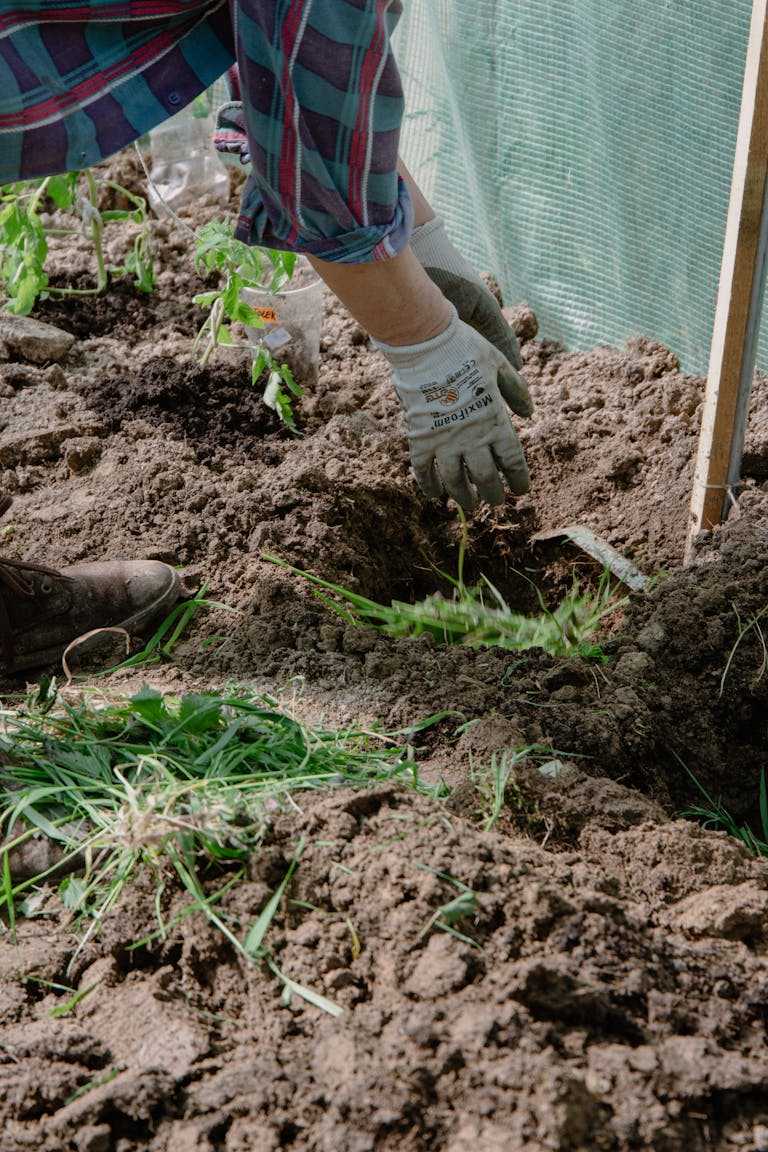
Before replanting, remove spent plants, pull weeds before they set seed, and loosen any compacted soil.
Healthy plant material can usually be composted. Plants showing signs of disease should stay out of the compost pile unless you know your compost reaches temperatures high enough to destroy plant pathogens.
Work a layer of finished compost into the top few inches of soil, or leave it beneath mulch.
Healthy soil isn’t built by adding everything available. It’s built by observing what the garden actually needs.
Fall Crop Quick Reference
| Vegetable | Planting Method | Best August Strategy | Key Benefit or Caution |
|---|---|---|---|
| Broccoli, cabbage, cauliflower | Transplant | Plant in evening; provide afternoon shade | Need a long growing window |
| Kale and collards | Seed or transplant | Plant early enough to establish well | Excellent frost tolerance |
| Carrots and beets | Direct sow | Keep seedbed consistently moist | Harvest at several stages |
| Turnips and radishes | Direct sow | Plant quick varieties | Great for shorter seasons |
| Lettuce and spinach | Direct sow or trays | Wait for cooler soil if needed | Heat slows germination |
| Swiss chard and mustard greens | Direct sow or transplant | Bridge summer into fall | Reliable producers |
| Green onions | Direct sow or transplant | Plant along bed edges | Harvest young |
| Bush beans | Direct sow | Early August only | Frost-tender |
Notes on Individual Crops
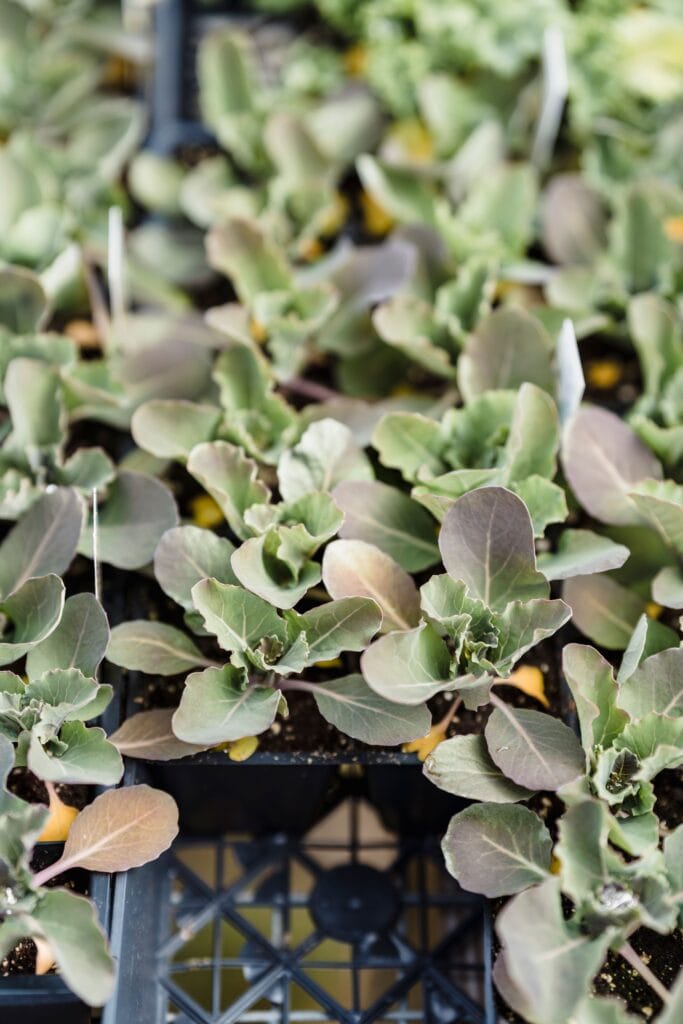
Broccoli, cabbage, and cauliflower are usually best planted as transplants because they require a long growing season. Give them several days of afternoon shade while they establish.
Kale and collards are among the most dependable fall vegetables. They tolerate cool weather extremely well, continue producing after many summer crops have finished, and often turn sweeter after a few chilly nights.
Carrots need consistently moist soil during germination and loose soil free of rocks or fresh manure.
Beets provide both edible roots and greens. Thin seedlings early and enjoy the thinnings in salads.
Turnips produce both roots and greens, making them one of the most productive crops for small spaces.
Radishes mature quickly, making them ideal for succession planting.
Lettuce, spinach, and other tender greens often perform better when started in trays or planted after the hottest part of August has passed.
Swiss chard tolerates lingering summer warmth better than most leafy greens and continues producing for months if harvested properly.
Bush beans should only be planted where enough frost-free weather remains for a harvest.
A Zone 8B Example: Coastal North Carolina
Here in coastal North Carolina, August is still very much summer. The soil is warm, afternoons are often punishingly hot, and newly planted seeds can dry out within hours.
That means fall gardening isn’t about waiting for cooler weather. It’s about giving slower crops a head start while protecting them from the last stretch of summer heat.
- Early August: Set out broccoli, cabbage, cauliflower, kale, and collard transplants, and direct-sow carrots, beets, turnips, Swiss chard, and a final round of bush beans while frost-free time still allows it.
- Mid-August: Continue sowing carrots, beets, turnips, kale, collards, mustard greens, and chard.
- Late August: Begin lettuce, spinach, radishes, arugula, mustard greens, and other cool-weather crops.
Adjust these dates to match the weather rather than the calendar. A week of extreme heat is a good reason to delay spinach a few days.
Helping Seeds Germinate in Summer Heat
The biggest challenge isn’t deciding what to plant—it’s helping cool-season seeds survive August heat long enough to germinate.
- Keep the seedbed consistently moist. Check daily during hot weather.
- Provide temporary shade during the hottest part of the afternoon.
- Use a light layer of mulch to reduce evaporation.
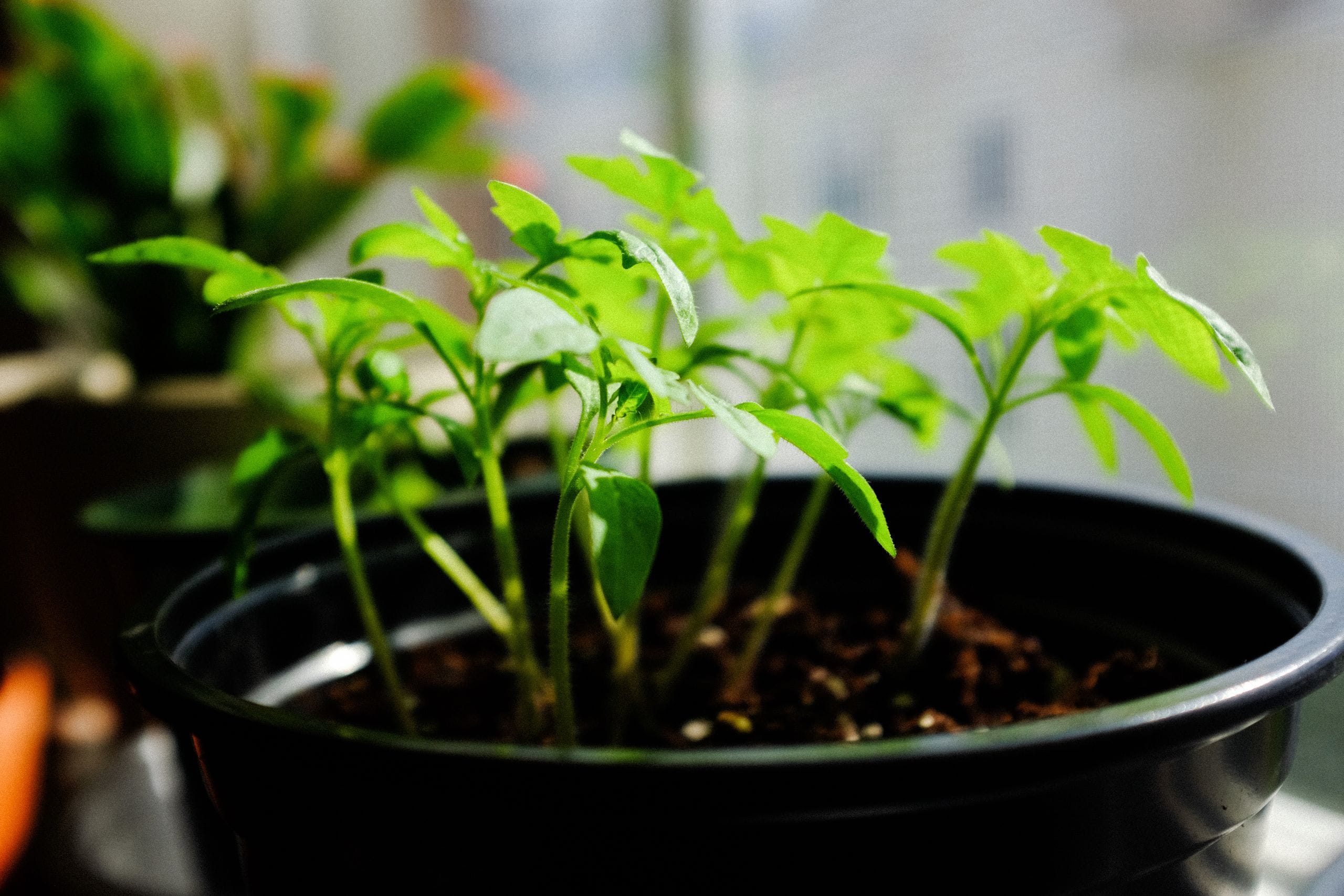
- Start difficult crops in trays where temperature and moisture are easier to manage.
A little extra attention during the first week often determines whether you’ll enjoy a full stand of vegetables or spend September replanting empty spaces.
Common August Planting Mistakes
Many disappointing fall gardens can be traced back to a few common mistakes.
- Waiting until it actually feels like fall before planting.
- Letting freshly planted seedbeds dry out between waterings.
- Forgetting to replenish the soil after heavy summer production.
- Planting an entire packet of quick crops like radishes all at once instead of succession planting.
Avoiding these mistakes gives your fall garden a much stronger start.
Keep the Fall Garden Watered
Young plants depend on moisture near the soil surface until their roots become established.
Water deeply once plants are growing well, but avoid keeping the soil constantly saturated. Observe the soil itself rather than watering by the calendar.
Don’t Rush to Clear Productive Summer Plants
Tomatoes, peppers, and herbs may still have weeks of production remaining.
Replace plants gradually as space opens rather than tearing out the entire garden at once. A fall garden often grows alongside a summer garden for several weeks.
Protect the Harvest When Cold Arrives
Row covers, frost cloth, cold frames, and low tunnels can help mature crops survive brief cold spells.
Secure covers well, avoid laying plastic directly on foliage, and ventilate coverings during sunny days to prevent overheating.
Use Empty Beds to Improve the Soil
If you don’t plan another crop, consider planting a cover crop instead.
Depending on your region, crimson clover or winter rye can protect the soil, suppress weeds, and add organic matter for next spring.
A Fall Garden Doesn’t Have to Be Large
You don’t need to replant the entire garden.
One container of lettuce, a short row of carrots, or a small bed of greens can provide weeks of fresh harvests. Choose crops your family will actually eat and grow only what you have time to care for.
A Garden Doesn’t End With Summer
Spring receives most of the attention, but fall has a rhythm all its own.
The pace slows. The weeds become less aggressive. Cool mornings gradually replace the relentless heat of midsummer, and each harvest feels like a bonus rather than an expectation.
A fall garden isn’t a second attempt at spring. It’s a season with its own rewards and another opportunity to make good use of the ground you’ve already worked so hard to build.
Where to go next:
- What to Do After Harvesting a Garden Bed – Restore and prepare garden beds between growing seasons.
Join the Porch Sitters
A house becomes a home through the small things we choose to learn, make, repair, grow, and pass along. Those skills don’t disappear overnight, and they won’t return overnight either. They come back one season, once project, and one meal at a time.
That’s what the Porch Sitters are all about.
Each edition of The Front Porch brings practical homesteading skills, seasonal guidance, thoughtful encouragement, and new resources to help you build a more capable household. No clutter. No chasing every trend. Just timeless knowledge that still has a place in modern life.
If that sounds like the kind of home you’re building, we’d be glad to save you a seat.
Rediscover the skills that turn a house into a home.