Why Soil Compaction Matters and How to Fix It Naturally
Walk through a garden after a heavy rain, and you may notice something that doesn’t seem like a problem at first. The ground feels firm beneath your boots. The surface looks smooth and tidy. Everything appears exactly as it should.
Underneath that surface, however, the soil may be struggling.
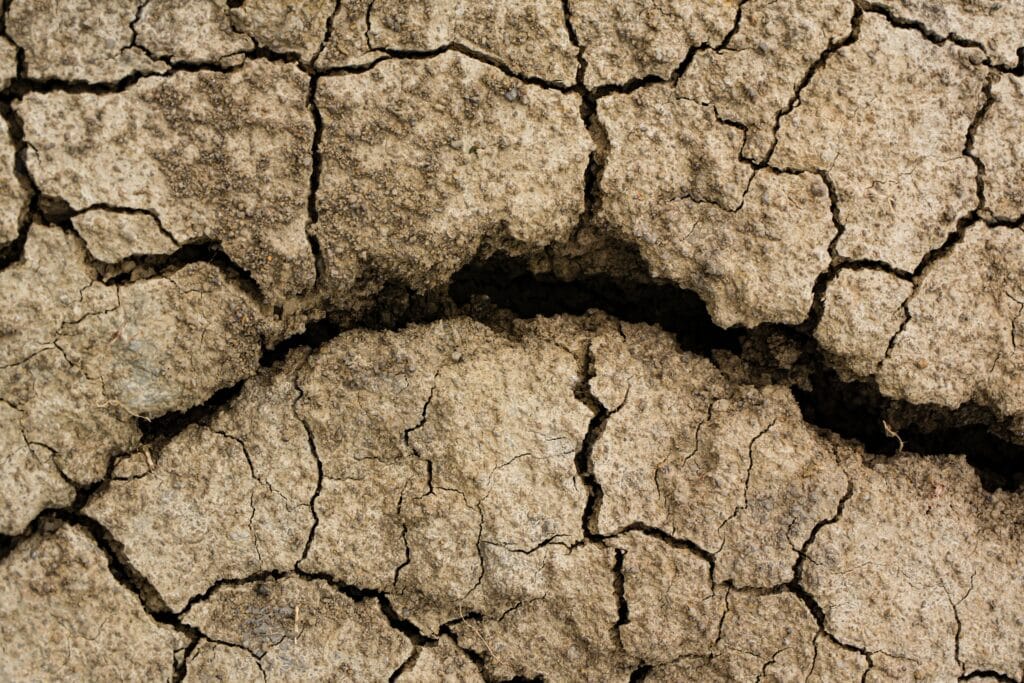
Soil compaction is one of the most common problems in home gardens, and many gardeners don’t realize it’s happening until plants begin growing poorly. Seeds germinate unevenly. Vegetables stay smaller than expected. Water puddles after every rain, or it runs across the surface instead of soaking in.
Most people assume those problems require more fertilizer or more watering.
Sometimes, the real issue is that plant roots simply can’t move through the soil.
Healthy gardening isn’t just about feeding plants. It’s about creating a soil structure that allows roots, water, air, and soil life to work together.
What Is Soil Compaction?
Soil compaction happens when soil particles are pressed tightly together.
As those particles are squeezed closer, the tiny spaces between them begin to disappear. Those spaces—called pore spaces—are every bit as important as the soil itself. They allow water to soak in, oxygen to reach plant roots, and beneficial organisms to move through the ground.
When those spaces collapse, everything becomes more difficult.
- Water can’t infiltrate as easily.
- Roots struggle to spread.
- Earthworms and other visible soil life seem less active, especially when the soil also lacks organic matter.
- Beneficial microbes receive less oxygen.
The soil gradually becomes harder, denser, and less productive.
Why Plants Struggle in Compacted Soil
Plants don’t simply grow downward because that’s the direction roots happen to point. They grow wherever they can find water, nutrients, oxygen, and room to expand.
Compacted soil limits all four.
Instead of developing deep, healthy root systems, plants often produce shallow roots that remain close to the surface. During dry weather, those shallow roots have very little reserve moisture available, so plants wilt more quickly.
Heavy rain doesn’t solve the problem either.
When water can’t move through compacted soil, it often pools on the surface or runs off into surrounding areas. Instead of soaking into the root zone where it’s needed most, valuable moisture is lost.
The result is a frustrating cycle. Gardeners water more often, fertilize more heavily, and still wonder why plants never seem to reach their full potential.
The soil—not the plants—is asking for attention.
It’s easy to blame ourselves when a garden struggles. We wonder if we planted at the wrong time, chose the wrong fertilizer, or simply don’t have a green thumb. Sometimes, though, the problem has very little to do with the gardener. A tomato can’t grow through soil that’s packed as hard as a brick any more than you could comfortably live in a house with all the windows nailed shut. Before spending money on another product promising bigger harvests, it’s worth asking whether the soil simply needs room to breathe.
What Causes Soil Compaction?
Some soils naturally compact more easily than others. Clay soils are especially prone because their tiny particles pack together tightly.
But even healthy soil can become compacted through everyday gardening habits.
Common causes include:
- Walking repeatedly through planting beds.
- Working soil when it’s wet.
- Heavy equipment or wheelbarrows traveling over the same areas.
- Rainfall striking bare soil season after season.
- A lack of organic matter.
None of these problems develop overnight. Like most aspects of gardening, compaction usually builds little by little until one day the garden simply doesn’t perform as well as it once did.
That’s one reason experienced gardeners create permanent walking paths and avoid stepping where crops are growing. It may seem like a small habit, but small habits often prevent large problems.
Signs Your Soil May Be Compacted
Compacted soil doesn’t always announce itself dramatically. Often, the warning signs appear gradually.
- Water puddles after rain or runs off instead of soaking in.
- Plant roots stay shallow and crops grow slowly despite adequate care.
- Earthworms become less common.
- Plants wilt quickly during hot weather.
Try the Screwdriver Test: If you suspect compaction, take a long screwdriver and try to push it into the garden bed when the soil is moist. If you repeatedly struggle to push it past the first few inches in several areas of the bed, compaction may be part of the problem. Test in more than one spot, since stones, roots, and buried debris can also stop the screwdriver.
How to Prevent Soil Compaction Naturally
The good news is that preventing compaction is usually easier than fixing severe compaction later.
One of the simplest habits is staying off garden beds whenever possible. Create designated walking paths and leave the growing areas undisturbed.
Avoid digging or tilling soil that’s saturated with water. Wet soil compresses much more easily than soil that’s merely moist. If a handful forms a sticky ball that doesn’t crumble, it’s usually too wet to work.
Adding compost year after year also makes a remarkable difference. Organic matter encourages earthworms and beneficial organisms to move through the soil. Their constant activity creates natural channels that improve drainage, increase airflow, and loosen dense ground without relying on heavy machinery.
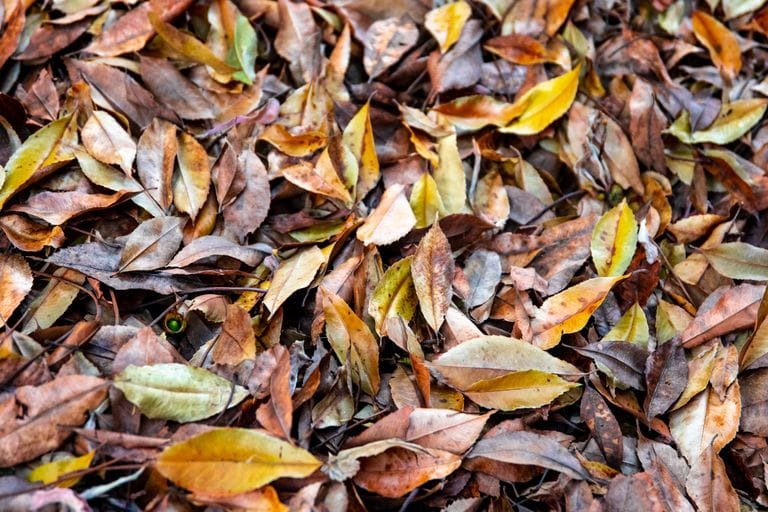
Keeping soil covered with mulch also helps soften the impact of heavy rain. Instead of pounding directly against bare soil and gradually compressing the surface, rainfall is cushioned by leaves, straw, wood chips, or other organic mulch before reaching the ground.
Nature rarely leaves soil exposed for long. That’s often a good sign we shouldn’t either.
Can Compacted Soil Be Fixed?
Absolutely.
The solution isn’t usually to dig deeper or till more often. In fact, excessive tilling can temporarily loosen the soil while gradually destroying the structure you’re trying to improve.
The better approach is patience and biological help.
- Continue adding compost: Let organic matter do the heavy lifting over time.
- Protect the soil with mulch: Keep the surface shielded from traffic and weather.
- Avoid unnecessary foot traffic: Stick strictly to your walking paths.
- Use “deep-rooted” cover crops: Let nature do the hard work. Deep-rooted cover crops like daikon radishes (often called tillage radishes) naturally push through dense soil. Their roots create channels that improve airflow and water movement. When the plants die and decompose, those channels remain behind, making it easier for future plant roots to grow deeper without mechanical tilling.
- Support the soil with other cover crops: Not every cover crop is meant to break through compacted soil. Plants like crimson clover help by protecting the soil surface, feeding beneficial organisms, adding organic matter, and improving overall soil health over time.
Healthy soil isn’t created in a weekend. It’s built one season at a time through countless small decisions that work with nature instead of against it.
Final Thoughts
Good gardeners eventually discover that many problems appearing above ground actually begin below it. Soil compaction is one of those hidden problems. Learning to recognize soil compaction early can save years of frustration and lead to healthier, more productive gardens.
Fortunately, it’s also one of the most preventable.
A garden doesn’t need expensive equipment or constant intervention to produce well. It needs healthy soil with enough space for roots to breathe, water to soak in, and millions of unseen organisms to do the work they’ve been doing for thousands of years.
When you protect the soil beneath your feet, you’re investing in every harvest that follows. That’s the sort of work that may not be obvious today, but it pays dividends season after season.
Frequently Asked Questions
Can plants recover from soil compaction?
Yes. If the compaction isn’t severe, many plants improve as soil structure is restored through compost, mulch, reduced foot traffic, and healthy biological activity. Recovery isn’t instant, but soil health can noticeably improve season after season with consistent care.
Does tilling fix soil compaction?
Not usually, at least not for long. Tilling can loosen soil temporarily, but repeated tilling tends to break down soil structure over time rather than repair it. Building healthy soil through organic matter, earthworm activity, and root channels tends to be a more lasting solution.
Which soils are most likely to become compacted?
Clay soils are the most prone to compaction, since their tiny particles pack together tightly. That said, sandy and loamy soils can compact too, especially from repeated foot traffic, heavy equipment, or being worked while too wet.
Will earthworms help loosen compacted soil?
Yes. As earthworms tunnel through soil, they create natural channels that improve drainage, airflow, and root growth. Encouraging their activity through compost and organic matter is one of the simplest ways to support long-term soil structure.
How long does it take to improve compacted soil naturally?
It varies with how compacted the soil is to begin with, but healthy soil is built gradually, not overnight. Adding compost, keeping the ground covered with mulch, and avoiding unnecessary foot traffic all compound over multiple seasons rather than producing an instant fix.
Does mulch really make a difference with soil compaction?
Yes, more than it might seem. Mulch softens the impact of heavy rain before it strikes bare soil, which helps prevent the surface from gradually becoming compacted over time. It also protects the soil between plantings, helps conserve moisture, and feeds the soil as organic mulches break down.
Join the Porch Sitters
A house becomes a home through the small things we choose to learn, make, repair, grow, and pass along. Those skills don’t disappear overnight, and they won’t return overnight either. They come back one season, once project, and one meal at a time.
That’s what the Porch Sitters are all about.
Each edition of The Front Porch brings practical homesteading skills, seasonal guidance, thoughtful encouragement, and new resources to help you build a more capable household. No clutter. No chasing every trend. Just timeless knowledge that still has a place in modern life.
If that sounds like the kind of home you’re building, we’d be glad to save you a seat.
Rediscover the skills that turn a house into a home.