What Happens Beneath Your Feet? Understanding Soil Life
Walk across a healthy garden, and at first glance it doesn’t seem like much is happening. The soil sits quietly beneath your boots. Plants grow where they’re planted. Rain falls, weeds appear, vegetables ripen, and another season comes and goes.
But beneath every step you take, an entire world is hard at work.
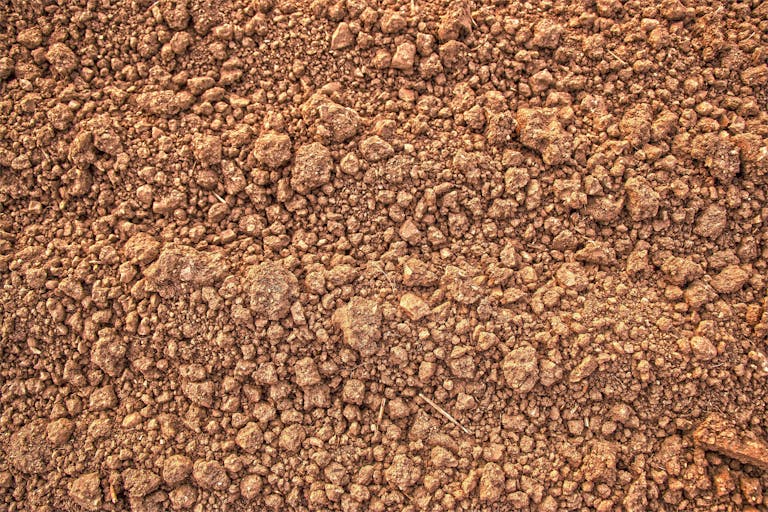
Understanding soil life begins with realizing that healthy soil isn’t just dirt. It’s a living community made up of billions of organisms—many too small to see without a microscope—all working together to recycle nutrients, build soil structure, store water, and support healthy plants.
Most gardeners spend plenty of time looking at what’s growing above ground. Experienced gardeners eventually learn that what’s happening below the surface matters even more.
The healthiest gardens aren’t built by feeding plants. They’re built by feeding the soil.
Soil Is Alive
A single handful of healthy garden soil can contain more living organisms than there are people on Earth. That isn’t an exaggeration.
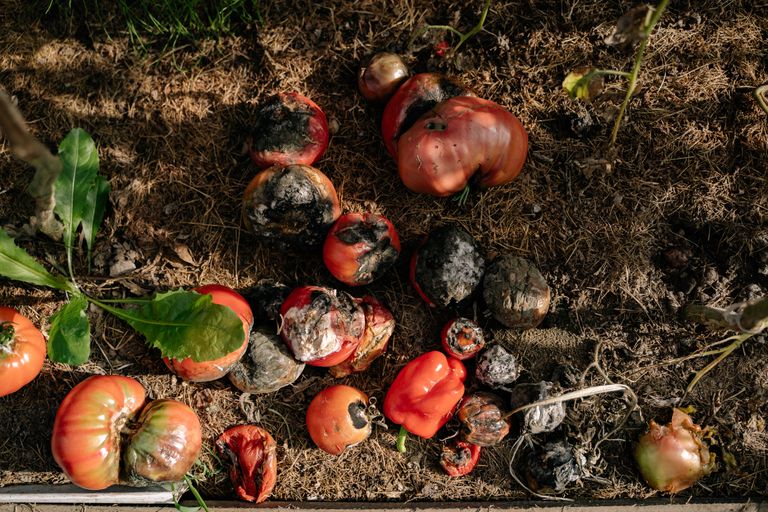
Bacteria, fungi, protozoa, nematodes, mites, springtails, insects, earthworms, and countless other organisms spend every day breaking down organic matter, recycling nutrients, and improving the soil around plant roots.
Each member of this community has its own specific job:
- Some decompose fallen leaves and dead wood.
- Some release nutrients in a form that plants can easily absorb.
- Some tunnel through the earth, improving drainage and airflow.
- Others feed on harmful organisms, naturally keeping pest populations balanced.
It’s easy to think of soil as simply something we grow plants in. Nature treats soil more like a living factory that never stops working.
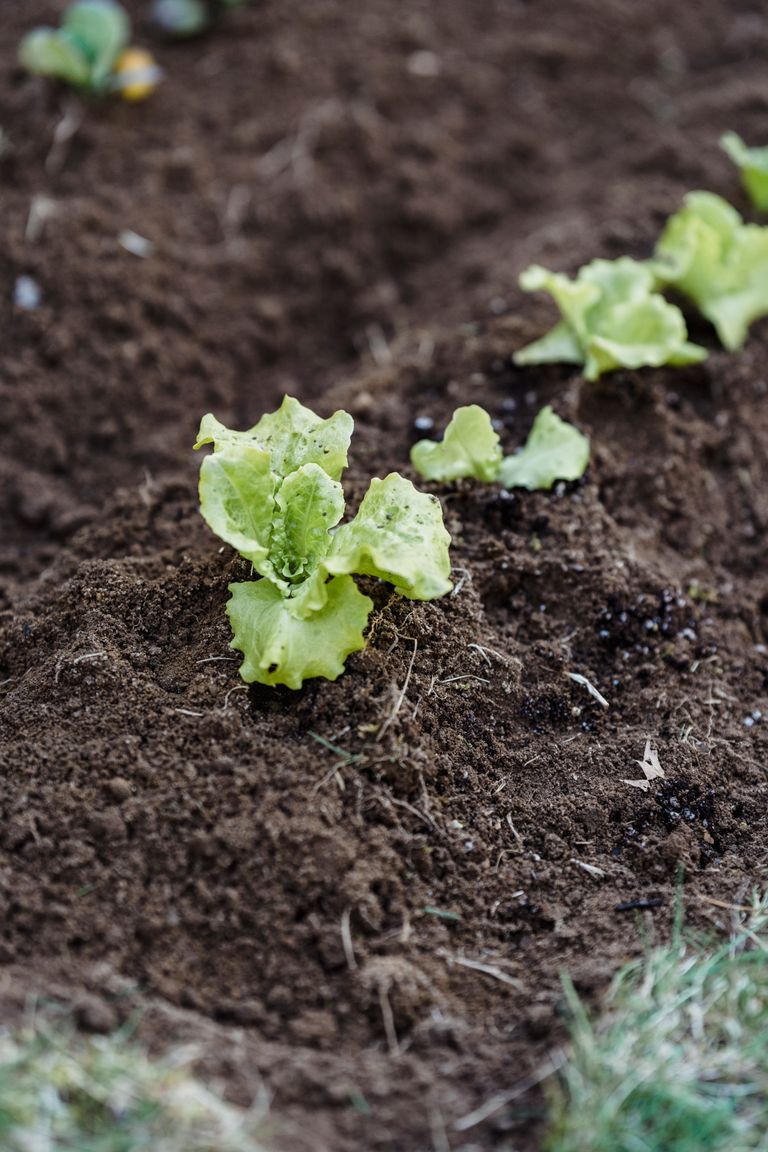
That’s one reason so many people become frustrated with gardening. They spend their time trying to feed the tomato when they should have been improving the soil the tomato is growing in. Healthy plants are often the result of healthy soil—not the other way around.
When that living factory is healthy, the entire garden benefits.
Meet the Workers Beneath Your Feet
You don’t need to memorize scientific names to become a better gardener. It helps more to understand the jobs these tiny workers perform.
Bacteria
Bacteria are among the smallest members of the soil community, but they’re also some of the busiest. They begin breaking down fresh organic matter almost immediately, helping release nutrients that eventually become available to plants.
Many beneficial bacteria also form close relationships with plant roots, exchanging nutrients for sugars produced during photosynthesis. Nature rarely wastes effort; both the plant and the bacteria benefit from the arrangement.
Fungi
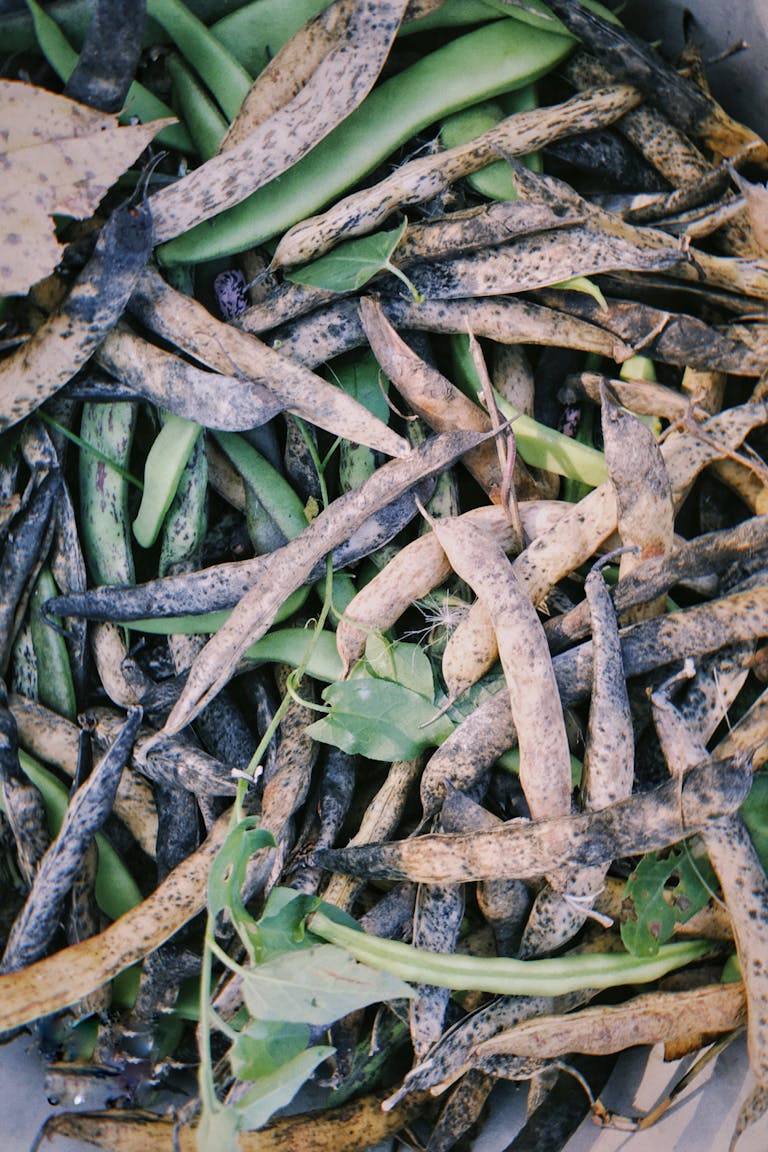
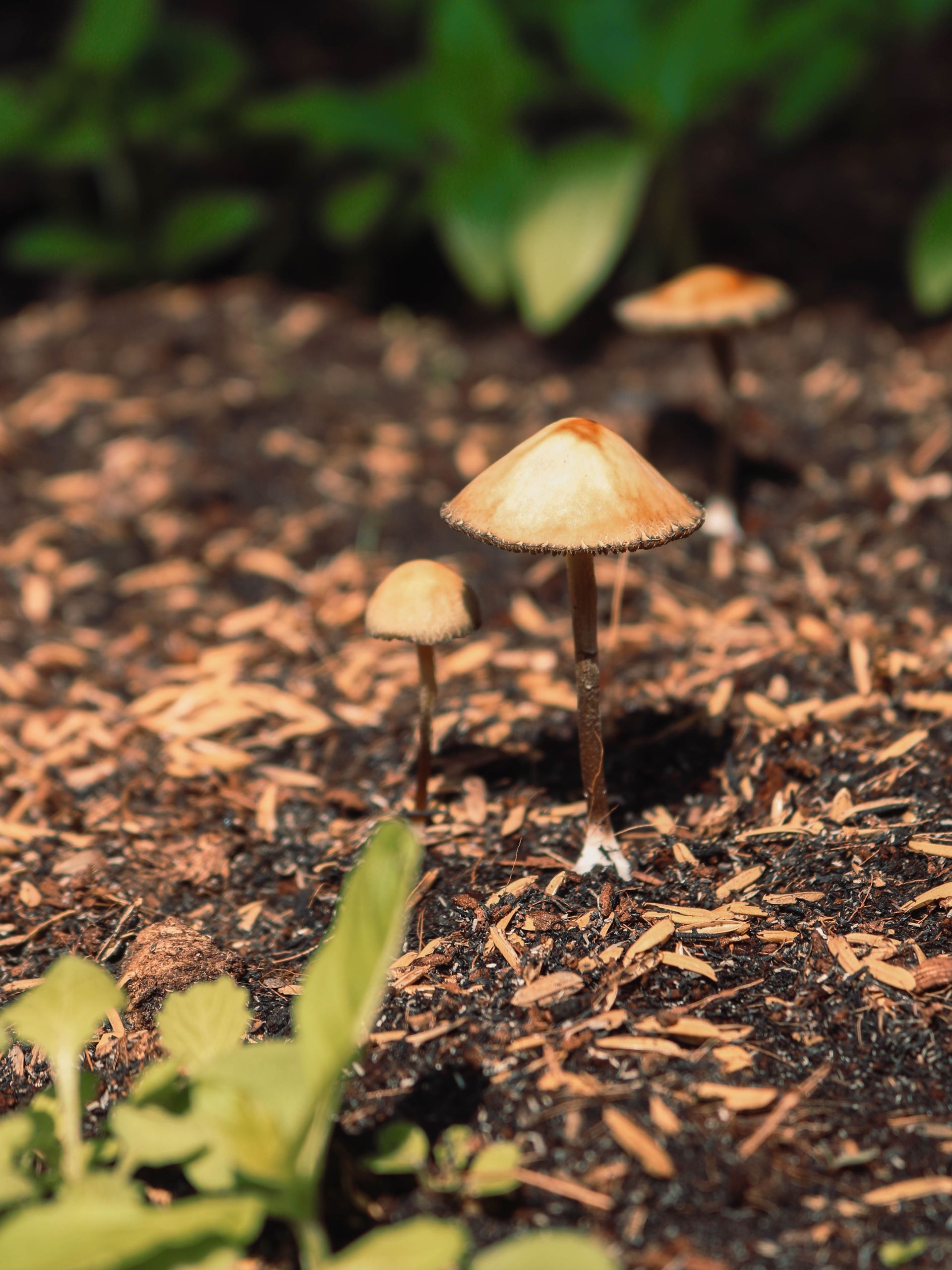
If bacteria are quick workers, fungi are the long-distance specialists. Many fungi can break down materials that bacteria struggle with, including wood, bark, and tough plant stems.
Some develop enormous underground networks of thread-like strands called mycelium. These networks help move water and nutrients through the soil and often connect multiple plants together. Scientists are still learning just how much communication and resource sharing happens through these fungal networks, but one thing is already clear: healthy fungi contribute to healthier soil.
Earthworms: Nature’s Soil Engineers
Few creatures have earned a better gardening reputation than the humble earthworm. As worms tunnel through the soil, they loosen compacted ground, improve drainage, and allow oxygen to reach plant roots. Their castings—the material they leave behind—are rich in nutrients and beneficial microorganisms.
You could spend good money buying tools to aerate your soil. Or you can create conditions that encourage earthworms to do the job for free. The second option has always sounded more sensible to me.
Tiny Predators Keep Everything Balanced
Not every soil organism eats dead leaves. Some feed on bacteria, others feed on fungi, and some prey on microscopic pests that might otherwise damage plant roots.
That may sound unpleasant, but healthy ecosystems depend on balance. Just as birds help control insect populations above ground, countless tiny predators help keep soil life in balance below the surface.
A garden doesn’t need every single organism to survive. It needs enough diversity that no single one dominates the system.
Plant Roots Are Part of the Community
Plants aren’t simply standing in the soil while everyone else does the work. Their roots actively participate.
As roots grow, they release sugars and other compounds into the surrounding soil. These substances attract beneficial microorganisms that help supply nutrients, protect against certain diseases, and improve growing conditions.
In many ways, plants are investing in the community that’s helping them grow. Healthy soil isn’t a one-way relationship—the plants give something back as well.
What Harms Soil Life?
Like any living community, soil organisms need the right conditions to thrive. Some common gardening habits unintentionally make their work much harder.
These include:
- Leaving soil bare and exposed to the elements for long periods.
- Excessive tilling that repeatedly disrupts the soil’s natural structure.
- Allowing soil to become severely compacted by heavy foot traffic.
- Removing every single leaf, twig, or bit of organic material from the garden.
- Overusing synthetic fertilizers or pesticides when they’re unnecessary.
None of these practices destroys soil life overnight. But repeated year after year, they reduce the diversity and resilience that healthy gardens depend on.
Sometimes the best thing you can do for your garden isn’t buying another product at all. It’s creating the conditions where nature can keep doing the work it already knows how to do.
How to Support Healthy Soil Life
Fortunately, supporting soil life isn’t complicated. Simple habits practiced consistently make the biggest difference.
You can encourage a thriving underground ecosystem by focusing on a few straightforward practices:
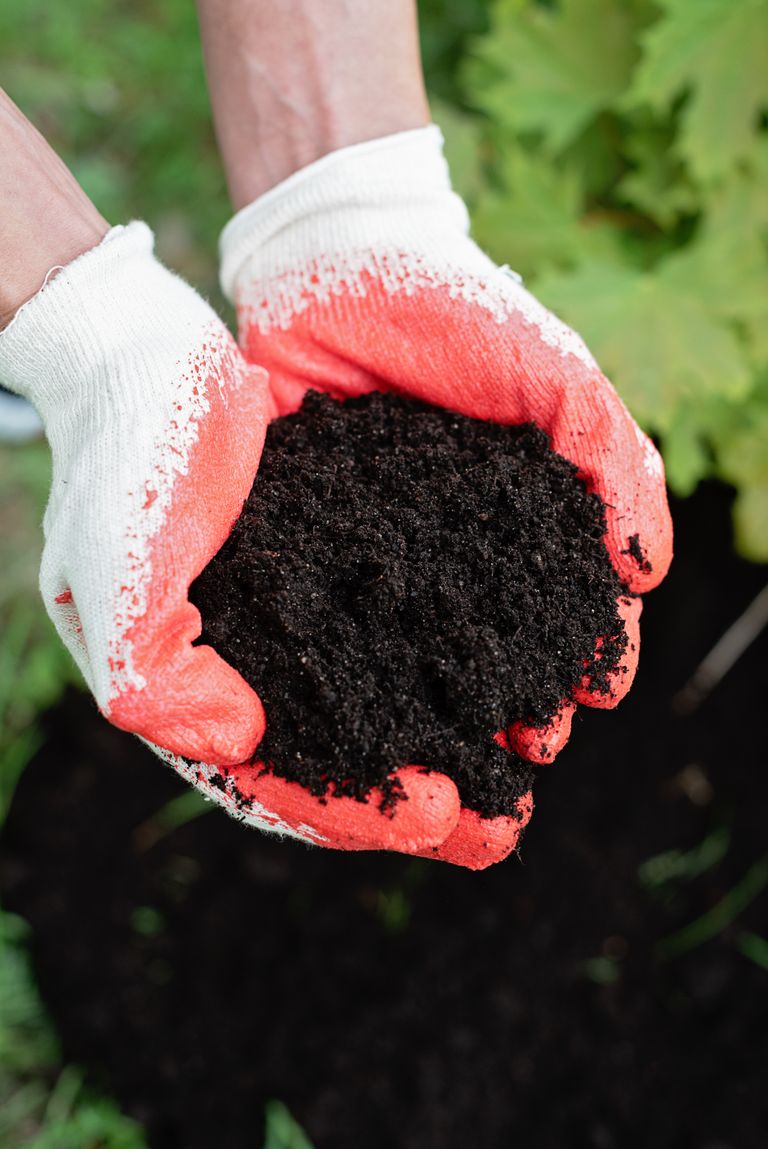
- Feed the soil regularly: Add compost and organic matter throughout the year to keep your underground workers fed.
- Protect the surface: Keep exposed soil covered with a layer of mulch or grow cover crops during the off-season.
- Disturb the ground less: Avoid unnecessary tilling and leave plant roots in place after harvesting when appropriate.
- Water wisely: Water deeply but appropriately to keep the soil moist but not waterlogged.
None of these practices delivers overnight results because healthy soil is built gradually, one season at a time. The same way a neglected garden doesn’t become productive in a single weekend, healthy soil develops through steady care and good habits.
Healthy Soil Is a Living Investment
One of the easiest mistakes new gardeners make is judging success only by this year’s harvest.
Healthy soil asks you to think a little further ahead.
Every bucket of compost you spread, every layer of mulch you apply, and every bit of organic matter you return to the ground is an investment in future seasons.
The remarkable thing is that once soil life becomes established, much of the work begins happening without your help. The organisms beneath your feet don’t take weekends off, and they don’t ask for expensive equipment. They simply need food, moisture, air, and a little patience.
Take care of the life in your soil, and it will spend years taking care of the plants above it.
That’s stewardship in its simplest form: caring for something you may never see, because you understand that the results will eventually be impossible to miss.
Where to Go Next
Now that you know healthy soil is a living ecosystem, the next step is learning how to protect it.
Continue with Why Organic Matter Is the Foundation of Healthy Soil to discover why compost, leaves, and other natural materials are more than just “garden waste.” They’re the food that fuels the billions of organisms working beneath your feet and the foundation of fertile, resilient soil.
From there, you may also enjoy:
- Mulching 101: Save Water, Suppress Weeds, and Build a Healthier Garden to learn how a simple layer of mulch protects soil life while conserving moisture and reducing weeds.
- How to Tell When Compost Is Finished: 8 Signs Your Compost Is Ready for the Garden to learn when your finished compost is ready to return those valuable nutrients to the soil and complete the cycle.
Join the Porch Sitters
A house becomes a home through the small things we choose to learn, make, repair, grow, and pass along. Those skills don’t disappear overnight, and they won’t return overnight either. They come back one season, once project, and one meal at a time.
That’s what the Porch Sitters are all about.
Each edition of The Front Porch brings practical homesteading skills, seasonal guidance, thoughtful encouragement, and new resources to help you build a more capable household. No clutter. No chasing every trend. Just timeless knowledge that still has a place in modern life.
If that sounds like the kind of home you’re building, we’d be glad to save you a seat.
Rediscover the skills that turn a house into a home.