Organizing Your Household Resources: Simple Systems for a More Capable Home
Organizing household resources isn’t about buying more storage bins or creating a picture-perfect home. It’s about knowing what you own, where it belongs, and how to make the best use of it.
Most people don’t have a shortage of things. They have a shortage of knowing where those things are.
We’ve all done it. Bought another flashlight because we couldn’t find the first one. Purchased another bottle of glue because the old one disappeared into a junk drawer. Picked up extra canned tomatoes because we weren’t sure how many were already in the pantry.
That isn’t a storage problem.
It’s a management problem.
A capable household isn’t measured by how much it owns. It’s measured by how well it uses what it already has.
Earlier generations understood this almost without thinking about it. Every tool had a place. Supplies were stored where they made sense. They knew what they had because replacing it wasn’t always easy—or affordable. Today, we can replace almost anything with a few taps on a screen. That convenience has quietly encouraged carelessness. When replacing something is easier than finding it, organization stops feeling important.
Until the credit card bill arrives.
Organizing your household resources isn’t about making your home look like a magazine. It’s about reducing waste, saving money, lowering stress, and making everyday life run more smoothly.
A well-managed household doesn’t happen by accident. It grows from simple systems that make good decisions easier every day.
The Core Principles of Organizing Household Management
1. Think in Categories, Not Rooms
Many people organize by putting things wherever they happen to fit. That’s how batteries end up in three different drawers, scissors migrate throughout the house, and extension cords seem to disappear whenever you actually need one.
Instead, organize by category:
- Cleaning supplies belong together.
- Light bulbs belong together.
- First-aid supplies belong together.
- Office supplies belong together.
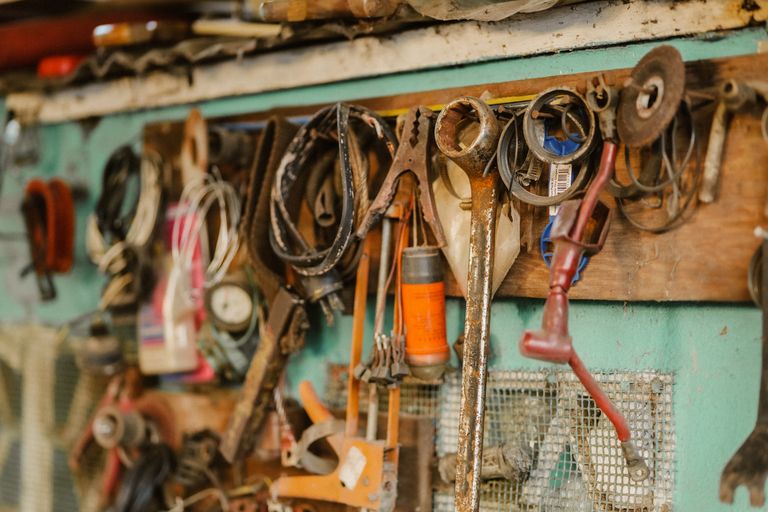
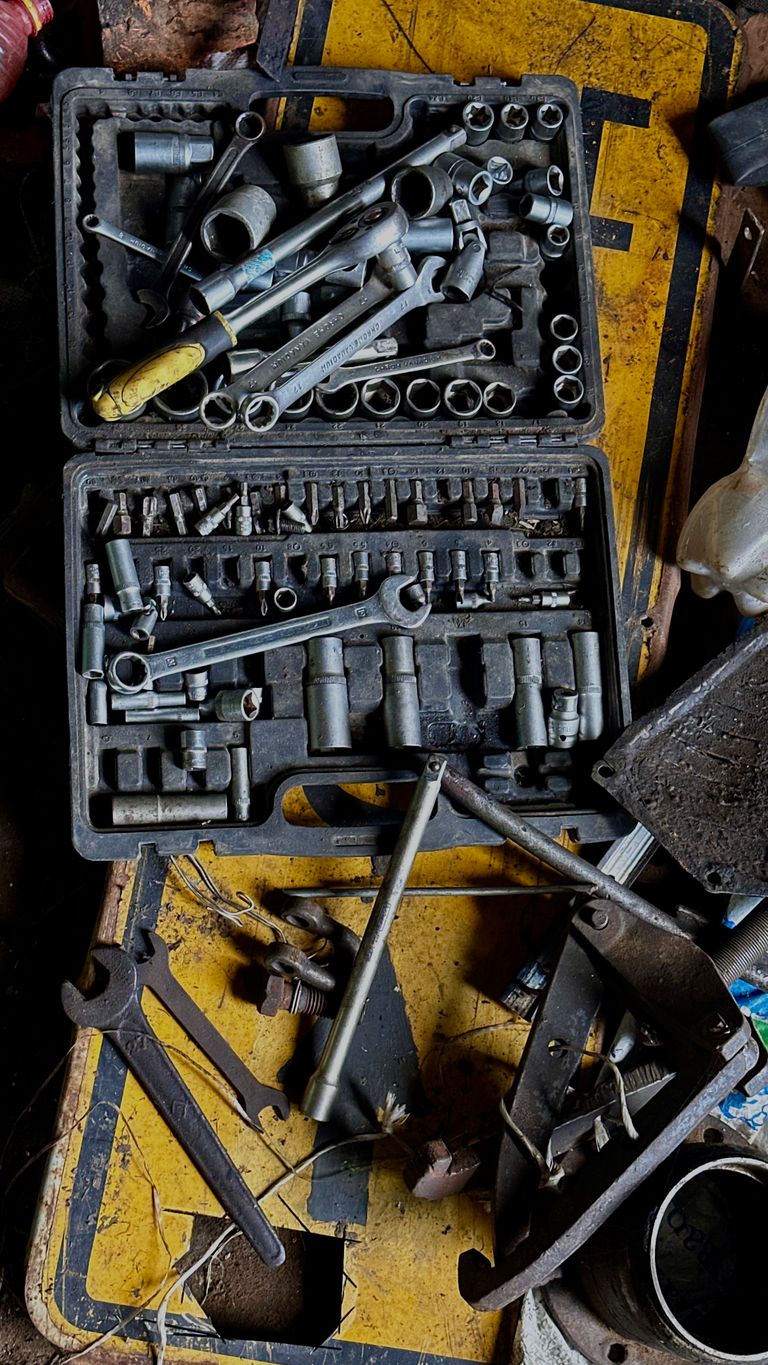
- Gardening tools belong together.
- Pet supplies belong together.
When similar items live in one location, you always know where to look—and you’ll immediately notice when you’re running low instead of accidentally buying duplicates.
2. Give Everything a Home
One of the simplest habits you can build is making sure every item has one designated place.
Not “wherever it fits.”
Not “wherever I set it down.”
A permanent home.
When an item has a home, putting it away becomes a quick decision instead of another choice your brain has to make. It also makes it much easier for everyone else in the household to help keep things organized because they know exactly where things belong.
3. Store Items Where They’re Used
Giving an item a home is only half the battle; that home needs to be in the right ZIP code.
One mistake many households make is creating one giant storage area for everything. It sounds organized until you realize you’re walking across the house every time you need a trash bag or a screwdriver.
Frequently used items should live close to where they’re actually used:
- Extra kitchen towels belong in or near the kitchen.
- Garden gloves belong near the garden.
- Laundry supplies belong near the washer.
The fewer unnecessary steps a task requires, the more likely you’ll actually stay organized.
4. Optimize for Visual Accessibility
The old adage “out of sight, out of mind” is a major driver of household waste. When items are hidden deep inside cabinets or tucked into opaque bins, we simply forget they’re there—and forgotten items often get purchased twice.
Whenever possible, make your storage visual.
Rule of thumb: Use clear bins for categorized supplies, wire baskets for pantry staples, or open shelving for frequently used tools. If a system requires you to open three different lids just to see what’s inside, it’s a system designed for forgetfulness.
5. Keep an Inventory of Important Supplies
You can’t manage what you don’t know you have.
You don’t need a spreadsheet for every paper clip, but a few categories are worth keeping track of:
- Household basics: Light bulbs, batteries, extension cords.
- Home maintenance: Air, furnace, and water filters.
- Everyday supplies: Cleaning products, toiletries, pet food.
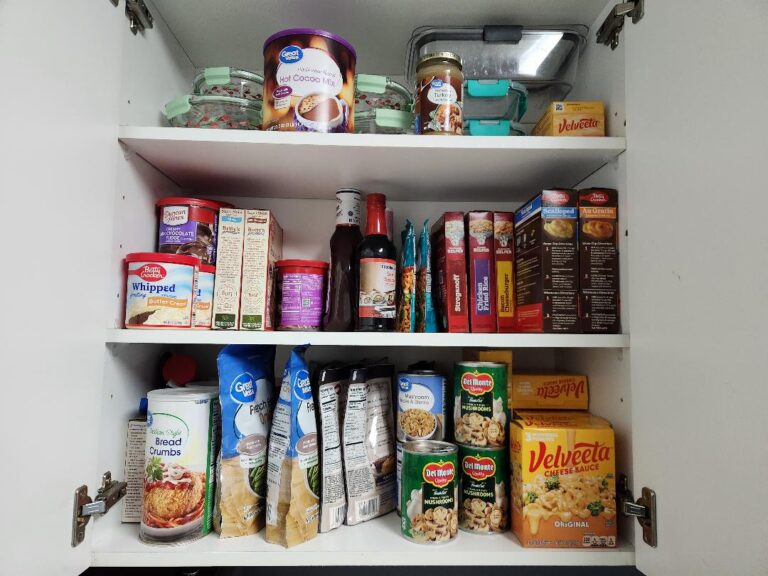
- Emergency & pantry items: Emergency supplies and pantry staples.
A simple notebook, a checklist inside a cupboard door, or a shared phone note can prevent unnecessary shopping trips. It helps you notice what needs replacing before it becomes an emergency.
Planning ahead is almost always cheaper than buying in a panic.
6. Make Your Most-Used Items Easy to Reach
Not everything deserves the best shelf.
The slow cooker you use every week shouldn’t be buried behind Christmas decorations. The ladder shouldn’t require moving fifteen boxes just to change a light bulb.
Store frequently used items where they’re easy to access. Reserve higher shelves, deeper storage, and harder-to-reach areas for seasonal or rarely used belongings.
Your storage system should match your actual life—not the life you imagine you’ll have someday.
7. Label What Isn’t Obvious
Memory is surprisingly unreliable. Six months from now, you’ll probably forget which specific cords or seasonal items are inside an unmarked storage bin.
A simple label saves time and frustration. You don’t need an expensive label maker; masking tape and a permanent marker work just fine.
The goal isn’t perfection.
The goal is clarity.
8. Review Your Household Regularly
Organization isn’t something you finish once.
It’s maintenance.
Every few months, take a quick walk through your home and ask yourself:
- What have we run out of?
- What do we have too much of?
- What keeps getting misplaced?
- What haven’t we used in years?
- Is everything still stored where it makes the most sense?
Small adjustments made regularly prevent major, overwhelming reorganizing projects later. Just like maintaining a garden, small efforts done consistently produce better results than occasional heroic attempts.
9. Buy With Storage in Mind
Before bringing something new home, ask yourself one simple question:
Where is this going to live?
If the answer is “I’ll figure it out later,” you’re already creating tomorrow’s clutter.
Every new possession requires space, maintenance, and attention. That’s worth considering before making a purchase.
Owning fewer things that are useful, cared for, and easy to find serves a household better than owning a mountain of things that stay lost in closets.
10. Build Systems That Everyone Can Follow
The best organization system isn’t the prettiest one.
It’s the one people actually use.
Complicated systems usually fall apart because they require too much daily effort.
Simple systems last.
If a houseguest or a child can walk into your home and reasonably figure out where an item belongs without a detailed explanation, you’ve built a good system.
Organization should reduce daily friction, not create more of it.
Final Thoughts
A well-organized household isn’t about appearances.
It’s about stewardship.
When you know what you own, where it belongs, and how to find it, you protect your hard-earned money from accidental duplicates, eliminate the stress of frantic searches, and make better use of the resources you’ve already worked to earn.
Competence isn’t built through grand gestures. It’s built through ordinary habits repeated over time. One shelf organized today becomes a cabinet tomorrow. One cabinet becomes a room. Before long, you’ve built a household that works with you instead of against you.
An organized home isn’t one where everything is perfect. It’s one where your time, money, and resources work for you instead of disappearing into forgotten corners and unnecessary purchases. That’s the quiet kind of competence that makes a household stronger year after year.
The goal isn’t to own more. It’s to make better use of what you’ve already been entrusted with. That’s how capable households are built—one thoughtful habit at a time.
Where to Go Next
Organizing your household resources is about more than finding a place for your belongings. It’s about becoming a better steward of everything you’ve already worked hard to provide. Once you’ve built that foundation, these articles will help you take the next steps toward a more capable, waste-conscious household.
Build a Stronger Stewardship Mindset
- The Waste Not Want Not Home Audit — Learn how to identify overlooked resources, eliminate unnecessary purchases, and make better use of what you already own.
- Before You Throw It Away: 9 Questions to Determine Whether Something Still Has Value — Develop a practical framework for deciding what to repair, repurpose, donate, or discard.
Care for the Things You Own
- The Lost Art of Maintaining What You Own — Discover how simple maintenance habits extend the life of your tools, equipment, and household essentials while saving money over time.
- Old-Fashioned Skills Every Modern Homemaker Should Know — Build practical skills that make your home more self-reliant, resilient, and prepared for everyday life.
Organize the Most Important Room in the House
Once your household systems are working well, it’s time to apply those same principles to the kitchen.
- How to Organize a Pantry So Food Doesn’t Go to Waste — Learn how to organize your pantry for visibility, efficiency, and less food waste.
- Create an Eat Me First System That Actually Works — Set up a simple rotation system that helps your family use food before it expires.
Join the Porch Sitters
A house becomes a home through the small things we choose to learn, make, repair, grow, and pass along. Those skills don’t disappear overnight, and they won’t return overnight either. They come back one season, once project, and one meal at a time.
That’s what the Porch Sitters are all about.
Each edition of The Front Porch brings practical homesteading skills, seasonal guidance, thoughtful encouragement, and new resources to help you build a more capable household. No clutter. No chasing every trend. Just timeless knowledge that still has a place in modern life.
If that sounds like the kind of home you’re building, we’d be glad to save you a seat.
Rediscover the skills that turn a house into a home.