The Lost Art of Maintaining What You Own
There was a time when maintaining what you owned was simply part of everyday life. People sharpened tools before they became dull enough to cause problems. They changed the oil in their vehicles, cleaned gutters, mended clothing, seasoned cast iron, and repaired loose hinges before those small issues turned into expensive ones.
Today, many of those habits have quietly disappeared.
We live in a culture that often treats replacement as easier than maintenance. When something breaks, our first instinct is frequently to buy another one. When an appliance starts acting up, we wonder what model to purchase next rather than whether the problem can be prevented or repaired.
Yet, the economics of modern life are forcing a welcome shift, making many families reconsider that approach.
At Waste Not Want Not Homestead, we believe that maintaining what you own is one of the most practical forms of stewardship. It reduces waste, stretches your budget, and helps create a household that functions more smoothly because small problems are addressed before they become large ones.
The good news is that maintenance doesn’t require specialized expertise. More than anything, it requires attention.
Why Maintaining What You Own Matters
Most things don’t fail all at once. A roof usually doesn’t start leaking because of one bad day. Gutters clog for months before water begins causing structural damage. Vehicles rarely suffer catastrophic breakdowns without giving smaller warnings first, and appliances often show signs of friction long before they stop working entirely.
Maintenance is simply the practice of paying attention before a problem becomes expensive.
A household that embraces a maintenance mindset benefits from:
- Lower replacement costs and fewer emergency repairs.
- Longer-lasting tools, equipment, and everyday goods.
- Less waste being sent to local landfills.
- Greater self-reliance and better use of household resources.
None of those benefits are particularly glamorous. Neither is paying off debt, packing a lunch, or rotating pantry stock. Yet all of them quietly improve a family’s financial stability over time. Competence is almost always built from ordinary habits repeated consistently.
The Cost of Deferred Maintenance
One of the most expensive phrases in the English language is: “I’ll deal with it later.”
We’ve all said it. The loose cabinet hinge stays loose. The lawn mower blade remains dull. The small drip under the sink gets ignored, and the squealing belt in the car keeps squealing.
The problem is that maintenance rarely becomes cheaper by waiting. The math is remarkably predictable: a five-minute checkup turns into a fifty-dollar repair, which eventually balloons into a five-hundred-dollar replacement. Unfortunately, many of us only learn that lesson after paying tuition to the School of Hard Experience.
Four Areas Every Household Should Maintain
Admittedly, modern manufacturing doesn’t always make things easy. Items are often glued shut, wrapped in plastic covers, or designed to be disposable. However, you don’t need a workshop full of specialty tools or a mechanical engineering degree to practice good maintenance. You just need to start with the basics.
1. Vehicles
For many families, vehicles are among the most expensive assets they own. Simple, routine tasks can dramatically extend their lifespan:
- Regular oil and filter changes.
- Monitoring tire pressure and routine tire rotations.
- Checking fluid levels (coolant, brake, and windshield washer fluids).
- Addressing unusual noises or warning lights promptly.
Ignoring vehicle maintenance is a little like refusing to drink water during a marathon and then acting surprised when things start going poorly. Machines, much like people, perform better when their basic needs are met.
2. Home Systems
Homes require ongoing attention to remain safe and functional. Many of these tasks take less than an hour, but neglecting them can take years and thousands of dollars to undo:
- Cleaning gutters to protect your foundation.
- Replacing HVAC filters every 1–3 months to protect the furnace motor.
- Inspecting caulking around windows and doors to prevent rot.
- Cleaning dryer vents annually to prevent fire hazards.
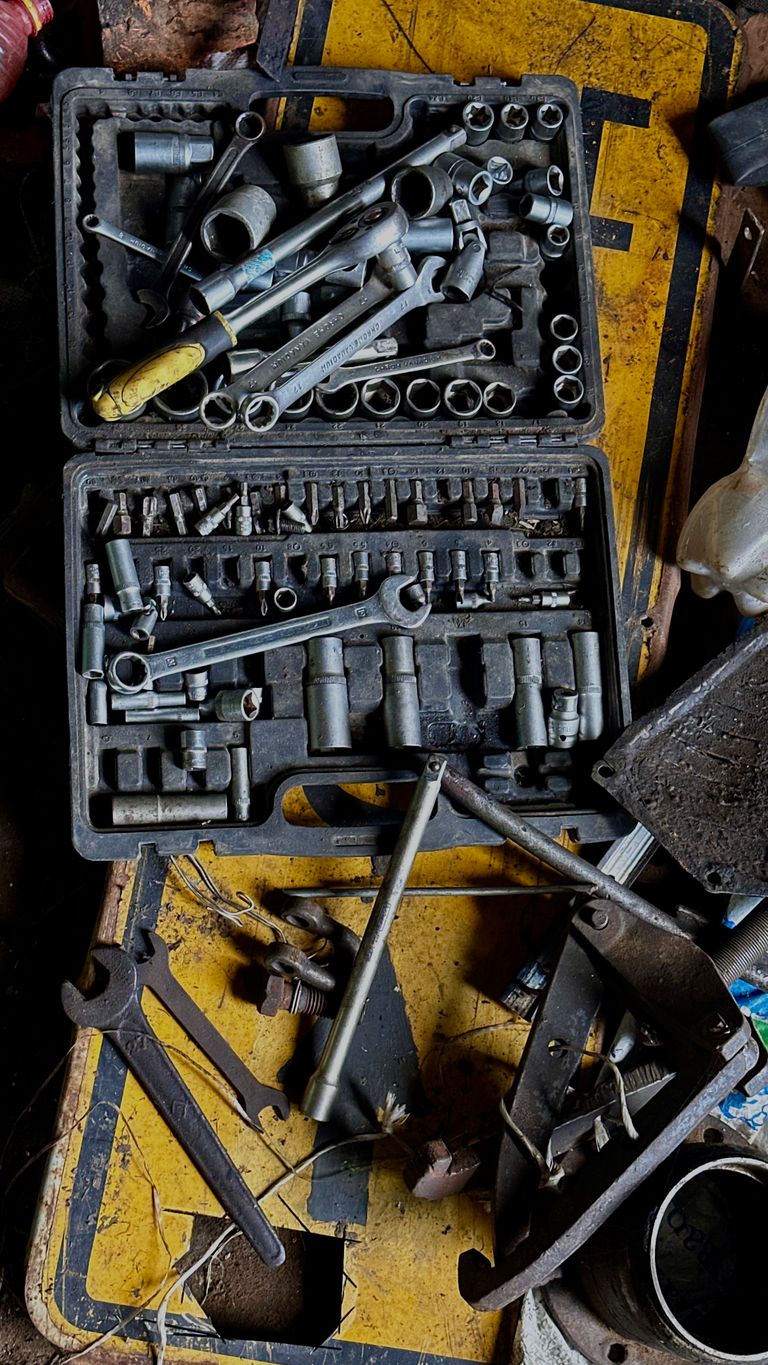
3. Tools and Equipment
Whether you own garden spades, kitchen knives, or lawn equipment, maintenance extends their usefulness and safety. A well-maintained tool performs better, lasts longer, and is simply safer to use. That’s not old-fashioned wisdom—that’s physics.
- Clean tools after use and store them away from the elements.
- Sharpen blades regularly to reduce strain on motors (and your muscles).
- Apply a light coat of oil to metal parts to prevent rust.
4. Clothing and Household Goods
Previous generations routinely maintained clothing because replacement was expensive. Today, replacement has become easy, but it is not necessarily affordable over the long run.
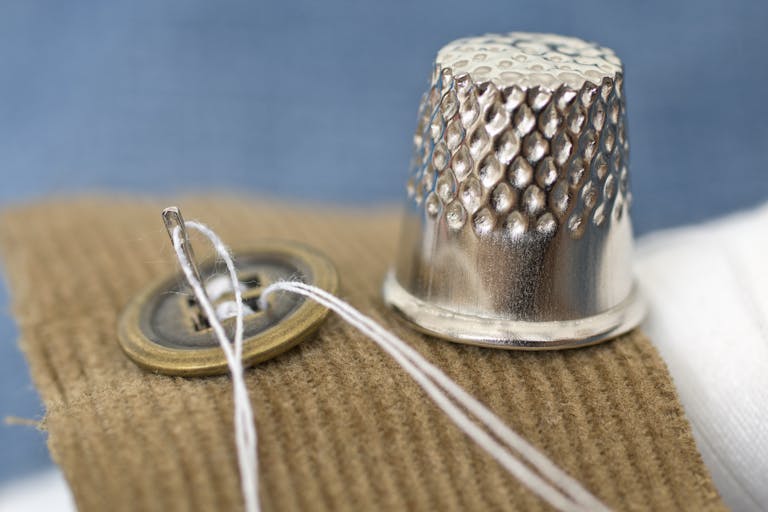
Learning to sew on a button, repair a small seam, condition leather boots, or properly care for quality fabrics can significantly extend the life of everyday items. A torn seam is usually not the end of a garment; it’s often just a five-minute repair masquerading as an expensive shopping trip.
Building a Seasonal Maintenance Routine
One reason maintenance feels overwhelming is that we tend to think about it only when something breaks. A better approach is to build simple, predictable routines into the changing seasons.
Spring
- Clean gutters and inspect roofing for winter damage.
- Check outdoor faucets for freeze damage.
- Test smoke and carbon monoxide detectors (a great habit for Daylight Saving Time).
- Service lawn equipment (oil, spark plugs, and fresh fuel).
Summer
- Monitor cooling systems and change HVAC filters.
- Inspect decks, porches, and outdoor wooden structures.
- Keep garden tools clean and oiled through the peak growing season.
Fall
- Clean gutters again once the leaves have dropped.
- Service heating systems and seal drafts around windows and doors.
- Drain outdoor spigots and hoses before the first hard freeze.
- Test smoke and carbon monoxide detectors a second time.
Winter
- Bring tools indoors to sharpen blades, clean rust, and replace worn parts.
- Condition leather goods, boots, and winter gear.
- Inspect indoor plumbing under sinks for slow, hidden leaks.
- Organize and inventory emergency supplies.
Most maintenance failures don’t happen because people are lazy. They happen because people are busy.
Work gets demanding. Family responsibilities pile up. A small repair gets pushed to next weekend, then next month, and eventually becomes something far more expensive than it needed to be.
That’s why routines matter.
A seasonal maintenance schedule removes the burden of remembering everything. Instead of wondering whether you checked the gutters this year or serviced the lawn mower before storing it away, you simply know when those tasks get done.
Good intentions are helpful, but systems are usually more reliable.
Just as importantly, regular maintenance builds confidence. The more familiar you become with your home, tools, vehicles, and equipment, the more capable you become at spotting problems early. Over time, that awareness saves money, reduces waste, and makes everyday life run more smoothly.
The goal here is not perfection; the goal is consistency. A household that spends a few hours each season on preventative maintenance often avoids dozens of hours of crisis management later.
Maintenance as Stewardship
At its core, maintenance is not really about objects. It is about responsibility.
Every possession represents resources that were used to create it. Materials were extracted, energy was consumed, labor was invested, and money was earned to purchase it. Treating possessions as disposable encourages waste; while maintaining what you own encourages stewardship.
That doesn’t mean keeping everything forever. Some items wear out, some become obsolete, and some simply reach the natural end of their useful life. But there is a meaningful difference between something reaching the end of its life and something being neglected into an early grave.
Modern consumer culture often encourages us to chase upgrades before we’ve cared for what we already own. A more practical approach asks a different question: “Have I been a good steward of what I already have?”
That’s a question worth considering before the next purchase, the next replacement, or the next trip to the store.
Join the Community
Want practical homesteading tips, beginner-friendly guides, and old-fashioned skills that still matter today? Join the Waste Not Want Not Community and get new artivles, helpful resources, and homestead inspiration delivered straight to your inbox.
Final Thoughts
The lost art of maintaining what you own isn’t really lost. Many capable households still practice it every day.
They change the oil before the engine complains. They sharpen the shovel before spring planting. They repair the loose hinge before the cabinet door falls off. None of those actions are dramatic, and most won’t earn compliments on social media. But they save money, reduce waste, and build a household that runs smoothly because someone took the time to pay attention.
If there’s one lesson worth recovering from previous generations, it’s this: Maintaining what you own is almost always cheaper than replacing what you neglected.