Old-Fashioned Skills Every Modern Homemaker Should Know
There is a curious paradox unfolding in modern life.
We enjoy more conveniences than any generation before us, yet many households feel more overwhelmed, financially strained, and less prepared for unexpected disruptions.
A century ago, most families preserved food, repaired clothing, grew a portion of what they ate, and managed a household budget with remarkable precision. They weren’t doing these things because they were hobbyists. They did them because those skills made daily life stable and possible.
Today, many of those abilities have been dismissed as outdated. However, reality has a predictable way of reminding us why certain skills survived for generations:
- Food prices rise unexpectedly.
- Supply chains experience disruptions.
- Appliances break down.
- Unexpected expenses appear at the worst possible time.
Suddenly, the ability to mend a torn seam, preserve a harvest, or create a nutritious meal from basic pantry staples doesn’t seem old-fashioned at all. It looks like resilience.
At Waste Not Want Not Homestead, we believe practical household skills are not relics of the past. They are essential tools for building capable, self-reliant homes today.
Here are eight old-fashioned skills worth learning, practicing, and passing on.
1. Cooking From Basic Ingredients
One of the most valuable household skills is the ability to turn simple, raw ingredients into nourishing meals.
That means moving beyond meal kits and convenience foods and learning how to work with the basics: flour, rice, beans, seasonal vegetables, eggs, and whole meats.
When you know how to cook from scratch, you are no longer dependent on the inventory of a particular grocery aisle or the convenience of a drive-thru. You gain flexibility, reduce food waste, and often lower your grocery bill at the same time.
More importantly, you develop the confidence to feed your family regardless of what circumstances happen to be unfolding around you.
A Note on Reality: This doesn’t mean every meal must be homemade. Nobody receives a medal for baking biscuits while running a fever. The goal is simply understanding how food works so you have the competence to prepare it when it matters most.
Where to start: Master one foundational staple. Learn to bake a simple loaf of bread, simmer a versatile broth, or make a basic tomato sauce from scratch.
2. Meal Planning
For some reason, meal planning has developed a reputation for being complicated and restrictive.
In reality, it is simply deciding what you are going to eat before you are standing in front of the refrigerator at 6:00 PM wondering why nothing is thawed.
Previous generations practiced meal planning out of necessity. They knew what was in the pantry, what needed to be used first, and how to stretch one roast into several different meals.
A little planning removes a surprising amount of daily stress. It is difficult to run an efficient household when every dinner decision is made in a state of mild panic.
Where to start: Don’t try to plan an entire month. Look at your calendar for the next three days, check what needs to be used in your refrigerator, and plan those meals first.
3. Safe Food Preservation
Long before chest freezers and modern grocery stores, families relied on seasonal abundance to carry them through the year. They canned, dried, pickled, fermented, and stored crops for later use.
Modern households benefit from these skills for the same reasons.
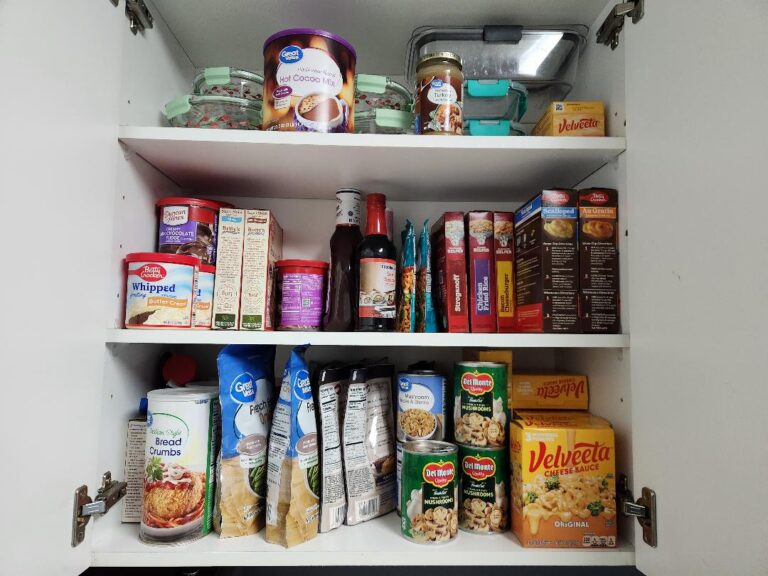
Food preservation allows you to take advantage of sales, prevent garden waste, and build a pantry that provides genuine security. A jar of home-canned green beans may not seem particularly exciting when supermarket shelves are full. During a winter storm or supply disruption, it suddenly becomes far more valuable.
Where to start: Begin with high-acid, beginner-friendly projects such as quick pickles, freezer jam, or water-bath canned jams and jellies.
4. Basic Sewing and Mending
Modern consumer culture often treats repair as an inconvenience and replacement as the default solution.
That mindset becomes expensive very quickly.
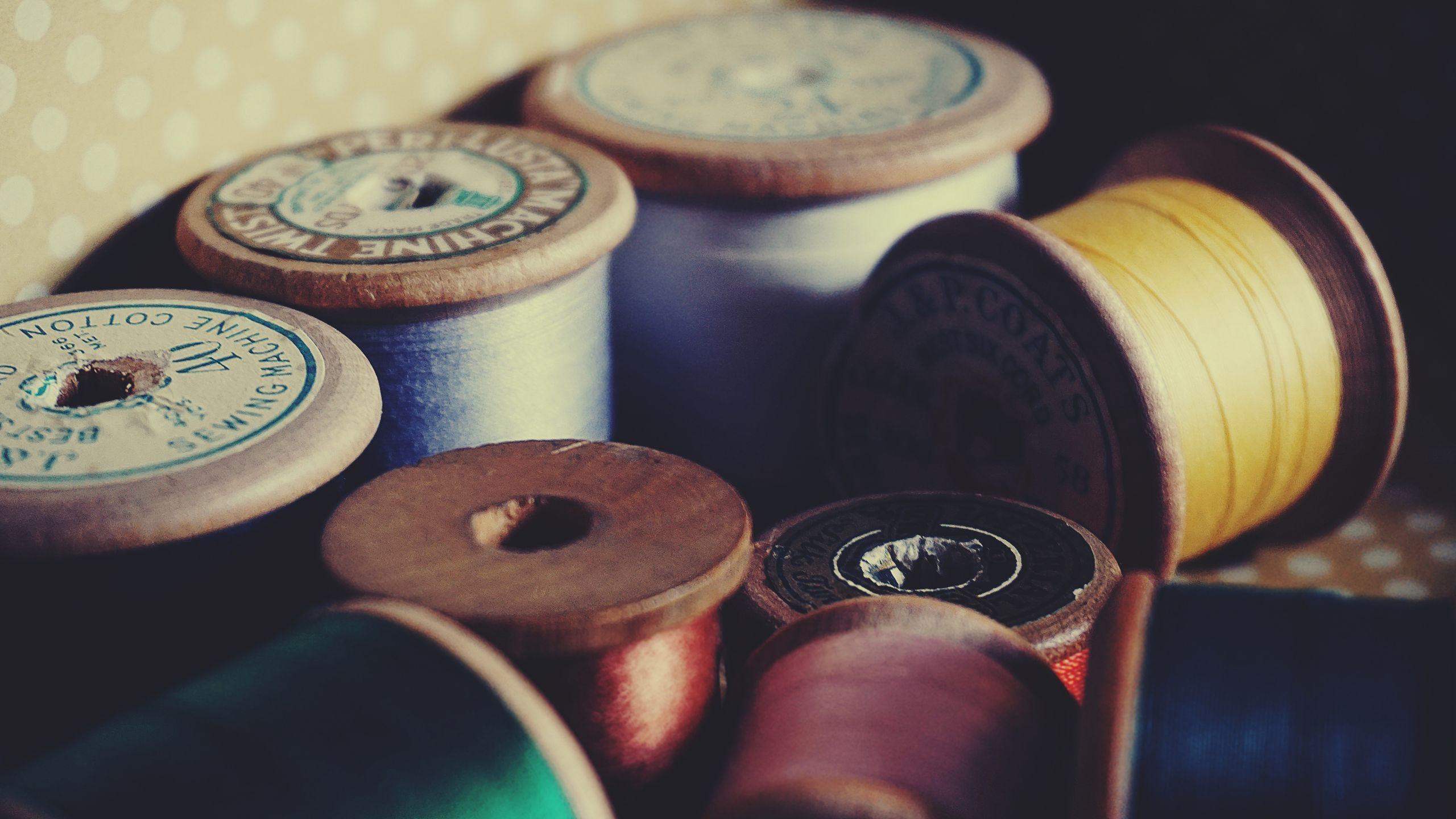
You do not need to become a master tailor to protect your household budget. You simply need enough skill to fix small problems before they require replacing an entire garment.
Basic sewing skills allow you to:
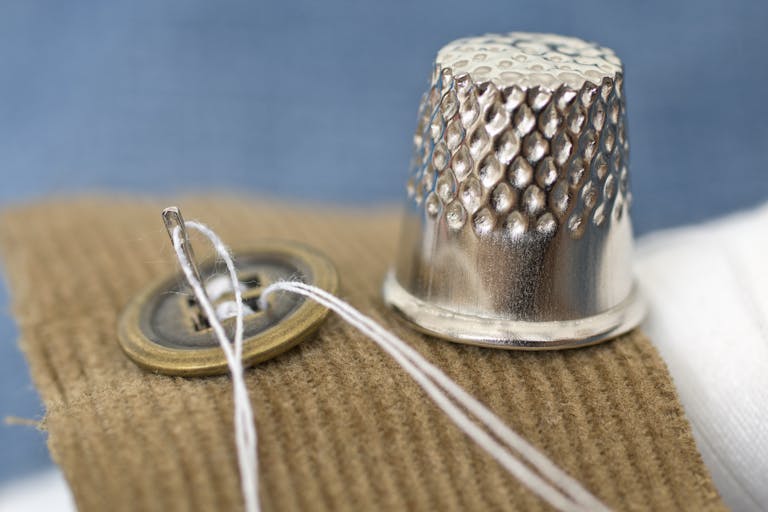
- Replace missing buttons and snaps.
- Repair split seams.
- Patch worn knees.
- Hem clothing for a better fit.
Competence is often less glamorous than shopping, but it tends to save considerably more money.
Where to start: Put together a simple mending kit with needles, thread, and a few spare buttons. Practice by repairing an old shirt that would otherwise be headed for the donation pile.
5. Small-Scale Gardening
A garden teaches lessons that are difficult to learn anywhere else.
Patience.
Observation.
Adaptability.
Humility.
Especially humility.
Nothing reminds a person they are not entirely in control quite like an unexpected frost or a pest that ignores all their carefully laid plans.
Gardening is not an all-or-nothing endeavor. You do not need to grow every vegetable your family eats.
The goal is not immediate self-sufficiency. The goal is capability.
Learning how food grows helps you understand and appreciate what goes into putting a meal on the table.
Where to start: Plant a few culinary herbs in containers or grow a couple of tomato plants. Start small enough to succeed.
6. Keeping a Household Budget
Many households know exactly how much money comes in each month but only have a vague idea of where it actually goes.
Previous generations paid close attention to household finances because they often had no choice. Every dollar had a purpose. Every purchase involved a trade-off.
A household budget is not a financial prison.
It is information.
It tells you whether your spending reflects your priorities.
Without that information, it is difficult to make good decisions.
Where to start: For the next 30 days, change nothing. Simply track every dollar that leaves your household. Awareness is the first step toward improvement.
7. Maintaining What You Own
One of the most overlooked money-saving skills today is simple maintenance.
Our grandparents maintained their possessions because replacing them wasn’t always possible.
Today, replacement is usually possible.
It is simply expensive.
Learning to care for what you own extends its useful life and helps prevent costly repairs later.
This includes skills such as:
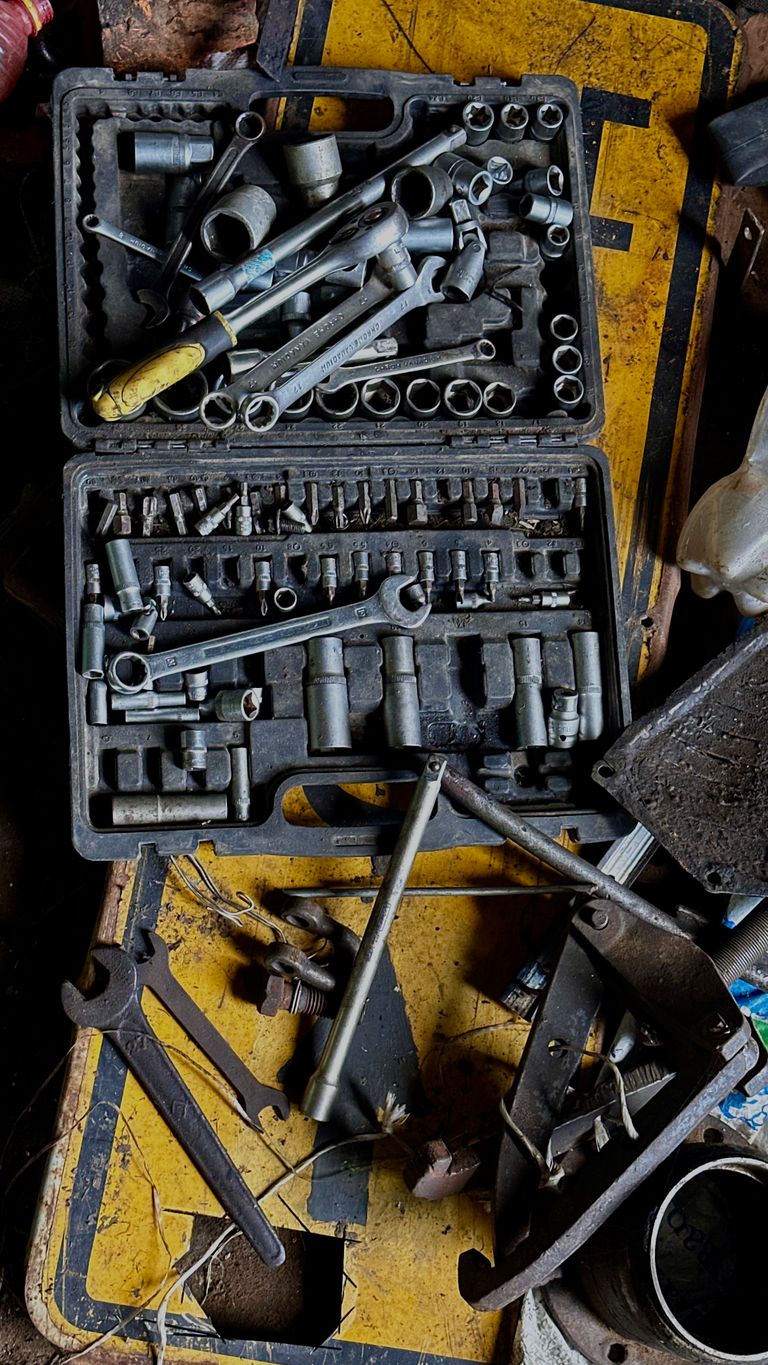
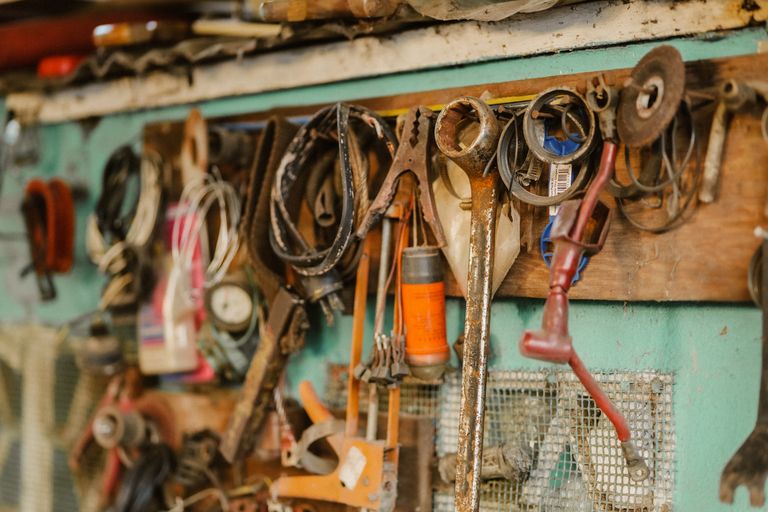
- Sharpening kitchen knives and garden tools.
- Cleaning major appliances.
- Changing HVAC filters.
- Oiling hinges.
- Caring for wood furniture and outdoor equipment.
A surprising number of household expenses begin as neglected maintenance.
Where to start: Look up the maintenance schedule for your washer and dryer and complete the next recommended task this week.
8. Making Do and Using What You Have
This may be the most valuable skill on the entire list.
It is the habit of looking at what you already own before buying something new.
It requires resourcefulness, creativity, and the ability to distinguish between a genuine need and a temporary want.
Many households do not have a shortage of resources.
They have a shortage of noticing what they already possess.
Before making a purchase, pause and ask:
“Can I safely accomplish this with something I already have?”
Often, the answer is yes.
And when the answer is no, at least you are making the purchase thoughtfully rather than impulsively.
Why These Skills Matter Today
Learning old-fashioned skills is not about pretending it is 1925.
Most of us have no interest in hauling water from a well or washing blue jeans on a washboard.
Progress has its place.
The goal is not to reject modern conveniences.
The goal is to avoid becoming completely dependent on them.
Practical skills create options.
Options create resilience.
And resilience creates peace of mind.
A capable household is not built overnight.
It is built one skill at a time:
- One meal cooked from scratch.
- One button sewn back on.
- One garden planted.
- One budget reviewed.
- One item maintained instead of replaced.
These habits rarely look impressive in the moment.
Over time, however, they become the foundation of a home that wastes less, spends less, and depends less on circumstances being perfect.
That is not old-fashioned.
That is simply good stewardship.
Where to Go Next
Building a capable household isn’t about trying to master every skill at once. It starts by choosing one area, learning it well, and then building from there.
If you’re ready to take the next step, these articles will help you turn today’s ideas into practical habits:
- Why Our Grandparents Wasted So Little – Discover the mindset that shaped generations of resourceful households and why those lessons still matter today.
- The Pantry First Method: Shop Your Pantry Before the Grocery Store – Learn a simple system that helps reduce food waste, save money, and make better use of the food you already have.
- Old-Fashioned Kitchen Habits That Save Money Today – Small daily routines can make a remarkable difference in your grocery budget without making life more complicated.
- The Lost Art of Maintaining What You Own – One of the easiest ways to waste less is to make the things you already own last longer.
- Beginner’s Guide to Food Preservation Methods – Ready to start preserving food? This guide introduces the most common preservation methods and helps you decide where to begin.
Remember, capable households aren’t built by learning everything in a weekend. They’re built one practical skill at a time, practiced consistently until it becomes second nature.