Old-Fashioned Kitchen Habits That Save Money Today
Old-fashioned kitchen habits that save money weren’t once considered a special skill. They were simply how households were run.
People didn’t think of themselves as “frugal.” They planned meals before they shopped, cooked what they had, used leftovers without complaint, and took care of the tools that fed their families. They understood something we’ve gradually forgotten: a household doesn’t become expensive all at once. It becomes expensive one small habit at a time.
The opposite is just as true.
Fortunately, the habits that quietly increase a grocery bill are often the very habits that can quietly bring it back under control.
A capable kitchen isn’t built through expensive gadgets or the latest organizing trend. It’s built through ordinary habits repeated consistently. None of them are glamorous, but together they can save hundreds—sometimes thousands—of dollars each year while making everyday life easier.
Here are ten old-fashioned kitchen habits that still deserve a place in a modern home.
1. Shop Your Pantry Before the Grocery Store
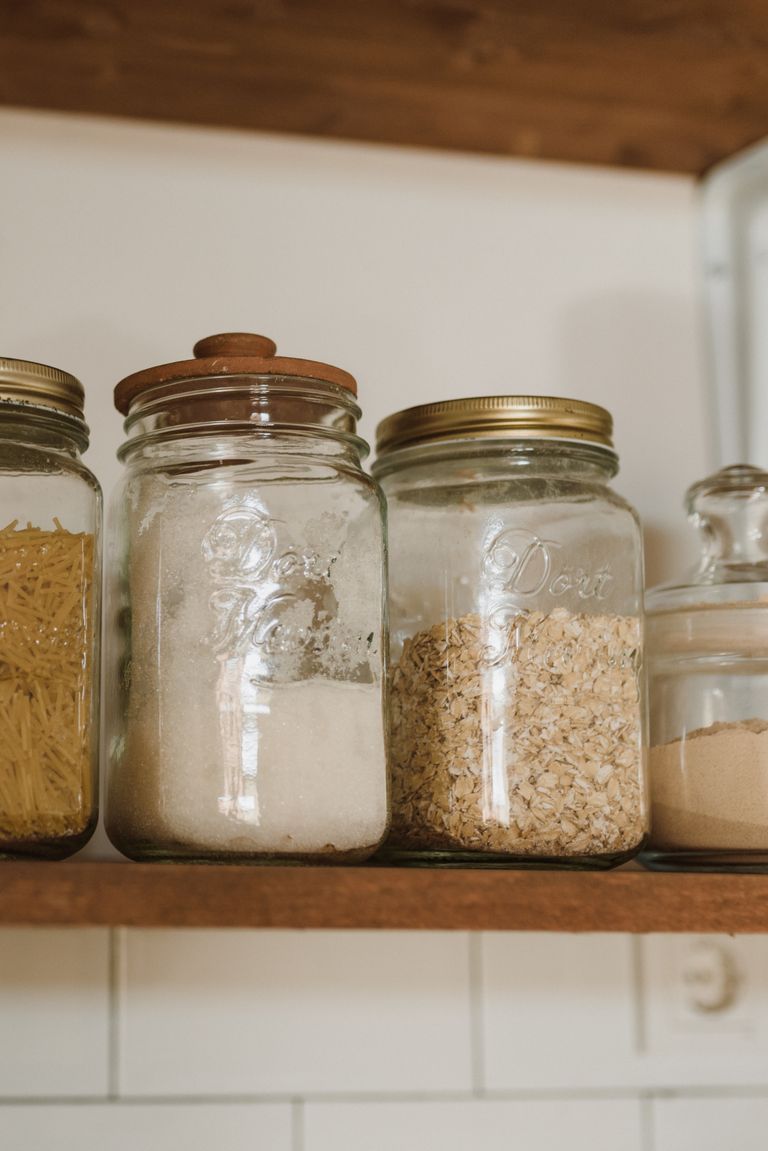
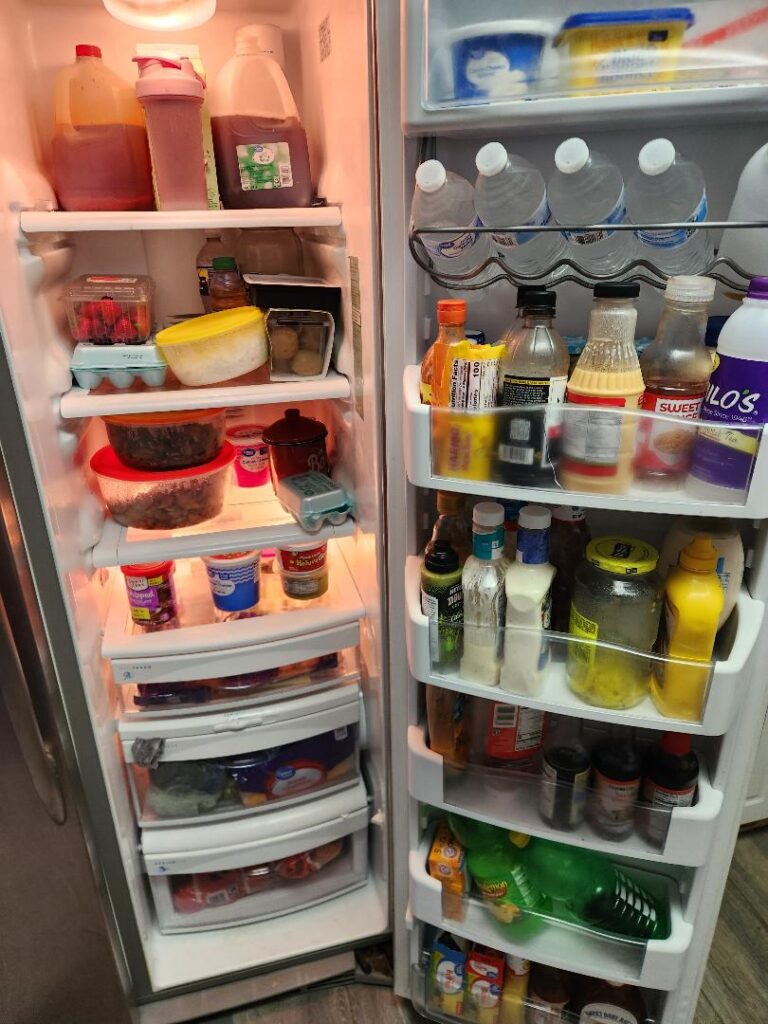
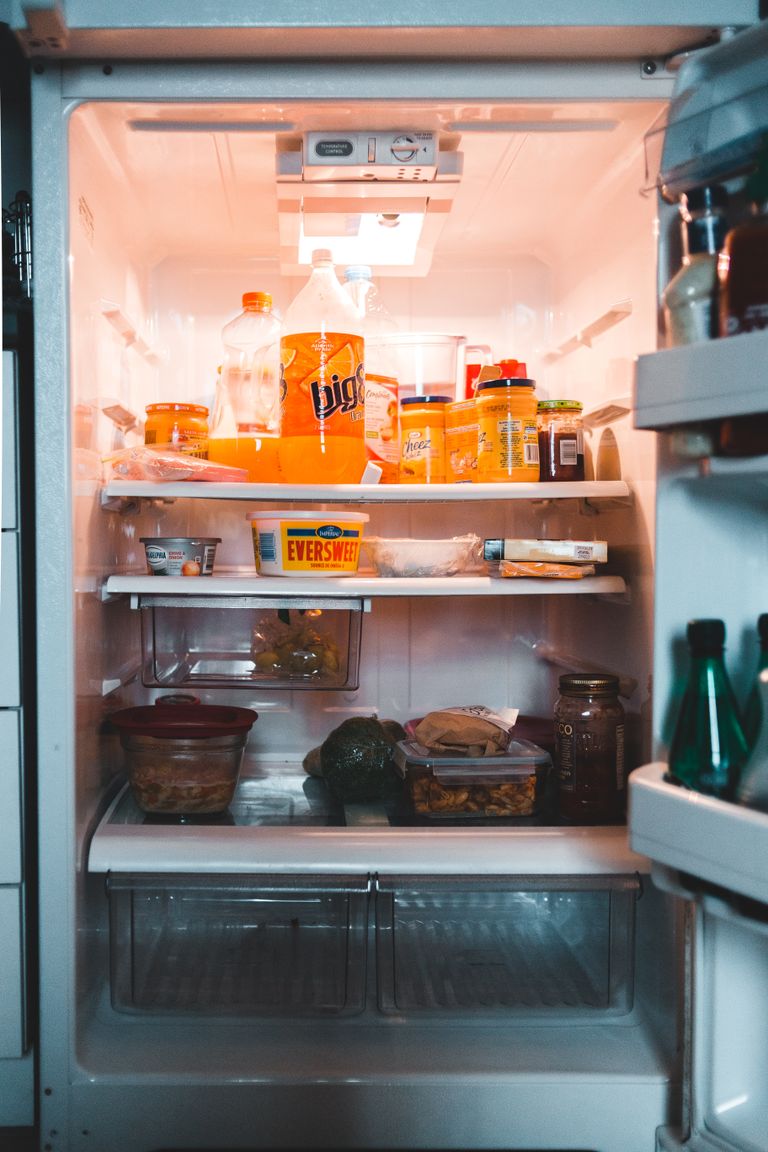
Before earlier generations made a shopping list, they looked in the pantry, refrigerator, and freezer first.
That simple habit prevented buying duplicates and helped use ingredients before they expired. Today it’s easy to forget what’s tucked behind newer purchases, which often leads to unnecessary grocery bills and food waste.
Before every grocery trip, spend five minutes checking what you already own. Build your meals around those ingredients first, then buy only what fills the gaps.
It isn’t about depriving yourself. It’s about respecting the food you’ve already paid for.
2. Cook More Than One Meal at a Time
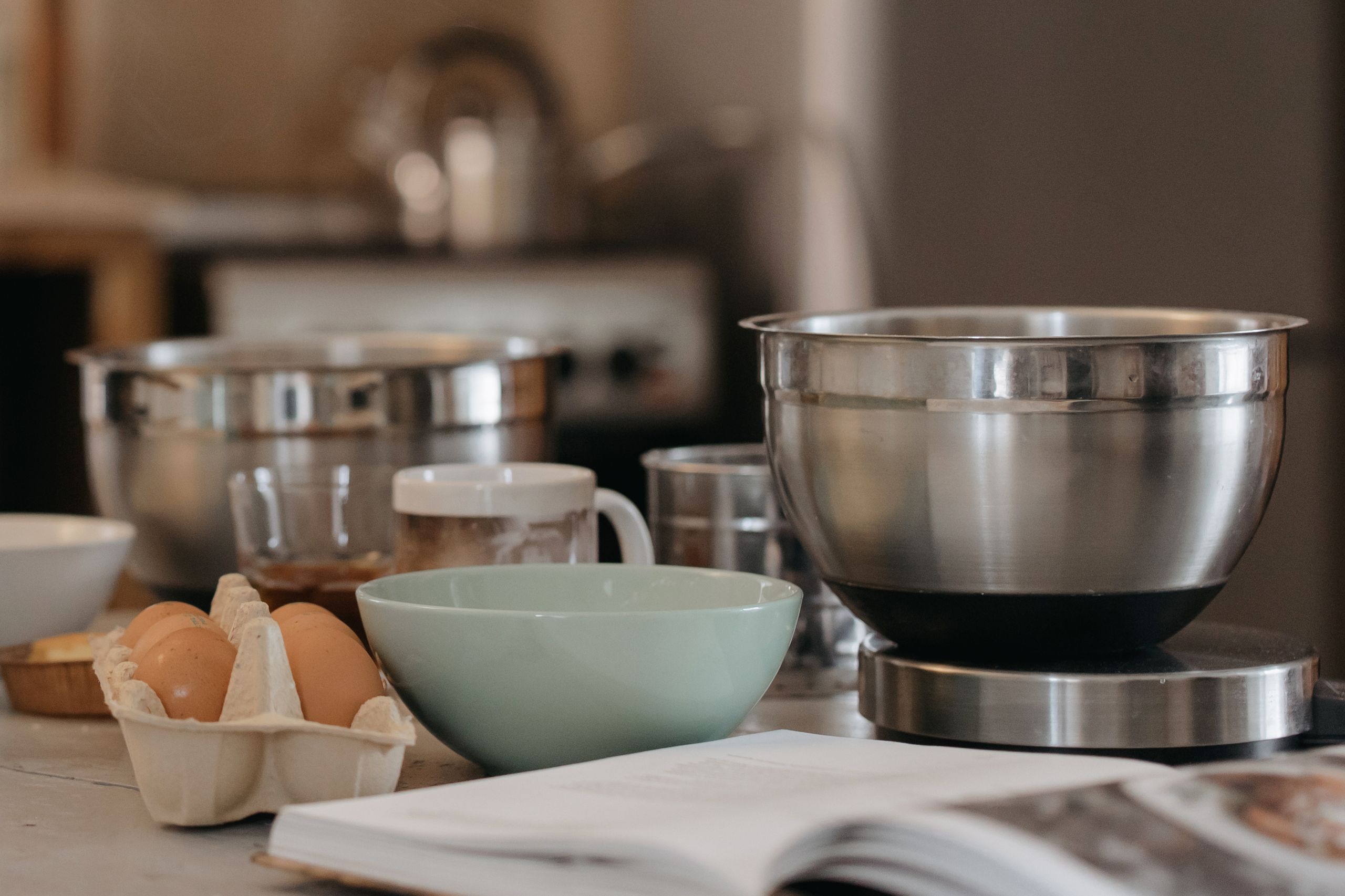
Turning on an oven or standing over the stove takes nearly the same amount of effort whether you’re making one meal or three.
Whenever possible, cook extra chicken, brown extra ground beef, roast additional vegetables, or make a larger pot of soup. Those leftovers become tomorrow’s lunch or the beginning of another dinner later in the week.
Convenience foods are expensive because you’re paying someone else to prepare them.
Your own leftovers are just as convenient—and they usually taste better.
Better yet, you’ve already spent the time and energy preparing that meal. Using that effort twice instead of once is simply good stewardship.
3. Keep a Leftover Plan
Leftovers don’t save money simply because they exist. They save money because someone actually eats them.
A container shoved behind the milk until it grows mold isn’t being economical—it’s simply delaying the trip to the trash can.
Get into the habit of deciding what leftovers will become before you even put them away. Last night’s roast chicken might become chicken salad, tacos, soup, or pasta tomorrow.
A little planning keeps good food from quietly disappearing.
4. Learn Basic Knife Skills
One overlooked kitchen habit is learning to prepare whole ingredients yourself.
Buying pre-cut fruit, shredded cheese, chopped onions, or sliced vegetables may save a few minutes, but you usually pay a significant markup for someone else to do simple work.
A sharp knife and a little practice can save money every single grocery trip. As an added benefit, whole produce generally stays fresh longer than pre-cut versions.
It may seem backward, but a sharp knife is actually safer than a dull one. Sharp blades require less force and are less likely to slip, making food preparation both easier and safer.
5. Make Water Your Default Drink at Home
Many households spend hundreds of dollars each year on soft drinks, bottled beverages, flavored waters, and specialty coffees.
There’s certainly nothing wrong with enjoying those occasionally. But making them the everyday expectation quietly drains the grocery budget.
Keeping a pitcher of cold water in the refrigerator—or brewing tea or coffee at home—costs far less than stocking multiple drinks for every meal.
Sometimes the cheapest habit is simply deciding that ordinary is good enough.
6. Take Care of Your Kitchen Equipment
Our grandparents expected their tools to last.
They sharpened knives, seasoned cast iron, replaced worn handles, cleaned coffee makers, and maintained appliances before they became problems. Today we’re often encouraged to replace things instead.
Maintenance almost always costs less than replacement. A well-cared-for skillet, quality knife, or stand mixer can serve a household for decades.
We maintain our homes because replacing them would be expensive. Kitchen tools deserve the same thinking. Taking care of what already serves you is almost always cheaper than buying something new.
7. Save Ingredients That Still Have Value
Many ingredients get thrown away simply because we’ve forgotten how useful they are.
- Parmesan rinds add deep flavor to soups.
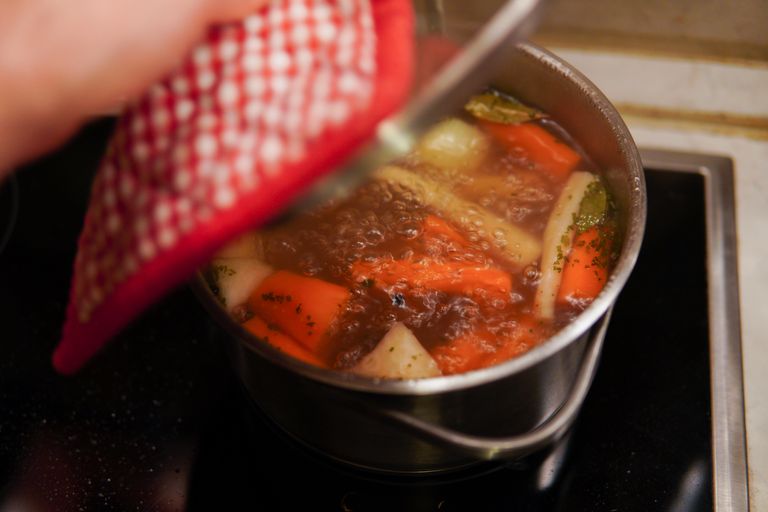
- Vegetable scraps can be frozen and boiled into homemade broth.
- Stale bread easily becomes croutons or breadcrumbs.
- Bacon grease can be saved in a jar for flavorful cooking later.
None of these habits require extreme frugality. They simply require noticing value before throwing it away.
Waste often begins with overlooking possibilities.
8. Cook From Basic Ingredients More Often
Convenience has its place. There are seasons when frozen meals or prepared foods help families get through difficult weeks, and there’s no shame in that.
But when every meal comes from a package, grocery costs climb quickly.
Learning to prepare simple meals from rice, beans, potatoes, vegetables, eggs, flour, and inexpensive cuts of meat stretches a budget farther than almost any coupon ever will.
Basic cooking skills never go out of style.
9. Clean as You Go
Cleaning while you cook might not seem like a money-saving habit, but it supports every other good habit in the kitchen.
When the kitchen stays manageable, you’re more likely to cook tomorrow instead of ordering takeout because the sink is already overflowing.
Small routines remove small obstacles.
Sometimes the biggest savings come from making the right choice the easiest choice.
10. Respect Food as a Household Resource
Perhaps the most valuable old-fashioned habit wasn’t a recipe or a cooking technique.
It was an attitude.
Food represented work. Someone planted it, harvested it, transported it, stocked it, purchased it, prepared it, and served it. Every loaf of bread, every carton of eggs, every pound of vegetables required time, labor, and money before it reached your kitchen.
Treating food as disposable ignores all of that effort.
Respect doesn’t mean never wasting a single bite. Every household occasionally loses food to forgotten leftovers or produce that spoiled sooner than expected. It simply means paying attention.
Because households built on stewardship rarely become wasteful by accident.
Small Habits Build Strong Households
People often look for one dramatic way to reduce their grocery bill.
More often than not, the answer isn’t one big change.
It’s twenty small ones.
- Planning meals before shopping.
- Cooking from scratch more often.
- Using leftovers intentionally.
- Maintaining kitchen tools.
- Buying with purpose.
None of these habits will make headlines, but together they create a kitchen that runs more smoothly, wastes less, and costs less to operate.
That may not be exciting, but competence rarely is.
It’s simply reliable.
A capable household isn’t built in one weekend any more than an expensive one is. Both are built the same way: one habit at a time. The difference is that these habits keep paying you back.
Pick just one of these habits to practice this week. You don’t have to overhaul your kitchen overnight; you just have to start paying attention.
Where to Go Next
Good kitchen habits save money, but they work even better when your pantry is organized to support them.
Next, read How to Organize a Pantry So Food Doesn’t Go to Waste, where you’ll learn how to arrange your pantry, rotate older foods first, and build a system that makes it easier to use what you already have before buying more.
Join the Porch Sitters
A house becomes a home through the small things we choose to learn, make, repair, grow, and pass along. Those skills don’t disappear overnight, and they won’t return overnight either. They come back one season, once project, and one meal at a time.
That’s what the Porch Sitters are all about.
Each edition of The Front Porch brings practical homesteading skills, seasonal guidance, thoughtful encouragement, and new resources to help you build a more capable household. No clutter. No chasing every trend. Just timeless knowledge that still has a place in modern life.
If that sounds like the kind of home you’re building, we’d be glad to save you a seat.
Rediscover the skills that turn a house into a home.