Your First Garden: Start Small Win Early
One of the biggest mistakes new gardeners make has nothing to do with watering, fertilizer, or choosing the wrong plants.
They simply start too big.
It’s easy to understand why. We see beautiful gardens overflowing with vegetables, flowers, and neatly arranged raised beds. We imagine baskets of tomatoes, rows of corn, and enough fresh produce to share with friends and neighbors.
Then reality arrives.
The weeds start growing faster than the vegetables. The weather doesn’t cooperate. Something discovers your plants before you do. Life gets busy, and a few days pass without watering.
Before long, what began with excitement starts to feel overwhelming.
Here’s a little secret:
Most successful gardeners didn’t begin with a large garden. They began with one plant, one container, or one small bed. They learned a little each season, built on those successes, and gradually created the beautiful gardens you admire today.
Forget the Perfect Garden
Your goal this year isn’t to grow everything your family eats.
Your goal is to grow something.
- Not enough tomatoes to fill the pantry.
- Not enough potatoes to last all winter.
- Not enough vegetables to feed the neighborhood.
Just something.
Because your first harvest isn’t really about the food—it’s about proving to yourself that you can do it.
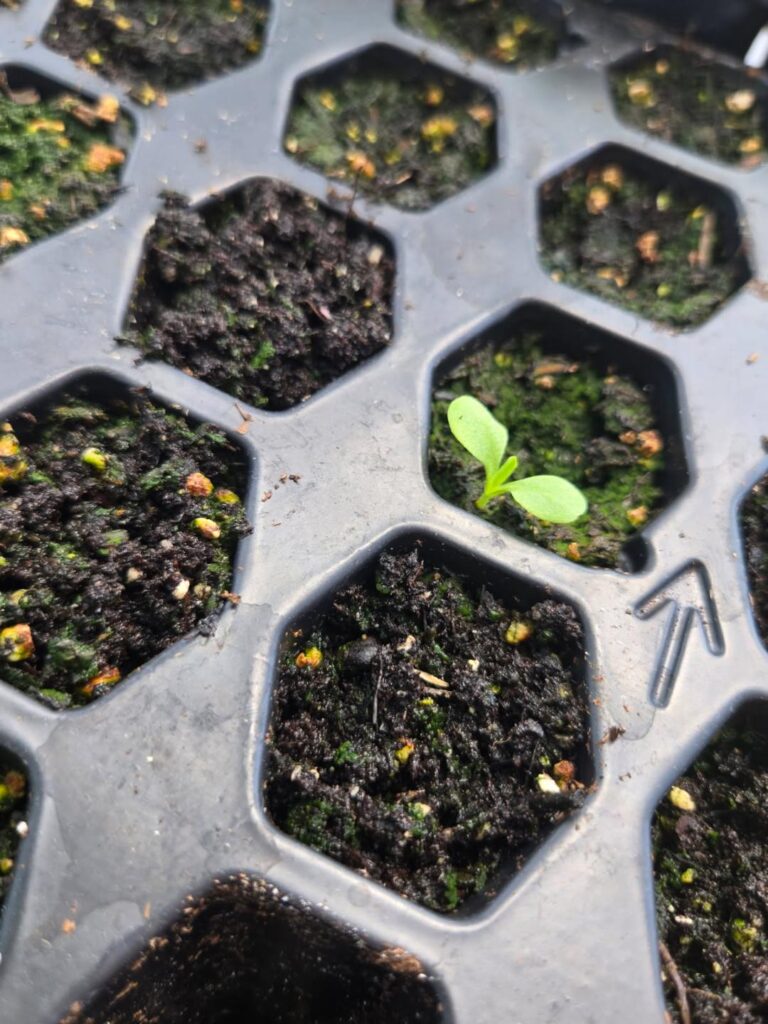
Once you’ve watched a seed sprout, cared for a plant through changing weather, and harvested something with your own hands, gardening stops feeling intimidating. It becomes something you’re capable of doing.
That’s how confidence grows—one successful season at a time.
Start With the Space You Already Have
One of the biggest myths about gardening is that you need acreage.
You don’t.
You need a place that receives at least six to eight hours of sunlight for most vegetables, a willingness to learn, and a little patience.
If You Have a Sunny Windowsill
A sunny window is enough to begin. Herbs grow well in containers and reward you with frequent harvests while teaching the basics of watering and plant care.
- Basil
- Chives
- Parsley
- Green onions
- Mint (keep mint in its own container because it spreads aggressively!)
If You Have a Porch or Balcony
Containers make excellent first gardens. They’re easier to manage, require less weeding, and let you move plants into the best sunlight as the seasons change.
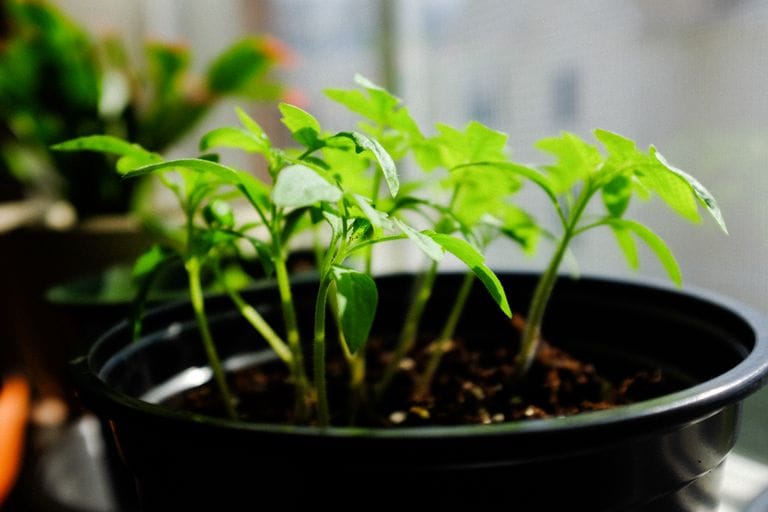
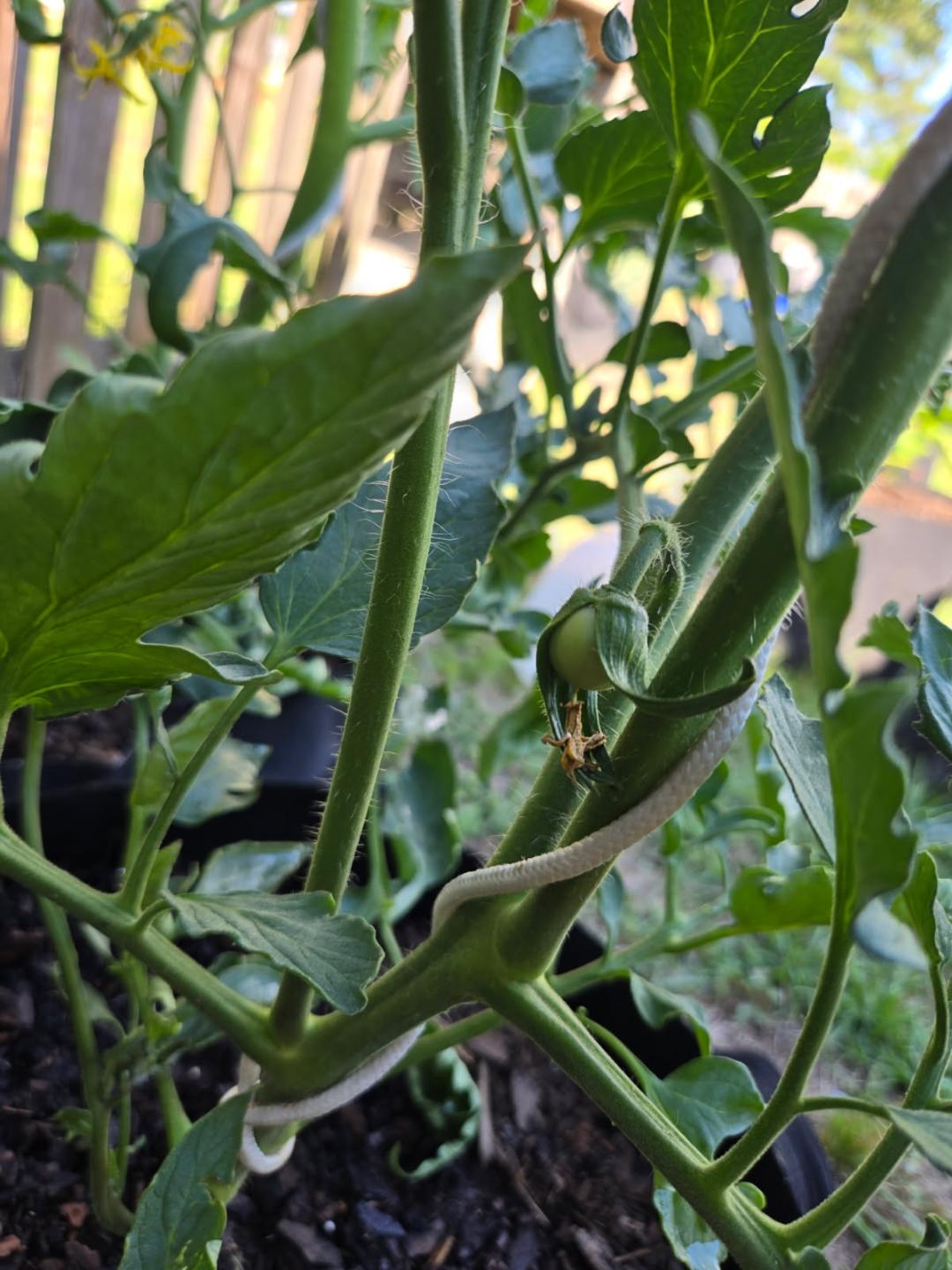
- Cherry tomatoes
- Peppers
- Leaf lettuce
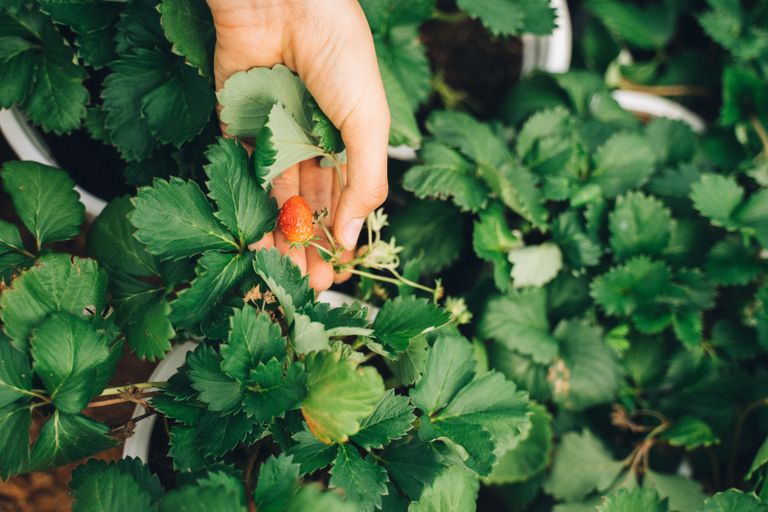
- Strawberries
If You Have a Small Yard
Start with one raised bed or one small planting area.
- One bed is easier to water.
- One bed is easier to weed.
- One bed is easier to improve if your soil needs work.
Most importantly, one bed lets you learn without feeling overwhelmed. You can always make your growing space bigger next season.
Choose Plants That Help You Succeed
When you’re just getting started, confidence matters. Choose crops that are forgiving and likely to reward your efforts.
| Crop | Why It’s a Great Beginner Choice |
|---|---|
| Radishes | Ready to harvest in about 3 to 4 weeks, making them one of the quickest vegetables to grow. |
| Leaf Lettuce | Harvest the outer leaves while the plant continues producing more. |
| Green Onions | Store-bought roots often regrow with little effort in water or soil. |
| Basil & Herbs | Productive, easy to grow, and surprisingly expensive to buy fresh at the grocery store. |
| Cherry Tomatoes | More reliable and productive for beginners than large slicing tomatoes. |
Could you start with more challenging crops?
Absolutely.
But there’s plenty of time for difficult plants later.
Right now, you’re building confidence one success at a time.
A Simple First Garden Plan
If you’re not sure where to begin, here’s a simple garden that’s manageable for most beginners:
- One cherry tomato plant
- One basil plant
- One pepper plant
- A container of leaf lettuce
This combination gives you a mix of herbs, leafy greens, and fruiting vegetables while teaching several important gardening skills, including watering, harvesting, pruning, and spotting problems early. It’s enough to learn a lot without becoming overwhelming.
By the end of the season, you’ll have learned far more than you could by reading about gardening alone.
Expect to Make Mistakes
Every gardener makes mistakes. Plants die. Seeds fail to sprout. Sometimes you’ll overwater, and sometimes you’ll forget to water altogether. Sometimes insects win.
That’s all part of learning.
Remember my cactus confession from last time? If I can accidentally lose a plant famous for surviving neglect and still keep gardening, you can absolutely recover from a few beginner mistakes.
The Takeaway: Failure isn’t proof that you’re bad at gardening. It’s proof that you’re gardening.
Observation Will Teach You More Than Shopping
Modern gardening often feels like an endless list of products you supposedly need: special fertilizers, designer soil mixes, expensive tools, and high-tech gadgets.
Some of those products can certainly make gardening easier, but none of them replace the skill that generations of gardeners depended on most: observation.
- Pay attention to your plants.
- Notice how quickly the soil dries after a hot day.
- Watch where the afternoon sun reaches your growing space.
- Look for leaves that begin changing color, unusual spots, or signs of insect damage.
- Notice whether the soil stays soggy or dries out faster than expected.
- Watch which plants seem to thrive and which ones struggle.
Your plants are constantly telling you what they need if you take the time to look. Those lessons are worth far more than the latest gardening gadget.
Celebrate the Small Harvests
The first basil leaf.
The first strawberry.
The first cherry tomato.
The first handful of lettuce.
They may seem small, but every gardener remembers those moments because that first harvest represents something much bigger than a meal.
You planted something.
You cared for it.
You learned from it.
And you turned a tiny seed into food.
For generations, families depended on those skills every single day. Today, learning them connects us to that tradition while helping us become more capable caretakers of our homes and gardens.
Stewardship Starts Small
At Waste Not Want Not Homestead, we believe gardening isn’t about growing everything yourself. It’s about becoming a little more capable each season.
- Every seed teaches patience.
- Every season teaches something.
- Every success builds confidence.
- Even the disappointments leave you knowing more than you did when you started.
That’s stewardship. It’s choosing to learn, improve, and care for what you’ve been given—one season at a time.
Your First Garden Starts Today
If you’ve been waiting until you knew more, had more space, had better soil, or finally bought all the right equipment… consider this your reminder to stop waiting.
Gardening isn’t something you master before you begin. It’s something you learn by doing.
- Start with one plant.
- Choose one small space.
- Plant one seed.
You don’t need a perfect garden. You don’t need acres of land. You don’t need years of experience. You simply need a place to begin.
Every experienced gardener was once standing exactly where you are now—wondering if they could do it. The difference is they planted that first seed.
Now it’s your turn.
Join the Community
Want practical homesteading tips, beginner-friendly guides, and old-fashioned skills that still matter today? Join the Waste Not Want Not Community and get new articles, helpful resources, and homestead inspiration delivered straight to your inbox.