Beginner’s Guide to Refrigerator Pickling
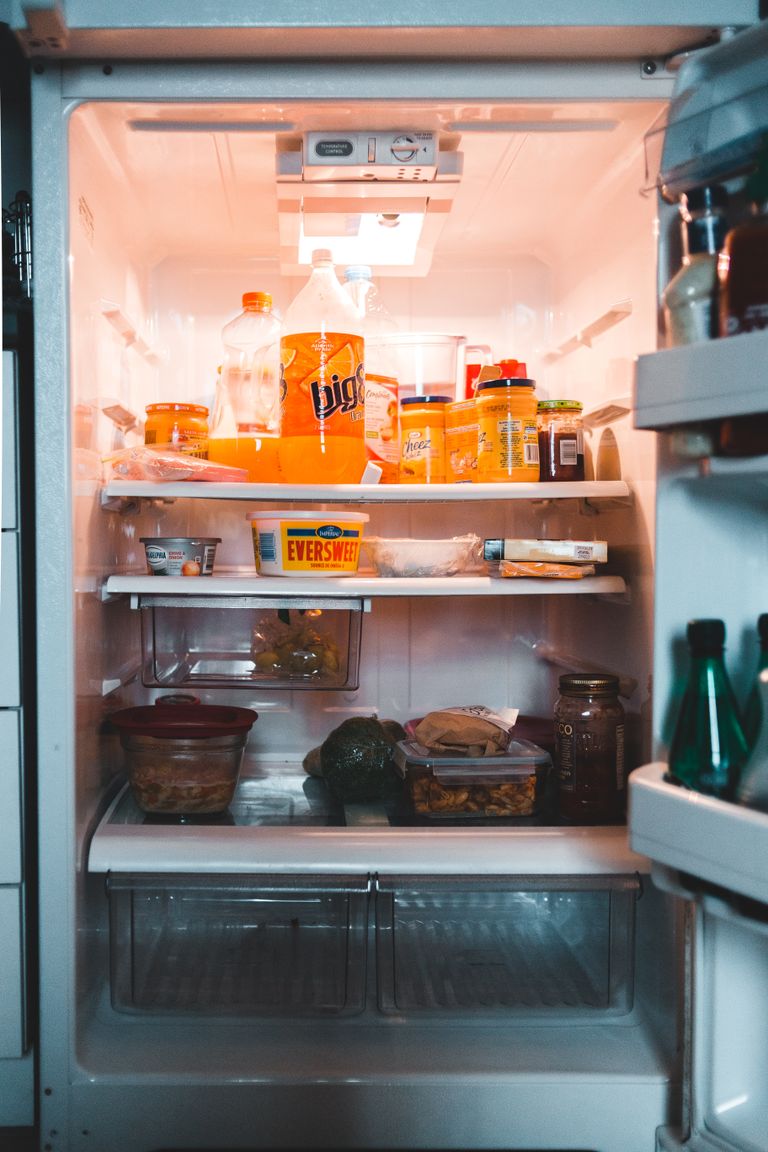
Have you ever opened your refrigerator and realized the vegetables you meant to use are already beginning to soften?
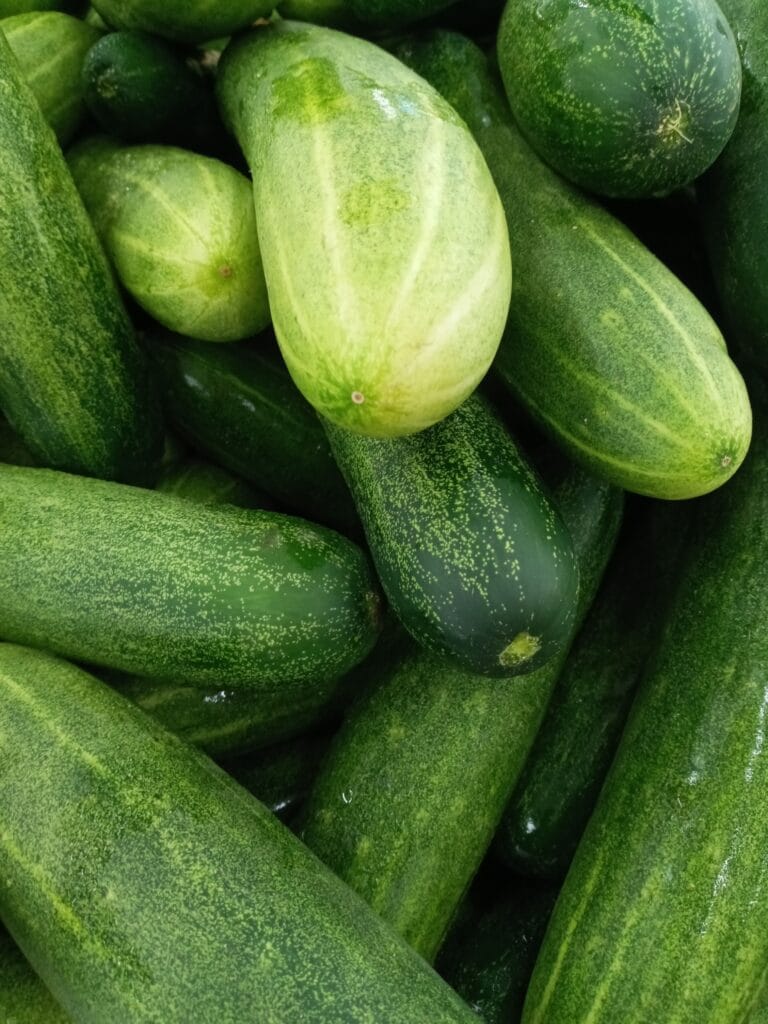
It happens to all of us. A few extra cucumbers from the garden. A bundle of radishes from the farmers market. Half an onion left over from dinner. Good food has a way of piling up faster than we expect.
Refrigerator pickling is one of the simplest ways to preserve fresh vegetables before they go to waste. Unlike traditional canning, there’s no pressure canner to learn, no boiling water bath to prepare, and no special equipment beyond a clean jar and a refrigerator. Fresh vegetables are packed into a vinegar brine, chilled, and left to develop flavor over the following day or two.
If you’re new to preserving food, this is an approachable place to begin. It works well for small harvests and helps you make the most of fresh vegetables throughout the growing season—though it’s worth knowing upfront that it’s a short-term method, not a substitute for canning if you want jars that last on a pantry shelf for months.
What Is Refrigerator Pickling?
Refrigerator pickling is a method of preserving vegetables in a vinegar-based brine while keeping them continuously refrigerated. Unlike canned pickles, refrigerator pickles are never processed to become shelf-stable—they rely entirely on cold temperatures to stay safe to eat.
Because the vegetables skip the high heat used in canning, they keep a crisp texture and a bright, fresh flavor. The tradeoff is that they’re meant to be eaten within a few weeks, not stored for months. That makes this method a great fit for gardeners and home cooks who want to preserve small batches as they harvest, rather than putting up a whole season’s worth at once.
Why Learn Refrigerator Pickling?
One of the biggest challenges in a garden isn’t growing vegetables—it’s keeping up with them once they’re ready.
One week you’re wishing your cucumber vines would produce faster.
The next, you’re wondering what to do with a dozen cucumbers before they spoil.
Refrigerator pickling gives you a practical way to save vegetables as they come in. You don’t need a big harvest to justify an afternoon of canning—one jar today and another next week works just fine.
Along the way, you’ll also:
- Reduce food waste
- Extend the life of fresh vegetables
- Save money by using what you’ve already grown or purchased
- Create homemade flavors you won’t find at the grocery store
- Build confidence before trying longer-term preservation methods
What Vegetables Can You Refrigerator Pickle?
Cucumbers may be the classic choice, but they’re only the beginning. Many firm vegetables pickle beautifully, including:
- Cucumbers
- Carrots
- Radishes
- Green beans
- Red or white onions
- Cauliflower
- Bell peppers
- Jalapeños
- Asparagus
- Beets
Each vegetable develops its own texture and flavor, so this is a great way to experiment with whatever’s in season.
Note
Denser vegetables, such as beets and cauliflower, often need a little longer in the brine to develop their best flavor than something like sliced cucumbers.
What You’ll Need
One reason refrigerator pickling is so beginner-friendly is that the equipment list is short. Gather:
- Clean glass jars with tight-fitting lids
- White vinegar or apple cider vinegar (standard 5% acidity)
- Water
- Pickling salt or kosher salt
- Fresh vegetables
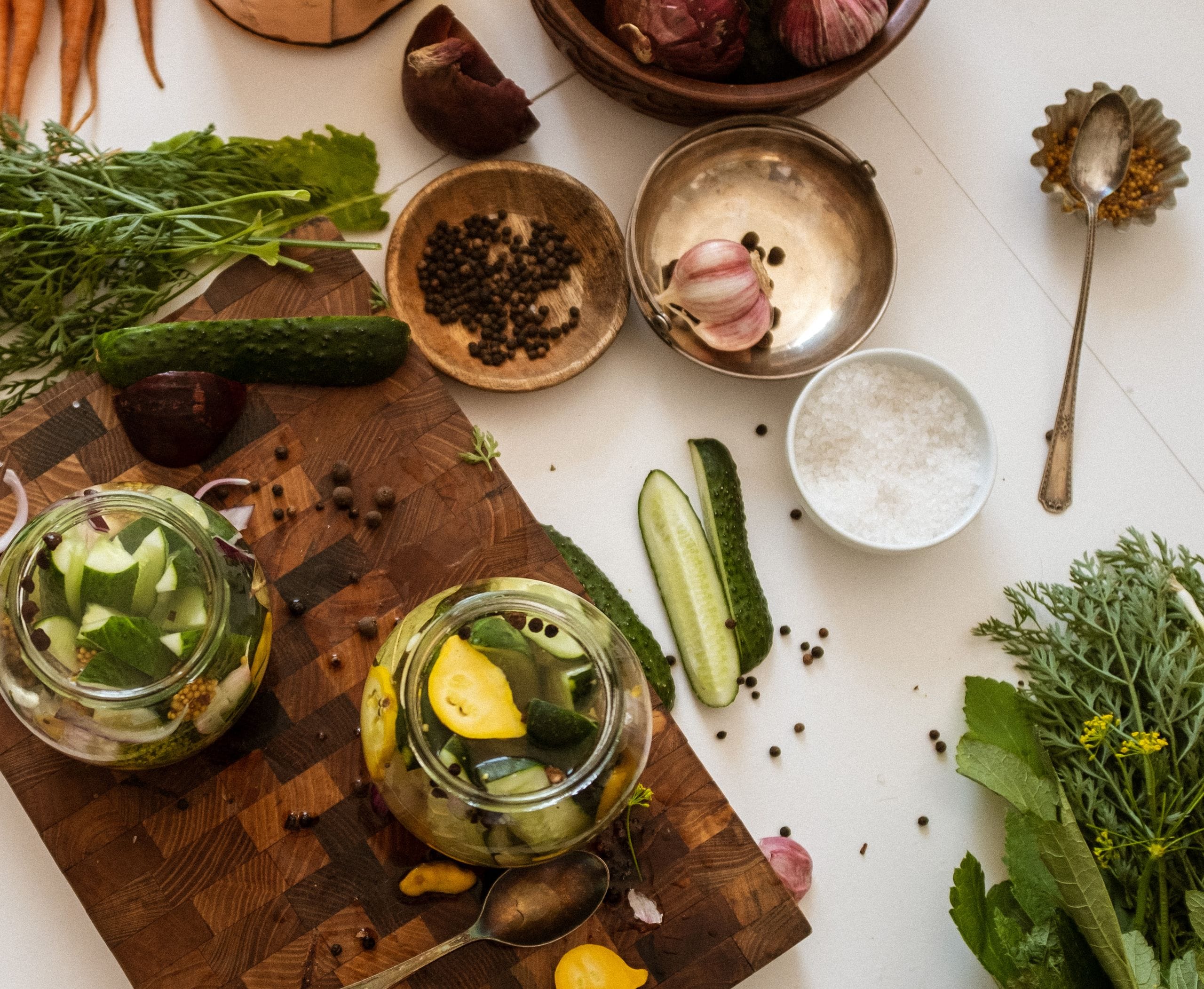
- Herbs and spices such as dill, garlic, peppercorns, mustard seed, or red pepper flakes
A Basic Brine Ratio
Recipes vary, but many refrigerator pickle recipes begin with a simple 1:1 ratio of 5% acidity vinegar to water, along with salt and, if desired, a small amount of sugar for a sweeter flavor.
How It Works
The combination of an acidic vinegar brine and continuous refrigeration helps keep refrigerator pickles safe for short-term storage while allowing the vegetables to absorb the flavors of the herbs and spices.
The transformation isn’t instant. Most refrigerator pickles start developing good flavor after about 24 hours, but they’re often even better after two or three days. Patience pays off here.
Basic Steps
Every recipe is a little different, but the overall process stays much the same:
- Wash and prepare the vegetables.
- Slice into spears, chips, or coins, depending on how you plan to use them.
- Pack tightly into clean jars.
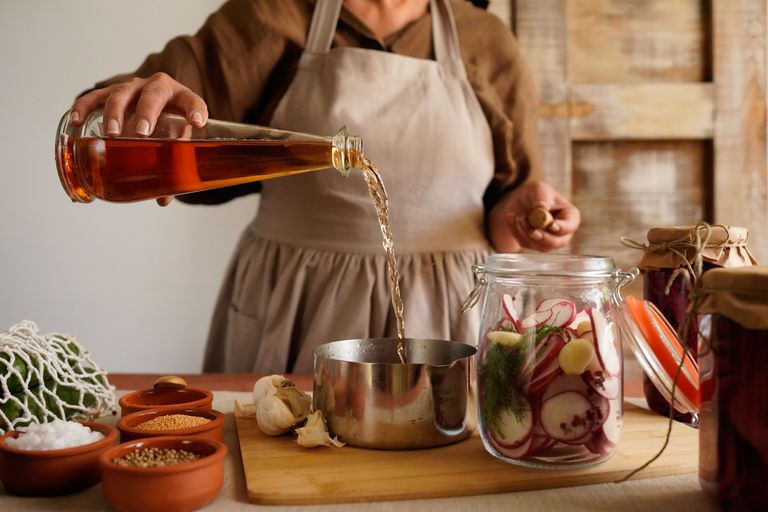
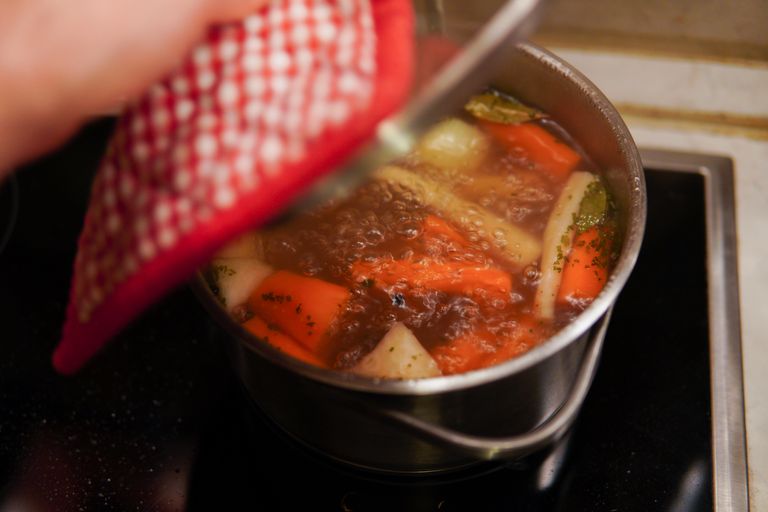
- Heat the liquid, salt, and spices together until dissolved.
- Pour the hot brine over the vegetables, making sure they’re fully submerged.
- Let the jars cool to room temperature.
- Seal and refrigerate until ready to enjoy.
Common Beginner Mistakes
A few simple habits will help you get the best results.
Starting with vegetables that are past their prime
Fresh, firm vegetables produce the best flavor and texture—pickling won’t rescue produce that’s already gone soft or wrinkled.
Forgetting they must stay refrigerated
These pickles are not shelf-stable. Keep them cold except when serving.
Using the wrong salt
Pickling salt or kosher salt dissolves cleanly without the anti-caking additives or iodine found in many table salts, which can cloud the brine and slightly affect the flavor.
Not giving them enough time
Freshly packed vegetables won’t taste like finished pickles right away. Give them at least a full day before judging the results.
Reusing old brine
Always make a fresh batch. Used brine has been diluted by moisture from the vegetables and may no longer have the same flavor or acidity as when it was first prepared.
How Long Do Refrigerator Pickles Last?
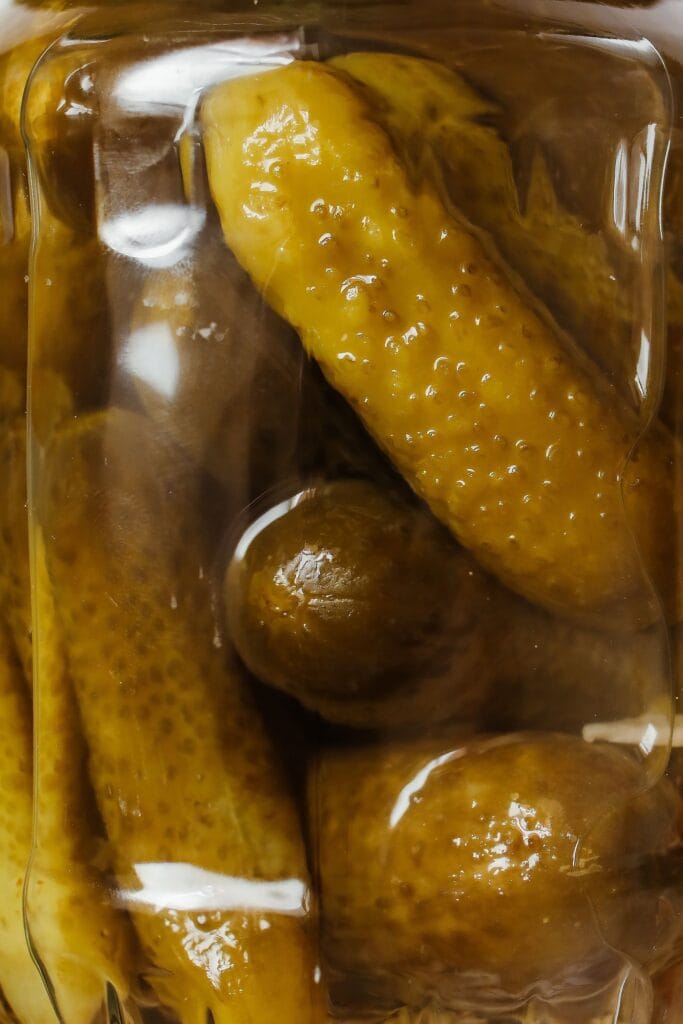
Most refrigerator pickles hold their best quality for about three to four weeks when kept refrigerated. Use a clean utensil each time you remove vegetables from the jar, keep the lid tightly sealed, and discard the batch if you notice mold, unpleasant odors, sliminess, or any other obvious signs of spoilage.
Is Refrigerator Pickling Right for You?
If your garden produces vegetables a little at a time instead of all at once, this may become one of your favorite kitchen habits. It suits cooks with small harvests, busy schedules, or limited storage space—no full day over a boiling pot required, just a clean jar and the willingness to use what you already have.
Final Thoughts
Learning to preserve food doesn’t have to start with complicated equipment or years of experience. Refrigerator pickling is accessible, practical, and rewarding almost immediately. Whether you’re harvesting from your own backyard, shopping at a farmers market, or rescuing what’s already wilting in your crisper drawer, it’s an excellent place to begin.
One jar of vegetables saved from the trash may seem like a small thing, but homesteading has always been built on small choices made consistently. Refrigerator pickling is one more traditional skill that helps you make the most of what you’ve been given—one jar, one harvest, and one season at a time.
Frequently Asked Questions
Do refrigerator pickles need sterilized jars?
No. Since these pickles are stored in the refrigerator rather than on a pantry shelf, sterilizing isn’t necessary the way it is for traditional canning. Washing jars, lids, and utensils thoroughly in hot, soapy water is enough.
Are refrigerator pickles as safe as canned pickles?
Yes, when they’re made with a reliable recipe and kept continuously refrigerated. The key difference is shelf life: refrigerator pickles should never be stored at room temperature and are best enjoyed within three to four weeks.
Can I speed up how quickly they’re ready?
Not really. The flavor develops through time and refrigeration, so there isn’t a true shortcut. Thinner slices, such as pickle chips, absorb the brine more quickly than thick spears or whole vegetables, so they’ll taste pickled sooner. The tradeoff is that they also tend to soften more quickly, while thicker cuts usually stay crisp longer.
Can I reuse the jars for another batch?
Absolutely. Glass jars can be reused many times as long as they’re cleaned thoroughly and checked for chips or cracks. If a lid is bent, cracked, or no longer seals tightly, replace it before making another batch.
Why are my refrigerator pickles soft instead of crisp?
Soft pickles are most often caused by starting with vegetables that weren’t fresh to begin with or leaving them in the brine for too long. Thinner slices, such as pickle chips, absorb the brine more quickly, which also means they’ll soften sooner than thick spears or whole vegetables. If you prefer a crisper pickle, start with fresh, firm vegetables and choose thicker cuts whenever possible.
Join the Porch Sitters
A house becomes a home through the small things we choose to learn, make, repair, grow, and pass along. Those skills don’t disappear overnight, and they won’t return overnight either. They come back one season, once project, and one meal at a time.
That’s what the Porch Sitters are all about.
Each edition of The Front Porch brings practical homesteading skills, seasonal guidance, thoughtful encouragement, and new resources to help you build a more capable household. No clutter. No chasing every trend. Just timeless knowledge that still has a place in modern life.
If that sounds like the kind of home you’re building, we’d be glad to save you a seat.
Rediscover the skills that turn a house into a home.