How to Preserve Food Without Canning: 5 Simple Methods for Beginners
Food preservation has become almost synonymous with canning. Browse social media or watch a homesteading video, and you’ll often see shelves lined with gleaming jars of home-canned vegetables, jams, and sauces.
But if you’re wondering how to preserve food without canning, you don’t need a pantry full of mason jars to get started. Long before you invest in pressure canners, water bath canners, jars, lids, and all the equipment that comes with them, there are simple ways to keep food from spoiling using tools you probably already own — your freezer, your refrigerator, even your kitchen counter.
If you’ve been avoiding food preservation because it seemed too expensive, too complicated, or too time-consuming, you’re not alone. The good news is you can start today with five simple methods that require little or no special equipment.
Food Preservation Doesn’t Have to Start with Canning
One of the biggest misconceptions about preserving food is that you need specialized equipment before you can begin.
In reality, every method of slowing spoilage is a form of food preservation.
- Freezing vegetables before they spoil.
- Drying herbs from the garden.
- Turning extra cucumbers into refrigerator pickles.
- Keeping fresh produce in the right place so it lasts longer.
These are all practical preservation skills that help food stay useful instead of ending up in the trash. The goal isn’t to fill an entire pantry overnight — it’s simply to make the food you already have last as long as possible.
Method 1: Freeze What You Can’t Use Right Away
Your freezer is one of the easiest food preservation tools you’ll ever own. Many fruits and vegetables freeze surprisingly well with very little preparation.
Some favorites include:
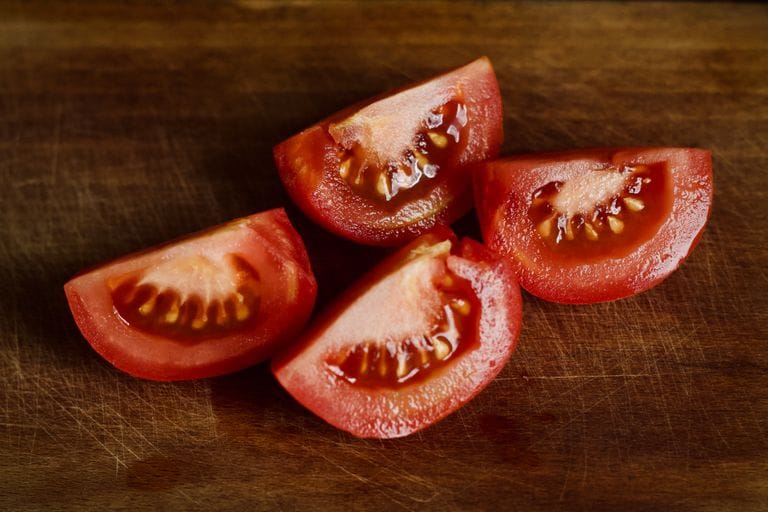
- Tomatoes for future soups and sauces
- Bell peppers for cooking
- Chopped onions
- Herbs frozen in water or olive oil
- Berries
- Bananas for baking or smoothies
- Corn cut from the cob
Some vegetables benefit from blanching before freezing, while others can be frozen exactly as they are. Either way, freezing buys you valuable time and prevents perfectly good food from spoiling before you can use it.
Label everything with the contents and the date so older items get used first.
Method 2: Dry Herbs for Months of Flavor
Fresh herbs often produce more than one family can use before they begin to wilt. Fortunately, many varieties dry beautifully.
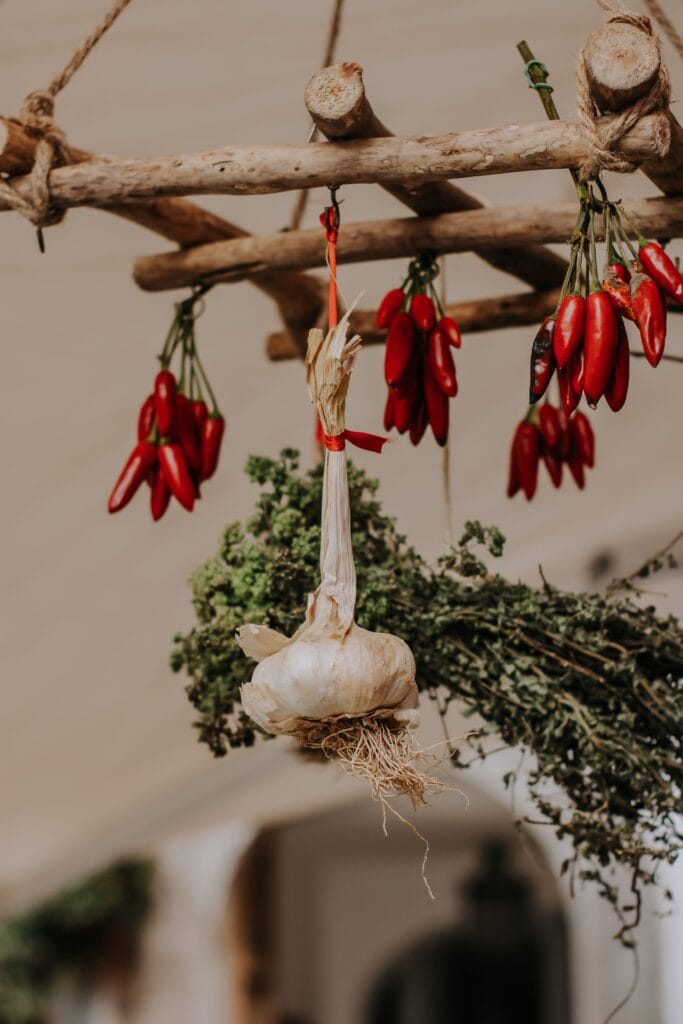
“Woody” herbs like rosemary, thyme, oregano, sage, and mint are among the easiest herbs to dry successfully and hold their flavor exceptionally well when air-dried or placed in a low-temperature oven or dehydrator.
Tip: “Tender” herbs like basil, cilantro, and parsley can lose much of their fresh flavor when dried. For those, try chopping them and freezing them in a bit of olive oil or water in an ice cube tray instead.
Once completely dry, store your dried herbs in airtight containers away from heat and direct sunlight.
Method 3: Make Refrigerator Pickles
Not every pickle has to be shelf-stable.
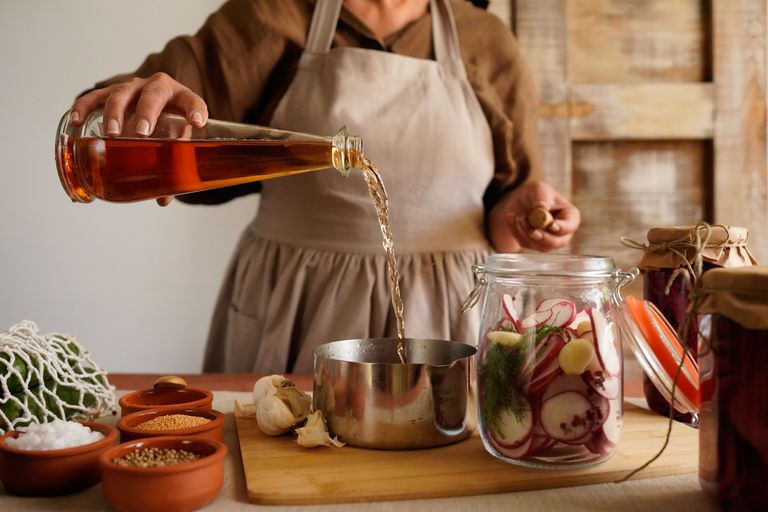
Refrigerator pickles require no pressure canner and no water bath canner. Fresh cucumbers are combined with vinegar, water, salt, dill, garlic, and seasonings before being refrigerated for a few days while the flavors develop.
They’re crisp, refreshing, and perfect for gardeners suddenly wondering what to do with an armload of cucumbers. The same technique works well for onions, carrots, radishes, and several other vegetables.
Method 4: Freeze Prepared Foods
Food preservation isn’t limited to raw ingredients. Prepared meals can also be preserved for later.
Extra soup, chili, spaghetti sauce, taco meat, casseroles, and cooked shredded chicken all freeze exceptionally well. Cooking larger batches when you’re already preparing dinner saves both food and time. Future-you will appreciate having homemade meals ready on busy evenings instead of relying on expensive takeout.
Method 5: Store Fresh Produce the Right Way
Sometimes preserving food doesn’t involve freezing or drying at all — proper storage alone can dramatically extend the life of fresh produce.
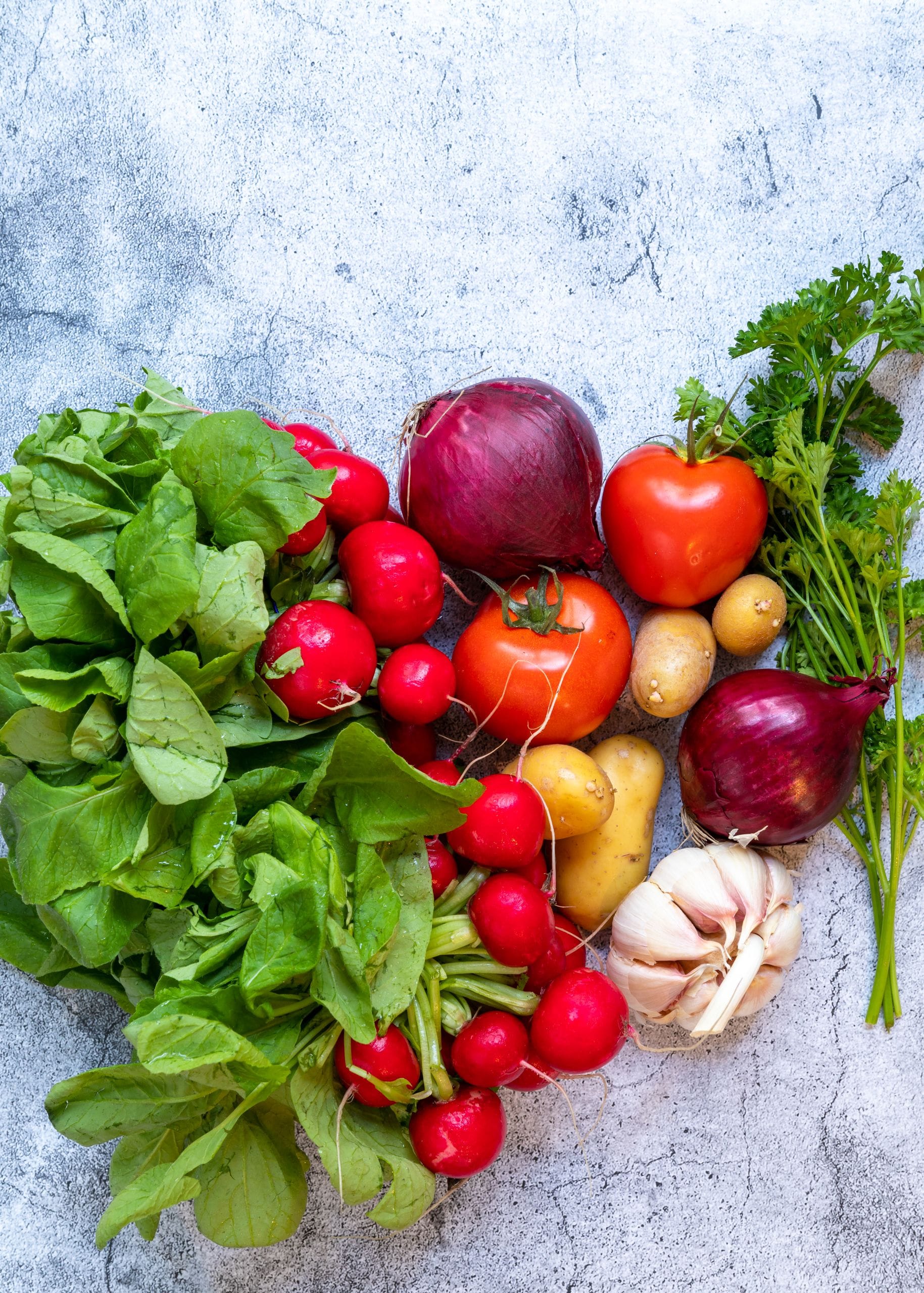
- Store potatoes in a cool, dark place. Light and warmth speed up sprouting.
- Keep onions separate from potatoes. Although both prefer cool, dark storage, onions release moisture and gases that can shorten the storage life of potatoes, leading to earlier sprouting and spoilage.
- Refrigerate carrots in a sealed container. This keeps them crisp instead of going rubbery.
- Wrap leafy greens in a paper towel inside a bag. The towel absorbs excess moisture and helps prevent slimy leaves.
- Store apples separately from other fruit. Apples release ethylene gas, which speeds ripening and can cause nearby produce to rot early.
Learning where different foods store best often adds days — or even weeks — to their usable life.
Build the Habit, One Skill at a Time
Food preservation feels overwhelming when you assume you need to learn every method at once. You don’t — and it isn’t about having the biggest pantry or the most equipment, either. It’s about making thoughtful use of what you already have.
You don’t have to wait until the garden is overflowing to preserve food, either — these same habits help you make the most of grocery store produce, reduce food waste, and stretch your food budget.
Choose one new skill to start. Freeze a few bags of vegetables. Dry a handful of herbs. Make a jar of refrigerator pickles. Every bag of frozen vegetables, every jar of dried herbs, and every leftover meal tucked into the freezer represents money saved, food respected, and one less thing thrown away.
As your confidence grows, you can explore water bath canning, pressure canning, dehydrating, fermentation, or freeze-drying if those methods fit your goals. That’s how capable kitchens are built — not all at once, but one practical habit at a time.
Common Questions About Food Preservation Without Canning
How long do refrigerator pickles actually last?
Here’s what I’ve found: refrigerator pickles typically stay good for about 2 to 3 weeks, as long as they’re kept cold the whole time. Unlike canned pickles, they’re never shelf-stable — they need to live in the fridge from start to finish, not just after opening.
Do I have to blanch vegetables before freezing them?
Not always. Some vegetables, like bell peppers, onions, and herbs, freeze just fine raw. Others, like green beans and broccoli, hold their color, texture, and flavor much better if you blanch them first — a quick dip in boiling water followed by an ice bath. Skipping this step won’t make the food unsafe, but you may notice a mushier texture or duller flavor months down the road.
Can I refreeze food after it’s been thawed?
Generally, yes, as long as it was thawed in the refrigerator (not left out on the counter) and still smells and looks fine. That said, quality tends to drop a little each time food is frozen and thawed, so it’s worth using thawed food within a day or two rather than freezing and thawing repeatedly.
How do I know if my dried herbs are dry enough to store?
A good test is to crumble a leaf between your fingers — it should crunch and break apart easily, with no bendiness or coolness left. Herbs that still feel slightly soft or leathery need more drying time. Storing herbs before they’re fully dry is one of the most common ways mold ends up in your spice jars.
Do I need special freezer bags or containers, or will what I already have work?
Any airtight container or freezer-safe bag will do the job. The main things to watch for are pushing out excess air (to prevent freezer burn) and leaving a little headroom in liquids, since they expand as they freeze.
Join the Porch Sitters
A house becomes a home through the small things we choose to learn, make, repair, grow, and pass along. Those skills don’t disappear overnight, and they won’t return overnight either. They come back one season, once project, and one meal at a time.
That’s what the Porch Sitters are all about.
Each edition of The Front Porch brings practical homesteading skills, seasonal guidance, thoughtful encouragement, and new resources to help you build a more capable household. No clutter. No chasing every trend. Just timeless knowledge that still has a place in modern life.
If that sounds like the kind of home you’re building, we’d be glad to save you a seat.
Rediscover the skills that turn a house into a home.