Preparing Your Chicken Coop for Fall
Preparing your chicken coop for fall is one of the best ways to keep your flock healthy as summer gives way to cooler weather. Rain grows more frequent, daylight hours shorten, chickens often begin molting, egg production tends to slow, and mice start hunting for reliable food and shelter.
None of this requires an expensive renovation. Most of the work comes down to cleaning, inspecting, repairing, and making sure the coop stays dry without becoming stuffy. A few hours of preventive work now can spare you a leaking roof, a frozen waterer, or a loose fence in the dead of winter.
When Should You Prepare Your Chicken Coop for Fall?
Ideally, begin preparing your chicken coop several weeks before your area’s first expected frost. Starting early gives you time to make repairs, improve drainage, gather supplies, and address any problems before cold weather arrives. Fall is often the last stretch of comfortable weather for outdoor projects, making it the perfect time to take care of the small jobs that become much more difficult during winter.
Start With a Thorough Cleaning
If you aren’t practicing the deep litter method (where bedding is intentionally built up over winter to compost), remove old bedding and scrape accumulated droppings from roost bars, dropping boards, and nest boxes. Sweep out dust, feathers, cobwebs, and spilled feed. Wash feeders and waterers with soap and water, then let them dry fully before returning them to the coop.
You don’t need to disinfect the whole building—unless you’re dealing with illness or parasites, removing manure, damp bedding, and spilled feed is the priority. As you clean, pay attention to what you uncover: deep cleaning often reveals loose boards, damaged hardware, rodent signs, or damp spots that were hidden under the bedding.
Inspect the Roof for Leaks
A dry coop matters more than a warm one. Healthy, fully feathered chickens handle cold much better than they handle damp conditions. A dry, well-ventilated coop is one of the best investments you can make in your flock’s long-term health.
Check the roof for loose shingles, cracked panels, or separated seams, and look inside for water stains or discolored wood. Small leaks matter—wet bedding holds odor and encourages mold and bacteria. After a heavy rain, step inside and check the walls, corners, and floor; a roof that looks fine from outside can still leak around fasteners or vents.
Check Drainage Around the Coop
Moisture problems don’t only come from above. Walk the perimeter after rainfall and look for standing water or runoff collecting near the foundation. Water should move away from the coop, not toward it. Clear debris from drainage paths, fill low spots, and make sure gutters aren’t directing water into the run.
If the run turns to mud every fall, consider extra drainage or a layer of coarse hardwood chips or construction-grade sand. Avoid fine sawdust or commercial bark mulch; when these materials stay wet, they break down quickly into a waterlogged layer that encourages mold growth. One mold of particular concern is Aspergillus, a naturally occurring fungus that can cause serious respiratory illness in poultry when birds inhale high concentrations of airborne spores. The goal isn’t a perfectly dry run, just one that isn’t ankle-deep in mud for weeks at a time.
Repair Small Problems Early
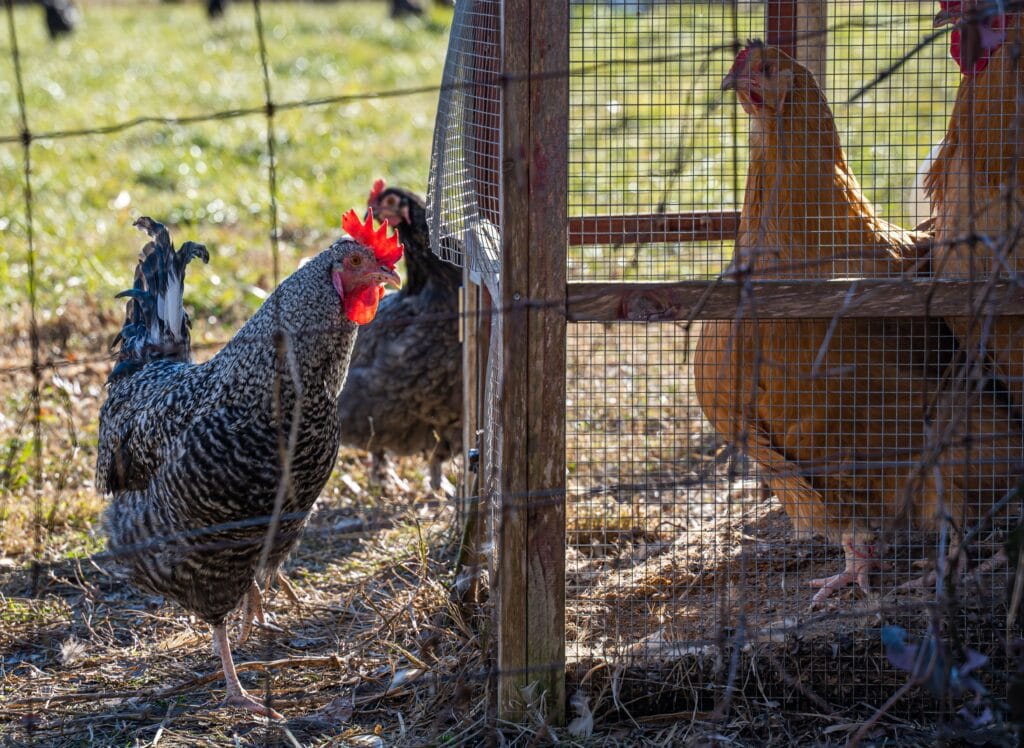
Test every door and latch rather than just looking at them—wood swells and warps with the changing seasonal humidity, and a door or latch that aligned perfectly in summer may stick or fail to close properly in the fall. Walk the coop and run looking for:
- Loose boards or wobbly roost bars
- Broken latches, rusted hinges, or damaged predator-proof hardware cloth
- Sagging wire or gaps around doors, windows, vents, and the foundation
- Sharp edges or cracked nest boxes
Predators and rodents need very little space to get in, and weak spots only worsen once wind and wet weather arrive. A door that sticks now is an easy afternoon repair. The same door frozen shut in January is a much bigger problem.
Keep the Coop Ventilated—Don’t Seal It Up
One of the most common fall mistakes is closing up the coop too tightly. Chickens produce a surprising amount of moisture through breathing and droppings. When that moisture can’t escape, humidity builds—contributing to respiratory problems, condensation, and even frostbite during freezing weather.
Good winter prep doesn’t mean shutting every vent. It means letting stale, damp air escape without putting chickens in a direct draft while they roost. Ventilation openings should ideally sit above the birds’ heads, near the roofline, so warm moist air can rise and exit while the roosting area stays protected. Stand near the roosts and check for drafts coming through cracks or doors—those should be sealed, while high vents should generally stay open.
Refresh Bedding and Nest Boxes
Once cleaning and repairs are done, add fresh, dry bedding. Pine shavings are common; chopped straw works too, as long as it stays dry and gets changed before it packs down with moisture and manure. Avoid cedar—its aromatic oils can irritate a chicken’s respiratory system. Check under roosts and around waterers most often, since those spots get dirty or damp first. Bedding absorbs normal moisture, but it won’t fix a leaking roof or a dripping waterer.
While you’re at it, empty and inspect each nest box for loose dividers, splinters, exposed nails, damp corners, or spots where mites could hide, then replace the nesting material. Chickens spend more time indoors during wet fall weather, so nest boxes get dirty faster—check them regularly rather than waiting for the next deep clean.
Prepare for Molting and Slower Egg Production
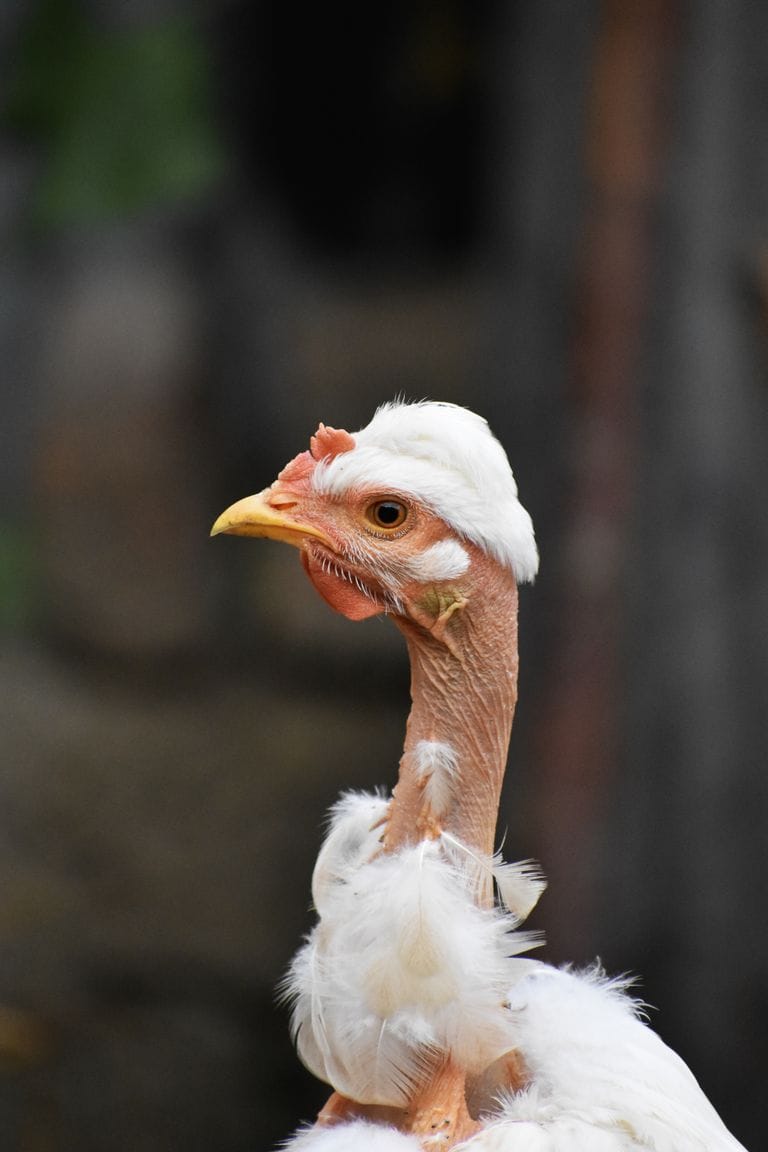
Many adult chickens molt in fall, shedding old feathers and growing new ones—some look only slightly untidy, others noticeably ragged. Egg production often slows or stops as the bird redirects energy toward feather growth. Because feathers are made primarily from keratin, growing an entirely new set places significant nutritional demands on the bird.
Some keepers temporarily switch to a higher-protein complete feed during molt to support feather regrowth, such as an 18% or 20% grower or “feather-fixer” ration. If you choose to do this, make the complete feed—not high-protein treats—the primary source of additional protein so your chickens continue receiving a balanced diet.
Handle molting birds gently, since new pin feathers are highly sensitive, packed with blood flow, and easily injured. Molting is completely normal, but don’t automatically blame it for sudden weakness, severe weight loss, isolation, or trouble breathing—those warrant a closer look.
Shorter days also mean fewer eggs, influenced by daylight, age, nutrition, health, and breed. This is normal, not a sign something’s wrong. Keep providing balanced feed, clean water, and routine observation. Some keepers use supplemental lighting to encourage winter laying; if you’re new to this, understand the tradeoffs first, and make sure any electrical equipment is installed away from combustible bedding and protected from moisture and rodents.
Make a Cold-Weather Water Plan
Decide now—not on the first freezing morning—how you’ll keep water available: where the waterer will sit, how often it might freeze, and whether you’ll haul fresh water or use cold-rated equipment. Use only equipment rated for coop conditions, and keep cords out of reach; dust, feathers, and moisture make improvised electrical setups a serious fire and shock hazard. Clean and inspect the waterer now for cracks or worn parts—a slow leak that went unnoticed all summer can soak bedding once temperatures drop.
Protect Feed From Rodents
Cooler weather sends mice and rats looking for food and shelter. Clean up spilled feed, especially under feeders, and store bagged feed in a sturdy, sealed container—metal resists chewing better than plastic. Never leave open feed bags in the coop. Look for droppings, gnaw marks, or small holes around walls and flooring; rodents don’t just eat feed, they damage wiring and structures and can attract predators. Removing easy access to feed is the most effective first step in rodent control.
Walk the Fence Line
Summer growth can hide damage. Walk the full perimeter and check fencing top to bottom for loose wire, rusted fasteners, holes, or gaps beneath gates. Trim vegetation that gives predators cover right next to the coop and run. Check the gate latch from both sides—a latch that keeps chickens in isn’t necessarily strong enough to keep a raccoon out. Chicken wire contains chickens; it doesn’t reliably stop predators. Hardware cloth is the stronger choice for windows, vents, and lower coop openings.
For a deeper look at this, see Common Chicken Predators and How to Protect Your Flock.
Check the Roosts and Clean Up the Run
Make sure roost bars are sturdy, dry, and wide enough for birds to sit comfortably—a broader perch lets chickens cover their toes with feathers more effectively in cold climates. Confirm every bird has enough roosting space so weaker flock members aren’t pushed to the floor or into nest boxes. Position roosts away from drafts but below the upper vents.
Clear out trash, old feed containers, and clutter from the run—it hides rodents and predators and can conceal damaged fencing. Secure lightweight items before fall winds pick up, and consider a covered, well-ventilated section of run for long rainy stretches.
Look Over Every Bird
Fall prep should include the flock, not just the building. Chickens tend to hide illness until it is advanced, so individual observation matters. Watch each chicken walk, eat, and interact with the others, checking comb color, feathers, feet, and eyes.
- Behavior: Staying apart from the flock, remaining puffed up, or hiding
- Mobility: Limping, avoiding walking, or exhibiting weakness
- Condition: Sudden or noticeable weight loss, or refusing to eat or drink
- Respiration: Discharge around the eyes or nostrils, or labored, audible breathing
- Appearance: A pale, shriveled, or unusually dark, purplish comb
This seasonal check is also the perfect time to audit your poultry first-aid supplies and replace anything empty or expired.
Stock What You Actually Use
You don’t need to buy out the farm store—just keep a practical reserve of what your flock already goes through: feed, bedding, basic first-aid supplies, a spare waterer and feeder, replacement latches, a flashlight, and a container for transporting or isolating a bird if needed. Factor in how hard it might be to reach the feed store during winter storms or holidays, but don’t overstock beyond what you can keep dry and protected from rodents.
Do Adult Chickens Need Heat in Winter?
Usually not. Healthy, fully feathered adult chickens tolerate cold exceptionally well, especially once acclimated to the local climate in a dry, ventilated, draft-protected coop. Their needs are very different from those of a brooder full of chicks.
A heat lamp in an adult coop is a serious fire hazard around bedding, dust, and feathers, and sudden artificial warmth can actually prevent birds from acclimating naturally. Certain fragile breeds, birds with active health issues, or flocks in extreme sub-zero climates may be exceptions—but supplemental heat shouldn’t be the default first step.
Stick to the basics instead: keep the coop dry, maintain high ventilation, stop drafts across the roosts, provide good feed and unfrozen water, give every bird ample roosting space, and watch the flock closely. A well-maintained coop does more to keep healthy chickens comfortable than a heated one ever could.
Preparing Your Chicken Coop for Fall Checklist
- Deep clean coop, feeders, and waterers (or prep deep litter)
- Inspect roof and check for leaks after rain
- Check grounds/run for drainage and avoid fine mulch/sawdust in low spots
- Test all doors, latches, and hardware cloth for alignment and security
- Confirm high ventilation stays open, drafts at roost level are sealed
- Refresh bedding (skip cedar) and clean nest boxes
- Adjust feed for molting birds; prioritize balanced protein over excess treats
- Set a reliable cold-weather water plan
- Secure feed storage against rodents
- Walk the fence line and check gate latches from both sides
- Check roost space and bar width
- Clear clutter from the run
- Observe each bird individually for illness or injury; restock first-aid kit
Where to Go Next
Once your coop is structurally ready for the season, review Common Chicken Predators and How to Protect Your Flock to make sure your coop and run are ready to keep predators out throughout the fall and winter.
You may also find these seasonal guides useful:
- 5 Warning Signs Your Chicken May Be Sick
- What Do Backyard Chickens Eat?
- Why Aren’t My Chickens Laying Eggs?
- Summer Heat Safety for Backyard Chickens
Join the Porch Sitters
A house becomes a home through the small things we choose to learn, make, repair, grow, and pass along. Those skills don’t disappear overnight, and they won’t return overnight either. They come back one season, once project, and one meal at a time.
That’s what the Porch Sitters are all about.
Each edition of The Front Porch brings practical homesteading skills, seasonal guidance, thoughtful encouragement, and new resources to help you build a more capable household. No clutter. No chasing every trend. Just timeless knowledge that still has a place in modern life.
If that sounds like the kind of home you’re building, we’d be glad to save you a seat.
Rediscover the skills that turn a house into a home.