Why Did My Chickens Stop Laying Eggs? 10 Common Causes (and What to Do)
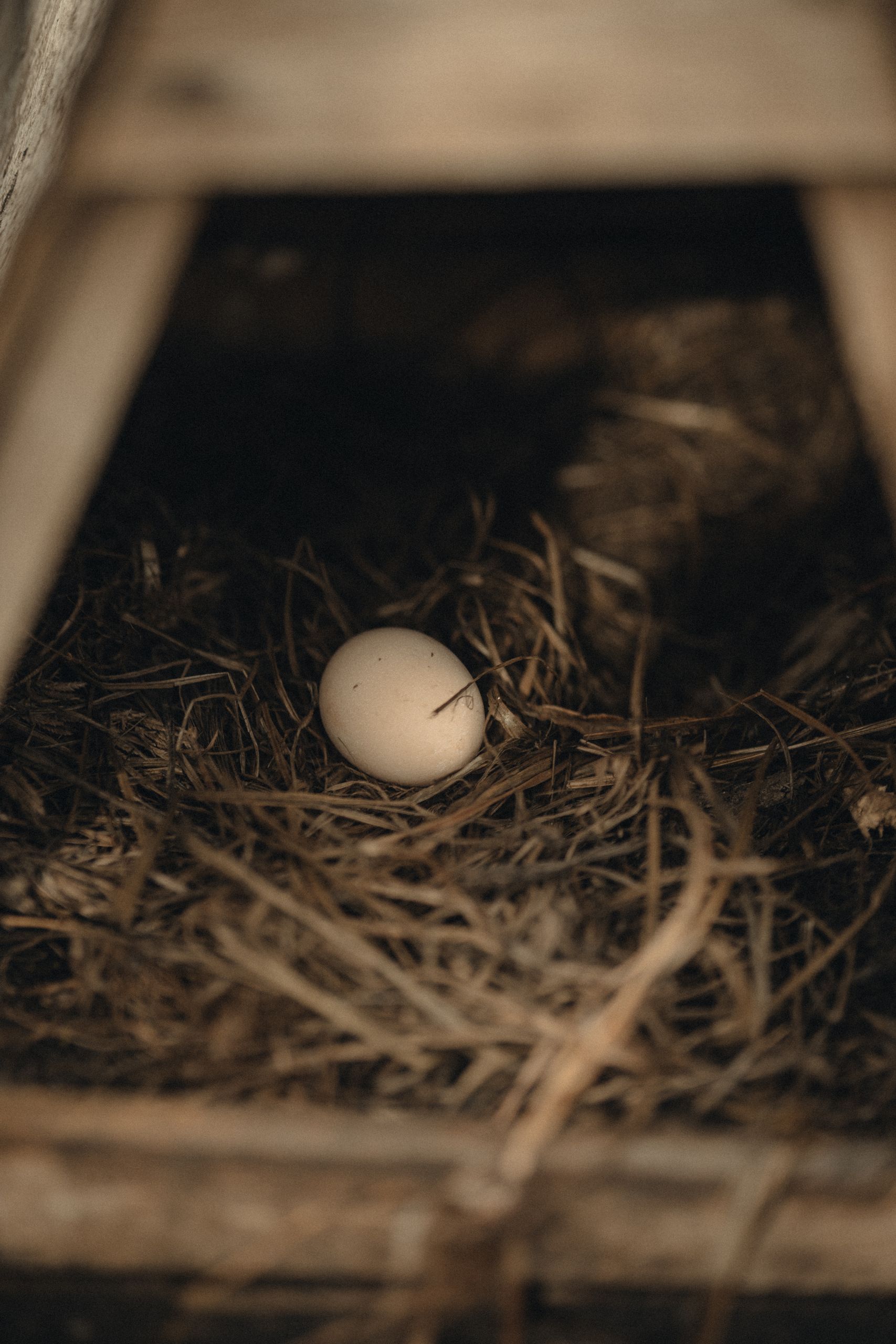
One of the most exciting moments of keeping backyard chickens is collecting that first egg. So when the nesting boxes suddenly stay empty—or production slows to just one or two eggs a day—it’s easy to assume something is terribly wrong.
Most of the time, it isn’t.
Healthy hens stop or slow egg production for perfectly normal reasons. Understanding those reasons can save you a great deal of unnecessary worry, prevent expensive mistakes, and help you know when it’s time to simply be patient—and when it’s time to take a closer look.
A capable chicken keeper learns to observe before reacting. Chickens don’t read the internet, and they certainly don’t follow our schedules. They respond to daylight, nutrition, stress, weather, and their own biology.
Let’s look at the most common reasons your hens may not be laying—and exactly what you can do about it.
1. Your Hens Are Simply Too Young
Young hens simply aren’t ready to lay yet.
This is probably the most common reason new chicken owners worry unnecessarily. Most laying breeds begin producing eggs between 18 and 24 weeks of age, although some heritage and heavier breeds naturally mature a little later.
Just because your pullets look fully grown doesn’t mean their reproductive systems have finished developing. Like most worthwhile things, egg production can’t be rushed.
Signs They’re Getting Close
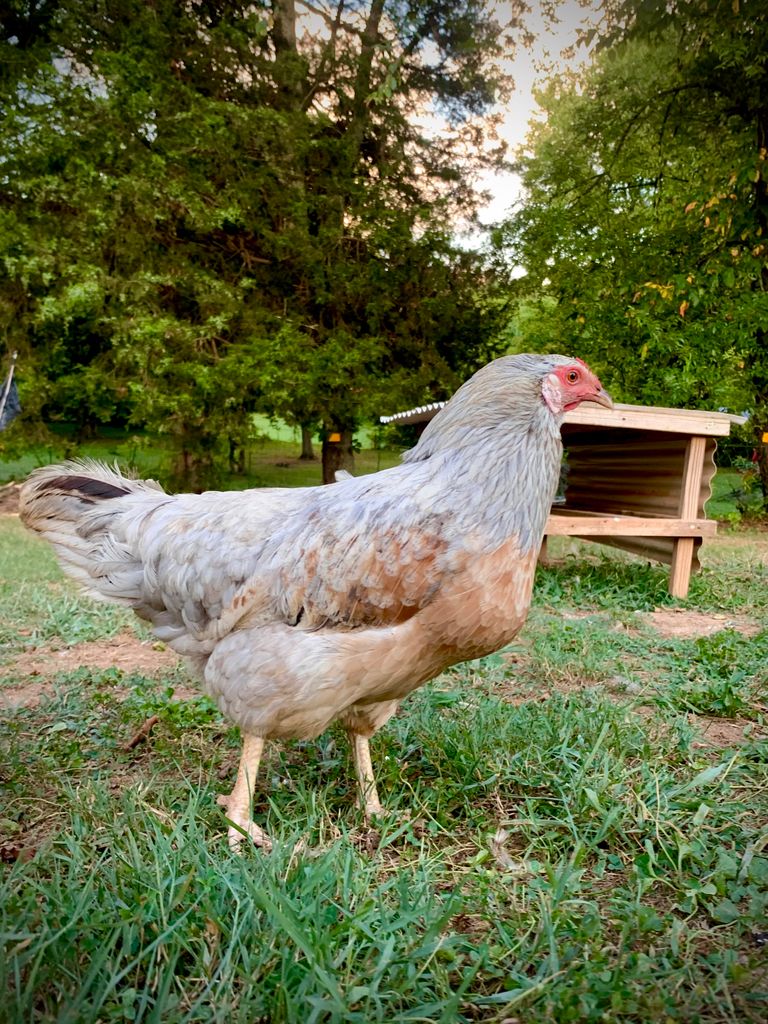
- Bright red combs and wattles. Their pale pink faces gradually deepen into a healthy, vibrant red.
- The “submissive squat.” Many pullets instinctively crouch when you approach.
- Interest in nesting boxes. They’ll begin exploring, scratching around, and spending time inside the boxes.
- More vocal behavior. Many hens become noticeably more talkative as they approach laying age.
What You Can Do: Verify your flock’s age and begin transitioning from grower feed to a quality layer ration around 18 weeks of age. By the time those first eggs arrive, they’ll already be receiving the nutrients needed to support healthy egg production.
2. There Isn’t Enough Daylight
Shorter days naturally reduce egg production.
A hen’s biological clock is closely tied to daylight. Most chickens need 14 to 16 hours of light each day to maintain consistent laying.
As the days shorten during fall and winter, many hens naturally reduce production or stop laying altogether. Their bodies are conserving energy during a season when raising chicks would be far less successful.
Many beginners assume cold weather is the problem.
In reality, healthy hens tolerate cold surprisingly well. It’s usually the lack of daylight—not the temperature itself—that causes production to slow.
What You Can Do: You have two perfectly reasonable choices. Allow your flock to follow its natural seasonal rhythm and enjoy the winter break, or install a timer-controlled light that comes on before sunrise to extend daylight hours. If you use supplemental lighting, always provide several hours of uninterrupted darkness so your hens can rest properly.
3. They’re Molting
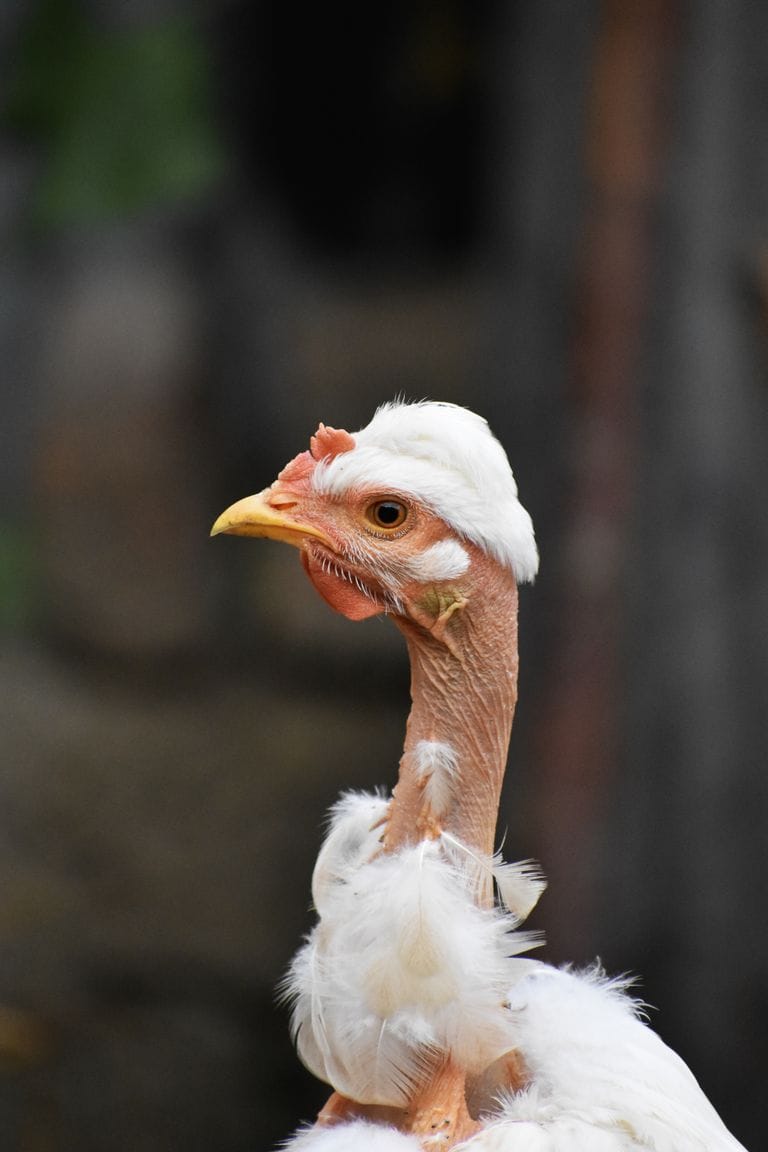
Molting hens use their energy to grow feathers instead of eggs.
If feathers seem to be everywhere but eggs are nowhere to be found, molting is probably the answer.
Most chickens molt once each year, usually during the fall. Growing thousands of new feathers requires an enormous amount of protein and energy, leaving very little available for egg production.
A molting hen often looks downright pitiful.
She isn’t sick.
She’s rebuilding her winter coat.
What You Can Do: Increase dietary protein during the molt by feeding a higher-protein ration or offering protein-rich treats like dried mealworms or black soldier fly larvae. Save scratch grains and other low-protein treats until new feathers have finished growing.
4. Their Diet Needs Improvement
Poor nutrition often shows up in the egg basket first.
An egg is made primarily of protein, calcium, fat, water, and dozens of essential nutrients. If hens aren’t receiving a balanced diet, their bodies simply don’t have enough resources to produce eggs consistently.
Kitchen scraps and garden leftovers certainly have their place.
But we sometimes treat chickens like feathered garbage disposals, and they deserve better than that.
Scraps should supplement a balanced diet—not replace one.
A hen can’t build eggs from wishful thinking.
She builds them from what she eats.
What You Can Do: Feed a quality commercial layer pellet or crumble as the foundation of your flock’s diet. Also provide:
- Fresh, clean water. Even a short interruption in water intake can reduce egg production.
- Free-choice oyster shell. Offer it separately so hens can consume only what they need.
- Coarse grit. Necessary for digestion if birds don’t regularly forage on natural ground.
5. Stress Has Interrupted Laying
Stress tells a hen that now isn’t the right time to produce eggs.
Chickens thrive on routine.
They don’t appreciate surprises.
Predator attacks, introducing new flock members, moving to another coop, loud construction, transportation, or major changes in their environment can all reduce egg production surprisingly quickly.
Extreme summer heat deserves special mention as well. When temperatures remain high for days at a time, hens devote more energy to staying cool and less toward producing eggs.
What You Can Do: Eliminate the source of stress whenever possible. Secure the coop after predator activity, introduce new birds gradually, and provide shade, fresh water, and plenty of ventilation during hot weather. After particularly stressful events, an electrolyte solution formulated for poultry can help birds recover more comfortably.
6. They May Be Hiding Their Eggs
Sometimes the eggs haven’t disappeared—you just haven’t found them yet.
Free-ranging hens occasionally decide your carefully prepared nesting boxes simply aren’t as appealing as a patch of tall grass, a brush pile, or the corner of an old shed.
If egg production seems to disappear overnight, there’s a good chance one determined hen has started her own secret nest.
What You Can Do: Keep your hens confined to the coop and run for several days so they become accustomed to using the nesting boxes again. Ceramic nesting eggs or even golf balls can encourage hens to lay where you’d prefer them to.
7. Broodiness Can Pause Production
Broody hens stop laying because their bodies switch from producing eggs to incubating them.
Even without a rooster, some hens become determined to hatch eggs. They’ll remain on the nest almost constantly, leaving only briefly to eat and drink.
Breeds such as Silkies, Cochins, and Orpingtons are especially known for becoming broody.
What You Can Do: If you plan to hatch chicks, you can simply allow nature to take its course. Otherwise, discourage broodiness by removing her from the nest regularly, limiting overnight access to nesting boxes, or placing her in a raised wire-bottom crate for several days to cool her underside and interrupt the hormonal cycle.
8. Parasites or Illness
Healthy hens usually don’t stop laying without a reason.
Internal parasites, mites, lice, and illness can all rob a hen of the energy needed to produce eggs. In many cases, a sudden drop in egg production is one of the earliest warning signs that something isn’t right.
What You Can Do: Inspect your birds regularly, especially around the vent and beneath the wings. If you discover parasites, thoroughly clean the coop and treat both the birds and their environment with an appropriate poultry-safe product according to the manufacturer’s directions. Some keepers also use food-grade diatomaceous earth in dry areas, although opinions differ on its effectiveness, and excessive dust should always be avoided. If you suspect illness or internal parasites, consult your veterinarian or local Extension office before beginning treatment.
9. Your Hens Are Getting Older
Older hens simply lay fewer eggs.
No hen produces at peak levels forever.
Most breeds lay their greatest number of eggs during their first two years before production gradually declines.
That doesn’t mean older hens stop contributing.
They often become the calm leaders of the flock, teach younger birds the routines of the coop, and continue controlling insects around the homestead.
Sometimes we expect machines when what we actually own are living animals.
There’s a difference.
What You Can Do: If a steady egg supply is important to your household, consider adding a few new pullets every year or two. A mixed-age flock provides more consistent production while allowing older hens to enjoy a well-earned retirement.
10. It’s Perfectly Normal
Sometimes there isn’t a problem to solve.
No two hens are exactly alike.
One may lay nearly every day, while another produces four or five eggs each week despite receiving identical care.
If your flock is healthy, active, eating well, and behaving normally, occasional slowdowns are simply part of keeping chickens.
Sometimes patience is the wisest management decision you can make.
When Should You Be Concerned?
Most pauses in egg production are temporary.
However, it’s worth investigating further—or contacting an avian veterinarian—if you notice:
- Multiple hens stop laying at the same time without an obvious seasonal or environmental cause.
- Lethargy or unusual behavior.
- Loss of appetite or unexplained weight loss.
- Pale, shrunken, or scaly combs and wattles.
- Walking upright like a penguin, which may indicate egg binding.
- Wheezing, labored breathing, or discharge from the eyes or nostrils.
Daily observation is one of the most valuable skills any chicken keeper can develop. The sooner you notice something unusual, the easier most problems are to address.
Frequently Asked Questions
Will chickens lay eggs without a rooster?
Yes. Hens lay eggs whether a rooster is present or not. A rooster is only necessary if you want fertile eggs that can hatch into chicks.
How long can chickens stop laying?
That depends on the cause. A hen may stop laying for only a few days after a stressful event, several weeks during a molt, or several months during the shorter days of winter.
Why did all my chickens stop laying at the same time?
If your entire flock suddenly stops laying, look for something affecting every bird equally. Shorter daylight hours, extreme heat, a recent predator scare, a change in feed, illness spreading through the flock, or a major disruption to their environment are all common causes.
Can stress permanently stop egg production?
In most cases, no. Once the source of stress has been resolved and healthy hens have recovered, egg production usually resumes.
Final Thoughts
Backyard chickens have been providing families with fresh food for generations, but they’ve never operated on a perfect corporate schedule.
Nature simply doesn’t work that way.
The best chicken keepers aren’t the ones who panic every time the egg basket is a little lighter. They’re the ones who understand what influences laying, pay attention to their flock, and make thoughtful adjustments instead of chasing problems that don’t actually exist.
A capable household isn’t built through perfect circumstances. It’s built through careful observation, good habits, and the willingness to keep learning. Chicken keeping is no different.
Most of the time, your hens are doing exactly what healthy hens have always done.
They’re simply reminding us that living creatures don’t run on deadlines.
Where to Go Next
Learning why hens stop laying is one step toward becoming a more confident chicken keeper. The more familiar you become with normal chicken behavior, the easier it is to recognize when something needs your attention—and when your flock is simply doing what chickens have always done.
If you’re ready to learn more, these articles are a natural next step:
- Backyard Chicken Care for Beginners – Build a strong foundation with the everyday habits that keep a flock healthy and productive.
- 5 Warning Signs Your Chicken May Be Sick – Learn how to recognize the early signs that a chicken may need extra care.
- What Do Backyard Chickens Eat? A Beginner’s Feeding Guide – Discover what hens need at every stage of life and how good nutrition supports healthy egg production.
- 8 Baby Chick Mistakes Every Beginner Makes (And How to Skip the Panic) – Starting with chicks? Avoid the common mistakes that can cause problems later.
Every experienced chicken keeper started by asking questions just like these. Paying attention, learning from your flock, and building good habits over time will do more for your success than chasing quick fixes ever will.
Join the Porch Sitters
A house becomes a home through the small things we choose to learn, make, repair, grow, and pass along. Those skills don’t disappear overnight, and they won’t return overnight either. They come back one season, once project, and one meal at a time.
That’s what the Porch Sitters are all about.
Each edition of The Front Porch brings practical homesteading skills, seasonal guidance, thoughtful encouragement, and new resources to help you build a more capable household. No clutter. No chasing every trend. Just timeless knowledge that still has a place in modern life.
If that sounds like the kind of home you’re building, we’d be glad to save you a seat.
Rediscover the skills that turn a house into a home.