Homestead Chores: What to Do First
Falling behind on homestead chores usually doesn’t happen because you stopped caring. Work gets busy. It rains every evening you planned to get outside. The garden reaches that point where everything seems to need harvesting at once. You leave for a few days and come home to weeds making themselves comfortable and cucumbers the size of clubs.
Sometimes you’re simply tired.
Whatever caused it, the difficult part is often figuring out where to begin. When the garden, animals, kitchen, yard, and house all need attention, a long list isn’t especially helpful. Everything may need doing eventually, but very little of it needs doing right now.
The first job is figuring out which is which.
Start With What Can’t Wait
Take care of anything whose health or safety depends on you first.
If you keep animals, start with their essential daily care and anything affecting their immediate health or safety. Check for injuries, illness, predator damage, broken fencing, or anything else that needs attention.
Then look at the garden for plants that are genuinely in trouble. Wilting plants during hot, dry weather may need water before you spend an afternoon weeding. Newly transplanted seedlings generally have less ability to tolerate dry soil than established plants. A pest or disease problem that’s actively spreading deserves attention sooner than something that’s merely untidy.
You aren’t trying to complete every animal and garden chore you’ve missed. You’re checking for things that will suffer if they’re left alone.
From there, look for anything with a clock running on it. Ripe produce is an obvious example. A tomato doesn’t care that you planned to weed first, and neither do the beans, cucumbers, berries, herbs, or anything else that’s approaching the point where quality begins to decline.
Harvest what’s ready. Check the refrigerator and counters for produce that needs to be used or preserved, collect the eggs, and deal with anything likely to be wasted if it sits much longer.
Saving it doesn’t necessarily mean finishing the entire preservation job that day. Tomatoes can be frozen if you don’t have time to make sauce. Peppers can wait in the freezer for another meal. Produce that stores well may only need to be put somewhere appropriate until you have more time.
Sometimes preserving your options is enough.
Deal With Problems That Get Worse When You Ignore Them
Once the immediate needs are covered, look for the jobs where postponing them creates more work.
A damaged section of fencing is easier to repair before an animal discovers the opening. A leaking irrigation connection is worth dealing with before it wastes water or leaves part of the garden dry. Pest problems can spread. Spoiled produce can affect what’s stored beside it. A loose gate or broken latch may be a minor repair today and a considerably less minor problem later.
A useful question is:
If I leave this alone for another week, will I have a bigger problem?
If the answer is yes, it belongs fairly high on the list. If the answer is no, it probably isn’t urgent simply because you can see it.
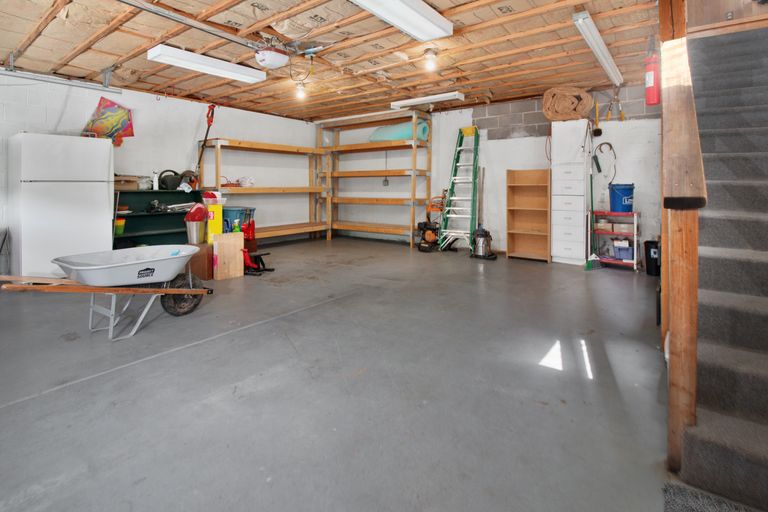
The same principle applies to chores that are creating bottlenecks. Maybe every harvest basket is full and sitting in the kitchen. The wheelbarrow is still loaded from last weekend. Your tools have migrated away from where you actually use them, or the kitchen counters are so covered with produce, jars, and dishes that there’s nowhere to process today’s harvest.
Clearing one of those bottlenecks can make several other jobs easier. Wash the baskets, empty the wheelbarrow, put the tools where you need them, or clear enough counter space to work. Half an hour spent restoring a little function can be more useful than half an hour spent on whichever unfinished chore happens to be bothering you most.
Some Things Really Can Wait
A garden can be weedy and still productive. The grass can be taller than you’d prefer. There can be empty pots beside the greenhouse, tools waiting to be cleaned, and a compost pile you haven’t turned lately.
Working properties look worked in.
What matters is whether the mess is interfering with something that needs to function. Weeds competing heavily with young vegetables deserve attention. A few weeds around established plants may be perfectly capable of waiting. Clutter that makes a workspace unsafe or unusable needs to be cleared; a shed that simply isn’t organized beautifully can survive the indignity.
It also helps to let go of the idea that every overdue chore must be completed to its ideal standard before it counts. If you have twenty minutes in the garden, harvesting what’s ripe is worthwhile even if you can’t weed afterward. If the coop needs attention but you don’t have time for a complete deep cleaning, take care of what affects the birds and save the rest for another day.
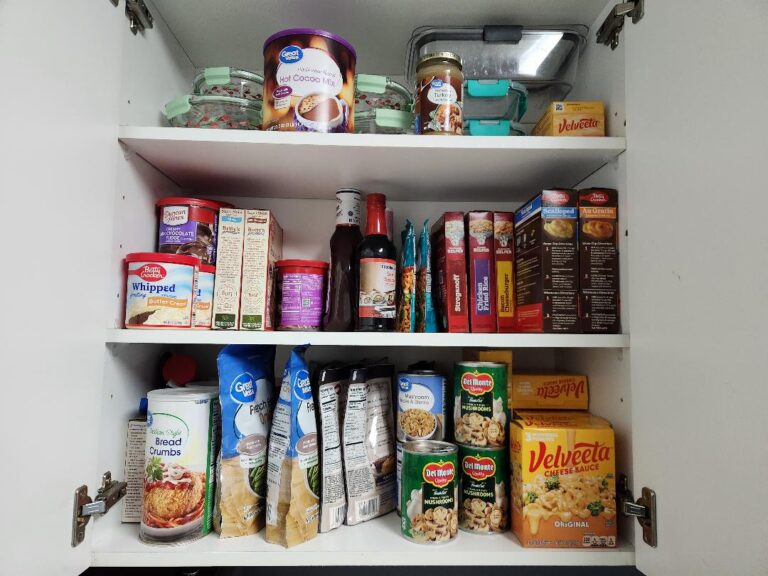
Once the urgent jobs are handled, choose a contained area or problem and bring it back to a workable condition. That might be one garden bed, the coop, the greenhouse, the pantry, the produce waiting to be preserved, or the tools that have accumulated where they don’t belong.
Otherwise it’s very easy to spend fifteen minutes weeding, notice the coop, walk over there, remember you need something from the house, see the tomatoes on the counter, start sorting those, and eventually discover that you’ve been working for two hours while somehow making eye contact with every unfinished chore you own.
Give something enough attention to make a noticeable difference before wandering off to the next problem.
And resist the urge to turn catch-up work into improvement projects. Cleaning the garden doesn’t require reorganizing the shed. Dealing with produce doesn’t require redesigning the pantry. Cleaning the coop doesn’t have to become the day you finally make every improvement you’ve considered since spring.
If you notice something worth changing, write it down. You can improve the system after you’ve regained enough ground to use it.
Pay Attention to What Keeps Falling Behind
Once things are manageable again, the backlog itself can tell you something useful.
Everybody gets behind occasionally. If the same chore repeatedly becomes overwhelming, though, it’s worth looking at why. You may be growing more than your household can realistically use, relying on a system that requires more time than you usually have, or making a simple job harder because of the way tools or supplies are stored.
There may also be jobs on your list simply because you’ve decided that’s how a homestead is supposed to be maintained. Habits have a way of becoming rules without anybody stopping to ask whether the rule is useful.
When the same work keeps piling up, ask:
- What keeps getting pushed aside?
- What takes longer than it should?
- What creates the biggest problem when it isn’t done?
- Could something be moved, simplified, reduced, combined with another chore, or done less often?
- Am I putting time into something that doesn’t contribute much to the way our household actually works?
- Does this chore need to be done at all?
Sometimes the better system is the one with less work in it.
Getting Caught Up Doesn’t Mean Being Finished
There will always be another weed, another basket to wash, something ready to harvest, a tool that needs sharpening, or a repair waiting somewhere. That’s the nature of maintaining a home and caring for land, gardens, animals, and the things you use.
Being caught up doesn’t require reaching a magical afternoon when every chore is finished. It means the important things are cared for, preventable problems aren’t getting worse, and the ordinary work of the homestead feels manageable again.
After a particularly busy stretch, that may be all you need to know when you look around:
This needs me today. That can wait. And that over there doesn’t actually need doing at all.