Common Chicken Predators (and How to Protect Your Flock)
Common chicken predators are something every backyard chicken keeper eventually has to think about. One of the quickest ways to discover you own chickens is to notice that everything else seems to know it too.
The day your hens begin laying eggs, you’ve unintentionally opened a small buffet for every hungry predator in the neighborhood. Some are looking for eggs. Others want chicks. Some are perfectly capable of carrying off a full-grown hen.
It sounds intimidating, but it shouldn’t discourage anyone from keeping chickens.
Predators are simply part of raising livestock. They aren’t being mean or malicious—they’re trying to survive just like everything else in nature. Your job isn’t to eliminate predators. Your job is to make your flock difficult enough to reach that they decide an easier meal can be found somewhere else.
That’s why a well-built coop is one of the best investments you’ll ever make. Prevention is almost always less expensive—and far less heartbreaking—than replacing birds after an attack.
Depending on where you live, you may never encounter some of these chicken predators on this list while dealing with others on a regular basis. Learning which predators are common in your area helps you focus your time and money where they’ll make the biggest difference.
Before we look at each predator individually, here’s a quick overview of the ones backyard chicken keepers are most likely to encounter. Knowing when they’re active and what they typically target can help you identify weak points in your flock’s protection.
At-a-Glance: Common Chicken Predators
| Predator | Most Active | Most Common Target | Best Defense |
|---|---|---|---|
| Raccoons | Night | Adult chickens, eggs | Secure complex latches, hardware cloth |
| Foxes | Dawn & Dusk | Adult chickens | Sturdy fencing, supervised free-ranging |
| Coyotes | Dawn, Dusk & Night | Adult chickens | Tall fencing, hardware cloth digging apron |
| Hawks | Day | Chicks and smaller hens | Covered runs, overhead shelter, bushes |
| Owls | Night | Chicks and smaller hens | Secure flock inside coop before dark |
| Weasels & Minks | Night | Entire flock (any size) | Sealing every gap larger than a quarter |
| Snakes | Day & Night | Eggs, young chicks | Regular egg collection, tight mesh, rodent control |
| Opossums | Night | Eggs, young chicks | Secure coop, clean up leftover feed |
| Neighborhood Dogs | Anytime | Adult chickens | Strong, heavy-duty fencing |
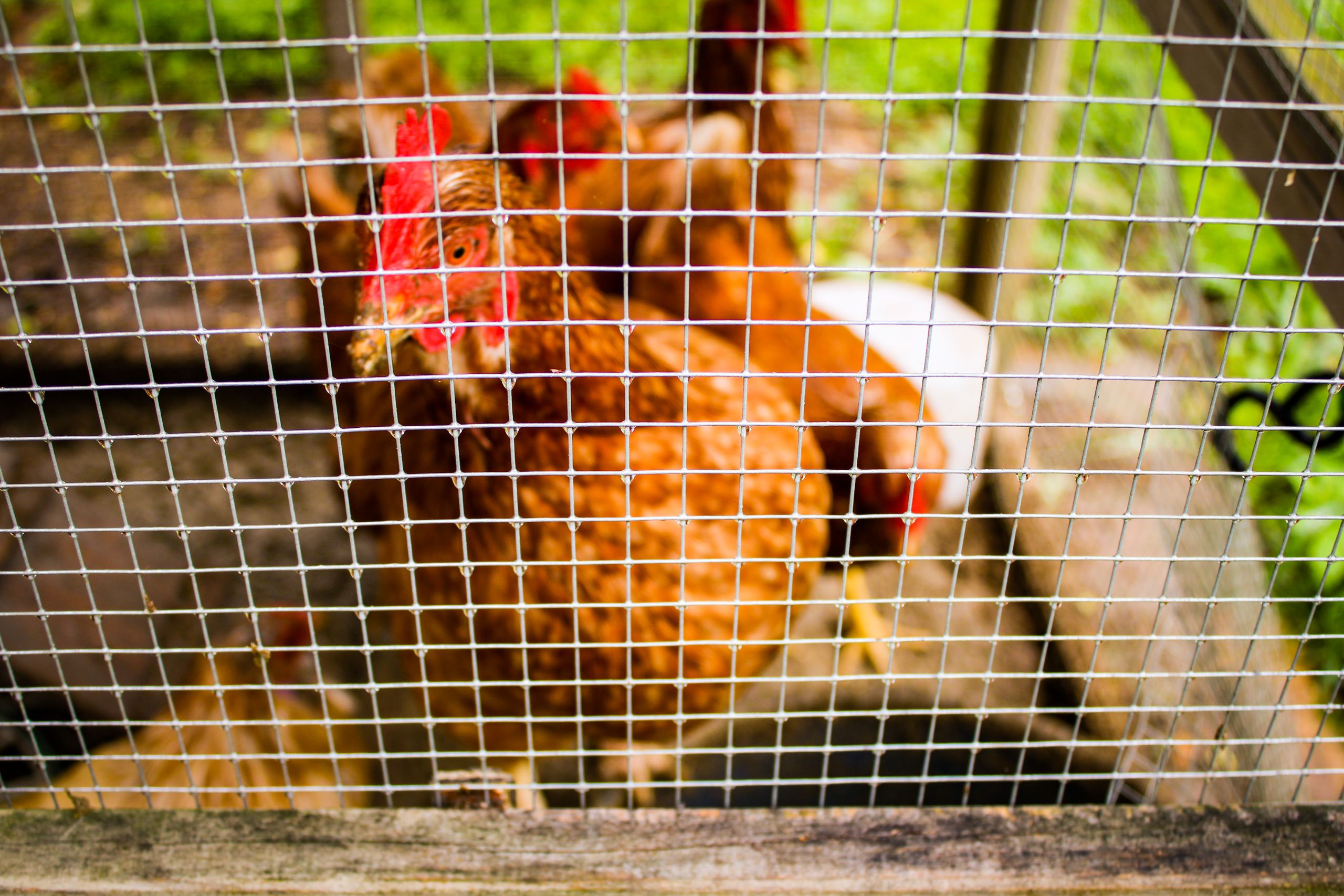
You’ll notice one material appears over and over throughout this article: hardware cloth. Unlike traditional chicken wire, hardware cloth is welded steel mesh designed to resist chewing, pulling, and reaching paws. It costs more upfront, but it’s one of the smartest investments you can make when protecting a flock.
The good news is that one well-built coop protects your flock from most of these predators at the same time. You don’t need a different solution for every animal. You simply need to eliminate the easy opportunities that invite trouble.
Let’s look at the most common predators backyard chicken keepers encounter and what you can do to protect your flock.
1. Raccoons
If chickens have a professional criminal in the predator world, it’s the raccoon.
They’re remarkably intelligent, have surprisingly nimble hands, and can easily open simple latches or lift lightweight lids. Just as importantly, they’ll reach right through wide fencing to grab a bird. If a raccoon can fit its paws through your wire, it can—and often will—seriously injure or kill a chicken from outside the run.
How to Protect Your Flock:
- Lock coop doors every evening using predator-proof latches that require more than a simple lift.
- Cover windows, vents, and runs with heavy-duty hardware cloth—not chicken wire.
- Never leave feed sitting out overnight.
2. Foxes
Foxes are patient, calculating hunters.
They often watch a flock for days before making an attempt. They’re most active around dawn and dusk, though they’ll sometimes hunt during daylight, especially while raising hungry kits.
A single fox can clear out several chickens surprisingly quickly if given the opportunity.
How to Protect Your Flock:
- Keep birds inside secure fencing during vulnerable dawn and dusk hours.
- Close the coop securely before dark every evening.
- Repair holes in fencing or gaps under gates immediately.
- Avoid allowing chickens to roam unattended for long periods.
3. Coyotes
Coyotes are becoming increasingly common, even in suburban neighborhoods.
They’re capable of climbing, digging, and jumping fences that seem much too tall. Unlike smaller predators, a coyote can carry off a full-grown chicken with little effort.
Fortunately, preventing digging doesn’t usually require burying an entire fence several feet underground.
How to Protect Your Flock:
- Use fencing at least six feet tall when possible.
- Install a hardware cloth apron by laying a 12-to-24-inch strip flat on the ground around the outside of the fence and securing it with landscape staples. When a predator tries to dig beside the fence, it hits the wire barrier instead.
- Lock birds inside a secure coop every night.
4. Hawks
Not every threat comes from the ground.
Hawks commonly target chicks and smaller hens, especially when chickens spend long periods in open areas without overhead cover. Fortunately, hawks usually prefer an easy opportunity over a difficult one.
How to Protect Your Flock:
- Provide dense shrubs, trees, or simple shelters where chickens can hide.
- Cover outdoor runs with netting or wire mesh.
- Avoid letting young chicks free-range without direct supervision.
5. Owls
Owls hunt almost exclusively after dark and fly almost silently.
Most owl attacks happen when chickens are left roosting outside overnight instead of being safely locked inside the coop.
How to Protect Your Flock:
- Lock chickens inside before sunset.
- Repair broken doors, loose windows, and damaged roofing promptly.
- Check your coop regularly for openings.
6. Weasels and Minks
The weasel family is among the most dangerous predators a chicken keeper can encounter.
Their bodies allow them to squeeze through surprisingly small openings, and they’re known for surplus killing—sometimes killing multiple birds in a single night without eating them all.
Fortunately, they aren’t common everywhere, but if they’re present in your area, your coop must be exceptionally secure.
How to Protect Your Flock:
- Inspect your coop carefully and seal every opening larger than about a quarter.
- Repair rotted boards and damaged flooring.
- Cover vents with 1/2-inch or 1/4-inch hardware cloth.
7. Snakes
Most snakes aren’t interested in adult chickens because they simply can’t swallow them.
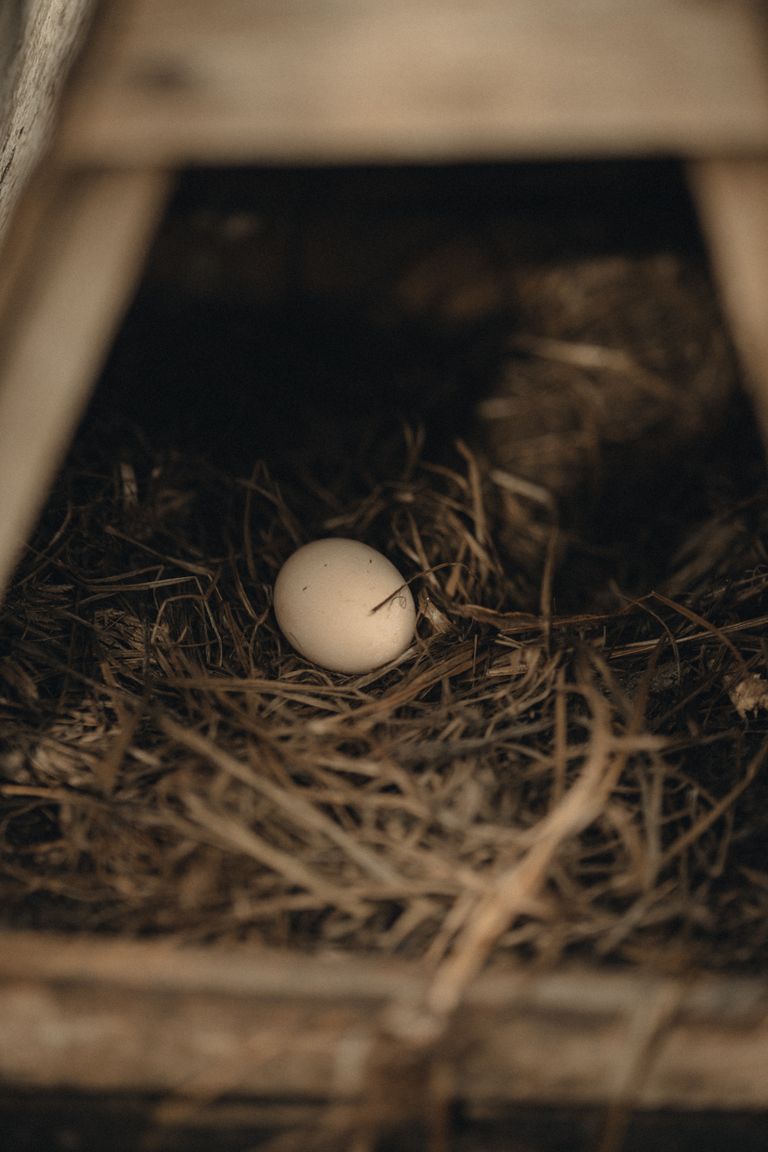
Instead, they’re usually after eggs or very young chicks. In many places they’re actually beneficial because they help control rodent populations. Even so, nobody enjoys reaching into a nesting box and finding a snake curled up beside the eggs.
How to Protect Your Flock:
- Collect eggs daily.
- Seal small openings around nesting boxes and doors.
- Keep grass trimmed around the coop.
- Control rodents, which often attract snakes.
8. Opossums
Opossums have a reputation for eating chickens, but they’re opportunistic scavengers.
They usually prefer eggs, spilled feed, fallen fruit, and insects over taking on a healthy adult hen. That doesn’t make them harmless, but they’re often blamed for damage caused by more aggressive predators.
How to Protect Your Flock:
- Gather eggs every day.
- Remove leftover feed before nightfall.
- Secure the coop doors with the same diligence you’d use against raccoons.
9. Neighborhood Dogs
Surprisingly, one of the greatest dangers to backyard chickens isn’t wildlife at all.
It’s pet dogs.
Even the friendliest family dog may chase or kill chickens simply because instinct takes over when a bird suddenly flutters. Many dogs never intend to eat the birds, but the outcome is the same.
How to Protect Your Flock:
- Never assume a dog is “good with chickens” without long-term supervision.
- Maintain strong, rigid fencing.
- Introduce family dogs carefully and gradually if they’ll share the property.
Chicken Wire Isn’t Predator-Proof
This surprises almost every beginner.
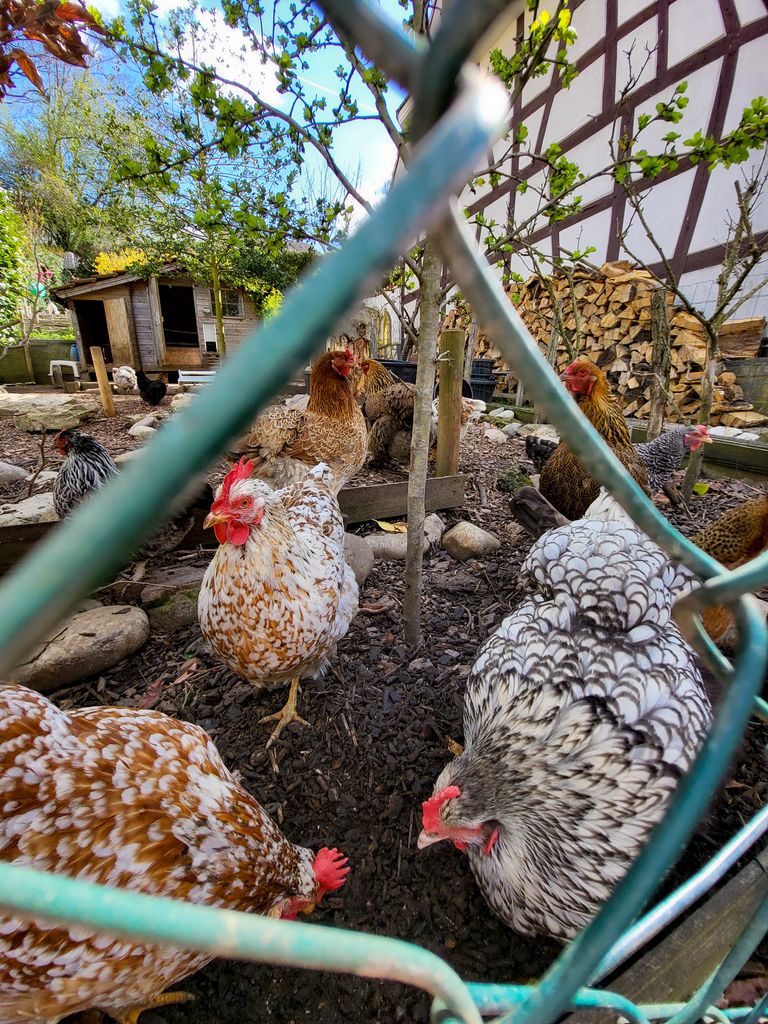
Despite its name, chicken wire was designed to keep chickens in—not predators out.
Raccoons can reach through it. Dogs and coyotes can tear it apart. Smaller predators can often chew through it or pull it loose from staples.
For permanent predator protection, hardware cloth is the better investment. Its welded steel construction makes it far more difficult for predators to bend, tear, or reach through.
It costs more upfront, but replacing an entire flock costs far more. Sometimes the less expensive option turns out to be the most expensive decision you make.
Daily Habits That Protect Your Chickens
Most predator attacks aren’t caused by extraordinary circumstances. They’re caused by ordinary routines being skipped.
A few consistent habits go a long way.
- Lock the coop every evening.
- Check fences and the perimeter regularly for digging.
- Gather eggs daily.
- Store feed in sealed metal containers.
- Clean up spilled feed.
Keeping spilled feed cleaned up isn’t just about saving money. Feed attracts rats and mice, which in turn attract snakes and other predators. One small habit helps prevent several larger problems.
- Trim weeds and brush around the coop.
- Inspect doors, hinges, and latches for wear.
None of these jobs takes very long, but together they create multiple obstacles that encourage predators to look elsewhere for an easier meal.
When an Attack Happens
Even experienced chicken keepers occasionally lose birds.
It doesn’t always mean you’ve failed.
Sometimes a tree branch falls onto a fence. A latch isn’t fully secured. A determined predator finds a weakness you hadn’t noticed. Raising livestock means accepting that nature occasionally reminds us she isn’t operating according to our plans.
The important thing is to figure out how the predator gained access before replacing your flock.
Walk the perimeter. Look for digging, climbing points, damaged fencing, loose hardware, or signs that something reached through the wire. Make improvements before bringing new birds into the same situation.
Every setback teaches something that makes your coop stronger the next time around.
Final Thoughts
Keeping chickens isn’t about creating an absolute fortress that nothing can penetrate. It’s about stacking the odds in your favor.
Good fencing. A secure coop. Reliable habits. Paying attention before problems develop.
That’s true of most capable households. Success usually isn’t built on dramatic solutions. It’s built on small, ordinary decisions repeated consistently over time.
Protect your flock well, and they’ll spend less time avoiding predators and more time doing what chickens do best—scratching through the yard, hunting bugs, and filling the nesting boxes with tomorrow’s breakfast.
Where to Go Next
Protecting your flock starts with prevention, but even the best coop and the strongest fencing can’t eliminate every risk. An encounter with a predator can leave a chicken injured, stressed, or vulnerable to illness, so knowing what to watch for is just as important as knowing how to keep predators out.
If you’re ready to build your confidence as a chicken keeper, continue with these beginner-friendly articles:
- Continue Reading: 5 Warning Signs Your Chicken May Be Sick — Learn how to recognize the early signs that something is wrong so you can act before a small problem becomes a serious one.
- Don’t Miss: Beginner Backyard Chicken Setup: What You Actually Need to Start — Double-check that your coop, run, and equipment are giving your flock the protection they need.
- Start Here: Backyard Chicken Care for Beginners — New to raising chickens? This cornerstone guide walks you through everything you need to know to build a healthy, productive flock from day one.
Join the Porch Sitters
A house becomes a home through the small things we choose to learn, make, repair, grow, and pass along. Those skills don’t disappear overnight, and they won’t return overnight either. They come back one season, once project, and one meal at a time.
That’s what the Porch Sitters are all about.
Each edition of The Front Porch brings practical homesteading skills, seasonal guidance, thoughtful encouragement, and new resources to help you build a more capable household. No clutter. No chasing every trend. Just timeless knowledge that still has a place in modern life.
If that sounds like the kind of home you’re building, we’d be glad to save you a seat.
Rediscover the skills that turn a house into a home.