How Much Does It Really Cost to Keep Backyard Chickens?
One of the first questions people ask before bringing home backyard chickens is, “How much does it actually cost?”
The answer is both simpler and more complicated than most people expect.
You can spend a few hundred dollars getting started, or you can spend several thousand. Backyard chickens have become surprisingly trendy over the last several years, and there’s no shortage of companies happy to convince you that every flock needs a designer coop, automatic doors, heated waterers, specialty feeders, and enough accessories to outfit a small resort.
The chickens themselves never asked for any of it.
A healthy flock needs safe housing, good nutrition, clean water, protection from predators, and a keeper willing to pay attention. Everything beyond that deserves to be evaluated carefully before opening your wallet.
At Waste Not Want Not Homestead, we believe in building a capable household—not an expensive one. That means understanding where your money actually needs to go, where you can save without cutting corners, and how to avoid buying equipment you’ll regret six months from now.
Here is the quick financial snapshot of what it realistically takes to raise a standard backyard flock of 4 to 6 hens:
| Expense Category | Estimated Cost Range | Frequency |
|---|---|---|
| Chicks & Basic Setup | $500–$2,000+ (Depending heavily on the coop) | One-Time |
| Brooder Supplies | $70–$120 | One-Time |
| Feed & Bedding | $30–$60 | Monthly |
| Flock Healthcare & Repairs | $50–$100 | Annual Emergency Fund |
Let’s break down the real costs of keeping backyard chickens.
The One-Time Startup Costs
The biggest expense comes before your hens ever lay their first egg.
Chickens
Baby chicks generally cost between $4 and $15 each, depending on the breed and where you purchase them. Rare heritage breeds often cost more than common production breeds. Many beginners start with 4 to 6 chicks, giving enough eggs for a small household while allowing room for the occasional hen that lays less frequently.
A Secure Coop
The coop is where most budgets either stay reasonable—or go completely off the rails.
A quality coop may cost anywhere from:
- $250–$600 for a basic prebuilt model
- $800–$2,000+ for larger or premium coops
- Significantly less if you’re able to build one yourself from reclaimed or salvaged materials
Here’s something worth remembering:
The prettiest coop isn’t necessarily the safest one.
A simple, well-built structure with good ventilation and solid predator protection is far more valuable than decorative shutters and fancy paint. Your chickens care a great deal more about staying alive than matching your landscaping.
Fencing or a Chicken Run
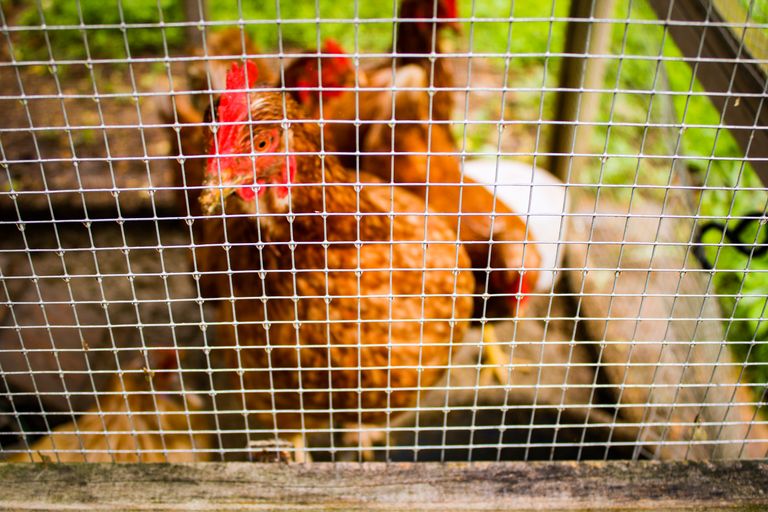
If your birds won’t be free-ranging, they’ll need a secure enclosed run. Costs vary widely depending on size and materials, but many beginners spend between $150 and $600 creating a predator-resistant enclosure.
Where beginners go wrong: Standard chicken wire is excellent for keeping chickens in, but it does very little to keep determined predators out. Raccoons can reach through it, dogs can tear it, and other predators may find ways around or through it. For the walls of a secure run, many experienced keepers recommend ½-inch galvanized hardware cloth (welded wire) instead.
This is not the place to cut corners. Replacing chickens after a predator attack is almost always more expensive—and certainly more discouraging—than building a secure run from the beginning.
Feeders and Waterers
Fortunately, these don’t have to be expensive.
Expect to spend approximately:
- Feeder: $20–$50
- Waterer: $20–$50
Simple, durable galvanized metal or heavy-duty plastic equipment usually lasts for years with very little maintenance.
Brooder Supplies
If you’re raising baby chicks, you’ll also need to budget $70 to $120 for a temporary nursery setup before they move outside. This includes:
- A safe heat plate or brooder heater ($40–$60)
- A brooder container (a large plastic storage tote or sturdy cardboard box works perfectly)
- Chick-sized feeder and waterer ($15–$25)
- Starter feed and bedding ($15–$25)
Many of these supplies are used only for the first six weeks, but they are absolutely necessary for raising healthy, thriving chicks.
Ongoing Monthly Costs
Once your flock is established, expenses become much more predictable.
Feed
Feed is your largest recurring expense.
Most laying hens consume around ¼ pound of feed per day. For a flock of six hens, expect to spend approximately $20–$40 per month, depending on feed prices and quality in your area.
Trying to save money by buying poor-quality feed often ends up costing more through reduced egg production and chronic health problems.
Nutrition is one place where “cheap” frequently becomes expensive.
Bedding
Most backyard flocks require another $10–$20 per month in fresh wood shavings or straw. Some keepers spend less by using management methods such as the deep litter method, which reduces the frequency of bedding changes while producing compostable material for the garden.
Occasional Healthcare
Healthy chickens don’t usually require expensive veterinary care. However, every flock owner should keep a small $50–$100 emergency fund tucked away for situations like:
- Parasite and mite treatments
- Vitamins and electrolytes
- Wound care supplies
- Minor coop repairs and hardware replacements
Hopefully you’ll rarely need it.
But hoping isn’t a financial plan.
Costs Many Beginners Forget
These smaller expenses don’t happen every month, but they eventually appear.
Examples include:
- Replacing broken or sun-damaged feeders
- Fresh nesting box liners or bedding
- Winter water management, such as a heated waterer base in colder climates
- Predator-proofing improvements as local wildlife tests your defenses
- Egg cartons if you plan to share or sell surplus eggs
None of these are enormous individually.
Together, they become part of responsible, long-term flock ownership.
Can Backyard Chickens Save You Money?
Eventually?
Yes.
Immediately?
Usually not.
Many people get backyard chickens expecting “free eggs.”
That’s not really how it works.
Your hens need to recover the cost of the coop, the fencing, the feed, the equipment, the bedding, and their own purchase price. Depending on your setup, it may take a few years before the value of the eggs begins to offset your initial investment.
If saving money is your only goal, chickens probably aren’t the fastest path there.
But that’s only part of the story.
What Does a Dozen Eggs Really Cost?
When you first bring chickens home, each dozen eggs may cost considerably more than grocery store eggs once you account for startup expenses. As your coop and equipment are used year after year, that cost gradually falls.
For many backyard chicken keepers, however, the real value isn’t producing the cheapest eggs possible. It’s producing fresh eggs while gaining fertilizer for the garden, reducing food waste, and becoming a little more self-reliant.
Looking only at the price per dozen misses much of what a backyard flock contributes to a household.
Your chickens can also help reduce kitchen waste by safely consuming appropriate food scraps. Their manure becomes valuable compost for the garden after it has been properly composted. They also reduce many insect populations while scratching through the soil. Perhaps most importantly, they give you greater control over one small but meaningful part of your household’s food supply.
Those benefits don’t always fit neatly into a spreadsheet, but they are part of the value many chicken keepers appreciate.
Where You Can Save Money Wisely
There are smart ways to lower costs without sacrificing your flock’s well-being.
- Buy quality equipment once instead of replacing cheap, brittle plastic gear every season.
- Build your own coop using reclaimed lumber or secondhand building materials, provided it remains structurally sound and predator-resistant.
- Choose practical production or dual-purpose breeds rather than expensive novelty breeds if your primary goal is egg production.
- Start with a modest-sized flock that matches your household’s needs instead of buying more birds than you can comfortably manage.
One of the quickest ways to overspend is assuming every product marketed to chicken keepers is essential.
It isn’t.
The chicken industry has discovered what every other hobby eventually learns:
People are often easier to sell to than chickens.
Before buying another gadget, ask yourself one simple question:
Does this solve a real problem, or does it simply make me feel more prepared?
Those aren’t always the same thing.
The Best Investment Isn’t the Most Expensive One
If there’s one lesson experienced backyard chicken keepers learn, it’s that successful flocks aren’t built with unlimited budgets.
They’re built with good management.
Clean water every day.
Nutritious feed.
A secure coop.
Regular observation.
Prompt attention when something seems wrong.
Those habits cost far less than constantly replacing equipment or solving preventable problems. Like most worthwhile homesteading skills, raising chickens rewards consistency far more than spending.
A capable backyard chicken keeper isn’t the one with the fanciest coop.
It’s the one whose chickens are healthy, safe, and productive because someone took the time to meet their needs day after day.
That’s an investment that pays dividends long after the receipt has been thrown away.
Where to Go Next
Now that you have a realistic picture of what backyard chickens cost, the next step is deciding what you actually need before bringing your flock home.
It’s easy to get overwhelmed by all the equipment marketed to new chicken keepers, but a healthy flock doesn’t require every gadget on the farm store shelves. In the next article, we’ll separate the essentials from the extras so you can build a safe, practical setup without spending money on things your chickens don’t need.
Continue Reading: Beginner Backyard Chicken Setup: What You Actually Need to Start
Join the Porch Sitters
A house becomes a home through the small things we choose to learn, make, repair, grow, and pass along. Those skills don’t disappear overnight, and they won’t return overnight either. They come back one season, once project, and one meal at a time.
That’s what the Porch Sitters are all about.
Each edition of The Front Porch brings practical homesteading skills, seasonal guidance, thoughtful encouragement, and new resources to help you build a more capable household. No clutter. No chasing every trend. Just timeless knowledge that still has a place in modern life.
If that sounds like the kind of home you’re building, we’d be glad to save you a seat. Rediscover the skills that turn a house into a home.