How Long Does Compost Take? Understanding the Composting Timeline
One of the first questions new composters ask is:
“How long will it take before I have finished compost?”
The honest answer is: it depends.
For most backyard composters, compost takes about six months to a year to fully break down.
Some piles can produce finished compost in just a few months, while others may take a year or longer. Compost doesn’t follow a calendar—it follows conditions. The size of your pile, the materials you add, the weather, and how often you manage it all affect how quickly those kitchen scraps become rich compost.
The good news is that composting doesn’t have to happen quickly to be successful. Whether your pile finishes in three months or twelve, you’ll still end up with nutrient-rich organic matter that improves your soil, feeds your plants, and keeps valuable materials out of the landfill.
Quick Answer: How Long Does Compost Take?
| Composting Method | Typical Timeline | Best For |
|---|---|---|
| Actively managed hot compost | 2–4 months | Gardeners who want compost quickly and don’t mind regular maintenance |
| Moderately managed compost | 4–8 months | Most backyard gardeners |
| Passive cold compost | 6–18 months | People who prefer a simple, low-maintenance approach |
| Leaf mold | 1–3 years | Improving soil structure using fallen leaves |
Think of these timelines as general expectations rather than guarantees. Every compost pile is a little different, and even the same pile may decompose faster in one season than another.
For most backyard composters using a simple compost bin or pile, expect your first finished compost in six to twelve months.
Many beginners worry they’re doing something wrong when compost isn’t ready after a few weeks.
In reality, most backyard compost piles are working exactly as intended—they’re simply following a slower, more natural timeline.
Why Compost Doesn’t Have a Fixed Timeline
Composting is a biological process.
Tiny organisms—including bacteria, fungi, insects, and worms—are responsible for breaking down organic materials. Just like people, these organisms work faster when conditions are favorable and slower when conditions are not.
Composting is less like baking a cake and more like tending a garden. You can create good conditions, but nature still works at its own pace.
Several factors determine how quickly decomposition occurs.
Factor #1: Hot Compost vs. Cold Compost
The biggest factor affecting composting speed is whether you’re creating a hot compost pile or a cold compost pile.
Hot Composting
Hot composting requires a little more attention, but it rewards that effort with much faster results.
A successful hot compost pile has:
- A good balance of browns and greens
- Proper moisture
- Enough material to retain heat
- Regular turning to provide oxygen
As microbial activity increases, temperatures inside the pile can reach 130°F to 160°F.
Those higher temperatures allow organic matter to break down rapidly, often producing finished compost in as little as two to four months.
Cold Composting
Cold composting takes the opposite approach.
Kitchen scraps and yard waste are added as they become available, and the pile is rarely turned. Many homesteaders prefer this method because it’s simple, forgiving, and requires very little maintenance.
The tradeoff is time.
Cold compost piles commonly take six months to eighteen months before producing finished compost.
Neither method is “better.” The right choice depends on how much time and effort you want to invest.
Factor #2: The Size of Your Materials
Imagine trying to burn a whole log versus a pile of wood chips.
The wood chips catch much faster because they expose more surface area.
The same principle applies to compost.
Materials That Break Down Quickly
- Grass clippings
- Vegetable scraps
- Coffee grounds
- Chopped garden waste
Materials That Break Down Slowly
- Large branches
- Whole pumpkins
- Corn stalks
- Thick cardboard
- Wood chips
The smaller your materials, the easier it is for microorganisms to reach them and begin breaking them down.
Speed-Up Tip: Shred cardboard, chop garden debris, and cut large fruits and vegetables into smaller pieces before adding them to your compost pile.
Factor #3: Moisture Levels
Microorganisms need moisture to survive.
Too little water slows decomposition dramatically. Too much water fills the air spaces inside the pile and creates soggy, oxygen-poor conditions that can lead to unpleasant odors.
The Wrung-Out Sponge Test
A healthy compost pile should feel similar to a wrung-out sponge.
It should be:
- Damp but not dripping
- Moist but not muddy
If the pile feels too dry, add water or more fresh green materials.
If it feels too wet, mix in dry browns like shredded cardboard or dry leaves to absorb excess moisture.
Factor #4: Browns vs. Greens
One of the most common reasons compost piles slow down is an imbalance between carbon-rich browns and nitrogen-rich greens.
Too many greens can create excess moisture and unpleasant odors.
Too many browns can slow decomposition to a crawl.
Quick Rule of Thumb
Aim for 2 to 3 parts browns (dry leaves, shredded cardboard, paper, or straw) for every 1 part greens (kitchen scraps, fresh grass clippings, and other nitrogen-rich materials) by volume.
If you’re still learning which materials belong in each category, read Browns vs. Greens: The Secret to Successful Compost for a complete guide.
What Not to Add
To keep your compost pile healthy, avoid adding:
- Meat, bones, fish scraps, and dairy products (they attract rodents and other scavengers).
- Cooking oils and grease (they slow decomposition and create unpleasant odors).
- Dog and cat waste (it can contain parasites and harmful pathogens).
- Diseased or heavily pest-infested plants (they may spread problems back into your garden).
Factor #5: Temperature and the Seasons
Composting naturally speeds up and slows down throughout the year.
During Spring and Summer
- Microbial activity increases.
- Organic materials decompose more quickly.
- Compost piles are more likely to generate heat.
During Fall and Winter
- Decomposition slows.
- Microbial activity decreases.
- Your compost pile may appear to stop working altogether.
Don’t panic if that happens.
In most climates, compost simply pauses during colder weather and begins working again as temperatures warm in the spring.
What Happens During the Composting Process?
Many beginners expect their compost pile to shrink a little every day until it suddenly becomes finished compost.
In reality, compost develops in distinct stages. Understanding those stages will help you recognize normal progress and avoid trying to “fix” a pile that’s already working exactly as it should.
Stage 1: Fresh Materials
At first, everything you add is easy to recognize.
You’ll still see:
- Fruit and vegetable scraps
- Leaves
- Grass clippings
- Coffee grounds
- Other yard waste
At this stage, your compost pile may actually grow larger as you continue adding materials.
Stage 2: Active Decomposition
As microorganisms multiply, they begin breaking down organic matter much more quickly.
During this stage, the pile often:
- Generates noticeable heat
- Begins shrinking
- Turns darker in color
This is where most of the decomposition takes place.
Stage 3: Curing
Once the most active decomposition is complete, the compost enters a curing phase.
The pile cools, most recognizable materials disappear, and the compost becomes more stable.
This stage takes patience, but it’s an important part of producing finished compost that’s ready to nourish your garden.
Stage 4: Finished Compost
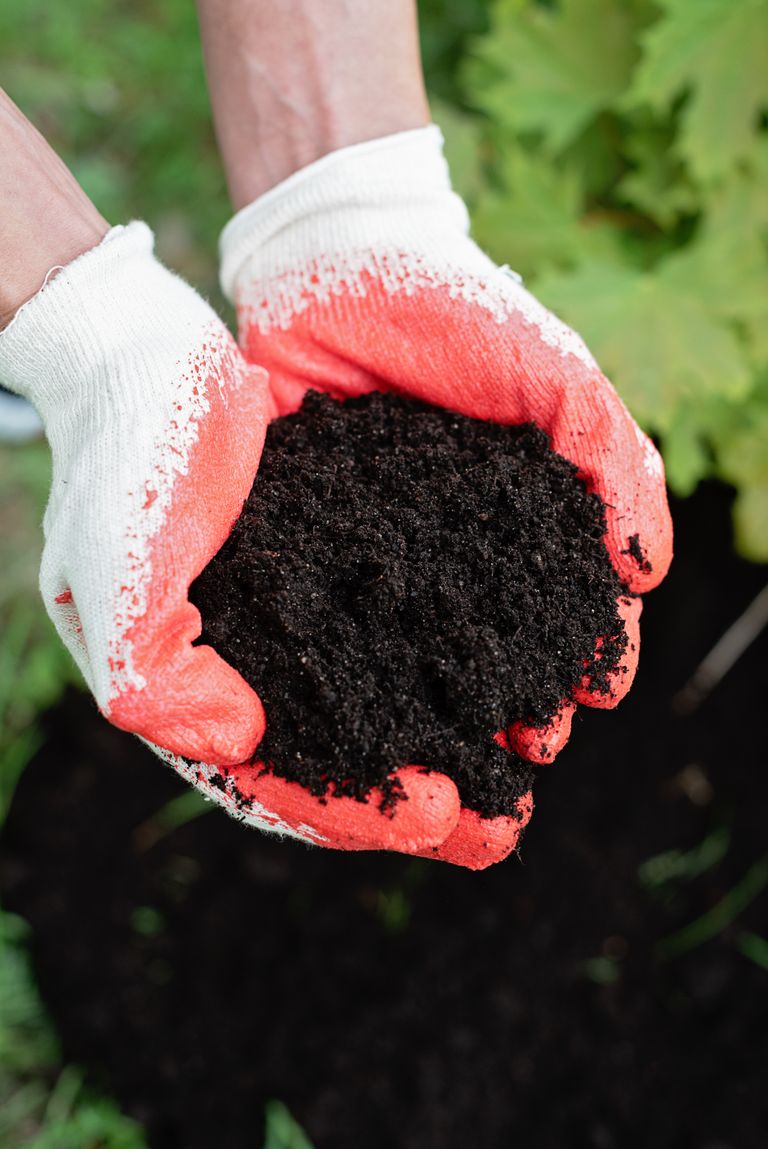
Finished compost is:
- Dark brown to nearly black
- Crumbly
- Soil-like in texture
- Pleasantly earthy in smell
At this point, it’s ready to be mixed into garden beds, containers, or around established plants.
Signs Your Compost Is Progressing Normally
Even if your compost isn’t finished yet, several signs indicate everything is moving in the right direction.
Look for:
- The pile gradually shrinking
- Food scraps becoming harder to recognize
- Materials darkening over time
- An earthy smell instead of a sour or rotten odor
- Worms and other beneficial organisms appearing
Progress matters more than speed.
A compost pile that steadily improves over time is healthier than one that’s constantly being adjusted in an attempt to make it decompose faster.
How to Make Compost Faster
If you’d like to shorten your composting timeline, focus on the fundamentals instead of complicated techniques.
Turn the Pile
Turning introduces fresh oxygen, encouraging the microorganisms responsible for decomposition to stay active.
Shred Large Materials
Smaller pieces expose more surface area, allowing them to break down more quickly.
Maintain Proper Moisture
Keep your pile about as damp as a wrung-out sponge.
Maintain a Good Browns-to-Greens Balance
Providing both carbon-rich browns and nitrogen-rich greens gives composting organisms the resources they need to work efficiently.
Build a Larger Pile
Small compost piles lose heat quickly.
A pile that’s at least 3 feet wide, 3 feet long, and 3 feet tall does a much better job of retaining the warmth needed for faster decomposition.
When Should You Stop Adding New Materials?
One of the most common reasons compost never seems to finish is because new materials are constantly being added.
Every time fresh kitchen scraps or yard waste go into the pile, those new materials begin their own composting journey. While the older materials continue breaking down, the pile never has an opportunity to fully finish as a whole.
If you want usable compost sooner, you’ll eventually need to stop adding new materials and simply let the pile complete the process.
The Simple Two-Pile System
Many homesteaders solve this problem by maintaining two compost piles or bins.
Pile #1: Active Pile
This pile receives:
- Fresh kitchen scraps
- Garden waste
- Grass clippings
- Other compostable materials
It continues growing until it’s full.
Pile #2: Finishing Pile
Once your first pile is full, stop adding new materials.
Instead, allow it to continue decomposing while you begin filling a second active pile.
This simple system gives one pile time to finish while ensuring you always have somewhere to place new kitchen scraps and yard waste.
It’s one of the easiest ways to maintain a steady supply of finished compost throughout the year.
Final Thoughts
The biggest mistake new composters make is assuming compost should happen quickly.
In reality, composting works on nature’s timeline.
Some piles finish in just a few months.
Others take a year or more.
Both can produce excellent compost.
Instead of watching the calendar, pay attention to your pile.
If it’s gradually shrinking, darkening, and developing that rich earthy smell, you’re moving in the right direction.
Nature rarely works on our schedule, but it almost always rewards consistency. Every bucket of kitchen scraps, every armful of autumn leaves, and every load of grass clippings is another step toward healthier soil and a more productive garden.
You don’t need the fastest compost pile in the neighborhood.
You simply need one that keeps working.
Frequently Asked Questions
Can compost really be finished in just a few months?
Yes, but only under ideal conditions. A well-managed hot compost pile with the right balance of browns and greens, adequate moisture, plenty of oxygen, and regular turning can produce finished compost in as little as 2 to 4 months.
However, most backyard compost piles are managed less intensively, so expecting finished compost in 6 to 12 months is much more realistic.
Why is my compost taking so long?
Slow decomposition is usually caused by one or more of these common issues:
- The pile is too small to generate or retain heat.
- Imbalanced materials (too many carbon-rich browns and not enough nitrogen-rich greens).
- Improper moisture (the pile is either bone dry or waterlogged).
- Large material size (unchopped branches, whole cardboard sheets, or large produce scraps).
- Cold weather, which naturally slows down microbial activity.
Remember: A slow compost pile isn’t a broken pile. As long as it is gradually shrinking, darkening, and developing an earthy scent, nature is doing its work.
Why does my compost pile smell bad?
A healthy compost pile should smell like fresh forest soil. A mild earthy smell is one of the easiest signs that your compost is progressing normally.
A foul or sour odor usually signals that the pile is too wet, lacks oxygen, or has too many “greens.”
In many cases, you can fix the problem by turning the pile with a pitchfork to introduce oxygen and mixing in plenty of dry, carbon-rich “browns” (such as shredded cardboard, straw, or dry leaves) to absorb excess moisture.
Can I keep adding kitchen scraps to the same compost pile?
You can, but doing so will delay when the entire pile is finished.
Every new addition begins its own composting process. While the older material continues breaking down, the pile as a whole takes longer to reach the point where everything is fully finished.
If you want finished compost sooner, stop adding fresh material to your primary pile once it’s full, and let it rest while you begin dumping new scraps into a second pile.
Can I use compost before it’s completely finished?
It depends on how you use it.
As a Mulch: Partially finished compost can usually be spread as a top-dressing mulch around established trees, shrubs, and perennial beds, where it will continue breaking down on the soil surface.
In Planting Beds & Containers: Avoid mixing unfinished compost directly into garden beds or potting mix. As it continues decomposing, it can temporarily tie up nitrogen, making it less suitable for seedlings and young transplants.
Does compost stop breaking down during the winter?
It slows down significantly, but usually doesn’t stop entirely.
Cold weather reduces microbial activity, so your compost pile may appear completely dormant through late fall and winter. As spring temperatures warm the pile back up, microbial activity naturally increases and decomposition resumes.
Read Next: How to Tell When Compost Is Finished: 8 Signs Your Compost Is Ready for the Garden
Now that you know what affects the composting timeline, the next step is learning how to recognize when your compost is actually finished. In the next article, you’ll learn the eight signs that tell you your compost is ready to use with confidence in your garden.
Join the Porch Sitters
A house becomes a home through the small things we choose to learn, make, repair, grow, and pass along. Those skills don’t disappear overnight, and they won’t return overnight either. They come back one season, once project, and one meal at a time.
That’s what the Porch Sitters are all about.
Each edition of The Front Porch brings practical homesteading skills, seasonal guidance, thoughtful encouragement, and new resources to help you build a more capable household. No clutter. No chasing every trend. Just timeless knowledge that still has a place in modern life.
If that sounds like the kind of home you’re building, we’d be glad to save you a seat.
Rediscover the skills that turn a house into a home.