The 10 Things Our Grandparents Never Threw Away (And Why They Were Right)
If you’ve read, Why Our Grandparents Wasted So Little, you already know that previous generations approached waste very differently than most people do today.
They weren’t trying to follow an eco-friendly trend. They weren’t striving for perfection. They were simply practicing stewardship—the habit of making the most of what they already had.
When resources were limited and money was hard-earned, people learned to see usefulness where others saw trash.
They repaired before replacing, reused before discarding, and looked for value in things that still had life left in them.
For the modern homesteader, these habits aren’t relics of the past. They’re practical skills that can help you save money, reduce waste, and build a more resilient household.
Let’s look at ten everyday things our grandparents would have thought twice about throwing away—and why some of those lessons are worth rediscovering today.
1. Glass Jars
Long before organizing influencers filled social media feeds with matching storage containers, families saved glass jars because they were useful.
How Grandparents Used Them
• Preserving food
• Saving seeds
• Organizing nails and screws
• Storing homemade mixes
The Modern Homestead Application
Glass jars remain one of the most versatile storage tools available.
They’re durable, reusable, easy to clean, and useful for everything from pantry organization to seed storage.
The Beginner Rule
Don’t save every jar.
Keep a manageable collection of jars you actually use.
If a jar sits untouched for months and you have no practical purpose for it, recycle it.
2. Worn-Out Towels
A towel rarely stopped being useful simply because it became too worn for the bathroom.
How Grandparents Used Them
Many households moved towels down a “utility ladder” as they aged:
• Bathroom towels
• Cleaning towels
• Shop rags
• Final-use cleanup cloths
The Modern Homestead Application
Homesteading creates plenty of messes.
Old towels are useful for cleaning tools, drying wet boots, wiping muddy paws, and handling countless household tasks.
The Beginner Rule
Designate a container for utility towels and rags. Once they’re no longer useful even for cleanup, then it’s time to let them go.
3. Clothing Beyond Repair
When clothing became too worn to mend, previous generations didn’t see trash.
They saw material.
How Grandparents Used Them
• Quilt patches
• Rag rugs
• Cleaning cloths
• Patch material for future repairs
The Modern Homestead Application
Heavy-duty fabrics like denim, canvas, cotton, and wool still have value long after they’re no longer wearable.
The Beginner Rule
Save sturdy natural fabrics, not everything. Focus on materials that can realistically serve another purpose.
4. Leftover Food
Food waste would have seemed unthinkable to many of our grandparents.
Not because they enjoyed leftovers.
Because they understood the value of what went into producing food.
How Grandparents Used Them
• Soups
• Casseroles
• Broths
• Next-day meals
The Modern Homestead Application
Food waste quietly drains household budgets.
Every forgotten container in the refrigerator represents money, labor, and resources that could have been put to better use.
The Beginner Rule
Create a plan for leftovers before they become leftovers.
Schedule one meal each week specifically for using food that needs to be eaten soon.
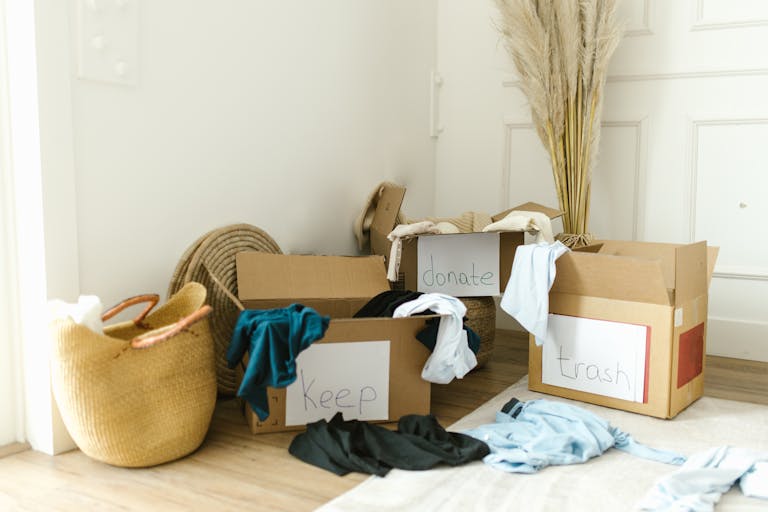
5. Cardboard Boxes
To most people, cardboard is packaging.
To a homesteader, it’s a resource.
How Grandparents Used Them
• Storage dividers
• Project protection
• Fire starters
• Workshop organization
The Modern Homestead Application
Cardboard is especially valuable in the garden.
It can suppress weeds, create pathways, and serve as a compost ingredient.
The Beginner Rule
Save only clean, plain cardboard that you can realistically use. Recycle the rest.
The One-Year Rule
Stewardship is different from hoarding.
If you save a container, piece of fabric, scrap of lumber, or other reusable item and haven’t found a purpose for it within a year, it’s probably clutter rather than an asset.
A productive homestead needs organization just as much as resourcefulness.
6. Coffee Cans and Durable Tins
Before storage products filled entire store aisles, families often reused the containers they already had.
How Grandparents Used Them
• Buttons
• Nails
• Screws
• Sewing supplies
• Small tools
The Modern Homestead Application
Durable containers remain useful for organizing workshops, sheds, and utility spaces.
The Beginner Rule
Keep only sturdy containers with a specific purpose.
Organization works best when everything has a home.
7. Scraps of Lumber
A short board might not seem valuable.
To a resourceful homeowner, it represented future possibilities.
How Grandparents Used Them
• Minor repairs
• Garden projects
• Temporary supports
• Shelving braces
The Modern Homestead Application
Building materials are expensive.
A carefully managed supply of usable scrap lumber can save time and money on small projects.
The Beginner Rule
Store lumber neatly and protect it from moisture.
Organized materials are assets.
Rotten piles are not.
8. Buttons, Zippers, and Fasteners
Many households kept a small tin filled with spare buttons.
How Grandparents Used Them
A missing button didn’t mean replacing a garment.
It meant making a simple repair.
The Modern Homestead Application
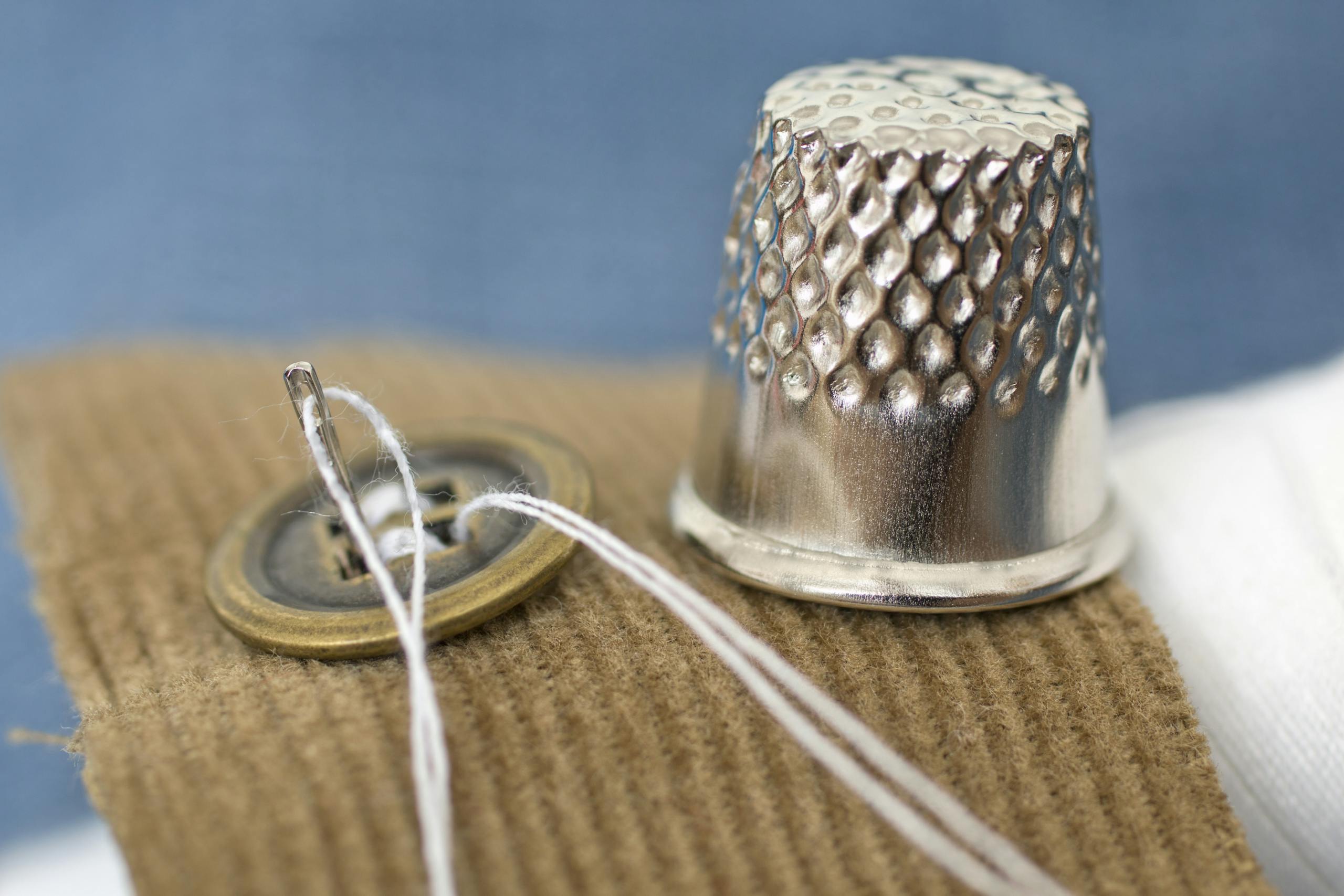
Learning basic sewing skills can dramatically extend the life of clothing, workwear, and household textiles.
The Beginner Rule
Before discarding an item that’s truly beyond repair, consider salvaging any usable buttons, snaps, or fasteners.
9. Feed Bags and Durable Plastic Bags
While previous generations didn’t grow up with today’s packaging, they understood the principle of reusing useful materials.
How Grandparents Used Similar Materials
Protecting items from dirt, moisture, and damage.
The Modern Homestead Application
Heavy-duty feed bags can be reused for storage, cleanup projects, and numerous temporary homestead tasks.
The Beginner Rule
Store reusable bags neatly in one location.
If they become a scattered mess, they lose their value.
10. Knowledge
This is the most important item on the list.
Our grandparents didn’t just save things.
They preserved skills.
How Grandparents Approached Problems
When something broke, the first question was often:
“How can I fix this?”
Not:
“What can I buy to replace it?”
The Modern Homestead Application
True self-reliance isn’t measured by how much equipment you own.
It’s measured by what you know how to do when things go wrong.
Knowing how to repair, maintain, preserve, build, and improvise creates a level of independence that money alone cannot buy.
The Beginner Rule
Invest in learning before buying.
A skilled homesteader with basic tools will accomplish more than an unskilled homesteader with expensive equipment.
The Real Lesson
Most people assume self-reliance begins when you buy land.
In reality, it begins much sooner.
It begins the moment you start looking at your resources differently.
Every jar reused.
Every repair completed.
Every leftover meal eaten.
Every skill learned.
These small choices may seem insignificant on their own, but together they build the habits that create resilient households.
The goal isn’t to save everything.
The goal is to recognize value before throwing it away.
That’s the mindset that helped previous generations weather hard times, stretch limited resources, and build homes that could withstand uncertainty.
And it’s a mindset worth preserving.
Join the Community
Want practical homesteading tips, beginner-friendly guides, and old-fashioned skills that still matter today? Join the Waste Not Want Not Community and get new articles, helpful resources, and homestead inspiration delivered to your inbox.
Where to Go Next
If you’re ready to build a more resourceful household, start with one small step this week.
You don’t need to overhaul your entire life.
You simply need to begin paying attention to the opportunities already sitting in your home.
Next, explore:
Organizing Your Household Resources
• The Waste Not, Want Not Home Audit
• 25 Practical Ways to Reuse Glass Jars Around the Homestead
Reducing Waste in the Kitchen
• How to Reduce Food Waste Without Feeling Deprived
• Old-Fashioned Kitchen Habits That Save Money Today
Building Practical Homestead Skills
• The Stewardship Test: 7 Questions to Ask Before You Buy Anything
• Old-Fashioned Skills Every Modern Homemaker Should Know
Because homesteading isn’t just about producing more.
It’s about learning to make the most of what you already have.