Natural Pest Control Without Chemicals: A Beginner’s Guide to Protecting Your Garden
Every gardener eventually encounters pests.
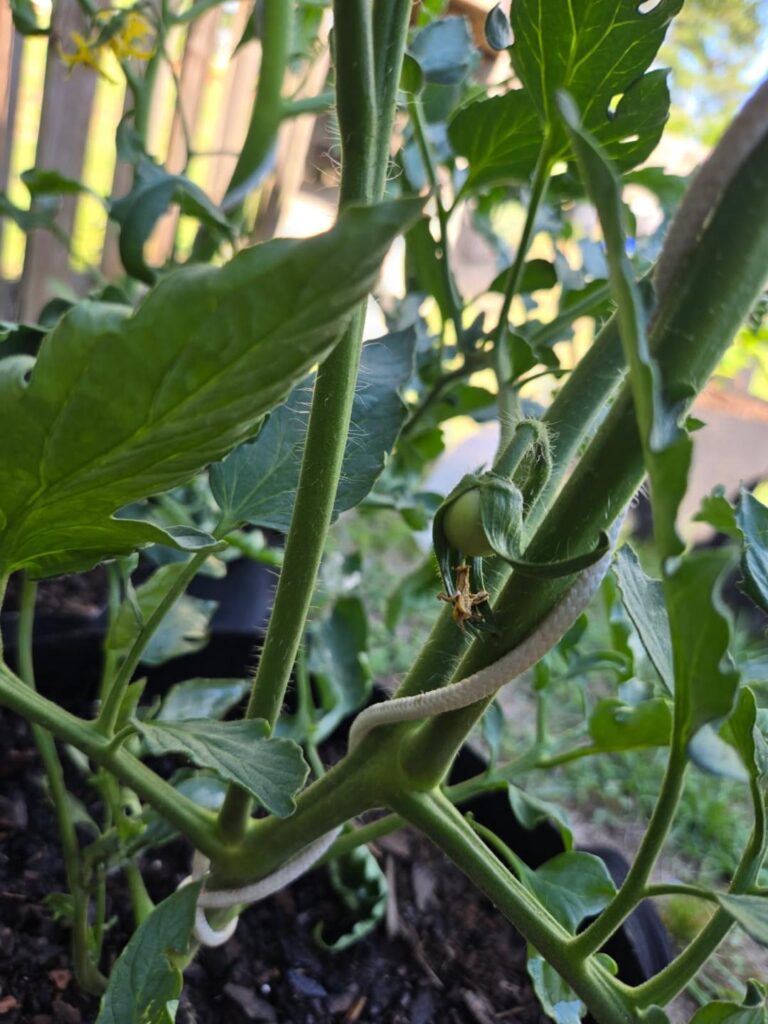
One morning your bean leaves are full of holes. Your tomatoes suddenly attract hornworms. Aphids appear seemingly overnight on your peppers.
It’s easy to feel frustrated and start searching for the strongest product available.
But experienced organic gardeners know something important: the goal isn’t to eliminate every insect from your garden.
The goal is to maintain balance.
In a healthy garden, insects, birds, soil organisms, and plants all play a role in a larger ecosystem. Some insects damage crops, while others help control those pests naturally.
Learning how to work with that system is one of the most valuable skills an organic gardener can develop.
The good news is that natural pest control without chemicals can reduce—or even prevent—many common garden problems without relying on synthetic pesticides
Natural Pest Control Without Chemicals Starts With Prevention
One of the biggest mistakes new gardeners make is waiting until they have a serious pest problem before taking action.
Healthy gardens are often less attractive to pests than stressed gardens, and strong plants are generally better able to tolerate minor insect damage and recover from setbacks.
The basic gardening practices we’ve already discussed throughout this series are your first line of defense:
• Choosing appropriate crops for the season
• Maintaining proper plant spacing
While these practices won’t eliminate pests entirely, they can reduce plant stress and improve overall resilience.
Prevention is almost always easier than treatment.
Learn to Identify the Pest Before Taking Action
Not every insect in your garden is a problem.
In fact, many insects are beneficial.
Before taking any action, spend time identifying what you’re seeing.
Ask yourself:
• What insect is present?
• Is it actually damaging the plant?
• How severe is the damage?
• Is the plant still growing normally?
Many gardeners accidentally remove beneficial insects because they assume all bugs are harmful.
Correct identification helps you avoid solving the wrong problem.
Some Insects Are Your Allies
A healthy garden contains predators that naturally help control pest populations.
Common beneficial insects include:
• Lady beetles (ladybugs)
• Lacewings
• Ground beetles
• Hoverflies
• Parasitic wasps
• Praying mantises
These insects feed on common garden pests such as aphids, mites, caterpillars, and other soft-bodied insects.
If you immediately treat every insect you see as a threat, you may unintentionally remove some of your garden’s most valuable helpers.
One of the simplest organic gardening skills you can learn is recognizing the difference between pests and beneficial insects.
Encourage Diversity in the Garden
Nature rarely works in isolation.
Gardens that contain a variety of flowers, herbs, vegetables, and pollinator-friendly plants often support a wider range of beneficial insects and wildlife.
Plants commonly grown to support beneficial insects include:
• Dill
• Alyssum
• Yarrow
• Cilantro
• Fennel
• Flowering herbs such as thyme, oregano, and basil
These plants provide nectar and pollen that many beneficial insects rely on during part of their life cycle.
While no plant can guarantee pest-free gardening, increasing biodiversity often helps create a more balanced garden ecosystem.
A diverse garden also tends to support pollinators, which play an important role in the production of many fruits and vegetables.
Hand-Picking: Surprisingly Effective
For many home gardens, the simplest solution is often the most effective.
Large pests such as:
• Tomato hornworms
• Squash bugs
• Japanese beetles
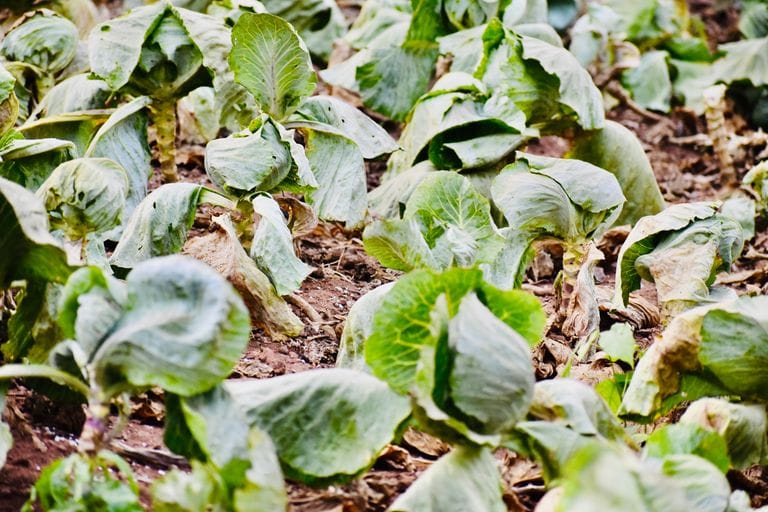
• Cabbage wormscan often be removed by hand.
Regular garden walks allow you to spot problems early before populations become difficult to manage.
While hand-picking may seem old-fashioned, it remains one of the safest, most targeted, and most effective pest control methods available to home gardeners.
Use Physical Barriers
Sometimes the best pest control strategy is preventing pests from reaching plants in the first place.
Physical barriers can include:
• Floating row covers
• Insect netting
• Plant collars around seedlings
• Garden fabric used appropriately
These barriers help protect vulnerable plants while reducing the need for additional interventions.
For many gardeners, row covers are especially useful for protecting young plants during the early growing season when insect pressure can be high.
Encourage Natural Predators
Many animals help control garden pests naturally.
Common garden allies include:
• Songbirds
• Toads
• Frogs
• Beneficial insects
• Certain lizards in warmer climates
Creating habitat for these animals can encourage them to spend more time in your garden.
Simple practices include:
• Providing a water source
• Maintaining diverse plantings
• Avoiding unnecessary pesticide use
• Preserving nearby natural habitat when possible
A diverse garden often supports a more balanced ecosystem than a garden planted with only a single crop.
Keep Your Garden Clean
Good garden sanitation can reduce pest problems.
Helpful practices include:
• Removing heavily infested plant material
• Cleaning up diseased leaves
• Harvesting ripe produce promptly
• Removing dead plants at the end of the season
Many pests and diseases can overwinter in garden debris.
Cleaning up problem areas helps reduce the number of pests that may return the following year.
When Organic Pest Controls May Be Appropriate
Despite your best efforts, some pest problems may require additional intervention.
Organic gardeners sometimes use products such as:
• Insecticidal soaps
• Horticultural oils
• Neem-based products
• Bacillus thuringiensis (Bt) for specific caterpillar pests
These products can be useful when the target pest has been correctly identified and other management techniques have not provided sufficient control.
Even organic products should be used thoughtfully.
Organic does not automatically mean harmless to every insect.
Some products can affect beneficial insects if used improperly.
Always read and follow label directions carefully.
Understanding Diatomaceous Earth (DE)
Another tool sometimes used by organic gardeners is Diatomaceous Earth (DE).
Food-grade DE is made from the fossilized remains of microscopic aquatic organisms.
When dry, it can damage the protective outer coating of many crawling insects, causing them to lose moisture and dehydrate.
DE may help manage pests such as:
• Slugs
• Snails
• Earwigs
• Certain ants
• Some crawling insects
However, DE is non-selective and can affect beneficial insects that come into contact with it.
For that reason:
• Apply it carefully and only where needed
• Avoid applying it to flowers visited by pollinators
• Reapply after rain if necessary
• Use only food-grade DE in the garden
• Wear a dust mask during application to avoid inhaling fine particles
Like all pest-control tools, DE works best as part of a larger strategy rather than as a standalone solution.
Accept That Some Damage Is Normal
One of the most important lessons in organic gardening is understanding that perfect plants are not always realistic.
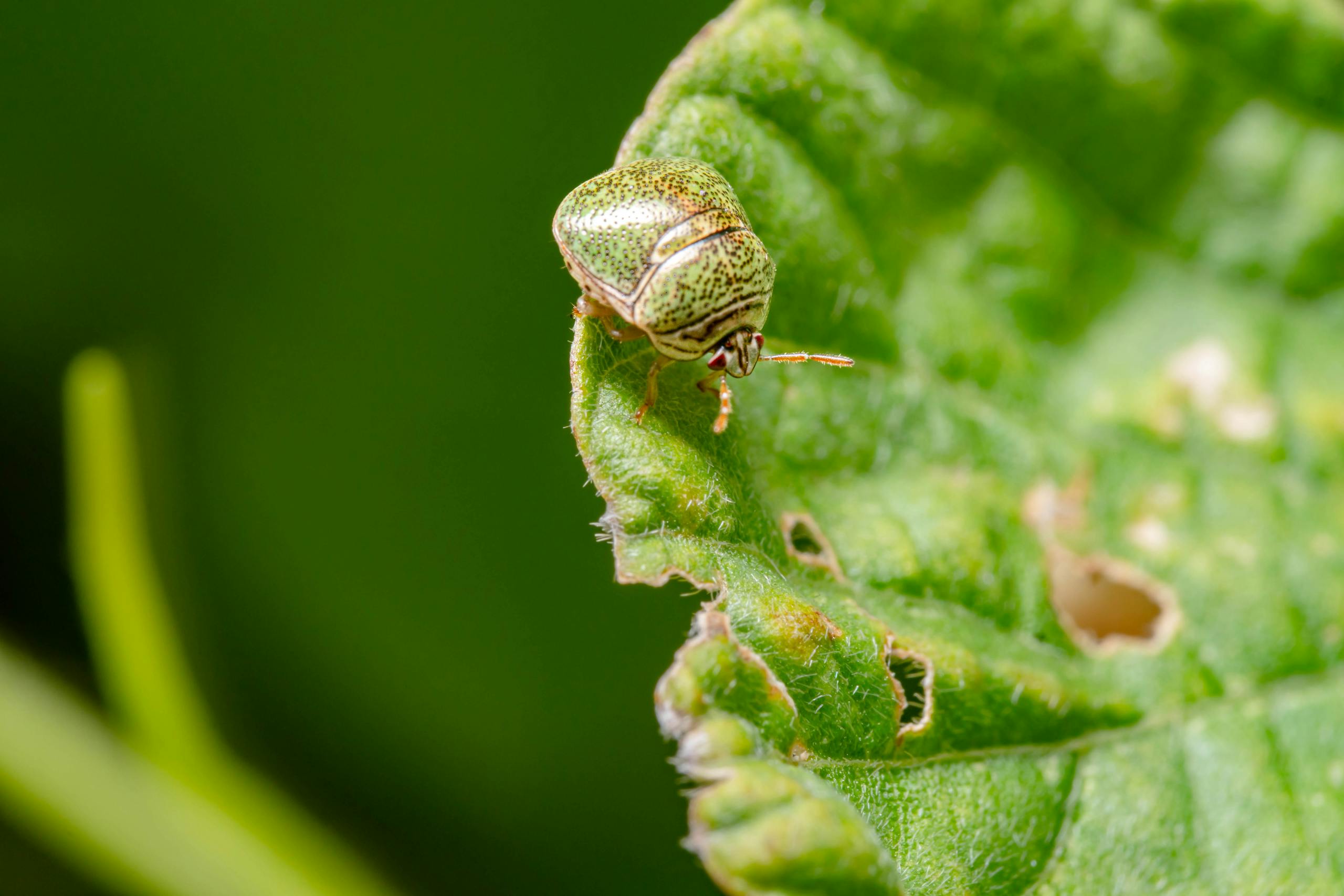
A few holes in a leaf do not necessarily indicate a serious problem.
Many healthy gardens contain minor insect damage while still producing abundant harvests.
Instead of focusing on perfect-looking plants, focus on:
• Plant health
• Productivity
• Garden balance
• Long-term resilience
The goal is not a sterile garden.
The goal is a thriving one.
A Simple Organic Pest Control Checklist
Before taking action against any pest, ask yourself:
• Have I correctly identified the insect?
• Is the damage severe enough to justify intervention?
• Can I remove the pest by hand?
• Are beneficial insects already helping?
• Would a physical barrier solve the problem?
• Am I treating the cause or simply reacting to symptoms?
Following this checklist helps prevent unnecessary treatments and encourages thoughtful decision-making.
Join the Community
Want practical homesteading tips, beginner-friendly guides, and old-fashioned skills that sill matter today? Join the Waste Not Want Not Community and get new articles, helpful resources, and homedstead inspiration delivered straight to your inbox.
Final Thoughts
Natural pest control begins long before pests appear.
Healthy soil, proper watering, strong plants, biodiversity, and regular observation all work together to create a more resilient garden.
When problems do arise, start with the least disruptive solution first.
Observe carefully, identify accurately, and remember that not every insect is an enemy.
The most successful organic gardeners don’t wage war against nature—they learn how to work alongside it.
And in doing so, they rediscover one of the timeless skills that helps turn a house into a home.
Coming Next in Sustainable Organic Gardening: Mulching 101: Save Water, Suppress Weeds, and Build a Healthier Garden
Now that you’ve learned how to manage pests naturally, we’ll explore one of the simplest practices for conserving water, reducing weeds, and supporting healthier plants throughout the growing season.