Watering Your Garden the Right Way: The Beginner’s Guide to Healthy Plants
One of the most common mistakes new gardeners make isn’t planting the wrong crops or using the wrong fertilizer—it’s watering incorrectly.
Many beginners assume that more water equals healthier plants, but too much water can be just as harmful as too little.
The good news is that learning to water properly doesn’t require expensive equipment or years of experience. With a few simple principles, you can keep your plants healthy, conserve water, and grow a more productive garden.
Why Proper Watering Matters
Water is essential for every stage of plant growth. Plants use water to transport nutrients, develop strong roots, produce flowers and fruit, and stay healthy during hot weather.
When plants don’t receive enough water, they become stressed. Growth slows, leaves wilt, and harvests suffer.
Too much water can create major problems as well. Constantly saturated soil deprives roots of oxygen, weakening the plant and creating conditions that allow root diseases and fungal problems to thrive.
The goal isn’t to keep the soil constantly wet. The goal is to provide consistent moisture while encouraging roots to grow deep and strong.
How Often Should You Water a Garden?
One of the biggest questions beginners ask is, “How often should I water my garden?”
The answer depends on several factors:
• The type of plant
• Soil type
• Temperature and daily sunshine
• Rainfall
• Plant size and maturity
Rather than watering on a rigid schedule, learn to check the soil using the finger test.
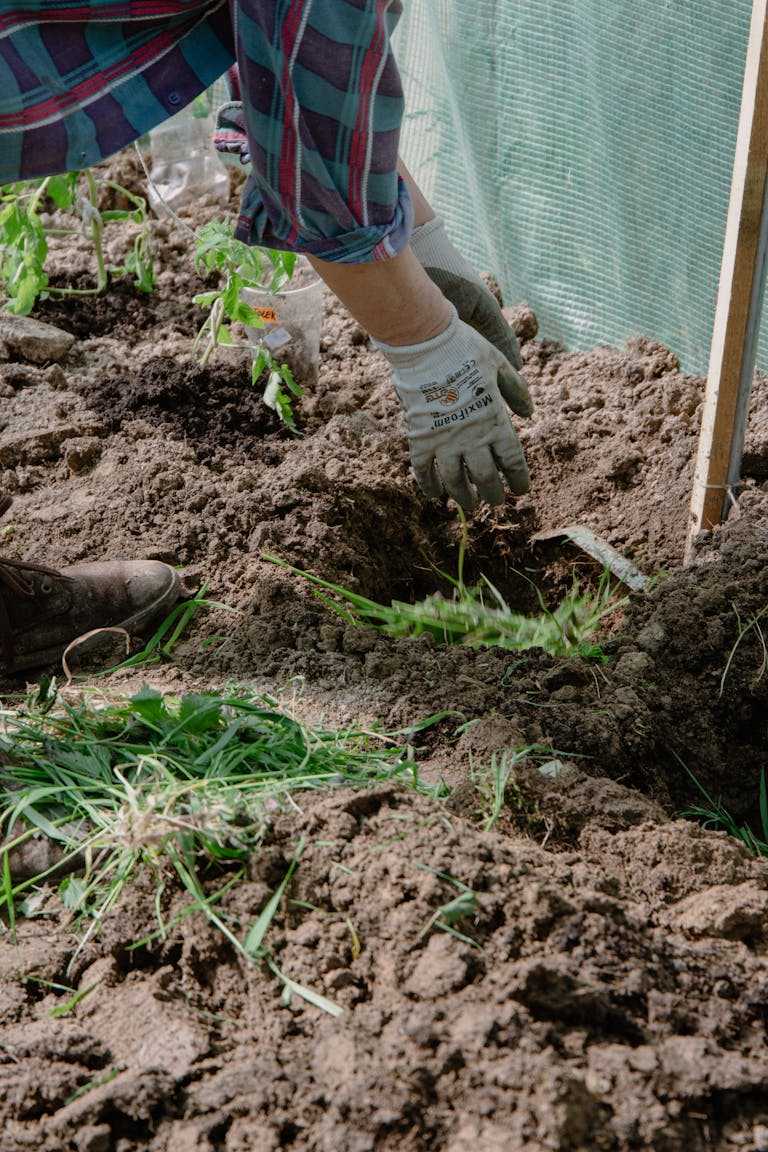
Insert your finger about two inches into the soil near the base of the plant. If the soil feels dry at that depth, it’s time to water. If it still feels moist, wait another day and check again.
This simple habit is often more reliable than following a strict watering calendar because it reflects what your garden actually needs.
Water Deeply, Not Frequently (And Water the Soil, Not the Leaves)
Many gardeners make the mistake of watering lightly every day with a quick sprinkle from a hose nozzle. While it may seem helpful, shallow watering encourages roots to stay near the surface.
Surface roots dry out quickly, making plants more vulnerable to drought and heat stress.
Instead, water deeply and thoroughly.
What Does “Water Deeply” Mean?
For most vegetable gardens, the goal is to moisten the soil at least five to six inches deep. This encourages roots to grow downward where moisture remains available longer.
The exact amount of time needed will vary depending on your soil type and watering method. Sandy soils absorb water differently than clay soils, and a watering can behaves differently than a soaker hose.
The goal is always the same: allow water to soak into the soil rather than running off the surface.
Over the years, we’ve learned that a slow, gentle soak at the base of a plant is far more effective than a quick blast from a hose. The water has time to penetrate the root zone instead of pooling on top and evaporating away.
The Golden Rule: Water the Dirt, Not the Plant
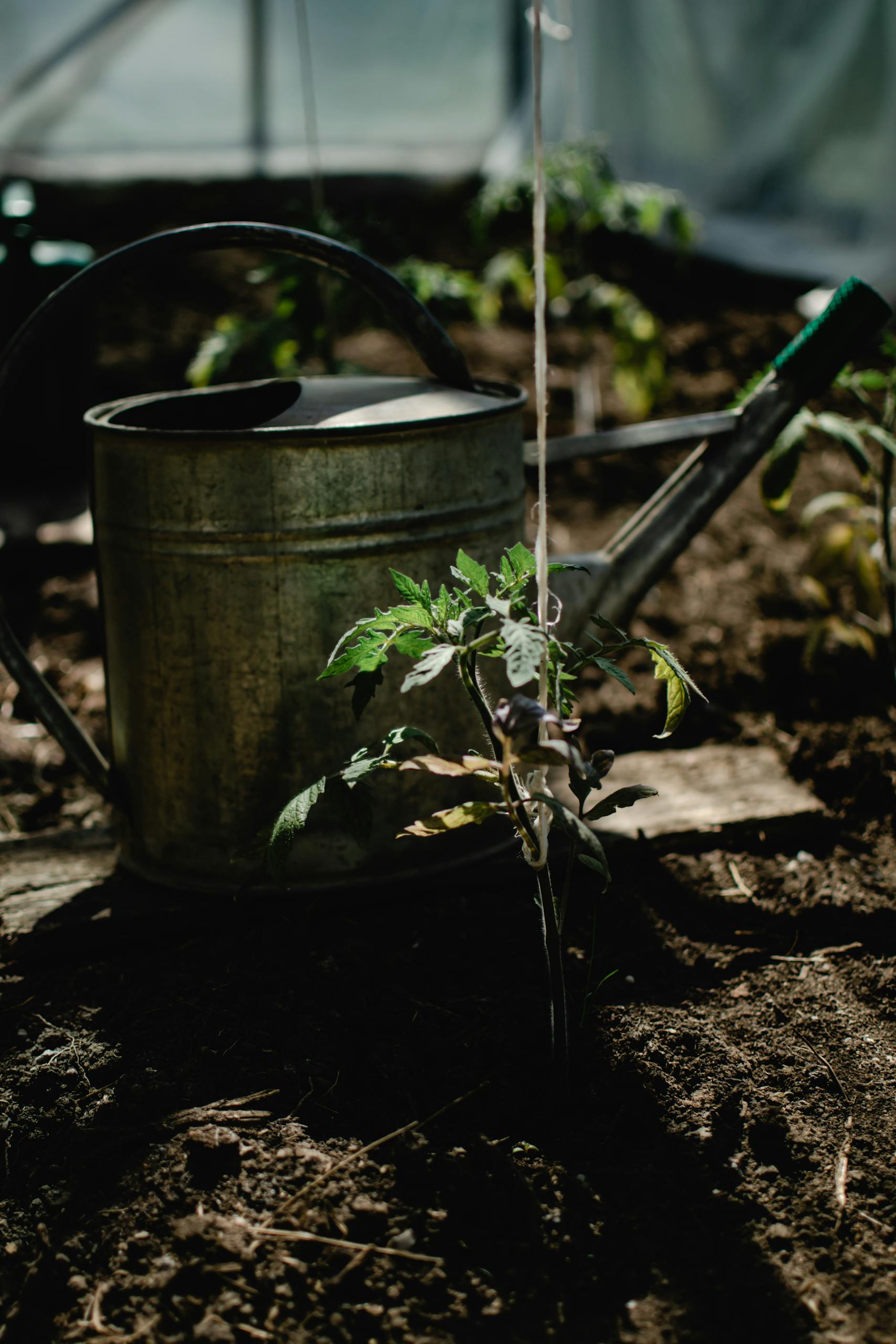
When you water, always aim your hose, watering can, or irrigation system directly at the base of the plant.
Avoid spraying the foliage whenever possible. Wet leaves don’t help the roots drink, and prolonged moisture on leaves can encourage fungal diseases such as powdery mildew and blight.
By watering the soil directly, more water reaches the roots where it’s needed most.
The Best Time of Day to Water
The best time to water is early in the morning.Morning watering provides several advantages:
• Less water is lost to evaporation
• Plants have moisture available during the hottest part of the day
• Any water that splashes onto leaves dries quickly
• Disease pressure is often reduced because foliage doesn’t remain damp overnight.
If morning watering isn’t possible, late afternoon or early evening is usually the next best option.
Try to avoid watering during the hottest part of the day when a significant amount of moisture may evaporate before it reaches plant roots.
Seedlings Need Special Attention
Young seedlings require more frequent attention than established plants. Because their root systems are small and shallow, they cannot access moisture deeper in the soil.
Keep seedling soil consistently moist—similar to a wrung-out sponge—but never soggy.
As plants mature and develop stronger root systems, gradually transition to deeper, less frequent watering sessions. This encourages healthier root development and more resilient plants.
Troubleshooting Your Plants at a Glance
Plants are excellent communicators if you know what to look for. Because overwatering and underwatering can produce similar symptoms, use this quick reference guide to help identify the problem.
| Plant Symptom | Likely Cause | Soil Condition (2+ Inches Down) | Quick Fix |
|---|---|---|---|
| Wilting, dry or crispy leaf edges, dropping lower leaves | Underwatering | Dry | Give the soil a deep, slow soak |
| Wilting, yellowing leaves, soft stems, slow growth | Overwatering | Soggy or muddy | Stop watering and allow soil to dry |
| Afternoon drooping that recovers by evening | Heat stress | Moist or slightly dry | Usually normal during extreme heat |
Before making adjustments, always check the soil. The condition of the soil is often more revealing than the appearance of the leaves alone.
Mulch: Your Garden’s Best Friend
If there’s one simple technique that can dramatically reduce your watering workload, it’s mulching.
A layer of mulch helps:
• Retain soil moisture
• Reduce evaporation
• Suppress weeds
• Moderate soil temperatures
• Improve soil health over time
On our homestead, we’ve found that keeping beds well mulched significantly reduces how often we need to water during the hottest months of summer.
Excellent Organic Mulch Options
• Clean, seed-free straw
• Shredded leaves
• Untreated grass clippings
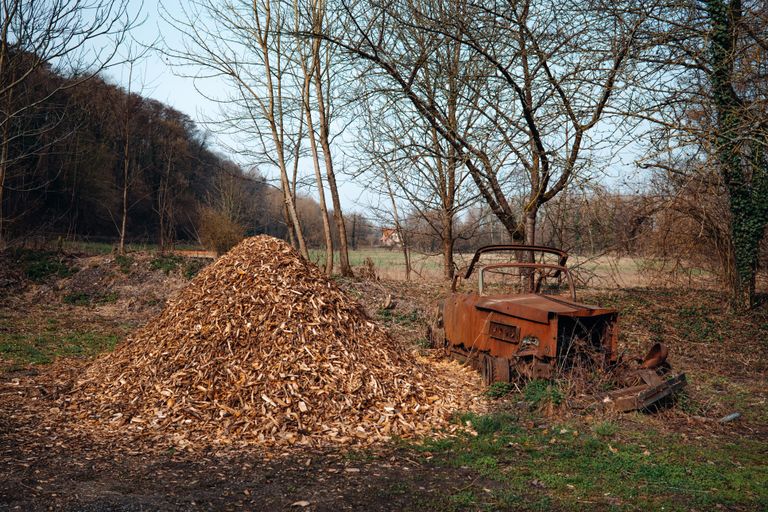
• Wood chips
• Pine needles
Many homesteaders already have access to leaves, grass clippings, or wood chips, making mulch one of the easiest ways to recycle natural materials while improving the garden.
Apply two to four inches of mulch around plants, keeping it a few inches away from stems and trunks to prevent excess moisture buildup.
Watering Containers vs. Garden Beds
Container gardens dry out much faster than in-ground garden beds.
Plants growing in pots have a limited volume of soil and are exposed to heat from all sides. As a result, containers lose moisture much more quickly.
During the height of summer, container plants may require daily watering and sometimes even more frequent checks during heat waves.
Garden beds generally retain moisture longer because the surrounding soil acts as a reservoir.
If you’re short on time, prioritize monitoring your containers first.
Save Water While Growing More Food
Sustainable gardening isn’t just about growing food—it’s about using resources wisely.
Simple ways to conserve water include:
• Mulching heavily
• Using drip irrigation or soaker hoses
• Collecting rainwater where permitted
• Grouping plants with similar water needs together
• Watering early in the day
• Adding compost to improve soil structure
These small habits can reduce water waste while helping your plants thrive.
Healthy Soil Holds More Water
One of the biggest secrets experienced gardeners know is that watering problems are often soil problems in disguise.
Healthy soil rich in compost and organic matter acts like a sponge, holding moisture where plant roots can access it. Poor soil, on the other hand, may dry out quickly or remain waterlogged after every rain.
If you find yourself constantly watering or struggling with soggy conditions, the solution may not be more or less water—it may be improving the soil itself.
We’ll explore that topic in our next guide, Understanding Your Soil: The Secret to a Successful Organic Garden.
Final Thoughts
Learning when and how to water is one of the most valuable gardening skills you can develop.
Forget rigid schedules and focus on understanding your soil and your plants. Check moisture regularly, water deeply, mulch generously, and pay attention to what your garden is telling you.
With a little observation and consistency, you’ll use less water, build stronger root systems, and enjoy healthier harvests throughout the growing season.
After all, successful homesteading isn’t about working harder—it’s about learning the timeless skills that help a house become a home.
Join the Community
Want practical homesteading tips, beginner-friendly guides, and old-fashioned skills that still matter today? Join the Waste Not Want Not Community and get new articles, helpful resources, and homestead inspiration delivered straight to your inbox